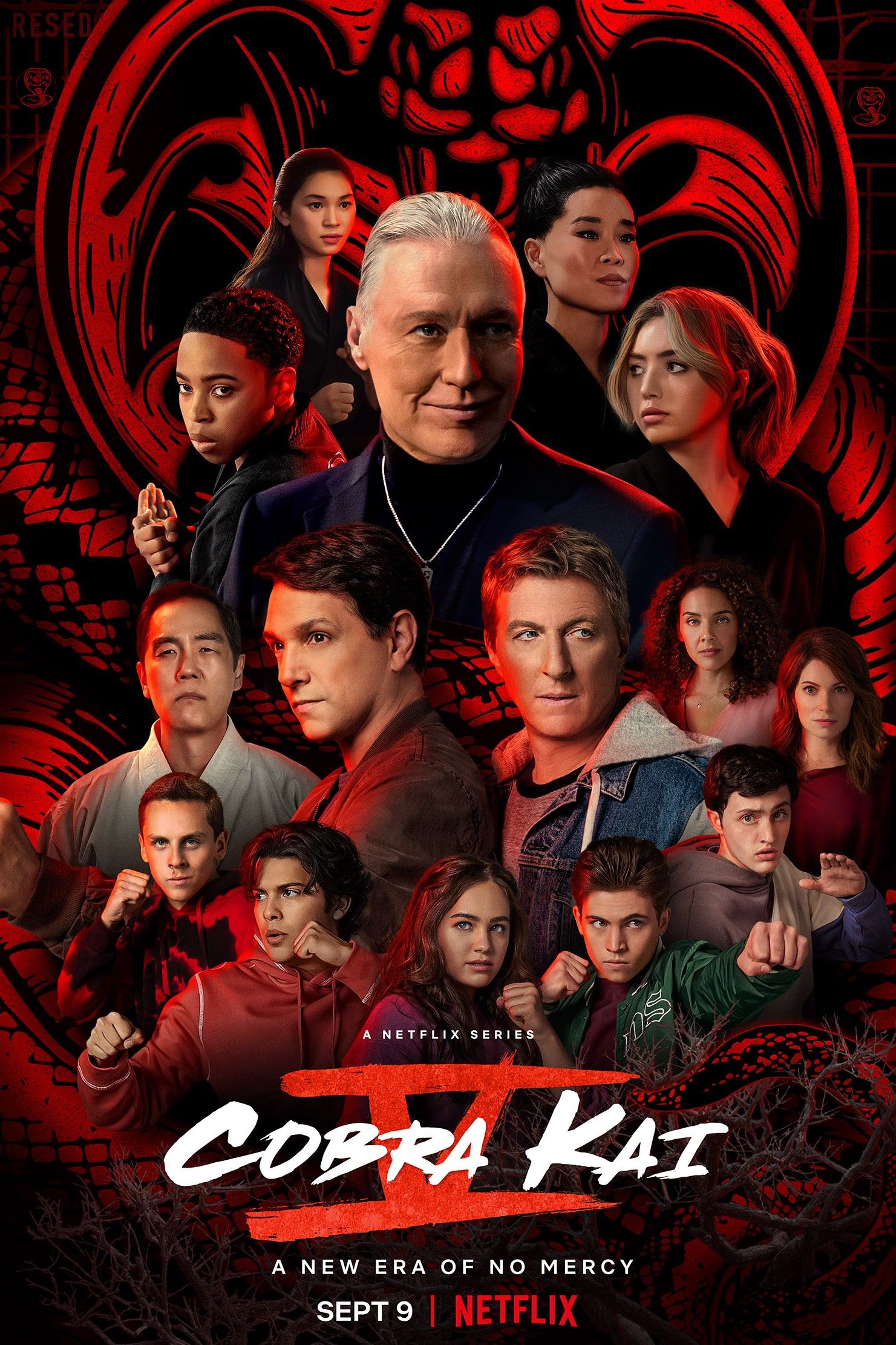
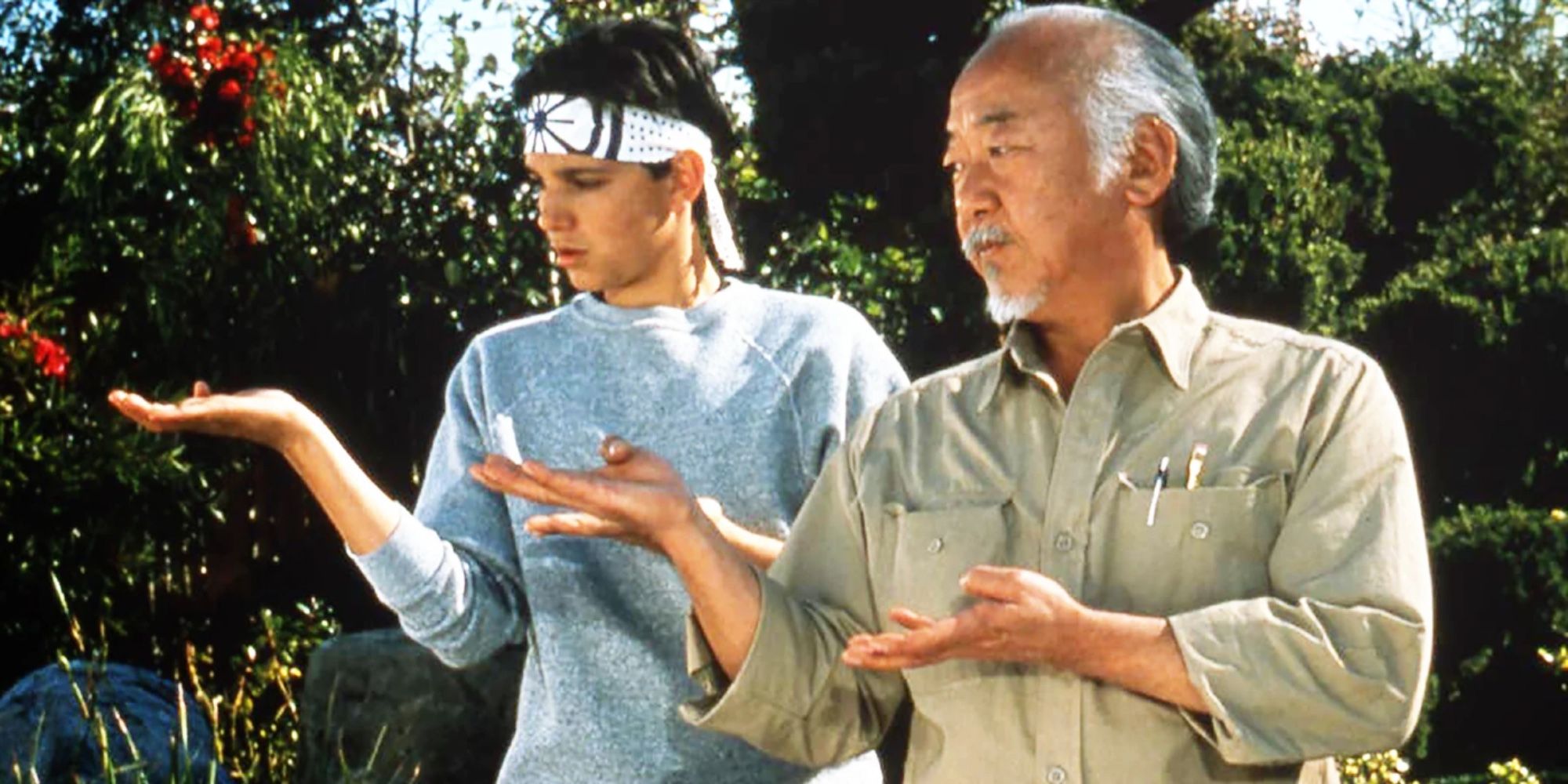
The cast of Cobra Kai serves as the vital bridge between the 1984 classic The Karate Kid and the modern era of the "Miyagi-verse." By reprising iconic roles and introducing a new generation of martial artists, these actors have successfully evolved a nostalgic 80s rivalry into a complex, multi-generational saga of redemption and legacy.
The Core Pillars: Ralph Macchio and William Zabka
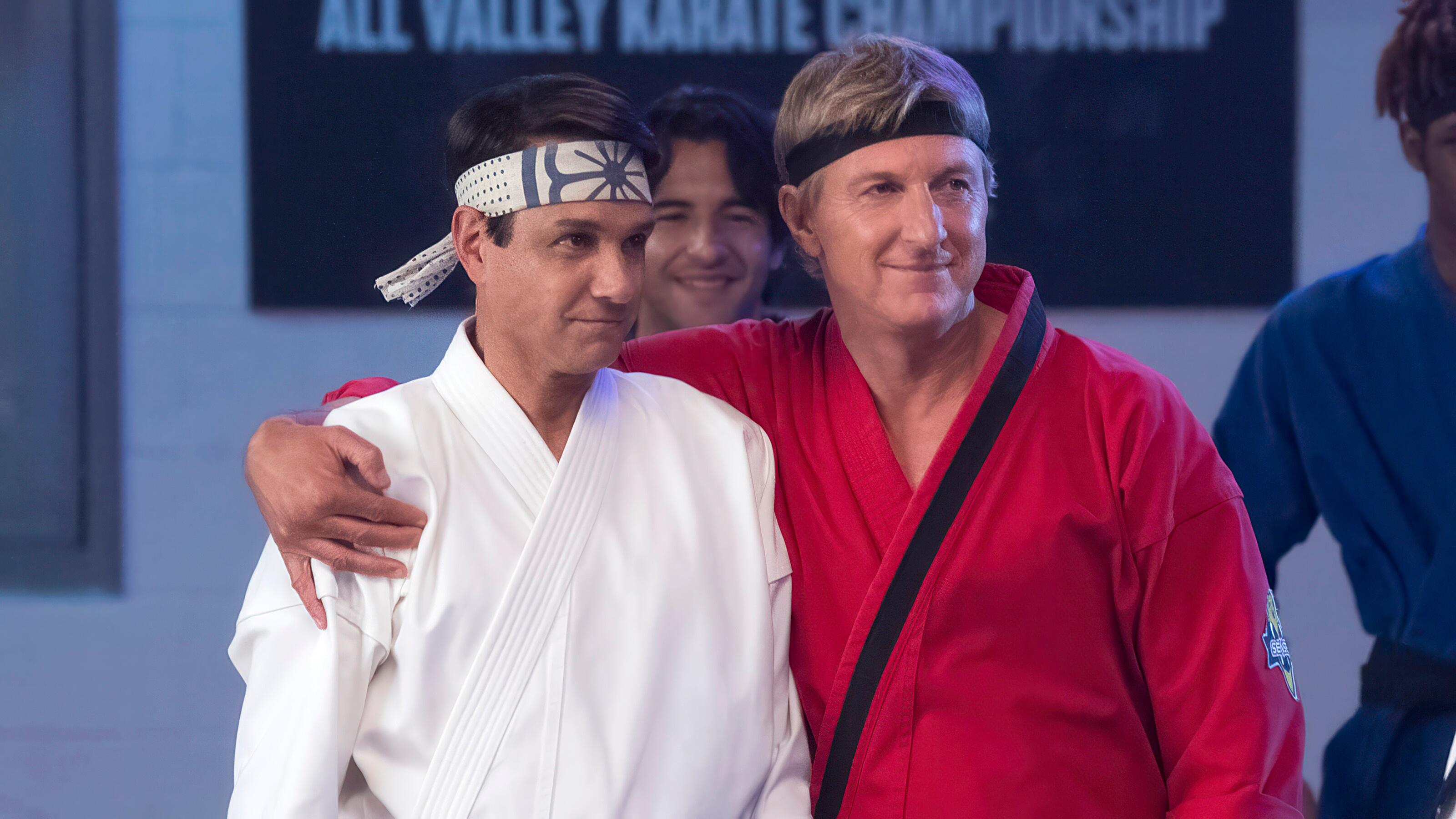
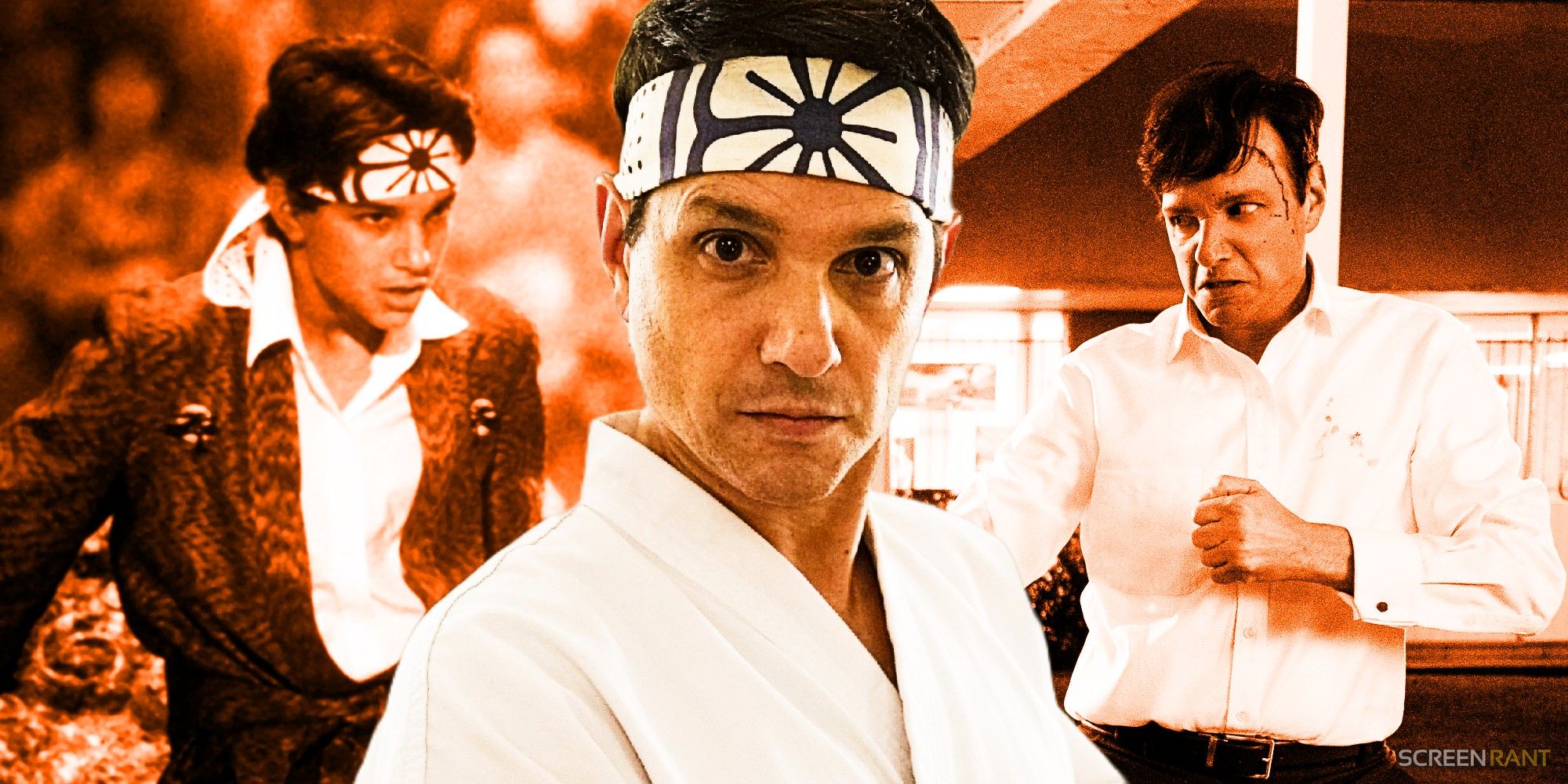
The foundation of the Cobra Kai phenomenon rests entirely on the shoulders of Ralph Macchio and William Zabka. As we look back from 2026, their performances are recognized not just as nostalgic reprisals but as masterclasses in character evolution. Macchio’s Daniel LaRusso is no longer just the underdog; he is a successful businessman struggling to balance Mr. Miyagi’s teachings with the complexities of fatherhood and ego. Macchio brings a nuanced vulnerability to Daniel, showing that even a "champion" can lose his way when his moral compass is clouded by past trauma.
William Zabka’s Johnny Lawrence, however, is the true engine of the series. Zabka transformed Johnny from a one-dimensional bully into a tragic, hilarious, and deeply relatable protagonist. His portrayal of a man "stuck in the 80s" searching for a path to redemption provided the show with its emotional core. The chemistry between Macchio and Zabka—shifting from bitter enemies to reluctant allies—remains the highest-rated aspect of the franchise. Their real-world roles as executive producers ensured that the characters remained true to their origins while adapting to the narrative demands of a prestige television drama.
Returning Legends: The Antagonists and Allies
One of the greatest achievements of the Cobra Kai actors is their ability to humanize the larger-than-life villains of the original film trilogy. The casting decisions were never treated as mere cameos; they were fundamental to the expansion of the lore.
Martin Kove as John Kreese
Martin Kove’s return as John Kreese introduced a darker, more psychological element to the series. Kove’s portrayal explored the character's origins in the Vietnam War, explaining the "No Mercy" philosophy without necessarily excusing it. By 2026, his performance is cited as one of the most consistent portrayals of a long-term antagonist in television history, maintaining a chilling presence across six seasons.
Thomas Ian Griffith as Terry Silver
The re-introduction of Thomas Ian Griffith in Season 4 was a turning point for the series’ technical depth. Griffith, an actual martial artist, brought a sophisticated, predatory elegance to Terry Silver. His performance shifted the stakes from local dojo rivalries to a global expansion plot, proving that the characters from The Karate Kid Part III had significant untapped potential.
Yuji Okumoto and Sean Kanan
The inclusion of Yuji Okumoto (Chozen Toguchi) and Sean Kanan (Mike Barnes) further solidified the "Miyagi-verse" connectivity. Okumoto, in particular, became a fan favorite by subverting his villainous role from The Karate Kid Part II into a comedic and loyal ally. His transition from a man seeking a "fight to the death" to a protector of the LaRusso family showcased the series’ theme that no one is beyond saving.
The New Generation: Carrying the Torch
While the legacy actors drew audiences in, the younger cast members were responsible for keeping them there. These actors had to perform a difficult balancing act: honoring the fighting styles of their predecessors while establishing their own identities.
- Xolo Maridueña (Miguel Diaz): As the first student of the new Cobra Kai, Maridueña became the modern-day Daniel LaRusso. His performance anchored the show’s emotional stakes, particularly during the high-stakes hospital arc in Season 3.
- Tanner Buchanan (Robby Keene): Buchanan’s portrayal of Johnny’s estranged son provided the necessary friction to keep the drama grounded. His physical dedication to the role, performing many of his own stunts, set a high bar for the series' choreography.
- Mary Mouser (Samantha LaRusso) and Peyton List (Tory Nichols): Their rivalry became the female counterpart to the Daniel/Johnny feud. Both actresses brought significant depth to characters who were often caught between the conflicting ideologies of their senseis.
Actor and Character Matrix: The Legacy Connections
The following table outlines the primary actors who define the Karate Kid legacy within Cobra Kai, detailing their original film debuts and their evolution through the end of the series.
| Actor | Character | Original Debut | Legacy Role Evolution |
|---|---|---|---|
| Ralph Macchio | Daniel LaRusso | The Karate Kid (1984) | From student to Sensei/Miyagi-Do Founder |
| William Zabka | Johnny Lawrence | The Karate Kid (1984) | From antagonist to Eagle Fang/Cobra Kai Sensei |
| Martin Kove | John Kreese | The Karate Kid (1984) | The eternal antagonist; explores war-time trauma |
| Thomas Ian Griffith | Terry Silver | The Karate Kid Part III | Strategic mastermind; introduces global expansion |
| Yuji Okumoto | Chozen Toguchi | The Karate Kid Part II | Former rival turned Master of Miyagi-Do secrets |
| Sean Kanan | Mike Barnes | The Karate Kid Part III | "Karate's Bad Boy" turned furniture store owner/ally |
| Elisabeth Shue | Ali Mills | The Karate Kid (1984) | The emotional catalyst for Daniel and Johnny's truce |
| Robyn Lively | Jessica Andrews | The Karate Kid Part III | Connects the LaRusso family across film generations |
The Cultural Impact of the Legacy Cast
The success of the Cobra Kai actors stems from their refusal to treat the source material as a joke. In an era where "reboots" often satirize the original content, the Cobra Kai cast treated the 1980s lore with sincerity. This approach allowed for a deeper exploration of themes like bullying, toxic masculinity, and the difficulty of letting go of the past.
The actors’ commitment extended to the physical demands of the show. By 2026, the behind-the-scenes training regimens of Macchio, Zabka, and the younger cast have been well-documented. They worked with world-class choreographers to ensure that the "Miyagi-Do" style remained defensive and fluid, while "Cobra Kai" remained aggressive and striking. This physical storytelling is a hallmark of the franchise, where the actors use combat to express character development that words cannot.
Training and Technical Execution
The actors in Cobra Kai underwent rigorous training to maintain the authenticity of the martial arts depicted. Unlike many action series that rely heavily on stunt doubles, the Cobra Kai ensemble—including the veteran actors—participated in intensive boot camps.
- Choreography Mastery: The cast had to learn "fight flows" that mimicked the styles established by Pat Johnson in the 1980s.
- Style Differentiation: The actors were trained to move differently based on their dojo affiliation. Miyagi-Do actors focused on balance and circular movements, whereas Cobra Kai actors utilized linear, explosive strikes.
- Physical Longevity: For the legacy actors in their 50s and 60s, the training focused on flexibility and injury prevention, allowing them to perform iconic kicks (like the Crane Kick or the Tornado Kick) well into the 2020s.
This dedication ensured that the "Karate Kid Legacy" was not just a branding exercise but a legitimate continuation of a storied martial arts tradition.
FAQ
Which original actors from the films appear in Cobra Kai?
Almost every major living actor from the original trilogy appears. This includes Ralph Macchio (Daniel), William Zabka (Johnny), Martin Kove (Kreese), Thomas Ian Griffith (Silver), Yuji Okumoto (Chozen), Sean Kanan (Mike Barnes), Elisabeth Shue (Ali), Robyn Lively (Jessica), and Tamlyn Tomita (Kumiko).
Did the actors do their own stunts in Cobra Kai?
The majority of the cast performed a significant portion of their own stunts and fight sequences. While professional stunt coordinators and doubles were used for high-risk maneuvers or falls, the close-up combat and signature karate moves were largely executed by the actors themselves to maintain realism.
Is Pat Morita (Mr. Miyagi) in the show?
While Pat Morita passed away in 2005, he is a constant presence in the series. The actors frequently interact with his legacy through archival footage from the films, photographs, and the emotional performances of Ralph Macchio, whose character continues to seek Miyagi’s guidance.
How did the actors prepare for the 2025 movie crossover?
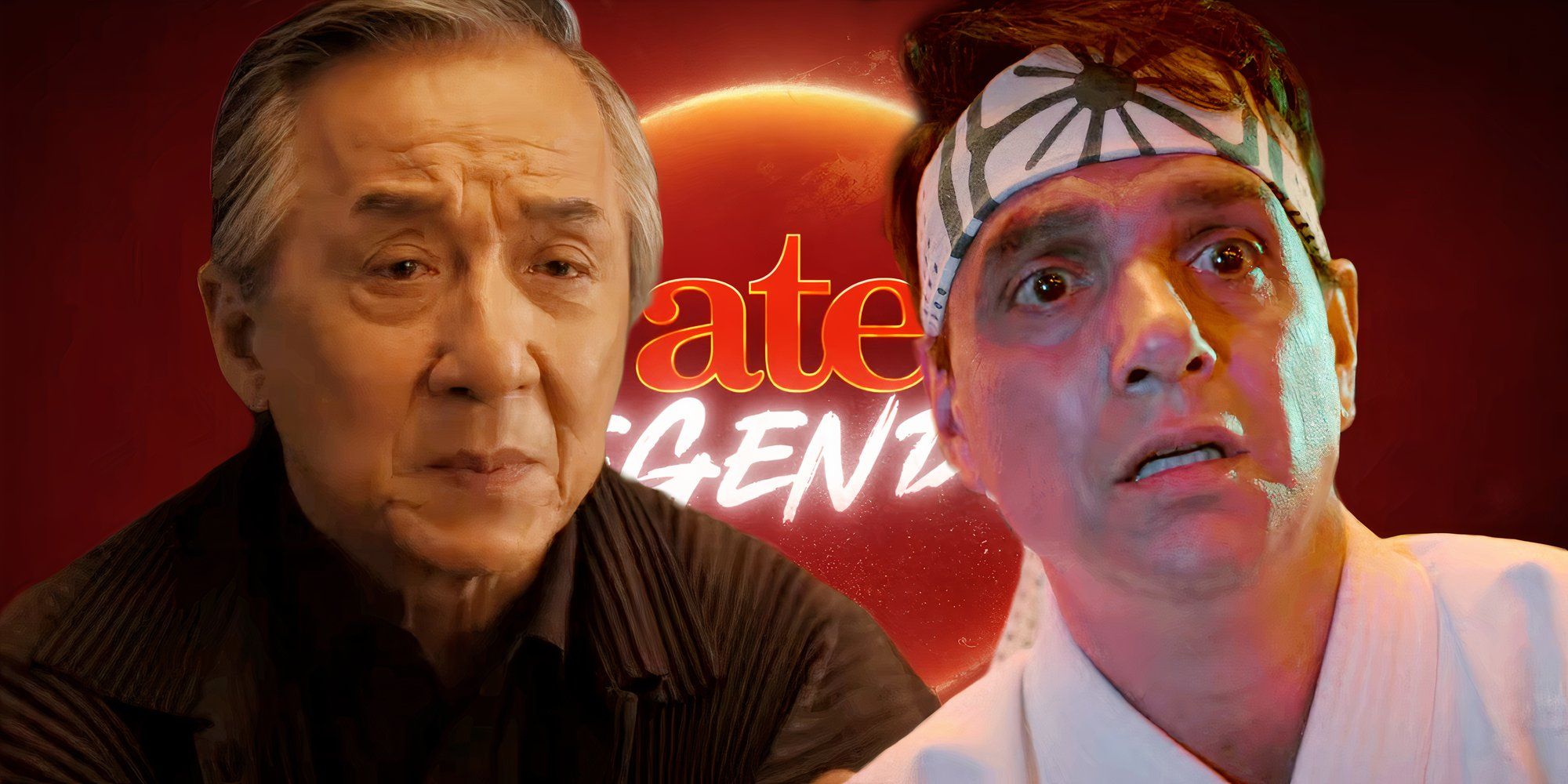
By 2026, we know that Ralph Macchio’s role in Cobra Kai served as the direct lead-in to the 2025 Karate Kid film. Macchio maintained a strict training schedule to bridge his television performance with the cinematic requirements of the new movie, which also stars Jackie Chan.
Are there any actors from The Next Karate Kid in the series?
While Hilary Swank (Julie Pierce) was the subject of much fan speculation throughout the series' run, the show primarily focused on characters from the first three Daniel LaRusso films. However, the series creators have always maintained that all films, including The Next Karate Kid, are part of the "Miyagi-verse."
Continuing the Legacy: Beyond the Series
For fans looking to follow the Cobra Kai cast beyond the final season, the journey continues through several avenues. With the 2025 Karate Kid film now part of the canon, watching Ralph Macchio’s transition back to the silver screen is the logical next step. Additionally, many of the younger cast members, such as Xolo Maridueña and Tanner Buchanan, have transitioned into major film roles, carrying the discipline and "strike first" mentality into new genres.
To truly appreciate the legacy, fans should engage with the series' "Miyagi-Do" philosophy in real life: focus on balance, respect for the history of the craft, and the understanding that the "actor" and the "martial artist" are often two sides of the same coin. The Cobra Kai era may have reached its conclusion by 2026, but the standard it set for legacy sequels remains the benchmark for the industry.