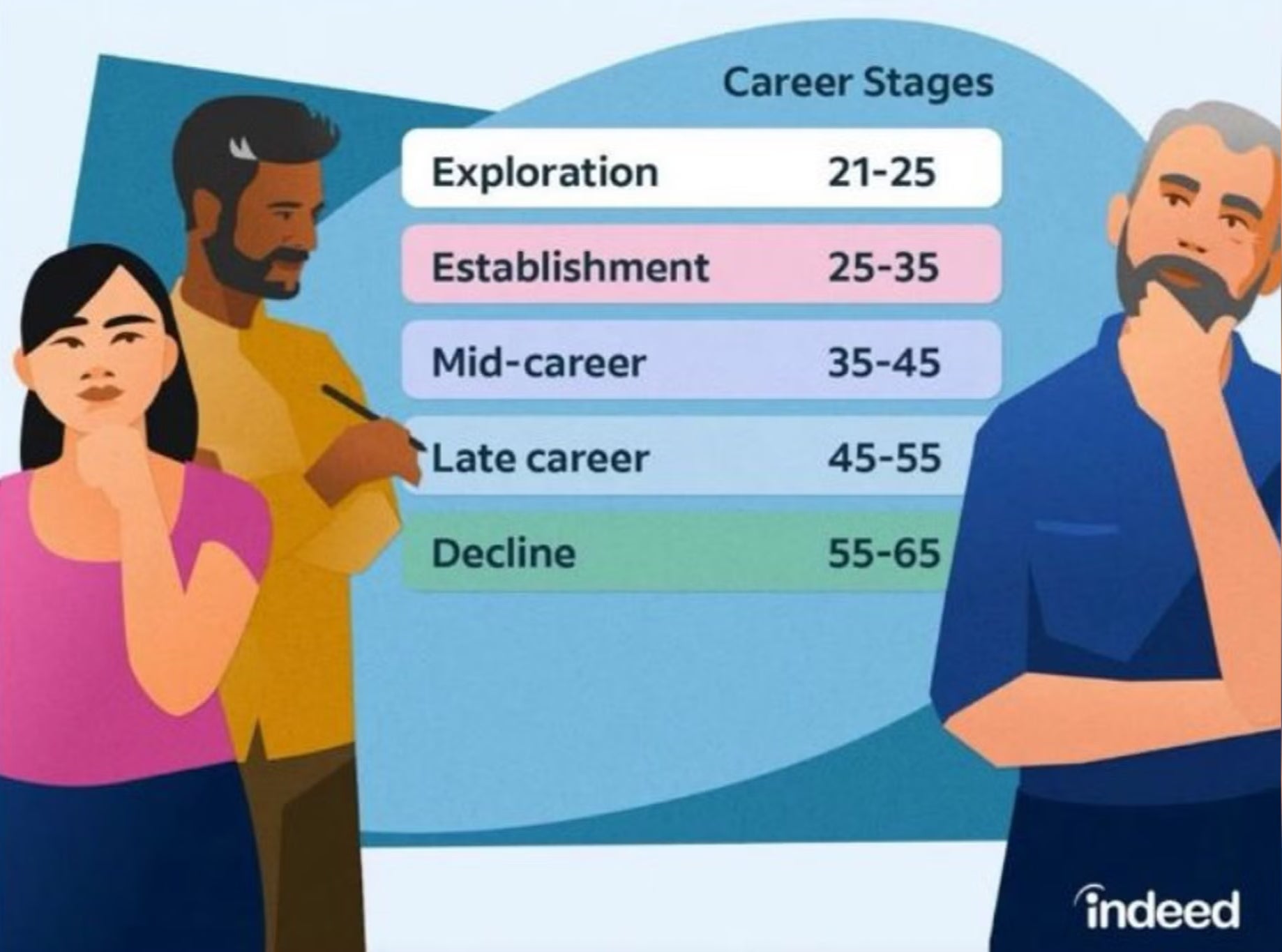
Actor career decline is a phase characterized by a sustained reduction in high-profile casting opportunities, diminishing marketability, and a downward trend in compensation or "quote" value. It often results from a combination of industry shifts, typecasting, and evolving audience preferences, requiring performers to proactively rebrand or diversify their professional output to maintain longevity.
The Structural Anatomy of Professional Stagnation
In the contemporary media landscape of 2026, an actor’s career is no longer a linear progression but a series of peaks and plateaus. A career decline is rarely a single event; rather, it is a structural erosion of a performer's "bankability"—the industry term for a star's ability to guarantee a return on investment for a studio or production house. While the traditional studio system once managed these cycles through long-term contracts, the current gig-based, streaming-dominated economy places the burden of career maintenance entirely on the individual and their representation.
The decline often begins with a shift in the "Q Score," a metric used by the industry to measure the familiarity and appeal of a brand, celebrity, or entertainment product. When an actor’s "negative" familiarity begins to outweigh their "positive" appeal, casting directors and producers may perceive them as a liability. This is particularly prevalent in an era where data analytics drive casting decisions. Studios now use sophisticated algorithms to predict how a specific actor's involvement will affect global viewership numbers, particularly on subscription-based video-on-demand (SVOD) platforms. If the data suggests a diminishing interest among key demographics, the frequency of top-tier offers typically decreases.
Primary Drivers of Waning Marketability
Several distinct factors contribute to the downward trajectory of an acting career. Understanding these drivers is essential for both industry analysts and performers attempting to navigate the complexities of 2026’s entertainment market.
The Paradigm of Typecasting and Maturity
One of the most common causes of decline is the inability to transition from youthful or "ingenue" roles into mature "character" roles. Performers who build their brand entirely on physical appearance or a specific niche—such as the romantic lead or the action hero—often face a "wall" as they age. If the actor has not demonstrated significant range or "chops" during their peak years, the industry may struggle to see them in any other capacity. This lack of versatility leads to a vacuum where the actor is too old for their previous roles but lacks the gravitas or reputation for more complex, age-appropriate parts.
The Impact of "Over-Exposure" and Brand Dilution
In the race to maximize earnings, some actors accept too many projects in a short period, often of varying quality. This leads to brand dilution. When an actor is "everywhere," their presence loses the sense of exclusivity that defines a true A-list star. If several of these projects fail critically or commercially in succession, the actor may be labeled as "box office poison." In the 2026 market, where content is hyper-abundant, an actor’s association with low-quality "filler" content on streaming services can rapidly erode their prestige.
Technological Disruption and Digital Replicas
As of 2026, the rise of sophisticated AI and digital likeness rights has introduced a new variable. Some veteran actors find their career opportunities declining because studios opt for younger, cheaper talent whose performances can be "enhanced" or because studios utilize digital replicas of deceased or retired stars. The legal and ethical frameworks established following the SAG-AFTRA 2023 strike have provided some protection, but the economic pressure to reduce costs continues to squeeze mid-tier performers out of the market.
Identifying Warning Signs of a Fading Career
Recognizing the early symptoms of a career decline is vital for implementing a "pivot" strategy before the damage becomes irreversible. These signs are often subtle and can be dismissed as temporary fluctuations in a volatile industry.
- Shift in Audition Quality: Instead of receiving "straight offers" (where a role is offered without an audition), an actor may find themselves asked to "read" or provide self-tapes for roles that are objectively smaller or less significant than their previous work.
- Agency Attrition: When a top-tier agency (such as CAA or WME) moves a performer from a senior partner’s list to a junior associate’s list, it is a clear indicator of declining priority within the firm.
- The "Guest Star" Cycle: A transition from series regular roles to recurring guest spots on procedural dramas is often the first step toward professional invisibility. While lucrative, these roles rarely offer the prestige needed to jump back into leading film roles.
- Peripheral Revenue Reliance: An increasing reliance on "fan conventions," personalized video shout-outs, or reality television appearances often signals that the actor’s primary source of income is no longer their craft, but their past fame.
Comparative Evolution of Actor Career Longevity
The factors that sustained a career in the late 20th century have shifted dramatically. The following table compares the traditional career trajectory with the realities of the 2026 entertainment industry.
| Feature | The Studio/Cable Era (Pre-2015) | The Modern Streaming Era (2026) |
|---|---|---|
| Primary Revenue | Backend points and syndication. | Large upfront fees; limited residuals. |
| Visibility Metric | Box office numbers and Nielsen ratings. | Engagement metrics and social sentiment. |
| Career Length | Long-term "star" status sustained by studios. | High volatility; shorter peak periods. |
| Risk Factor | Tabloid scandals and bad reviews. | "Cancel culture" and algorithmic de-prioritization. |
| Pivot Strategy | Moving from film to prestige TV. | Multi-hyphenate roles (Producing/Directing). |
| Casting Basis | Artistic fit and chemistry. | Data-driven demographic targeting. |
Strategic Rebranding and Professional Pivots
When a decline is identified, the most successful performers do not simply "try harder" at the same game; they change the game entirely. In 2026, the "multi-hyphenate" model is the gold standard for career longevity.
Moving Behind the Camera
Many actors successfully transition into producing or directing. By forming their own production companies, they gain control over the material and can create roles for themselves that the traditional casting system would not offer. This move shifts the actor from a "tool" of the production to an "architect" of the business. Successful examples include performers who optioned intellectual property—such as novels or podcasts—to ensure they remained at the center of the narrative.
The "Prestige Pivot"
Sometimes referred to as the "McConaissance" strategy, this involves a deliberate hiatus followed by a return in high-quality, independent, or "darker" roles. This requires the actor to turn down lucrative but mediocre offers to wait for a project that showcases their range. This strategy is designed to shock the industry and critics into seeing the performer in a new light, effectively resetting their career trajectory.
Digital and Social Entrepreneurship
In 2026, many actors have mitigated career decline by building independent "ecosystems." This includes launching specialized brands, educational platforms for acting, or high-end lifestyle businesses. By diversifying their income, they remove the desperation that often leads to taking "career-killing" roles simply for the paycheck.
The Psychological Impact of Professional Regression
The decline of a career in the public eye is not merely a financial or professional challenge; it is a profound psychological one. Actors often tie their self-worth to their public visibility and the validation of "being in demand." When the phone stops ringing, the resulting "identity crisis" can lead to depression or destructive behavior, which further accelerates the career decline.
Mental health resources within the industry, such as those provided by The Entertainment Community Fund, emphasize the importance of maintaining a life outside of the industry. Performers who view acting as a job rather than an identity tend to navigate these transitions with greater resilience. Resilience training and professional coaching have become standard for actors in 2026, helping them manage the inevitable ebbs and flows of a creative life.
How does "cancel culture" affect career decline in 2026?
In 2026, the impact of public scandal is often immediate but can be mitigated by the "fragmentation" of the audience. While a major controversy can lead to being dropped by studios, many actors find "redemption" through niche platforms or independent productions that cater to specific sub-cultures, though they rarely return to the same level of global ubiquity they once enjoyed.
Can an actor recover from being "typecast" late in their career?
Yes, but it typically requires a drastic physical or stylistic transformation. Late-career recovery often involves taking "un-glamorous" roles in independent films that prioritize performance over aesthetic appeal. This demonstrates a commitment to the craft that can convince casting directors to take a risk on a "reimagined" version of the actor.
Does a large social media following prevent career decline?
Not entirely. While a large following can help an actor secure certain roles (particularly in commercial or "influencer-adjacent" projects), it does not guarantee longevity in prestige film or television. Studios have found that "followers" do not always translate into "ticket sales" or "subscribers," leading to a more balanced approach where talent and data are weighted more heavily than mere social media numbers.
Is the "shelf life" for female actors still shorter than for males?
While the industry has made strides toward inclusivity, data in 2026 shows that women still face a more pronounced decline in leading role offers after the age of 40 compared to their male counterparts. However, the rise of female-led production companies has created a significant counter-trend, providing more "power roles" for women in their 40s, 50s, and beyond.
Next Action: Conduct a Professional Audit
For any performer or industry professional concerned about career trajectory, the first step is a Professional Audit. This involves an honest assessment of current "market heat" versus five years ago. Review your recent "no" responses from casting directors to see if a pattern emerges—are you being told you're "too known" for a role, or is there a lack of interest altogether?
Engage with a branding specialist or a trusted mentor to evaluate your public-facing materials (demo reels, social presence, and headshots). If your current image reflects a version of yourself from a decade ago, a radical "refresh" is the necessary first step toward stopping a decline and beginning a new chapter of professional growth.