Bernie Kopell is a quintessential American character actor whose career trajectory from guest roles on The Dick Van Dyke Show to his legendary tenure on The Love Boat illustrates the evolution of television comedy. By blending impeccable timing with a refined, versatile screen presence, Kopell transitioned from a reliable supporting player into a global Hollywood icon.
The Early Foundations of a Master Character Actor
Long before he was a household name, Bernie Kopell was a disciplined student of the craft. Born in 1933 in Brooklyn, New York, Kopell’s journey into the performing arts was not an overnight success but a steady climb through the ranks of the New York and Los Angeles acting circuits. After serving in the United States Navy—an experience that often informs his professional discipline—he began seeking work in the burgeoning television industry of the early 1960s.
His early work was characterized by a remarkable ability to adapt to various accents and personas. This versatility made him a favorite among casting directors who needed "utility" actors—performers who could play a doctor in one scene and a foreign spy in the next without losing the audience's trust. This period of his career was essential in building the technical foundation that would later allow him to hold his own alongside comedy giants like Carl Reiner and Dick Van Dyke.
By the time he arrived on the set of The Dick Van Dyke Show, Kopell had already refined the "deadpan" delivery that would become his trademark. He understood that in a high-energy sitcom environment, the person who remains calm and professional often gets the biggest laughs.
The Pivotal Influence of The Dick Van Dyke Show
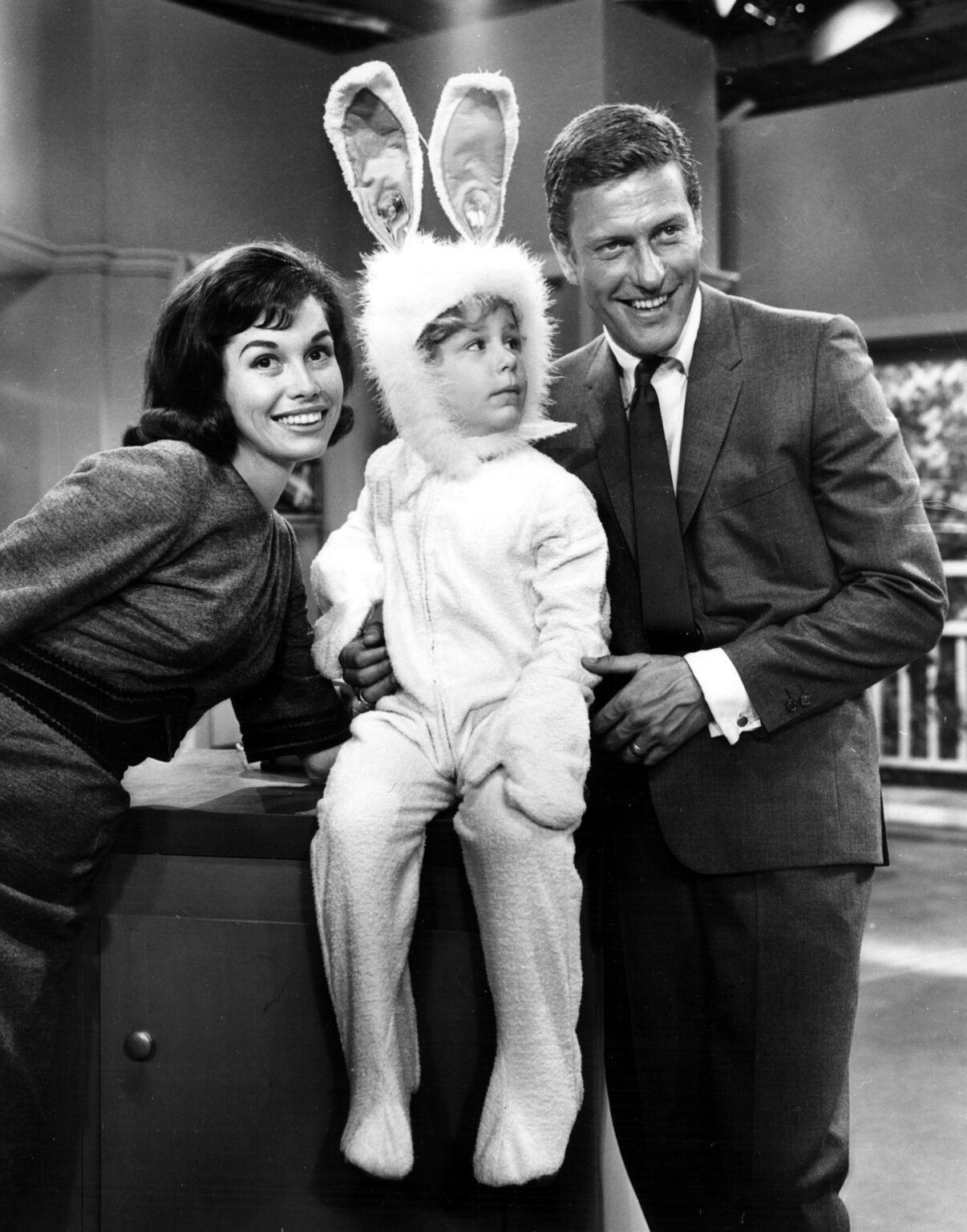
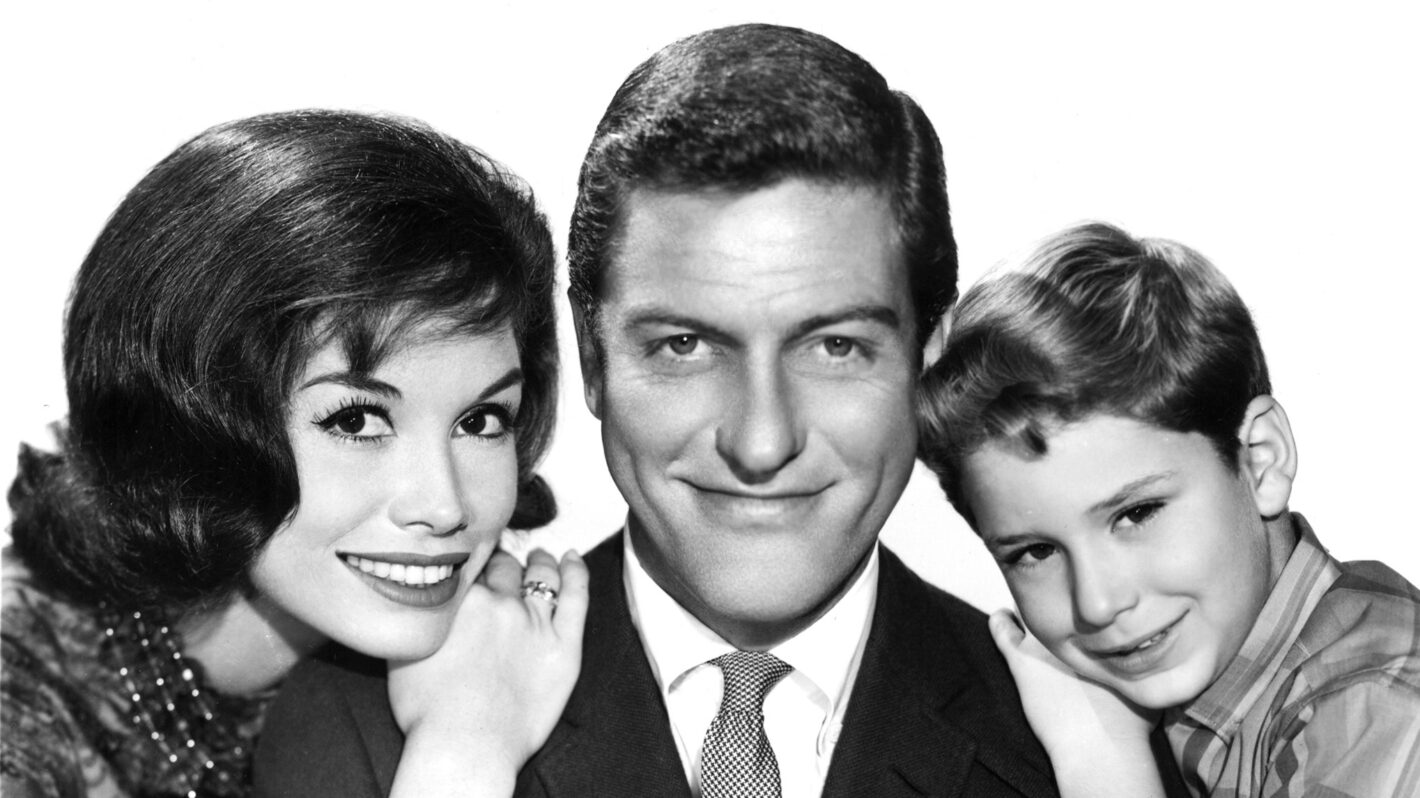
The importance of The Dick Van Dyke Show in Bernie Kopell’s career cannot be overstated. Appearing in multiple roles across several episodes, most notably as Dr. Nicolae, Alan Brady’s physician, Kopell was granted entry into the "inner circle" of 1960s television royalty.
Working under the tutelage of Carl Reiner, Kopell learned the intricacies of ensemble comedy. The show was a laboratory for comedic structure, emphasizing the "straight man" just as much as the lead clown. Kopell’s appearances showcased his ability to play intellectual, slightly eccentric professionals—a niche he would inhabit for much of his career.
His time on the show served as a professional calling card. It demonstrated to the industry that he could handle the pressure of a top-rated production while contributing to the specific, high-brow wit that the series was known for. This period was less about fame and more about establishing credibility. For Kopell, The Dick Van Dyke Show was the ultimate graduate school for television acting, proving he could navigate the transition from a "working actor" to a "featured performer."
Becoming the Antagonist: The Get Smart Years
Following his success in guest spots, Kopell landed one of his most recognizable and beloved roles: Siegfried, the lead villain of KAOS in the spy-spoof series Get Smart. Playing opposite Don Adams’ Maxwell Smart, Kopell’s Siegfried was a comedic masterpiece of villainy.
As the "Vice President of Public Relations and Terror" for KAOS, Kopell utilized a thick, exaggerated German accent that became iconic. His chemistry with his henchman, Shtarker (played by King Moody), provided some of the show’s most enduring moments. The role allowed Kopell to showcase a different side of his talent—physical comedy and the ability to play a "lovable" villain.
Siegfried was a critical turning point because it moved Kopell away from being an anonymous face in the crowd. He was now a recognizable character with catchphrases and a distinct comedic brand. The success of Get Smart ensured that Kopell would remain in high demand throughout the late 1960s and early 1970s, leading to significant roles in other classics like That Girl, where he played Jerry Bauman, the best friend of Donald Hollinger.
The Love Boat and Global Superstardom
In 1977, Bernie Kopell began the role that would define his legacy: Dr. Adam "Doc" Bricker on The Love Boat. While he had been a successful actor for nearly two decades, this series catapulted him into the realm of a true Hollywood icon.
As the resident physician on the MS Pacific Princess, "Doc" was the show's charming, somewhat lecherous, yet deeply empathetic heart. The Love Boat was a cultural phenomenon, unique for its blend of situational comedy, romance, and a revolving door of legendary Hollywood guest stars. Kopell was one of only a handful of actors to appear in every single episode of the series’ nine-season run, as well as several subsequent TV movies.
The role of Doc Bricker required a specific type of stamina. Because the show featured three separate storylines per episode, the main cast had to serve as the connective tissue for a massive variety of guest actors, ranging from film legends like Bette Davis to rising stars like Tom Hanks. Kopell’s professionalism and ease on camera made him the perfect "anchor" for these rotating narratives.
During this era, Kopell became a global ambassador for American television. The Love Boat was syndicated in dozens of countries, making Doc Bricker one of the most recognizable faces on the planet. This wasn't just a job; it was a decade-long residency in the living rooms of millions.
Key Career Milestones and Roles
To understand the breadth of Bernie Kopell's journey, it is helpful to look at the specific roles that marked his transition from a guest actor to a permanent fixture in entertainment history.
| Era | Production | Role | Significance |
|---|---|---|---|
| Early 1960s | The Dick Van Dyke Show | Various (Dr. Nicolae) | Established his reputation for professional comedic timing in high-tier productions. |
| Mid 1960s | Get Smart | Conrad Siegfried | Proved his ability to create an iconic, recurring character with a distinct voice. |
| Late 1960s | That Girl | Jerry Bauman | Cemented his status as a quintessential "best friend" and supporting lead in the sitcom genre. |
| 1970s-1980s | The Love Boat | Dr. Adam "Doc" Bricker | Achieved global fame and became an inextricable part of television history. |
| 2010s-2020s | B Positive / Silicon Valley | Various Guest Roles | Demonstrated his longevity and ability to appeal to modern, younger audiences. |
The Enduring Legacy of an Icon in 2026
As of 2026, Bernie Kopell remains a symbol of the "Golden Age" of television’s transition into the modern era. His career is a testament to the power of the character actor—someone who may not always be the top-billed star but whose presence is essential to the success of the project.
Kopell’s longevity is a rarity in Hollywood. Even in his late 80s and early 90s, he continued to take on guest roles, appearing in shows that catered to entirely new generations. His willingness to parody his own "Doc" persona or his "Siegfried" villainy shows a lack of ego and a deep love for the craft of entertaining.
Beyond the screen, Kopell is often celebrated for his contribution to celebrity sports, particularly tennis. For decades, he was a fixture at charity tournaments, using his "Love Boat" fame to raise money for various causes. In the industry, he is regarded as a consummate professional—a "gentleman actor" who arrived on set prepared, stayed within budget, and treated every crew member with respect. This reputation is a significant part of why he is considered an icon today; he represents a standard of professionalism that modern actors strive to emulate.
Bernie Kopell’s Influence on Modern Comedy
Modern comedy actors often cite the performers of the 60s and 70s as their primary influences, and Kopell is a frequent name on that list. His ability to deliver a line with a straight face while the world around him was in chaos is a technique found in many contemporary "cringe" and "deadpan" comedies.
His career also highlights the importance of the "ensemble spirit." In an era where many actors sought to be the sole star, Kopell excelled by making everyone around him better. Whether he was playing off Don Adams, Marlo Thomas, or Gavin MacLeod, he understood that the chemistry of the group was more important than the individual spotlight. This philosophy has become a cornerstone of modern television production, where ensemble casts are the standard for long-running success.
Frequently Asked Questions
What was Bernie Kopell’s first major role?
While he had many small parts, his role as Jerry Bauman on That Girl (1966–1971) was his first long-term, prominent role in a major network sitcom. This followed his successful recurring appearances on The Dick Van Dyke Show and Get Smart.
Is Bernie Kopell still acting in 2026?
Yes, Bernie Kopell has maintained an active presence in the industry well into his senior years. In the 2020s, he has appeared in several guest spots on popular sitcoms and participated in nostalgic specials, continuing to showcase the sharp comedic timing that made him a star.
How many episodes of The Love Boat was Bernie Kopell in?
Bernie Kopell appeared in all 250 episodes of the original series run from 1977 to 1986. He is one of the very few cast members to have a perfect attendance record for the show's duration, including the pilot films and specials.
Did Bernie Kopell write for the shows he starred in?
While primarily known as an actor, Kopell did contribute to the writing of several episodes of The Love Boat. His deep understanding of his character, Doc Bricker, allowed him to provide input on dialogue and plot points that helped keep the character fresh over nine seasons.
Why is he considered a "Hollywood Icon"?
He is considered an icon because he represents the bridge between the classic era of 1960s sitcoms and the blockbuster television era of the 1980s. His consistent presence on top-rated shows for over 60 years has made him one of the most recognizable and enduring figures in the history of the medium.
Exploring the Bernie Kopell Catalog
For those looking to appreciate the full scope of Bernie Kopell’s talent, the best course of action is a chronological viewing of his most impactful work. Starting with his guest appearances on The Dick Van Dyke Show allows viewers to see the raw talent of a young character actor. Moving into Get Smart reveals his range as a comedic character creator, while a deep dive into The Love Boat showcases the charismatic leading man he eventually became.
In 2026, many of these series are available on major streaming platforms and through classic television archives. Watching Kopell's evolution is not just a lesson in acting; it is a journey through the history of American television itself. His career serves as a reminder that with versatility, discipline, and a bit of "Love Boat" charm, a character actor can indeed become a lasting Hollywood icon.