An actor arrest refers to the legal detention of a professional performer, an event that triggers an immediate and complex intersection of criminal law, contractual obligations, and crisis management. In 2026, the repercussions of such an incident extend far beyond the courtroom, impacting production schedules, cast insurance policies, and the viability of "morality clauses" that determine whether a talent remains employed or face immediate contract termination.
The Immediate Legal Timeline Following an Actor Arrest
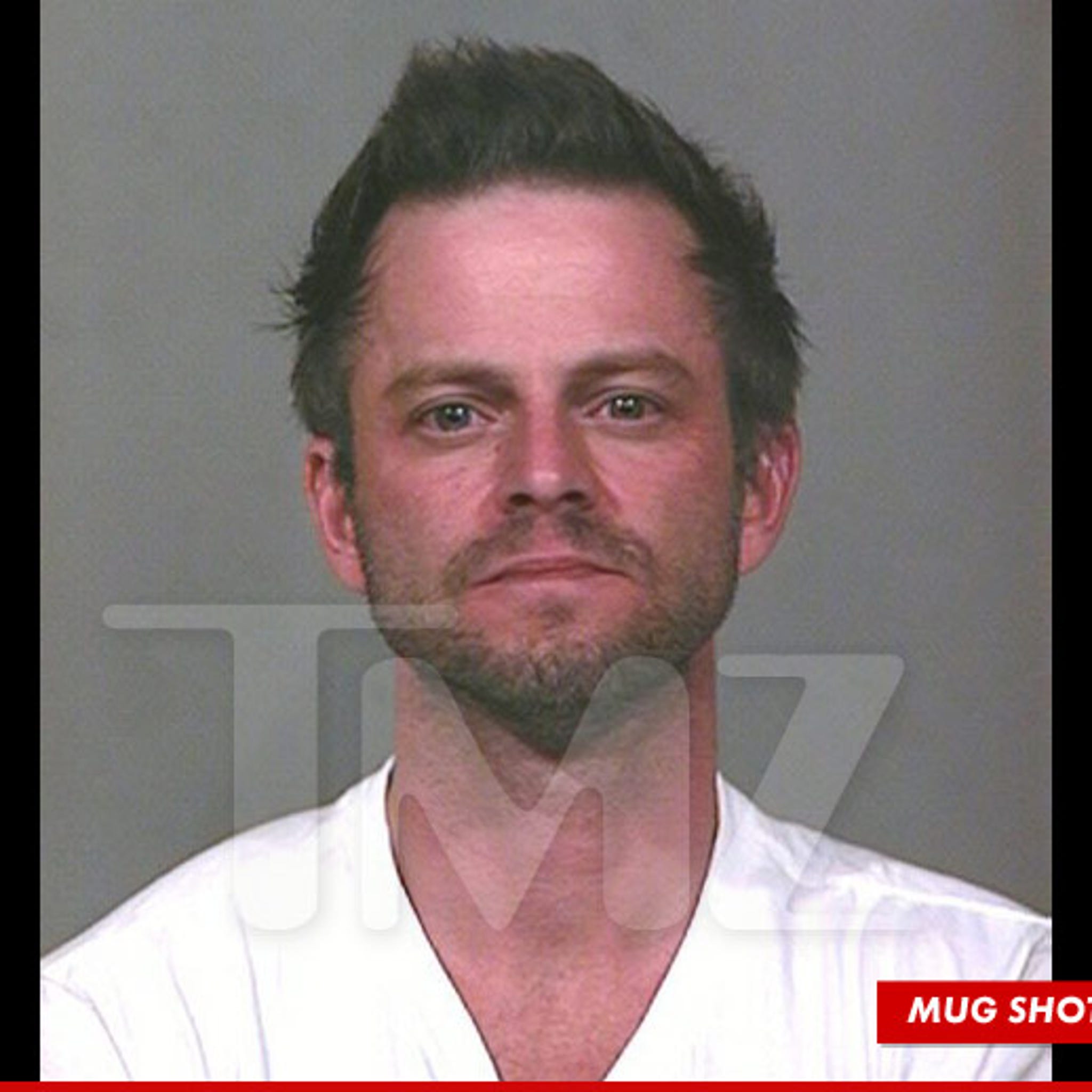
When an actor is arrested, the legal process mirrors standard criminal procedures but is often accelerated or intensified by the high-profile nature of the individual. The process typically begins with the "booking" phase at a local precinct or county jail. During this time, the actor’s personal information is recorded, fingerprints are taken, and photographs (mugshots) are captured. In 2026, these records are digitized almost instantly, often appearing in public databases or specialized media outlets within minutes of the entry.
Following the booking, the determination of bail or "own recognizance" (OR) release becomes the primary focus. For misdemeanors, such as minor public intoxication or certain traffic violations, an actor may be released shortly after processing. However, for felony charges—including aggravated assault, drug trafficking, or domestic violence—a formal arraignment is required. During the arraignment, the court formally reads the charges, and a judge sets bail based on the severity of the alleged crime and the actor’s flight risk.
Legal representation for high-profile talent in 2026 involves more than just a criminal defense attorney. It often requires a coordinated effort between defense counsel, a talent agent, and a dedicated publicist. The goal in these early hours is not only to secure a release but to prevent the "media vacuum" from being filled with unverified speculation. In jurisdictions like Los Angeles or New York, specialized legal teams are often on standby to handle the unique logistical challenges of celebrity detention, including managing privacy concerns and coordinating with sheriff departments to ensure safety while in custody.
Morality Clauses: The Contractual Pivot Point
In the entertainment industry of 2026, the "Morality Clause" is the most significant tool used by studios, streaming platforms, and talent agencies to mitigate risk. Historically, these clauses were broad and somewhat vague, but modern contracts have become highly specific regarding what constitutes a breach. An actor arrest often serves as a "prima facie" trigger for these clauses, allowing a production company to suspend or terminate a contract without the standard "pay-or-play" protections.
A morality clause typically stipulates that if an actor engages in conduct that results in "public disrepute, contempt, scandal, or ridicule," the employer has the right to take punitive action. In the context of an arrest, the studio does not necessarily have to wait for a conviction to invoke these rights. The mere existence of a criminal charge and the resulting negative publicity may be sufficient to justify a "for cause" termination. This is particularly true if the arrest conflicts with the brand values of the project’s sponsors or the demographic of the target audience.
The nuances of these clauses are often negotiated heavily before a project begins. Top-tier talent may have "cure periods" or requirements for a "finding of fact" before a contract can be voided. However, for most performers, an arrest—especially one involving violent crimes or hate speech—can lead to the immediate cessation of salary payments and the removal of the actor from current and future promotional materials. In 2026, many contracts also include "social media remediation" requirements, forcing the actor to hand over account access or delete specific content as part of the fallout management.
Financial and Production Impacts: Cast Insurance and Bonds
The arrest of a lead actor can bring a multi-million dollar production to a grinding halt. When an actor is unable to perform due to incarceration or legal restrictions (such as a revoked passport preventing international filming), the financial burden is immense. This is where "Cast Insurance" and completion bonds become essential. Cast insurance is a specialized policy that protects a production against the death, injury, or, in specific circumstances, the unavailability of a key cast member.
However, many insurance providers in 2026 have tightened the language regarding "illegal acts." If an actor’s unavailability is the direct result of a voluntary criminal act, the insurance company may deny the claim, leaving the production company to absorb the losses. If the claim is accepted, the insurance may cover the costs of:
- Rescheduling: The logistical expenses of shifting scenes to a later date.
- Recasting: The costs associated with hiring a replacement and re-shooting existing footage.
- Script Rewrites: Paying writers to eliminate the character or diminish their role if they cannot return.
- Holding Fees: Payments to other cast and crew members to keep them available during the delay.
The following table outlines the typical industry responses based on the severity of the charges associated with an actor arrest:
| Charge Severity | Common Contractual Action | Impact on Production | Insurance Eligibility |
|---|---|---|---|
| Minor Misdemeanor (e.g., DUI First Offense) | Mandatory Rehab/Counseling | Short delay (1-5 days) | Low (usually out-of-pocket) |
| Non-Violent Felony (e.g., Financial Fraud) | Contract Suspension | Indefinite delay or Recasting | Partial (subject to "Illegal Acts" clause) |
| Violent Felony (e.g., Assault) | Immediate Termination | Total Recasting/Re-shoots | High likelihood of Denial |
| Public Order Offense (e.g., Protest-related) | Letter of Reprimand | Negligible | Not Applicable |
Public Relations and Crisis Management Strategies
In 2026, the speed of information necessitates a "digital-first" crisis management strategy following an actor arrest. The public's reaction is often polarized, and the actor’s PR team must navigate the "court of public opinion" simultaneously with the legal court. The first 24 hours are critical for establishing a narrative. Standard strategies often involve a brief, formal statement acknowledging the incident while emphasizing the "presumption of innocence" and a request for privacy.
Professional crisis managers now use AI-driven sentiment analysis to track how the arrest is impacting the actor's "brand equity" in real-time. If the data shows a catastrophic drop in favorability, the strategy may shift from "denial or silence" to "accountability and rehabilitation." This often includes an immediate announcement of the actor entering a treatment facility or taking a voluntary hiatus from public life.
Furthermore, the impact on "residuals" and back-end participation must be managed. If an arrest leads to a "cancel culture" movement against a specific show or film, the actor’s long-term earnings are directly threatened. Publicists work with streaming platforms to ensure that content isn't purged entirely, which would harm not only the arrested actor but the entire cast and crew who rely on those residual payments.
Verifying Information: Accessing Public Records and Police Reports
For researchers, journalists, and industry professionals, verifying the details of an actor arrest is essential to avoid defamation or misinformation. Most arrests are matters of public record, though the ease of access varies significantly by jurisdiction. In the United States, several official channels can be used to confirm an arrest and view the specific charges filed.
The most reliable source is the official website of the arresting agency. For example, the Los Angeles County Sheriff's Department (LASD) and the New York Police Department (NYPD) maintain online inmate search tools. These portals allow users to search by name and date of birth to find booking numbers, bail amounts, and scheduled court dates. For federal offenses, the Public Access to Court Electronic Records (PACER) system provides a comprehensive database of federal criminal cases, though it requires a registered account and may involve small fees per page.
It is important to distinguish between a "police report" (the officer's initial account) and "formal charges" (the prosecutor's decision on what to pursue). Often, an actor is arrested on one suspicion, but the District Attorney may later reduce or drop those charges based on the evidence. Relying solely on a mugshot or an initial arrest record without following the case through the "court docket" can lead to an incomplete or inaccurate understanding of the legal situation.
Frequently Asked Questions
Can an actor be fired immediately after being arrested?
Yes, most entertainment contracts in 2026 contain "morality clauses" or "force majeure" adaptations that allow for termination if an actor’s conduct brings public disrepute to the project. While the "presumption of innocence" applies in criminal court, it does not apply to private employment contracts. If the arrest causes a significant PR scandal or prevents the actor from fulfilling their work duties, the studio generally has the legal right to sever ties immediately.
What happens to a movie if the lead actor is in jail?
The production typically enters a "holding pattern" while the producers and insurance adjusters evaluate the situation. If the actor is expected to be released quickly, the schedule may be rearranged to shoot scenes around them. If the incarceration is long-term, the production may choose to recast the role, use digital doubles for unfinished scenes (subject to strict 2026 AI-usage laws), or file a claim with their cast insurance to recover the costs of shutting down the project.
Do actors get "celebrity treatment" in jail?
While high-profile individuals may be placed in "protective custody" or "administrative segregation" to ensure their physical safety from other inmates, they are still subject to the standard rules of the correctional facility. This includes limitations on communication, standard jail attire, and the same dietary provisions as the general population. The "celebrity treatment" is usually a logistical necessity for the jail to maintain order rather than a perk for the actor.
Does an arrest record affect an actor's ability to work internationally?
Yes, an arrest record—specifically one involving drug offenses or felonies—can significantly complicate an actor’s ability to obtain work visas for filming in foreign countries. Nations like Canada, the UK, and Japan have strict entry requirements regarding criminal history. If an actor cannot travel to a filming location, they are effectively "unhireable" for that specific project, which can lead to a breach of contract and the loss of the role.
How do residuals work if an actor is arrested and their show is pulled?
Residuals are tied to the "broadcast or streaming" of the content. If a platform decides to remove a show from its library due to an actor's arrest and subsequent scandal (a process often called "scrubbing"), the residuals for all cast members effectively stop. However, SAG-AFTRA and other guilds have established protections to prevent "bad actor" clauses from unfairly penalizing other performers. If the show remains available but viewership drops, the residuals will decrease naturally based on the lower performance metrics.
Professional Guidance for Impacted Stakeholders
For those managing the fallout of an actor arrest—whether as an agent, producer, or legal representative—the priority must be on transparency and procedural compliance. Producers should immediately consult their cast insurance policy and legal counsel to determine the exact thresholds for "for cause" termination. Documentation is key; every day of production delay must be logged with its associated costs to support future insurance claims or legal disputes.
Performers should prioritize securing a legal team that understands both the criminal implications and the nuances of SAG-AFTRA contract law. In 2026, the intersection of legal defense and "brand rehabilitation" is inseparable. Actors should avoid making any public statements on social media until their counsel has reviewed the potential impact on both their criminal case and their standing with the studio. The most successful recoveries from an arrest involve a clear period of accountability, followed by a structured return to the industry that respects the gravity of the legal incident.