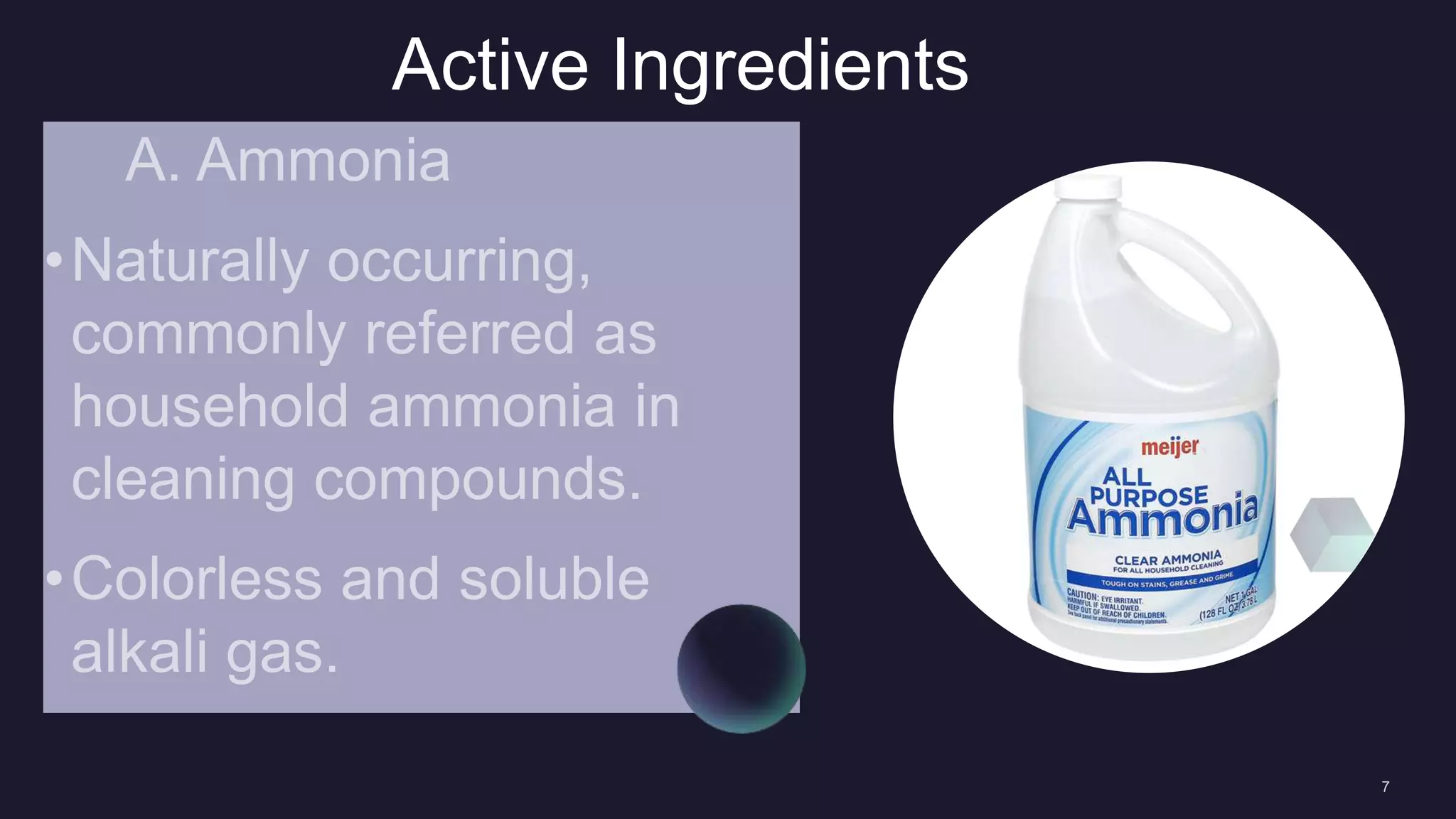
An active ingredient is the specific chemical or biological component in a product that is responsible for achieving its intended effect, whether that is curing a disease, reducing a wrinkle, or killing a pest. While the bulk of a product consists of inactive "excipients" or "carriers," the active ingredient is the functional core that interacts directly with a biological target.
The concept of an active ingredient—often referred to in the pharmaceutical industry as an Active Pharmaceutical Ingredient (API)—is the foundation of modern pharmacology and consumer chemistry. Whether you are looking at a bottle of ibuprofen, a tube of retinol serum, or a household disinfectant, the efficacy of the product depends entirely on the identity, concentration, and stability of its active components. Understanding these substances is critical for ensuring safety, managing expectations for results, and avoiding dangerous interactions between different products.
The Role of Active Pharmaceutical Ingredients (APIs)
In medicine, the active pharmaceutical ingredient is the part of the drug that produces the required biological effect. For example, in an aspirin tablet, the API is acetylsalicylic acid. The rest of the tablet consists of binders, fillers, and coatings that ensure the pill stays together and dissolves at the right time in the digestive tract.
Mechanism of Action
The "mechanism of action" describes how an active ingredient interacts with the body. Most APIs work by binding to specific receptors on the surface of cells or by inhibiting specific enzymes. For instance, in 2026, many advanced oncology treatments use active ingredients designed to "flag" cancer cells for the immune system, a highly specific mechanism compared to older, broader chemotherapy agents.
Bioavailability and Potency
The effectiveness of an API is not just about its presence but its bioavailability—the proportion of the substance that enters the circulation and is able to have an active effect. Factors such as the molecular size of the active ingredient and its solubility play a massive role. Drug manufacturers spend years researching delivery systems to ensure that the active ingredient survives the acidic environment of the stomach or penetrates the blood-brain barrier if necessary.
Regulatory Oversight and Quality Control
The production of active ingredients is strictly regulated by bodies like the U.S. Food and Drug Administration (FDA) and the European Medicines Agency (EMA). These agencies require manufacturers to prove that the active ingredient is pure, stable, and consistently dosed. Any variation in the synthesis of an API can lead to a product that is either toxic or ineffective, which is why "Good Manufacturing Practices" (GMP) are legally mandated for any facility producing these compounds.
Active Ingredients in Skincare and Cosmeceuticals
In the beauty and personal care industry, active ingredients are those compounds scientifically proven to modify the skin's structure or function. Unlike standard moisturizers that simply hydrate the surface, "active" skincare products—often called cosmeceuticals—contain ingredients that can penetrate the stratum corneum to affect cellular behavior.
Popular Actives and Their Functions
- Retinoids (Vitamin A): Widely considered the gold standard in anti-aging, retinoids work by increasing cell turnover and stimulating collagen production.
- L-Ascorbic Acid (Vitamin C): A potent antioxidant that neutralizes free radicals caused by UV exposure and inhibits melanin production to brighten the skin.
- Alpha and Beta Hydroxy Acids (AHAs/BHAs): These are chemical exfoliants. Salicylic acid (a BHA) is oil-soluble, making it an active ingredient specifically targeted at clearing pores in acne-prone skin.
- Hyaluronic Acid: Though often marketed as an active, its primary role is as a humectant. In medical-grade formulations, specific molecular weights of hyaluronic acid are used as actives to facilitate deep-tissue hydration.
Concentration and "Labeling Logic"
A common mistake consumers make is assuming that more is always better. The efficacy of an active ingredient in skincare is often tied to a "therapeutic window." For example, a 10% concentration of niacinamide may be effective for oil control, but increasing it to 20% might cause irritation without providing additional benefits. Furthermore, the pH of the final formulation can "activate" or "deactivate" the ingredient; Vitamin C, for instance, requires a low pH (usually under 3.5) to remain stable and penetrate the skin effectively.
The Essential Role of Inactive Ingredients
It is a misconception that inactive ingredients are "fillers" with no purpose. In chemistry, these are known as excipients, and they are vital to the performance of the active ingredient. Without them, most active ingredients would be unusable, unstable, or even dangerous.
Stability and Preservation
Many active ingredients are chemically "volatile." They may oxidize when exposed to air (like Vitamin C) or degrade in sunlight (like Retinol). Inactive ingredients such as antioxidants (tocopherol) and opaque packaging are used to protect the active ingredient’s integrity. Preservatives like phenoxyethanol prevent the growth of bacteria, which is crucial since many active formulations are water-based.
Delivery Systems
Inactive ingredients often act as "vehicles." In transdermal patches or topical creams, specific surfactants are used to temporarily disrupt the skin barrier, allowing the active ingredient to pass through. In oral medications, enteric coatings (an inactive layer) protect the active ingredient from being destroyed by stomach acid, ensuring it reaches the small intestine for absorption.
Comparing Common Active Ingredients Across Industries
The following table illustrates how active ingredients are categorized and utilized across different sectors as of 2026.
| Category | Common Active Ingredient | Primary Function | Common Delivery Form |
|---|---|---|---|
| Analgesic | Ibuprofen | Reduces inflammation and pain | Tablet, Liquid Gel |
| Antihistamine | Cetirizine | Blocks H1 receptors to stop allergy symptoms | Oral Tablet |
| Skincare | Tretinoin | Promotes cell turnover; treats acne/photoaging | Topical Cream/Gel |
| Hygiene | Benzalkonium Chloride | Antimicrobial/Disinfectant | Hand Sanitizer, Surface Spray |
| Herbicides | Glyphosate | Inhibits plant growth enzymes | Concentrated Liquid |
| Sunscreen | Zinc Oxide | Reflects and scatters UV radiation | Mineral Lotion |
Risks, Interactions, and Safety Considerations
Using products with active ingredients requires a level of caution, as these substances are designed to cause biological changes. The most significant risks involve "stacking" actives or using incompatible substances simultaneously.
Counter-Productive Combinations
In skincare, using a strong AHA (like Glycolic Acid) at the same time as a Retinoid can severely compromise the skin barrier, leading to chemical burns or long-term sensitivity. In medicine, the stakes are even higher. The active ingredient in a common decongestant might interact dangerously with the active ingredient in a prescription antidepressant, leading to a spike in blood pressure.
The Importance of the "Active Ingredient" Label
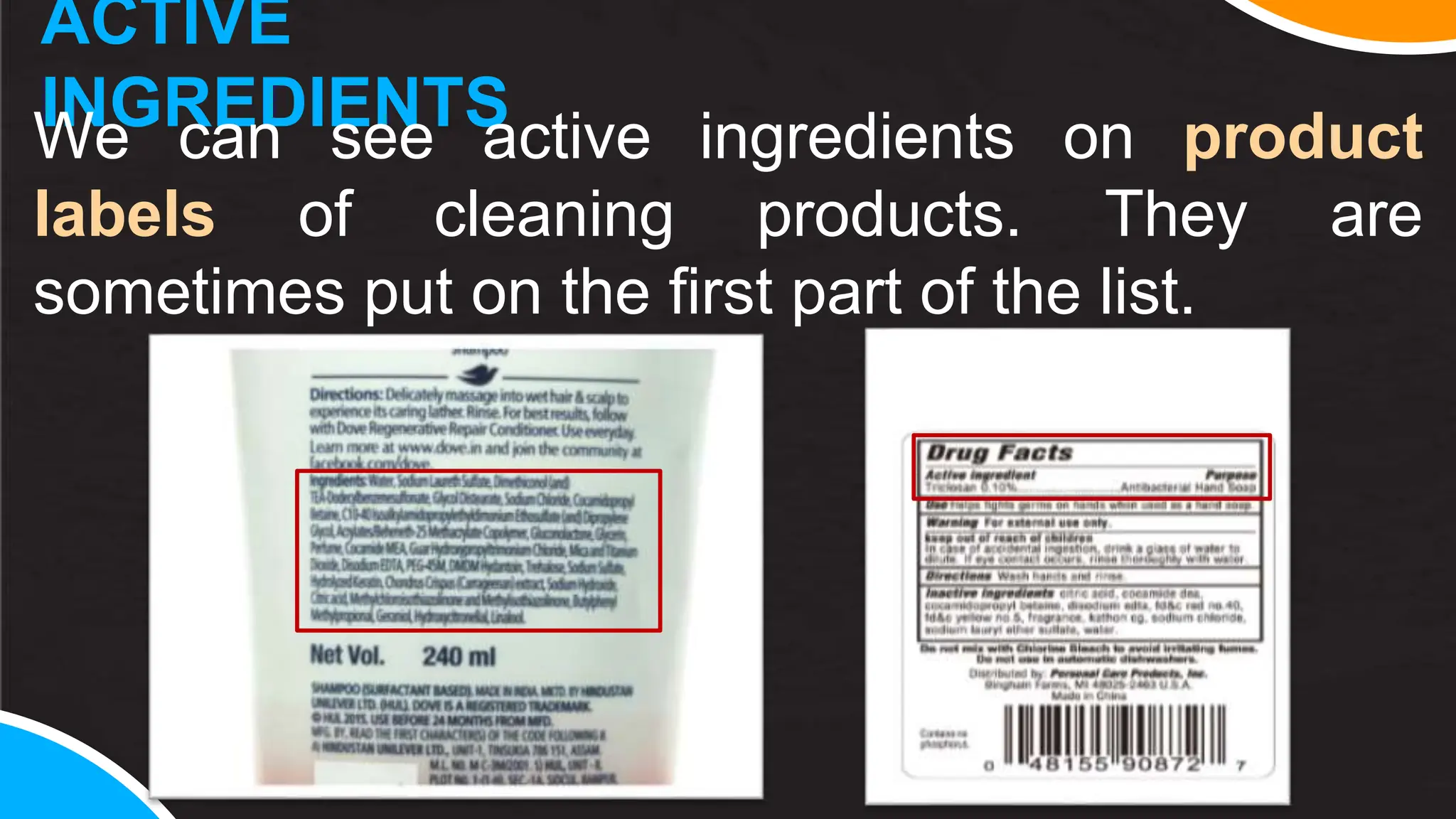
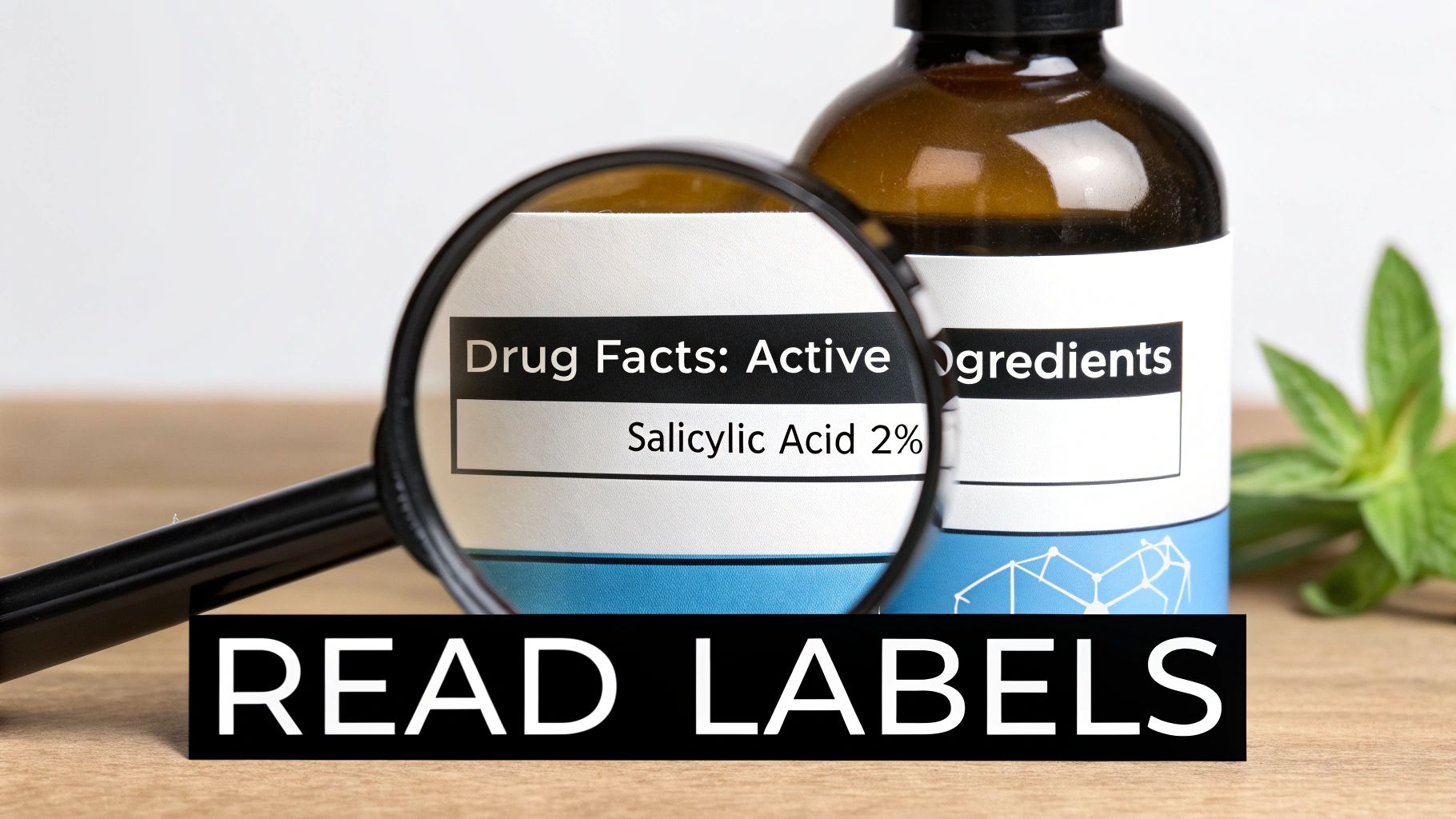
In many jurisdictions, manufacturers are legally required to list active ingredients separately from inactive ones. This is common on "Drug Facts" labels on over-the-counter (OTC) products. Readers should always check these labels to ensure they are not accidentally taking two different products with the same active ingredient (such as taking both Tylenol and a "Multi-Symptom Cold" medicine that both contain Acetaminophen), which can lead to accidental overdose.
How to Evaluate Product Efficacy in 2026
With the rise of "clean beauty" and personalized medicine in 2026, consumers are often bombarded with marketing claims. To truly evaluate a product, one must look past the branding and focus on the scientific data regarding the active ingredient.
- Check the Concentration: Is the active ingredient listed at a percentage known to be effective in clinical trials?
- Look for Synergy: Some actives work better together. For example, Ferulic acid is often added to Vitamin C to double its photoprotective qualities.
- Investigate the Source: For pharmaceuticals, verify if the API is produced in a facility that meets current regulatory standards.
- Note the Expiration Date: Active ingredients have a shelf life. Once an active ingredient begins to degrade (oxidize), it can become ineffective or even irritating.
Professional Guidance
For medical concerns, consulting a pharmacist or physician is essential, as they have access to the Pharmacopeia, a comprehensive index of active ingredients and their known side effects. For skin concerns, a dermatologist can help determine which actives are appropriate for a specific skin type, preventing the "trial and error" approach that often leads to irritation.
Frequently Asked Questions
What is the difference between an active ingredient and a functional ingredient?
An active ingredient is legally defined by its ability to treat, prevent, or cure a condition or change the structure of the body. A functional ingredient is a term often used in marketing to describe components that improve the "feel" or "performance" of a product (like a thickener in a shampoo) without necessarily being the primary therapeutic agent.
Can an active ingredient be natural?
Yes. Many modern active ingredients are derived from natural sources. For example, Salicylic acid originally came from willow bark, and Digoxin (a heart medication) comes from the foxglove plant. However, once isolated and used in a product, they are still considered active ingredients and are subject to the same potency and safety regulations as synthetic chemicals.
Why are some active ingredients prescription-only?
The "prescription-only" status is usually based on the potency of the active ingredient and the risk of side effects. If an active ingredient requires professional monitoring (like blood tests or specific dosing adjustments) to be used safely, it remains restricted to prescription use to protect the patient.
Do active ingredients lose their potency over time?
Most active ingredients are subject to degradation. Heat, light, and air exposure can break down the chemical bonds of the ingredient. This is why many medications and skincare products have specific storage requirements (e.g., "store in a cool, dry place") and clear expiration dates. Using a product past its expiration date usually means the active ingredient is no longer at the strength listed on the label.
How do I know if an active ingredient is working?
The timeline for results varies by the type of ingredient. For an analgesic like Ibuprofen, the active ingredient works within 30 to 60 minutes. For a skincare active like Retinol, it may take 12 to 24 weeks of consistent use to see a visible change in skin texture, as it relies on the natural cycle of skin cell regeneration.
Identifying and Managing Your Actives
To manage your health and skincare effectively, maintain a list of the active ingredients in the products you use daily. This "Active Audit" allows you to quickly identify potential overlaps or conflicts when adding a new product to your regimen. Always prioritize products that disclose their active concentrations clearly, and when in doubt, refer to official medical databases or consult a qualified professional to ensure your approach is both safe and effective.