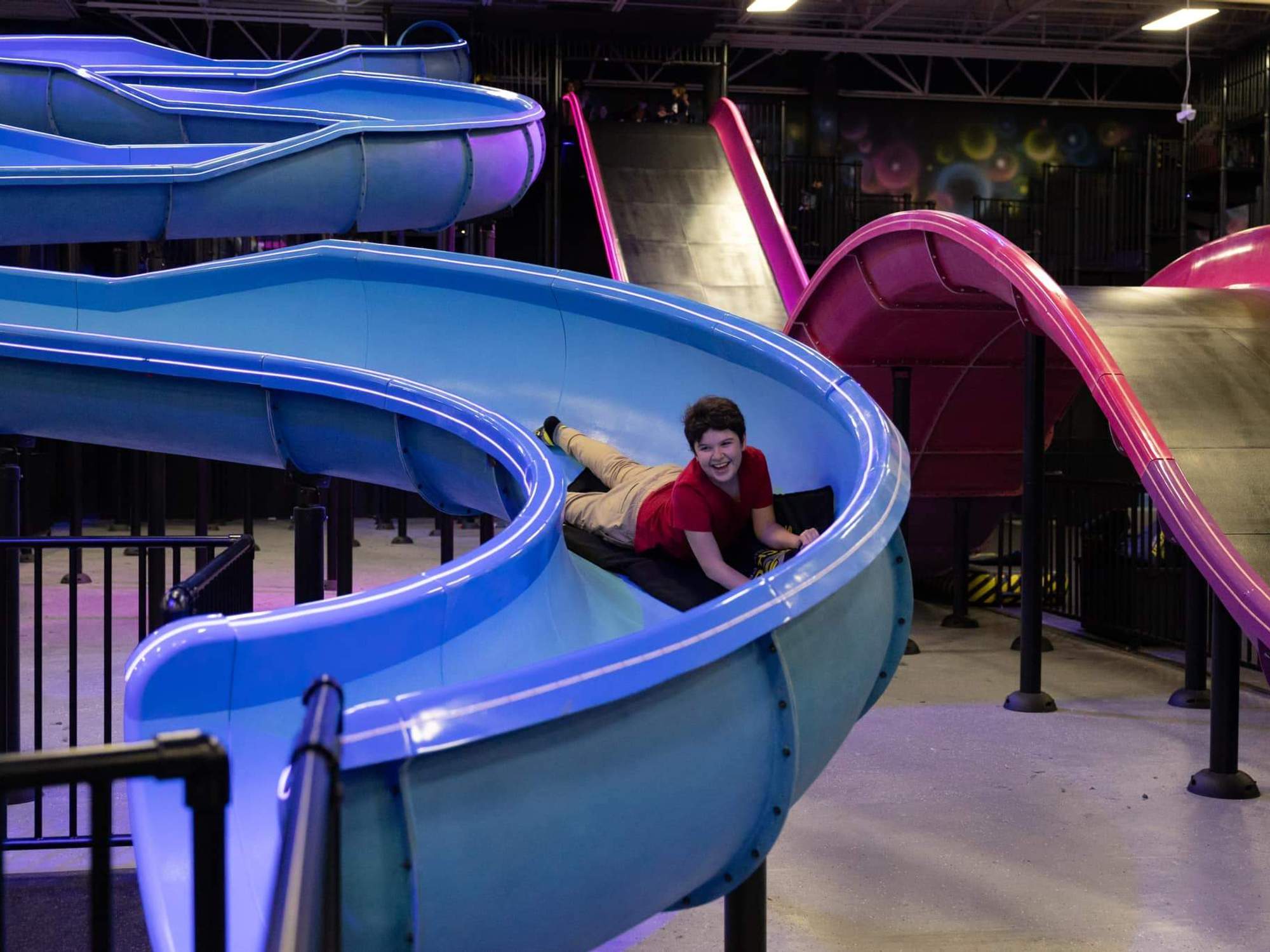
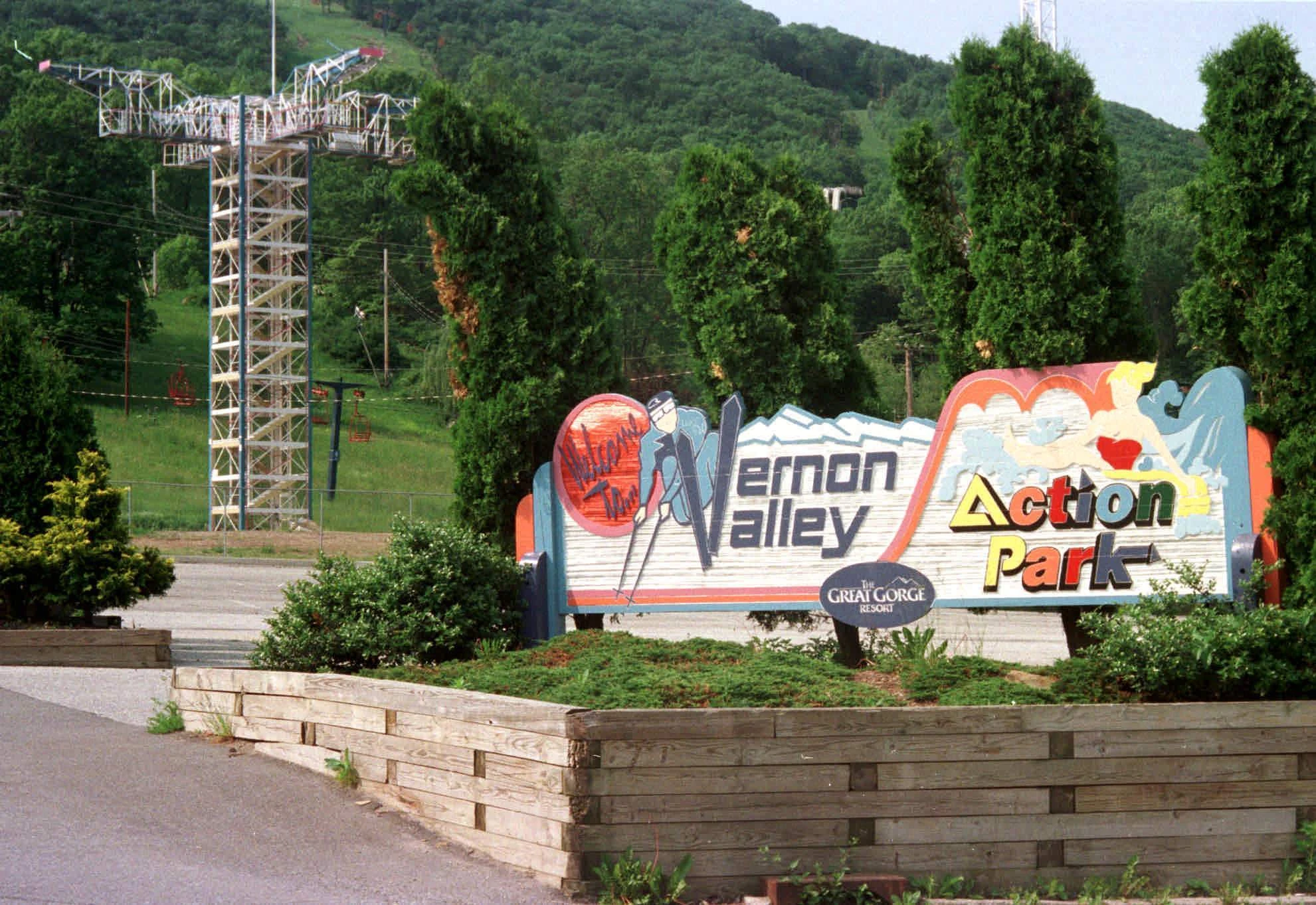
Action Park was a revolutionary but notoriously dangerous amusement park in Vernon, New Jersey, that operated from 1978 to 1996. Known for its lack of safety regulations and high injury rates, the site now operates as the modern, safety-conscious Mountain Creek Waterpark. Understanding its history requires examining its unique engineering, regulatory failures, and eventual legal collapse.
The Visionary and the "Wild West" of Recreation
Action Park was the brainchild of Eugene "Gene" Mulvihill, a former Wall Street financier and the head of Great American Recreation (GAR). When GAR acquired the Vernon Valley and Great Gorge ski areas, Mulvihill sought a way to generate revenue during the summer months. His solution was to create a park where guests had total control over their own experience—a philosophy that fundamentally clashed with modern concepts of mechanical safety and risk management.
Opening in 1978, the park was divided into three primary sections: the Alpine Center, Motor World, and Waterworld. Unlike Disney or Six Flags, where rides followed a predetermined, automated path, Action Park’s attractions often required the rider to steer, brake, or balance. This "personal responsibility" model meant that the safety of the guest was largely dependent on their own physical ability and judgment, which was frequently impaired by the park’s liberal policies regarding alcohol sales and its predominantly teenage staff.
By the mid-1980s, the park had earned nicknames like "Traction Park," "Accident Park," and "Friar Tuck’s Hospital" due to the constant stream of ambulances transporting injured guests to nearby facilities. The lack of standardized oversight in the early years of the New Jersey Department of Community Affairs allowed the park to operate with designs that would be deemed impossible to permit by 2026 standards.
The Engineering Failures of Iconic Attractions
The notoriety of Action Park was built on several key attractions that pushed the boundaries of physics and common sense. These rides were often designed by in-house employees rather than professional engineers, leading to unpredictable and often violent results for participants.
The Alpine Slide: The "Skin Remover"
The Alpine Slide was a 2,700-foot track made of concrete, fiberglass, and asbestos. Guests rode small carts equipped with a single handbrake. The design flaw was twofold: the carts offered almost no protection, and the handbrakes frequently failed or were ignored by riders seeking high speeds. When a cart jumped the track—a common occurrence—the rider would be ejected onto the abrasive concrete. This resulted in thousands of cases of "road rash" and, in 1980, led to the park's first fatality when a 19-year-old employee’s cart derailed, causing a fatal head injury.
The Cannonball Loop: The Vertical Water Slide
Perhaps the most famous symbol of the park’s audacity was the Cannonball Loop. It was a fully enclosed vertical loop water slide. The physics were fundamentally flawed; riders often lacked the momentum to clear the loop, resulting in them sliding back down and colliding with the next person, or they hit the top of the loop with such force that they suffered back and neck injuries. Legendarily, the ride was tested using sandbags that came out shredded, and later, employees were offered $100 to test it themselves. It remained open for only a few weeks in 1985 before being shuttered by state regulators.
The Tidal Wave Pool: The "Grave Pool"
While wave pools are common in 2026, Action Park’s version was one of the first in the United States and significantly more intense. The pool was roughly 100 feet wide by 250 feet long and could hold up to 1,000 people. The combination of freshwater (which is less buoyant than saltwater), the sheer number of inexperienced swimmers, and the intensity of the waves created a lethal environment. Lifeguards at the "Grave Pool" reportedly performed up to 30 rescues a day, and three of the park's six confirmed deaths occurred here.
Regulatory Evasion and the Insurance Scandal
One of the most significant reasons Action Park was able to operate for nearly two decades despite its safety record was Gene Mulvihill’s approach to legal and financial compliance. In the early 1980s, New Jersey law required amusement parks to carry liability insurance. When premiums became prohibitively expensive due to the high volume of claims, Mulvihill did not improve safety; instead, he created a shell company.
The "London and Cheshire Insurance Company" was a fraudulent entity based in the Cayman Islands that Mulvihill used to self-insure the park. This allowed Action Park to bypass the scrutiny of legitimate insurance adjusters who would have likely demanded the closure of several rides. In 1984, a grand jury indicted Mulvihill and his companies on multiple counts, including the manufacture of false insurance certificates. This legal maneuver delayed the park's financial reckoning but eventually contributed to the bankruptcy of Great American Recreation.
Comparative Analysis: 1980s Action Park vs. Modern Safety Standards
To understand the shift in recreational safety, it is helpful to compare the operational standards of the original park with the industry requirements maintained by the New Jersey Department of Community Affairs and ASTM International in 2026.
| Feature | Action Park (1978–1996) | Modern Waterpark Standard (2026) |
|---|---|---|
| Ride Design | Often built in-house without CAD or scale modeling. | Rigorous computer modeling and third-party engineering review. |
| Staffing | Primarily minors (14–18) with minimal training. | Certified lifeguards (Red Cross/Ellis & Assoc.) with recurring audits. |
| Safety Oversight | Sporadic state inspections; self-insured via shell companies. | Annual state certifications and mandatory private liability insurance. |
| Guest Control | High autonomy; manual braking and steering. | Automated safety systems and passive rider participation. |
| Medical Response | Basic first aid; heavy reliance on local ERs. | On-site EMTs and advanced life support (ALS) protocols. |
The Financial Collapse and the Birth of Mountain Creek
The downfall of Action Park was not caused by a single event but by a mounting pile of debt and legal pressure. By the mid-1990s, Great American Recreation was struggling with more than $30 million in debt. The park’s reputation had shifted from "thrilling" to "negligent," and attendance began to dwindle as families sought safer alternatives.
In 1996, the park closed its doors. The property was subsequently purchased by Intrawest, a Canadian resort developer known for managing high-end ski destinations. Intrawest invested millions into a complete overhaul of the park, removing the most dangerous rides (including the Alpine Slide and the remains of the Cannonball Loop) and rebranding the facility as Mountain Creek Waterpark.
Under the new management, the "Wild West" atmosphere was replaced by a corporate focus on safety, water filtration, and family-friendly attractions. While Mountain Creek still utilizes the natural hillside geography that made the original park unique, its operations are strictly governed by the International Association of Amusement Parks and Attractions (IAAPA) guidelines.
The Cultural Legacy and Modern Retrospectives
Despite—or perhaps because of—its danger, Action Park has achieved a legendary status in American pop culture. This is largely driven by the "Generation X" and "Millennial" cohorts who visited the park and lived to tell the tale. The park has been the subject of multiple books and documentaries, most notably the 2020 film Class Action Park, which detailed the park's history through archival footage and interviews with former employees.
In 2014, Gene Mulvihill’s son, Andy Mulvihill, briefly attempted to capitalize on this nostalgia by rebranding Mountain Creek back to "Action Park." However, the revival was short-lived. The name "Action Park" was too inextricably linked to the injuries and fatalities of the past, and by 2016, the name was reverted to Mountain Creek. The 2014 experiment proved that while the memory of the park is popular, the actual business model of unregulated risk has no place in the modern recreational industry.
Frequently Asked Questions
How many people actually died at Action Park?
There were six confirmed fatalities at Action Park during its original run. These included three drownings in the Tidal Wave Pool, one electrocution on the Kayak Experience, one heart attack (attributed to the shock of cold water) on the Tarzan Swing, and one fatal head injury on the Alpine Slide. Numerous other serious injuries, including broken bones and permanent scarring, were documented but never fully tallied.
Is Action Park still open today?
The original Action Park is closed. The site is now occupied by Mountain Creek Waterpark in Vernon, New Jersey. While some of the physical locations and natural rock formations remain the same, the rides have been entirely replaced or heavily modified to meet modern safety standards.
What was the most dangerous ride at Action Park?
While the Cannonball Loop is the most famous for its design, the Alpine Slide was statistically the most dangerous in terms of the frequency of injuries. The "Grave Pool" (Wave Pool) was the most lethal, accounting for half of the park's total fatalities.
Why was the Cannonball Loop closed so quickly?
The Cannonball Loop was closed because it was fundamentally unsafe for the human body. Riders frequently suffered nosebleeds, bruised ribs, and abrasions from hitting the interior of the tube. State regulators also found that the slide lacked the necessary safety features to ensure riders would consistently clear the loop without sliding back.
What legal changes resulted from Action Park's operation?
Action Park's history contributed to much stricter amusement park regulations in New Jersey and across the United States. It highlighted the need for independent third-party inspections, mandatory insurance from verifiable carriers, and strict age and training requirements for ride operators. The New Jersey Carnival and Amusement Ride Safety Act is now among the most stringent in the nation.
Navigating the Legacy of Action Park
For those researching the history of Action Park in 2026, it serves as a primary case study in the evolution of tort law and recreational engineering. The park represents a vanished era of American life where "buyer beware" applied even to family vacations. For modern visitors to the Vernon area, the best course of action is to enjoy the current facilities at Mountain Creek, which offer the same natural beauty and vertical thrills but with the essential safety infrastructure that the original park famously lacked.
When visiting any modern waterpark, always follow posted height requirements, listen to lifeguard instructions, and utilize provided safety gear such as life jackets for children. The era of Action Park is over, but its history remains a stark reminder of why safety regulations are essential to the public interest.