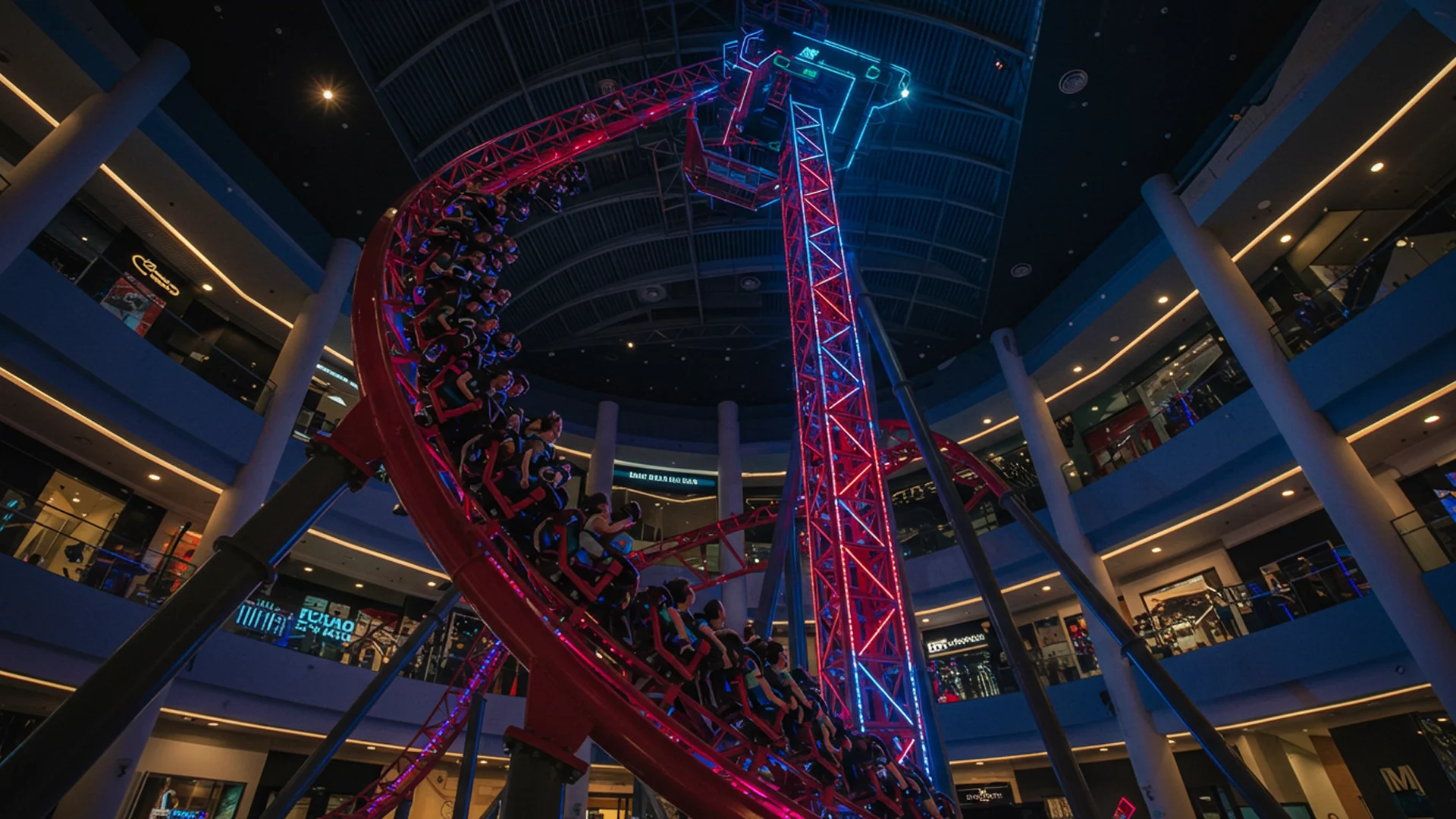
Action-packed movies are cinematic experiences defined by high-stakes physical conflict, rapid-pacing, and elaborate set pieces designed to trigger a visceral response in the audience. As the ultimate "thrill ride," these films combine choreography, sound design, and visual effects to simulate danger and excitement, providing viewers with a safe yet exhilarating adrenaline rush.
The Evolution of the Action Genre: From Practical Stunts to Digital Spectacle
The action genre has undergone a profound transformation since its inception, moving from the simple "chase" films of the silent era to the complex, multi-layered blockbusters of 2026. In the 1980s, the genre was dominated by "larger-than-life" heroes—protagonists characterized by extreme physical prowess, often portrayed by icons like Arnold Schwarzenegger and Sylvester Stallone. These films prioritized raw power and explosive confrontation, establishing the "one-man army" trope that remains a staple of the genre.
By the late 1990s and early 2000s, the influence of Hong Kong cinema and the success of films like The Matrix (1999) introduced a new level of stylized choreography and "wire-fu." This era shifted the focus from brute force to balletic precision. However, as digital effects became more pervasive, a counter-movement emerged in the 2010s. Audiences began to crave "tactile" action, leading to a resurgence in practical stunt work. The John Wick franchise and Mad Max: Fury Road (2015) redefined the modern standard by emphasizing long takes, clear spatial orientation, and real-world physics.
In 2026, the industry has reached a synthesis. Modern action cinema utilizes "Invisible CGI" to enhance safety and scope while maintaining the grounded feel of practical performances. This evolution ensures that the "thrill ride" is not just about the size of the explosion, but the perceived reality of the danger, making the experience more immersive for a generation of viewers accustomed to high-fidelity visual media.
Key Elements That Define a Cinematic Thrill Ride
To be classified as an "ultimate thrill ride," an action movie must balance several technical and narrative elements. It is not enough to simply have explosions; the film must manipulate the viewer’s physiological state through specific cinematic techniques.
Kinetic Cinematography and Pacing
The way a camera moves is vital to the sensation of speed. "Shaky cam," while popular in the mid-2000s for its documentary-like feel, has largely been replaced by "kinetic" cinematography—smooth but fast-moving cameras that follow the action closely without losing the viewer's sense of direction. Pacing is equally critical; a great action movie utilizes a "sawtooth" structure of tension and release. High-intensity sequences are followed by brief moments of narrative development, allowing the audience's heart rate to stabilize before the next peak.
Sound Design and Foley
The auditory experience of an action movie is often what provides the most "impact." The "thud" of a punch, the "whiz" of a bullet, and the roaring engine of a vehicle are all carefully constructed in post-production. In 2026, spatial audio (such as Dolby Atmos) has become the standard for home and theatrical viewing, allowing sound to move around the listener, further deepening the immersion of the thrill ride.
High Stakes and Emotional Anchors
Spectacle without stakes is merely noise. For a movie to feel like a thrill ride, the audience must care about the outcome. This is achieved through "emotional anchoring"—giving the protagonist a clear, relatable motivation (family, survival, justice). When the stakes are personal, every punch and every near-miss carries more weight, elevating the film from a technical exercise to an emotional journey.
Categorizing Action Cinema: Choosing Your Preferred Thrill
The action genre is a broad umbrella encompassing several distinct sub-genres. Depending on the viewer's preference for realism or fantasy, different categories offer different types of thrills.
| Sub-Genre | Primary Appeal | Key Characteristics | Famous Examples |
|---|---|---|---|
| Martial Arts | Physicality & Skill | Intricate choreography, long takes, hand-to-hand combat. | The Raid, Ip Man, John Wick |
| Vehicular Mayhem | Speed & Precision | Car chases, mechanical destruction, spatial tension. | Mad Max: Fury Road, Fast & Furious |
| Heist Action | Suspense & Strategy | Complex planning, high-pressure execution, ticking clocks. | Heat, Baby Driver, The Italian Job |
| Superhero Spectacle | Power & Scale | Superhuman abilities, massive stakes, heavy CGI use. | Avengers: Endgame, Spider-Man: Across the Spider-Verse |
| Tech-Thriller | Realism & Paranoia | Modern warfare, hacking, tactical gunplay, espionage. | The Bourne Identity, Mission: Impossible |
The Psychology of the Adrenaline Rush in Action Movies
Why do we seek out movies that depict danger and violence? The answer lies in the human brain's response to perceived threat. Watching an action movie triggers the "fight or flight" response, releasing adrenaline, cortisol, and dopamine. However, because the viewer knows they are in a safe environment, the brain processes this as "safe fear."
This physiological response provides a sense of catharsis. By the end of an intense film, the "resolution" of the conflict on screen leads to a drop in cortisol and a lingering sense of accomplishment and relaxation. This is the same reason people enjoy roller coasters; the "thrill" is the physical sensation of survival without the actual risk of harm. Furthermore, the intense focus required to follow high-speed action sequences acts as a form of "forced mindfulness," momentarily clearing the viewer’s mind of daily stresses and anxieties.
Technological Advancements in 2026 Action Viewing
As of 2026, the technology used to consume action movies has caught up with the ambition of the filmmakers. The "ultimate thrill ride" is no longer restricted to the IMAX theater; it is now accessible in the home environment through several key advancements:
- High Frame Rate (HFR) Integration: While early experiments with HFR were met with mixed reviews, modern directors have learned to use HFR selectively for action sequences, providing crystal-clear motion without the "soap opera effect" in dramatic scenes.
- 8K HDR and Micro-LED Displays: These screens provide the contrast ratios necessary to see detail in dark, gritty action scenes that were previously "muddy" on older LCD panels.
- Haptic Feedback Integration: For the most dedicated enthusiasts, haptic vests and "rumble" seating (previously reserved for gaming) have begun to integrate with streaming platforms, allowing viewers to feel the vibrations of explosions or the roar of an engine in sync with the film.
These technologies ensure that the visual and auditory "shocks" of the action genre are delivered with maximum fidelity, maintaining the genre's reputation as the pinnacle of entertainment technology.
Common Pitfalls in Modern Action Movies
Despite the advancements in the genre, not every action movie succeeds as a thrill ride. There are several "red flags" that can diminish the experience:
- Over-reliance on CGI: When characters lose their sense of "weight" or "gravity" due to poor digital effects, the tension evaporates.
- The "Invincible Hero" Problem: If the protagonist never appears to be in genuine danger or never sustains injuries, the stakes feel non-existent.
- Poor Spatial Clarity: If the editing is so fast that the viewer cannot tell where characters are in relation to each other, the "thrill" turns into confusion.
Frequently Asked Questions
What makes a movie an "action" movie rather than "adventure"?
The primary distinction lies in the method of conflict resolution. Action movies focus on the physical process of overcoming obstacles—fighting, shooting, or driving—whereas adventure movies focus on the journey, exploration, and discovery. While the two often overlap, the "thrill ride" aspect is usually the defining characteristic of the action genre.
Are practical stunts always better than CGI?
Not necessarily. While practical stunts provide a sense of "weight" that CGI can struggle to replicate, CGI allows for scale and safety that would be impossible in the real world. The best action movies of 2026 use a hybrid approach, where practical elements provide the foundation and CGI is used to "clean up" wires or expand the environment.
Why is sound design so important in action films?
Sound provides the "impact" that the eyes cannot see. A punch on screen is just two actors missing each other by inches; it is the sound effect (Foley) that convinces the brain that a physical strike occurred. Without high-quality sound design, action sequences feel hollow and lack the power to engage the audience's senses.
What is the "John Wick effect" on modern action cinema?
The "John Wick effect" refers to the industry-wide shift toward "Gun-Fu"—a blend of Japanese Jiu-Jitsu, Brazilian Jiu-Jitsu, and tactical 3-gun shooting. It popularized the use of long takes and wide shots in action scenes, forcing actors to undergo months of rigorous training so that the camera doesn't have to "hide" their lack of skill with fast cuts.
Can a "thrill ride" movie also have a good plot?
Yes. In fact, the most enduring action movies—such as The Dark Knight or Aliens—are those that marry high-octane spectacle with deep character development and complex themes. A good plot provides the "why" behind the "how," making the action feel earned rather than gratuitous.
Maximizing Your Action Movie Experience
To truly experience the "ultimate thrill ride," viewers should curate their environment to match the intensity of the film. Start by ensuring your viewing space is optimized for sound; even a mid-range soundbar is a significant upgrade over built-in television speakers for the action genre. When selecting a film, look for directors with a history of "visual clarity"—names like George Miller, Chad Stahelski, or Christopher Nolan—who prioritize the audience's ability to track the action.
Finally, consider the format. If a film is labeled "Filmed for IMAX" or features a "Director’s Cut" with expanded aspect ratios, these versions are often designed specifically to enhance the "thrill ride" sensation. By choosing high-quality sources and the right hardware, you can transform a simple movie night into a heart-pounding, cinematic event that rivals the best theme park attractions in the world.