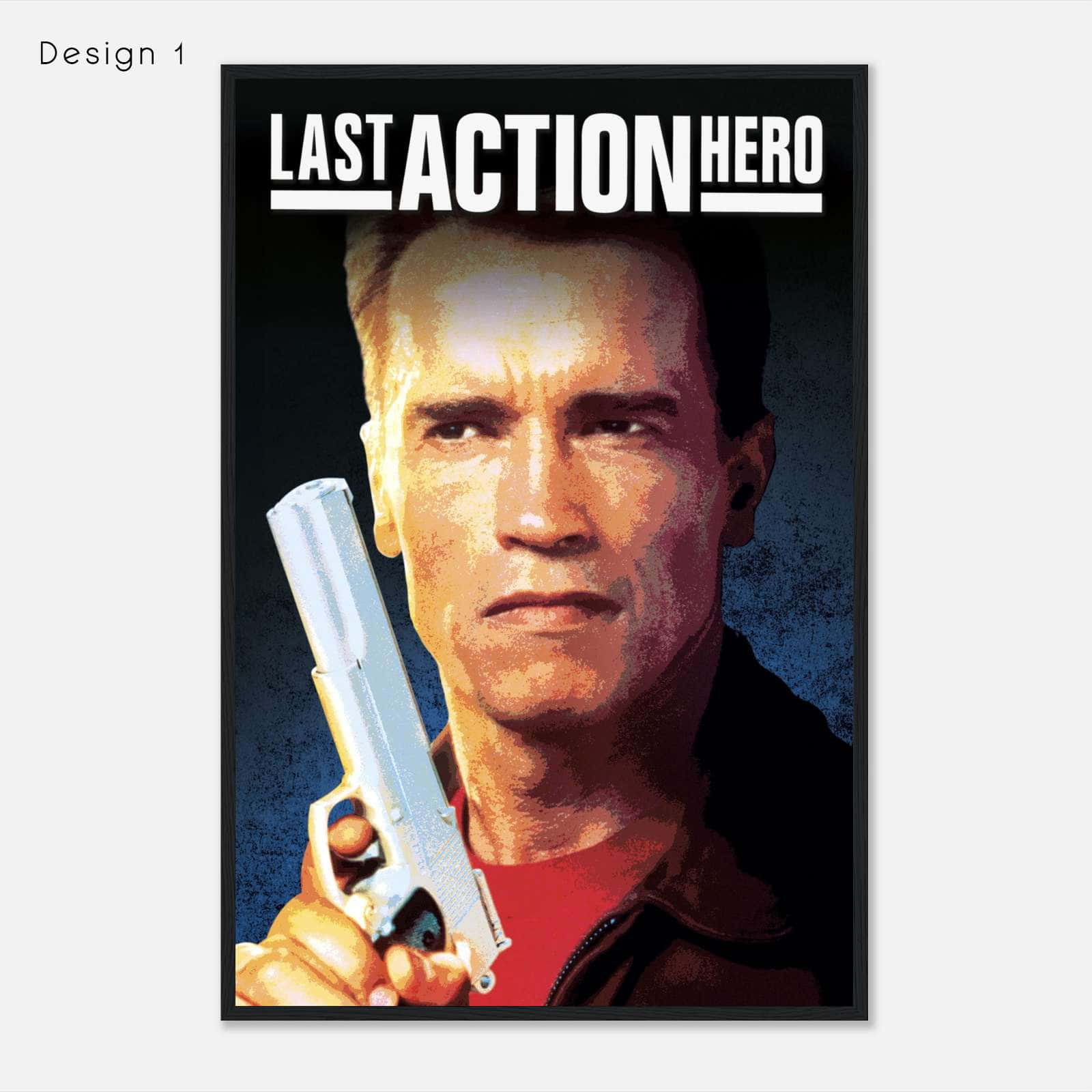
An action hero profile is a comprehensive blueprint defining the physical, psychological, and narrative attributes of a protagonist designed for high-stakes, conflict-driven storytelling. It bridges the gap between raw athleticism and thematic depth, ensuring a character’s internal arc is as compelling as their physical feats. This profile balances specialized skill sets with fatal flaws to create a functional, engaging lead for cinematic or literary projects.
The Foundation of Physical Capability and Training
At the center of any action hero profile is the character’s physical competency. In 2026, audience expectations for realism in action sequences have shifted; a character is no longer defined merely by brute strength, but by specific, identifiable training backgrounds. Whether the protagonist is a former special operations operative, a practitioner of a specific martial art, or a survivor of a hyper-specialized high-intensity environment, the "how" of their movement defines the visual language of the story.
When building this section of the profile, you must establish the character’s "Physical Signature." This is not just a list of muscles or combat styles; it is the tactical logic they apply to danger. A character trained in Brazilian Jiu-Jitsu will approach a hallway fight with a focus on leverage and joint manipulation, whereas a character with a military sniper background might prioritize environmental awareness and the efficient expenditure of energy. Documenting this requires noting their primary training, their endurance limitations, and the specific injuries they carry that dictate their current tactical constraints.
Psychological Archetypes and Internal Conflict
A flat hero is one without a contradiction. The most enduring action hero profiles are constructed around a "Central Friction"—an internal struggle that makes physical survival difficult or emotionally fraught. If a hero is physically perfect but internally static, the audience loses engagement during the lulls between action sequences.
To build a professional-grade profile, define the character’s "Moral Code" and "Internal Ghost." The Moral Code acts as the boundary of their tactical decisions; for instance, a protagonist who refuses to use firearms due to a past trauma creates immediate, high-stakes tactical problems in a world dominated by weapons. The Internal Ghost refers to the past event that informs their present desperation. By forcing these psychological elements to interfere with the hero's physical effectiveness, you deepen the stakes. A character who is hesitant to strike or haunted by collateral damage becomes a protagonist who must grow to overcome the physical obstacles before them.
Tactical Asset Management and Equipment
In modern storytelling, the action hero profile must account for the "Logistics of Conflict." This involves detailing the gear, resources, and support systems the hero has access to. A rogue operative does not have the same equipment profile as a government-sanctioned agent. Establishing these parameters early prevents "deus ex machina" moments where a character inexplicably produces a tool they should not have.
Consider the following categories when building your equipment profile:
- Primary Ordinance/Tool: What is the extension of the character’s will? (e.g., a specific custom sidearm, a blade, or a technical interface).
- Logistical Reach: Does the character have a handler, a secure stash, or are they completely isolated?
- Maintenance Requirements: How do they keep their gear functioning in adverse conditions?
Comparison of Hero Archetypes
The following table outlines how different backgrounds influence the development of an action hero profile and how they dictate the tone of the narrative.
| Archetype | Primary Skill Set | Tactical Constraint | Narrative Focus |
|---|---|---|---|
| Tactical Operative | Firearms and CQC | Chain of Command | Strategic efficiency |
| The Survivor | Improvisation and Stealth | Resource scarcity | Desperation and endurance |
| The Vigilante | Crowd control and Agility | Lack of legal authority | Moral ambiguity |
| The Specialist | Tech/Hacking/Intel | Physical vulnerability | Intel-based problem solving |
Establishing Limits and Vulnerability
A character with no limits is a character with no stakes. The most frequent error in character design is the "Invincible Hero." To maintain tension, every profile must explicitly document a "Fail State." This is not just a point where they die, but a point where their specific skill set fails them.
Define their sensory or tactical blind spots. For instance, if your hero relies on high-tech surveillance gear, their fail state is an environment that negates technology. If your hero is a master of hand-to-hand combat, their vulnerability is a long-range engagement. By quantifying these weaknesses, you create the necessary "choke points" in your narrative where the hero is forced to innovate or rely on character growth rather than pure physical dominance.
Developing the Character’s "Combat Language"
Every action sequence should reflect the character's personality. This is often termed the "Combat Language." A methodical, cold, and calculated hero will have a combat language characterized by economy of motion—minimal wasted movement and precise, decisive strikes. Conversely, a chaotic or driven hero might use "explosive" movement—high-energy, desperate, and risky actions that mirror their internal state.
When scripting or describing these sequences, ensure that the actions are consistent with the profile you have established. A character who is impatient in dialogue should exhibit an aggressive, impatient style in combat. If you find yourself writing a sequence that feels "out of character," revisit your profile's core traits to determine if the hero is acting based on their defined personality or simply to advance the plot.
FAQs for Action Hero Profiling
How do I ensure my action hero is not a cliché?
You avoid clichés by grounding the hero in specific, non-combat-related interests or traits. Give them a hobby, a professional expertise, or a social attachment that has nothing to do with their violent life. When the character’s non-combat life requires the same level of attention as their combat life, they become a three-dimensional person rather than a vessel for action scenes.
Does a hero need a tragic backstory to be effective?
No. While tragedy is a common motivator, it is not the only one. A hero can be driven by professional curiosity, a sense of civic duty, or even the simple need to solve a specific problem. The key is that the motivation must be strong enough to justify the physical risks they take in the story.
How much detail should be in a profile?
A profile should contain exactly as much detail as is necessary to make the character's actions predictable to the author. If you know how they react to fear, anger, and professional failure, you have enough. Avoid creating a 50-page biography if only three pages are relevant to the story's actual plot.
Should I define my hero’s salary or financial standing?
Yes, if the story involves logistics. An action hero who is independently wealthy has different tactical options than one who is living paycheck to paycheck. Financial standing dictates the quality of their gear, their ability to move across borders, and the legal repercussions of their actions.
How do I write a hero who uses non-lethal methods?
Define the "non-lethal" path clearly. Is it a moral choice, a tactical one, or a professional necessity? A hero who refuses to kill must be exceptionally skilled at incapacitation. Ensure that your narrative rewards this choice with additional challenges; if there is no cost to choosing the "higher road," the choice lacks dramatic weight.
Next Steps for Character Implementation
Once your profile is documented, the immediate next action is to subject the character to a "Stress Test." Place them in a scenario that forces them to rely on their primary skill while simultaneously triggering their greatest vulnerability. Observe how they react. If they can escape the scenario without compromising their established personality or failing their own code, your profile is robust. If the solution feels easy or unearned, adjust the constraints within your profile until the character’s survival is genuinely in doubt, forcing them to earn their success through growth rather than innate ability.