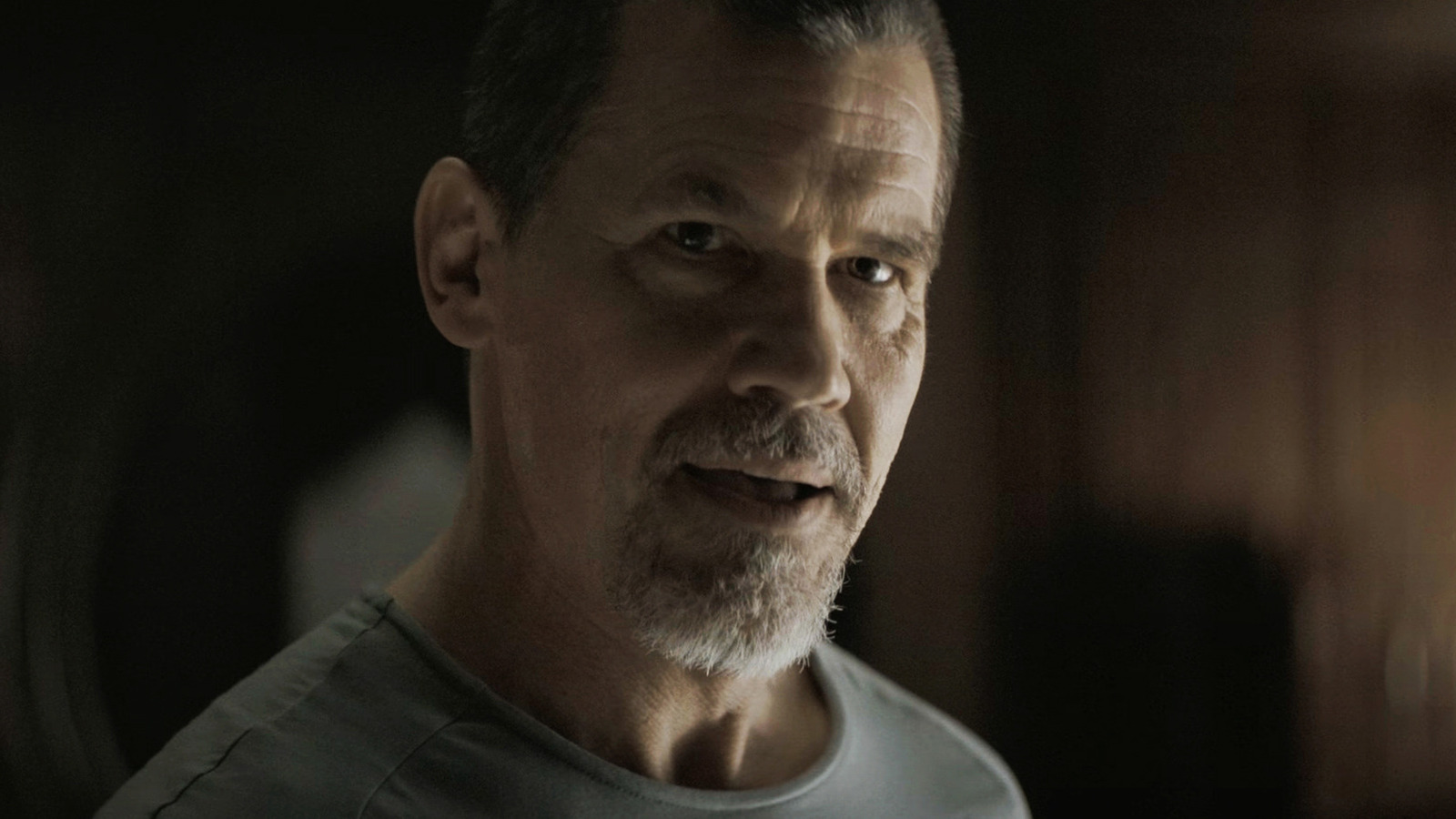
Acting for sci fi requires a unique blend of classical theatrical training and highly technical spatial awareness, as performers must project emotional authenticity into imaginary environments populated by invisible creatures, green screens, and complex futuristic machinery. Unlike contemporary drama where actors react to tangible set elements and physical scene partners, science fiction performance frequently demands that artists manufacture complete sensory realities out of thin air while maintaining strict physical continuity across fragmented production schedules.
The Foundations of Speculative Performance
The core challenge of science fiction performance is bridging the gap between high-concept abstraction and grounded human emotion. While directors construct universes featuring interstellar travel, artificial intelligence, and dystopian geopolitics, the audience connects primarily with the psychological stakes of the characters inhabiting those worlds. Performers must therefore treat futuristic circumstances with absolute psychological realism.
Before stepping onto a soundstage or into a motion-capture volume, actors must internalize the societal rules, technological limitations, and cultural norms of their character's environment. This preparation requires rigorous world-building analysis. If a script establishes that a character has spent their entire life aboard a zero-gravity mining station, their posture, muscle tone, and spatial habits must reflect that history long before the cameras roll. Physicality in speculative fiction is not merely about looking futuristic; it is about communicating how an individual's biology and psychology have adapted to an extraordinary environment.
Furthermore, vocabulary and jargon present a distinct hurdle. Science fiction scripts are often laden with neologisms, quantum physics terminology, and fabricated corporate or military acronyms. An actor cannot deliver lines containing complex technical concepts with hesitation. They must roll speculative terminology off the tongue with the casual familiarity of a modern person discussing smartphone technology or medical procedures, anchoring the fiction in everyday fluency.
Technical Mastery in Virtual and Green Screen Environments
Working within heavily digitized production environments shifts the actor’s focus from purely interpersonal dynamics to meticulous technical precision. Modern science fiction filmmaking relies extensively on green screens, LED volumes, and visual effects sequences that will be rendered months after principal photography concludes. This production reality strips away conventional visual cues, forcing actors to collaborate closely with cinematographers, script supervisors, and visual effects coordinators.
Spatial awareness is the primary currency of the green-screen actor. When a director instructs an artist to look terrified as a towering synthetic predator approaches from the horizon, the actor must calibrate their eyeline to a specific piece of tape or an LED marker on the stage wall. If the actor’s eyeline drifts even a few inches too high or too low, the visual effects compositing team will find it exceedingly difficult to match the digital creature's perspective in post-production.
| Production Method | Primary Technical Challenge | Actor’s Key Responsibility | Post-Production Impact |
|---|---|---|---|
| Green Screen (Chroma Key) | Complete absence of physical set pieces and environmental cues. | Maintaining precise eyelines and spatial consistency across takes. | Visual backgrounds and effects added digitally behind the actor. |
| LED Volumes (Virtual Production) | Interactive lighting glare and perspective tracking limitations. | Interacting naturally with real-time rendered virtual horizons. | In-camera final pixels reduce reliance on subsequent compositing. |
| Motion Capture (Performance Capture) | Restricted movement due to marker suits, head-rig cameras, and sensors. | Translating nuanced micro-expressions and body language to a digital rig. | Computer animation applied directly over the captured skeletal data. |
Beyond eyelines, performers must master scale and scope. An actor might be asked to react to a vast spaceship landing overhead or a microscopic nanotechnology swarm coursing through a companion's bloodstream. Calibrating the physical reaction—whether widening the eyes to register massive scale or narrowing focus for minute observation—requires a deep understanding of how camera lenses and focal lengths capture performance.
Physicality, Stunts, and Specialized Gear
Science fiction characters frequently operate under extreme physical constraints, wearing heavy prosthetics, rigid body armor, or sophisticated tactical rigs. Managing these elements while delivering a nuanced performance requires substantial physical stamina and specialized training. Costume pieces that look sleek and futuristic on screen are often heavy, restrictive, and poorly ventilated, testing an actor's endurance during long shooting days.
Physical conditioning directly influences the credibility of a sci-fi performance. Whether portraying a battle-hardened space marine, an agile cyberpunk runner, or a cybernetically enhanced assassin, the artist's physical vocabulary must communicate the weight and functionality of their gear. For example, wearing a rigid EVA (extravehicular activity) suit changes how a person turns their torso, reaches for objects, and navigates corridors. Actors who neglect these mechanical details often break immersion, as their uninhibited movements contradict the perceived weight of their attire.
Moreover, stunt integration is a frequent requirement in speculative genres. Action sequences involving zero-g wirework, simulated laser combat, and emergency evacuations demand close collaboration with stunt coordinators. An actor must learn to execute choreography safely while maintaining emotional intensity, ensuring that the physical exertion of a stunt does not drain the dramatic life out of the scene.
Psychological Adaptation and Imagination Conditioning
Because science fiction often deals with profound existential themes—such as the definition of consciousness, human extinction, and alien contact—performers must cultivate intense psychological flexibility. The internal landscape of a sci-fi character is frequently fractured by trauma, isolation, or the disorientation of space-time anomalies. Accessing these mental states requires robust imagination conditioning.
Actors working in this niche often utilize sensory memory exercises modified for hypothetical scenarios. Since human beings have no lived experience of standing on an exoplanet or interacting with a sentient machine intelligence, artists must construct substitute realities that trigger genuine emotional responses. An actor might map the loneliness of deep-space isolation to a profound personal experience of grief or geographical separation, allowing authentic emotional pain to drive the performance in an utterly alien context.
Maintaining character continuity across non-linear shooting schedules is another psychological test. In science fiction blockbusters, emotional climaxes, mid-point revelations, and opening scenes are rarely filmed in chronological order. An actor might perform the tearful death of a close ally on a Monday and execute the joyous first meeting with that same character on a Thursday. Keeping track of the character's internal timeline, psychological evolution, and shifting relationship dynamics requires meticulous script annotation and rigorous focus.
Collaborating with the Creative Pipeline
Acting for sci fi is fundamentally a collaborative enterprise that extends far beyond the traditional director-actor relationship. Performers must synchronize their work with departments they might rarely interact with in contemporary drama, including concept artists, stunt riggers, sound designers, and visual effects supervisors. Understanding how these departments function enhances an actor's ability to deliver usable, high-impact performances.
Sound design, in particular, plays an outsized role in science fiction storytelling. Many iconic elements—such as the hum of a plasma rifle, the whir of a cyborg limb, or the atmospheric pressure drop of an airlock—are added entirely in post-production. An actor must learn to leave auditory space in their dialogue delivery, allowing room for future sound effects without making the performance feel halting or unnatural. Similarly, working with dialogue supervisors on looped recordings (ADR) is a standard requirement, as complex soundstages are often plagued by ambient noise from cooling fans, lighting rigs, and specialized machinery.
Ultimately, the successful science fiction actor acts as an anchor for the audience's suspension of disbelief. By wedding classical emotional truth with exacting technical discipline, these performers transform abstract concepts, digital effects, and futuristic hardware into deeply human stories that resonate across dimensions.
Frequently Asked Questions
How do actors practice for green screen acting without a real set?
Actors practice green screen performance by developing acute spatial awareness and working with physical props or textured markers provided on set. Directors and script supervisors often place colored tape on walls or cameras to serve as reference points for eyelines, helping actors maintain consistent focus when reacting to imaginary creatures or environments.
What is the difference between motion capture and performance capture?
Motion capture traditionally records only the skeletal movements and physical coordinates of an actor using body markers. Performance capture expands on this by simultaneously recording facial expressions and vocal audio using head-mounted cameras, allowing digital software to translate subtle emotional micro-movements directly onto a computer-generated character.
How do heavy sci-fi costumes affect vocal delivery and breathing?
Rigid armor, prosthetics, and enclosed helmets can severely restrict breath support, posture, and facial mobility. Actors mitigate these challenges by undergoing specialized physical training, practicing diaphragmatic breathing under restricted conditions, and working closely with sound mixers to ensure dialogue remains clear despite physical constraints.
Why is eyeline matching so critical in science fiction films?
Eyeline matching determines whether an actor appears to be looking directly at an object, creature, or person in a composite shot. If an actor's gaze is misaligned during a green screen shoot, the resulting digital composition will look disjointed, breaking the illusion of interaction between live-action elements and computer-generated visual effects.
Can classical theater training help with science fiction acting?
Classical theater training provides essential tools for sci-fi performance, particularly in projection, physical discipline, and the ability to commit fully to heightened, non-naturalistic circumstances. Stage training helps actors maintain emotional truth while operating within fantastical premises that require larger-than-life physical and vocal expression.
Mastering Your Next Speculative Role
To elevate your performance in science fiction projects, prioritize rigorous script analysis that maps out the physical and technological rules of your character's universe before exploring the emotional arc. Practice isolating your eyelines and movements with physical markers during rehearsal to build muscle memory for green screen environments. By respecting the technical demands of the medium while keeping your emotional core anchored in genuine human stakes, you will deliver memorable performances that help audiences believe the impossible.