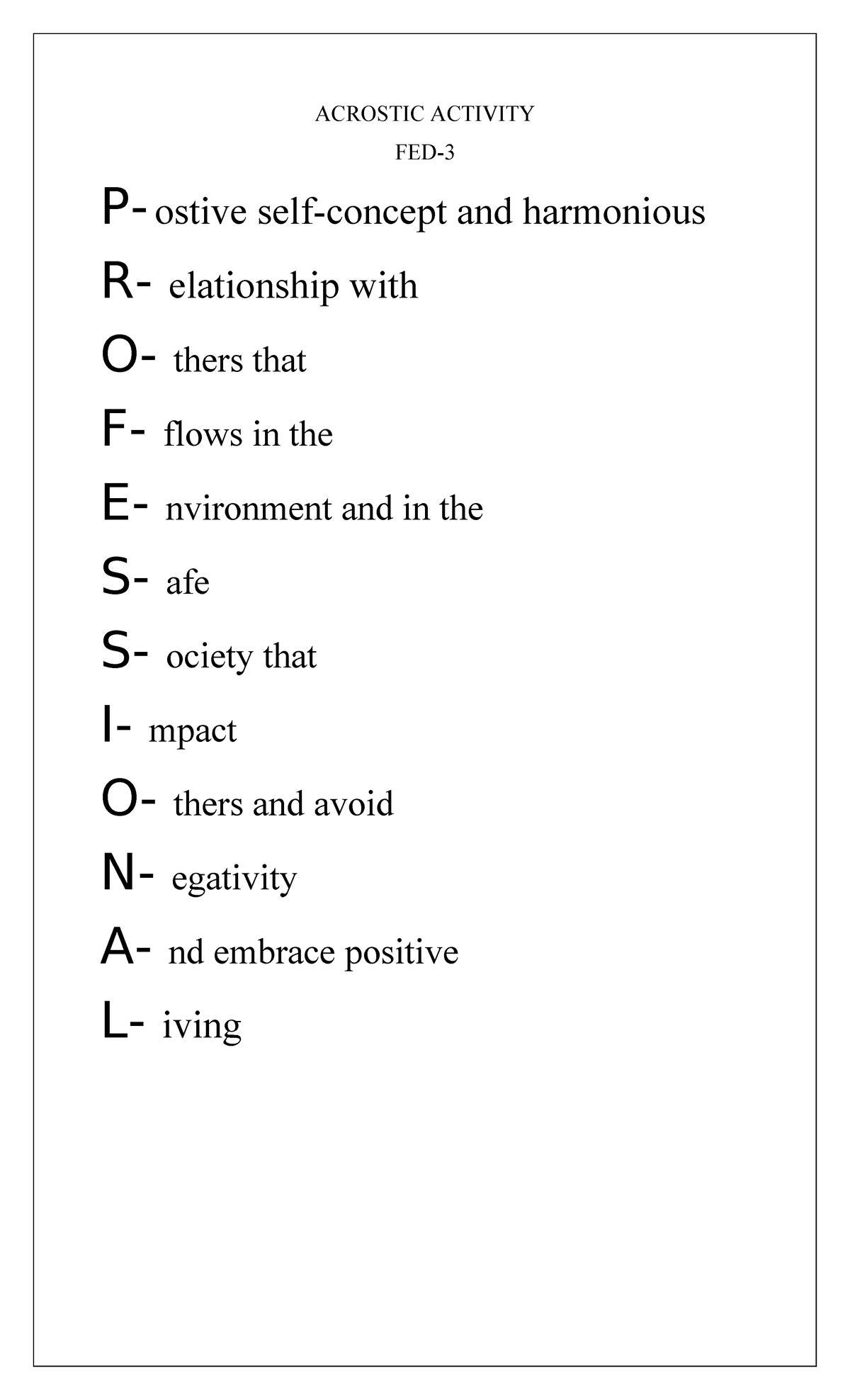
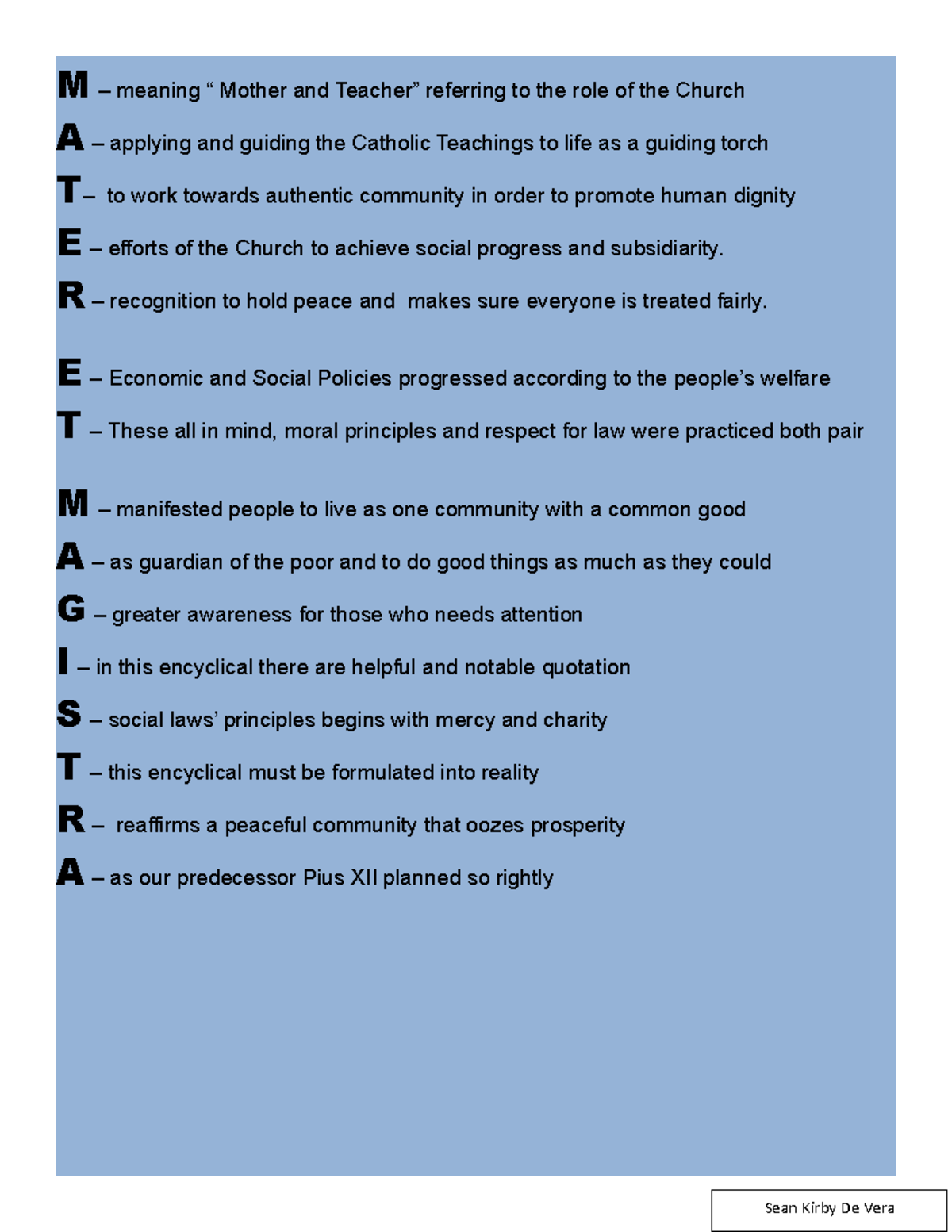
An acrostichic refers to a composition, poem, or word puzzle in which specific letters—usually the initial letters of each line, stanza, or paragraph—spell out a distinct word, message, or alphabet sequence. Understanding its meaning, historical usage, and literary context reveals how writers across centuries have used this clever structural device to embed secret messages, demonstrate technical virtuosity, and structure complex theological or philosophical works.
Etymological Roots and Core Definition
The term "acrostichic" derives from the ancient Greek words akros, meaning topmost or extreme, and stichos, meaning line of verse. While closely related to the more common noun "acrostic," the adjectival form "acrostichic" specifically describes texts or structural characteristics that incorporate this concealing and revealing method. At its core, an acrostichic relies on a deliberate spatial and sequential arrangement of letters. When a reader extracts these targeted letters—traditionally placed at the beginning of consecutive lines—they form an independent secondary text, often referred to as the acrostich.
Beyond the standard vertical alignment along the left margin, historical writers experimented with various permutations. Telestichs place the revealing letters at the ends of lines, while mesostichs run down the middle. However, the classical acrostichic format remains the baseline for understanding how letters serve a dual purpose: contributing to the immediate syntactical flow of a sentence while simultaneously acting as building blocks for a hidden macro-message.
Historical Evolution Across Literatures
The use of acrostichic writing is far from a modern novelty; its roots stretch deep into antiquity across diverse literary traditions. In ancient Mesopotamia, scribes utilized cuneiform acrostichics in religious and administrative texts to encode authorship, protect sacred formulas, or display exceptional literacy. Similarly, classical Greek and Latin poets employed the technique. For instance, the Latin playwright Ennius used acrostichics in his epic work Annales to indicate summaries of the book contents or to embed his own name, establishing a tradition of literary signature and verification.
| Tradition | Primary Historical Purpose |
|---|---|
| Biblical Hebrew | Mnemonic memorization and alphabetic order |
| Classical Latin | Authorial signatures and content summaries |
| Medieval Christian | Cryptic theological symbolism and devotion |
| Renaissance Court | Flattery, courtly love, and puzzle poetry |
Religious literature also embraced the acrostichic form as an aid to memory and a marker of completeness. Several biblical texts, most notably several chapters in the Book of Lamentations and numerous Psalms (such as Psalm 119), are structured alphabetically. In these Hebrew alphabetic acrostichics, each successive verse or stanza begins with the next letter of the Hebrew alphabet. This structure served a dual purpose: it provided a mnemonic device for oral recitation and symbolized the total exhaustion of a theme from aleph to tau, meaning from beginning to end.
Literary Usage and Structural Mechanics
Writers deploy acrostichic designs for several distinct literary and rhetorical reasons. Primarily, it functions as a constraint-based writing technique, similar to a poetic form like the sonnet or the villanelle. Operating within strict rules forces the author to exercise immense vocabulary control and ingenuity. When a poet needs a line to begin with a specific letter to spell out a recipient's name or a philosophical concept, standard lexical choices are restricted, often resulting in striking metaphors and creative phrasing that might not have emerged under unstructured composition.
Furthermore, acrostichic frameworks historically served as a protective or authenticating mechanism. Before modern copyright laws or standardized publishing houses, manuscripts were easily copied, altered, or attributed to false authors. Embedding a name or securing phrase within the structural architecture of the verse provided undeniable internal proof of authorship. If an unauthorized copyist altered the text carelessly, the acrostichic sequence would break, immediately exposing the corruption of the manuscript.
Contextual Application in Modern and Digital Media
While traditional poetry classrooms frequently view the acrostichic as a pedagogical tool for introducing children to rhyme and wordplay, its broader cultural context extends into modern media, advertising, and digital easter eggs. In contemporary settings, copywriters and brand strategists occasionally use acrostichic formatting in logos, manifestos, or social media campaigns to subtly reinforce brand names or core values within body copy.
In digital culture, software developers, game designers, and authors of speculative fiction frequently embed acrostichs within source code, patch notes, or promotional novels. These modern manifestations share the same psychological DNA as their ancient Mesopotamian and medieval predecessors: they reward the attentive reader or player who looks beyond the surface layer of the text to discover hidden layers of intentional design. Recognizing an acrostichic in modern media requires the same analytical eye—scanning margins, tracking initial capitals, and remaining alert to artificial constraints in syntax.
Common Pitfalls and Misinterpretations of Acrostichic Texts
Analyzing texts that feature acrostichic elements requires caution, as over-interpretation can lead to seeing patterns where none exist. One common mistake is assuming that every occurrence of capitalized initial letters forms an intentional acrostich. In standard prose and poetry, capitalization frequently follows grammatical rules, such as beginning a new sentence or highlighting a proper noun, rather than serving an encoded cryptographic purpose.
Another frequent error involves forcing translations or misconstruing historical texts. When ancient works are translated into modern languages, the original alphabetical or acrostichic order is almost always lost because target languages possess entirely different lexicons and alphabetic sequences. Researchers must examine the source language directly to verify whether an acrostichic is genuine or merely an artifact of translation. Scholars must also distinguish between intentional authorial cryptography and coincidental letter alignments, which occur frequently in large corpora of text simply due to statistical probability.
Frequently Asked Questions
What is the difference between an acrostic and an acrostichic?
An acrostic is the common noun referring to the puzzle or poem itself, while acrostichic is primarily an adjective describing texts, styles, or structural features that utilize this alphabetic concealment method. In historical and literary scholarship, the terms are frequently used interchangeably, though acrostichic maintains a more formal tone.
Why did ancient writers use alphabetic acrostichics in religious texts?
Ancient writers used alphabetic acrostichics primarily as mnemonic devices to assist in the oral recitation and memorization of long passages. Additionally, completing a sequence from the first letter of the alphabet to the last symbolized totality, completeness, and exhaustive coverage of a divine subject.
Are acrostichics still used in contemporary literature?
Yes, contemporary writers occasionally employ acrostichic constraints in experimental poetry, conceptual art, and genre fiction. Authors use them to embed hidden messages, solve narrative riddles, or pay homage to historical poetic traditions while engaging modern readers.
How can a reader verify if an acrostichic is intentional?
Verification requires checking the original source language for consistent structural patterns, such as strict alphabetical progression, unbroken spelling of a proper noun down a specific margin, or explicit commentary from the author or contemporary critics confirming the design.
Does the acrostichic method only apply to the first letters of lines?
No, while initial letter alignment is the most common form, variations include telestichs, where final letters spell the message, and mesostichs, where letters running through the middle of the lines form the secondary text.
Strategic Implementation and Reading Recommendations
To effectively engage with acrostichic literature, readers and researchers should develop a habit of dual-level reading—processing the literal semantic meaning of the text while simultaneously scanning vertical axes for structural anomalies. When studying historical documents or classical verse, consult critical editions that provide textual apparatuses noting original manuscript formatting. For those attempting to write their own acrostichic compositions, begin by selecting a short target word to establish strict boundaries before attempting longer, stanza-spanning projects. This disciplined approach ensures both aesthetic quality and cryptographic clarity.