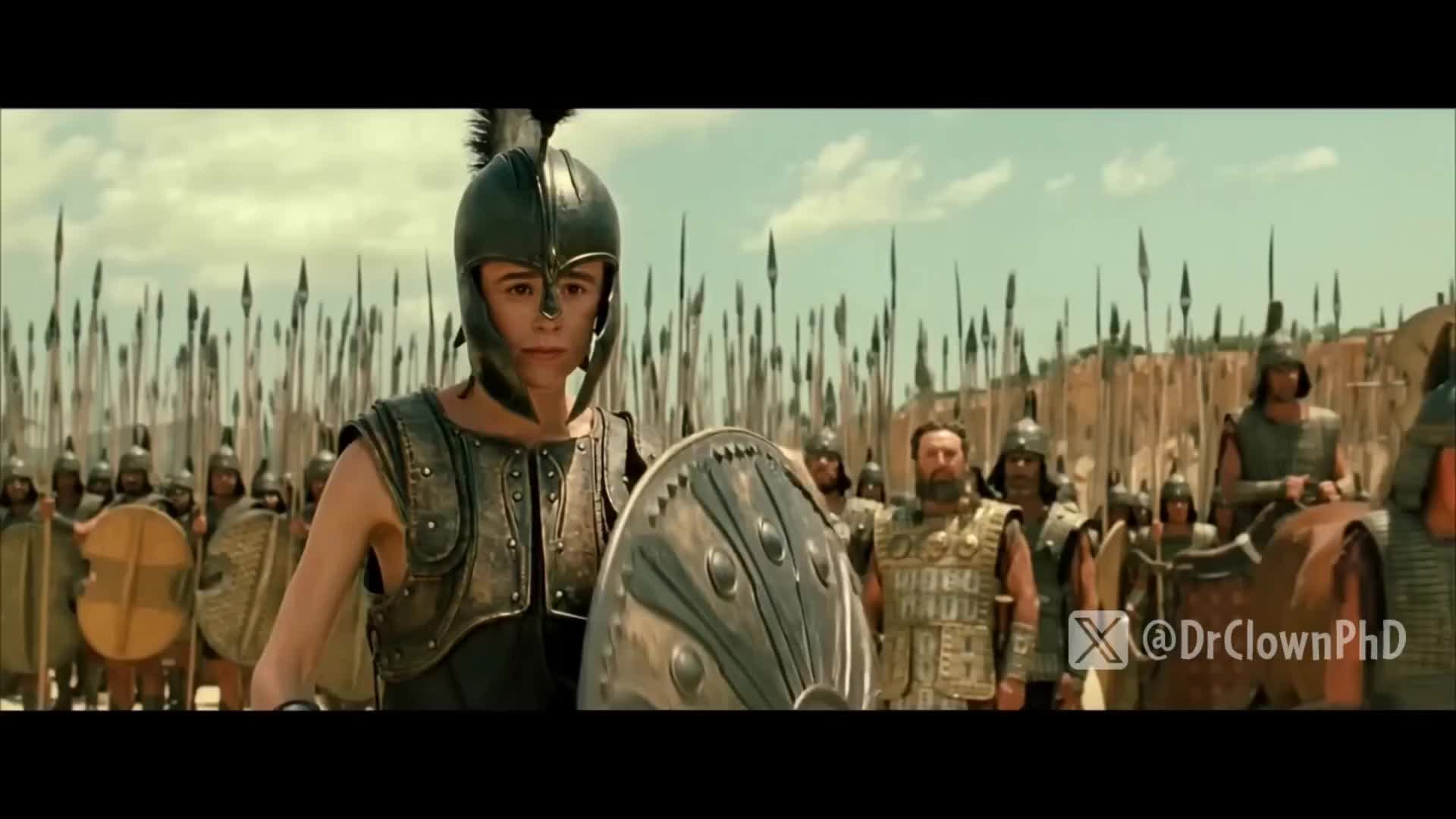
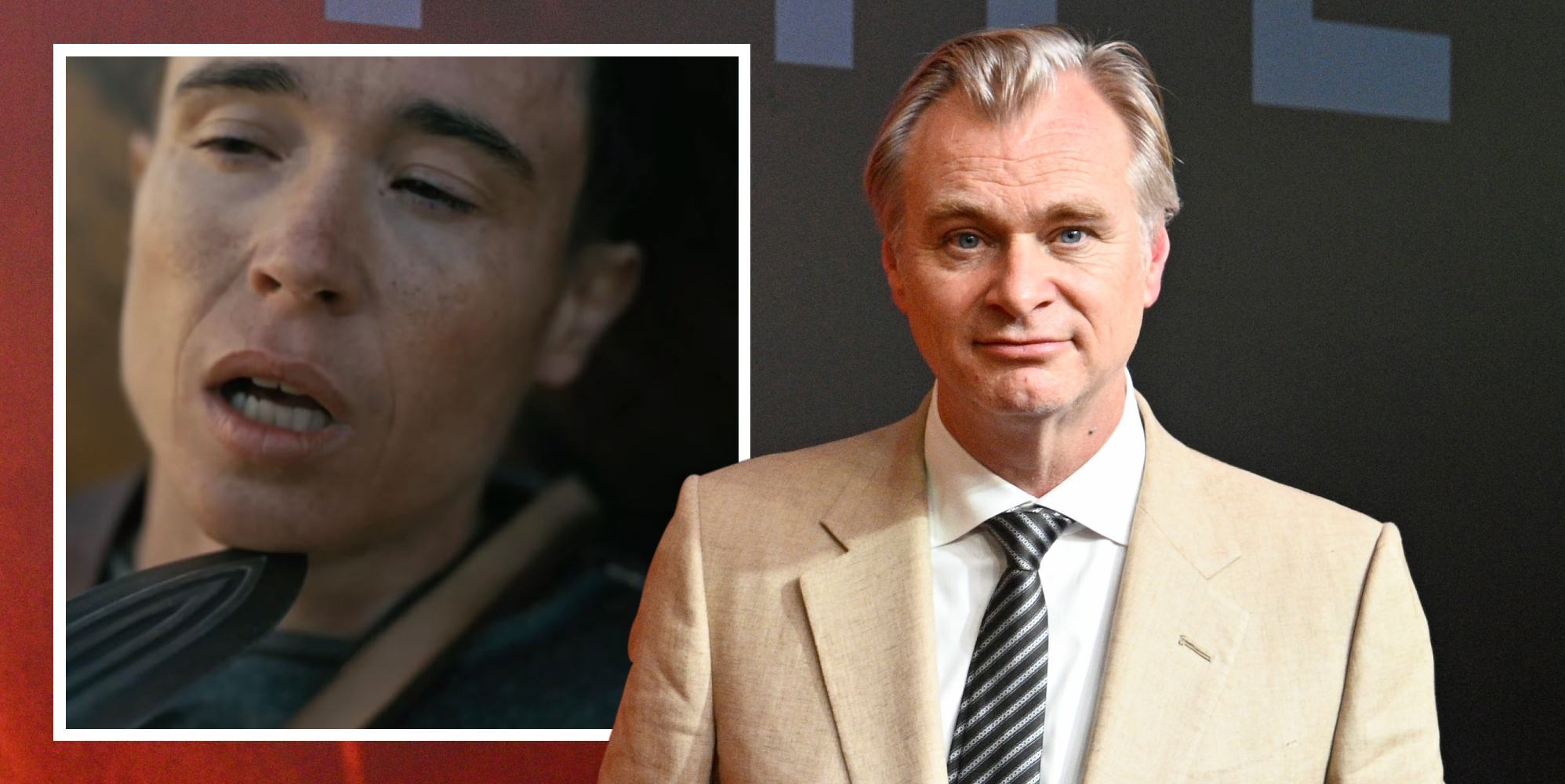
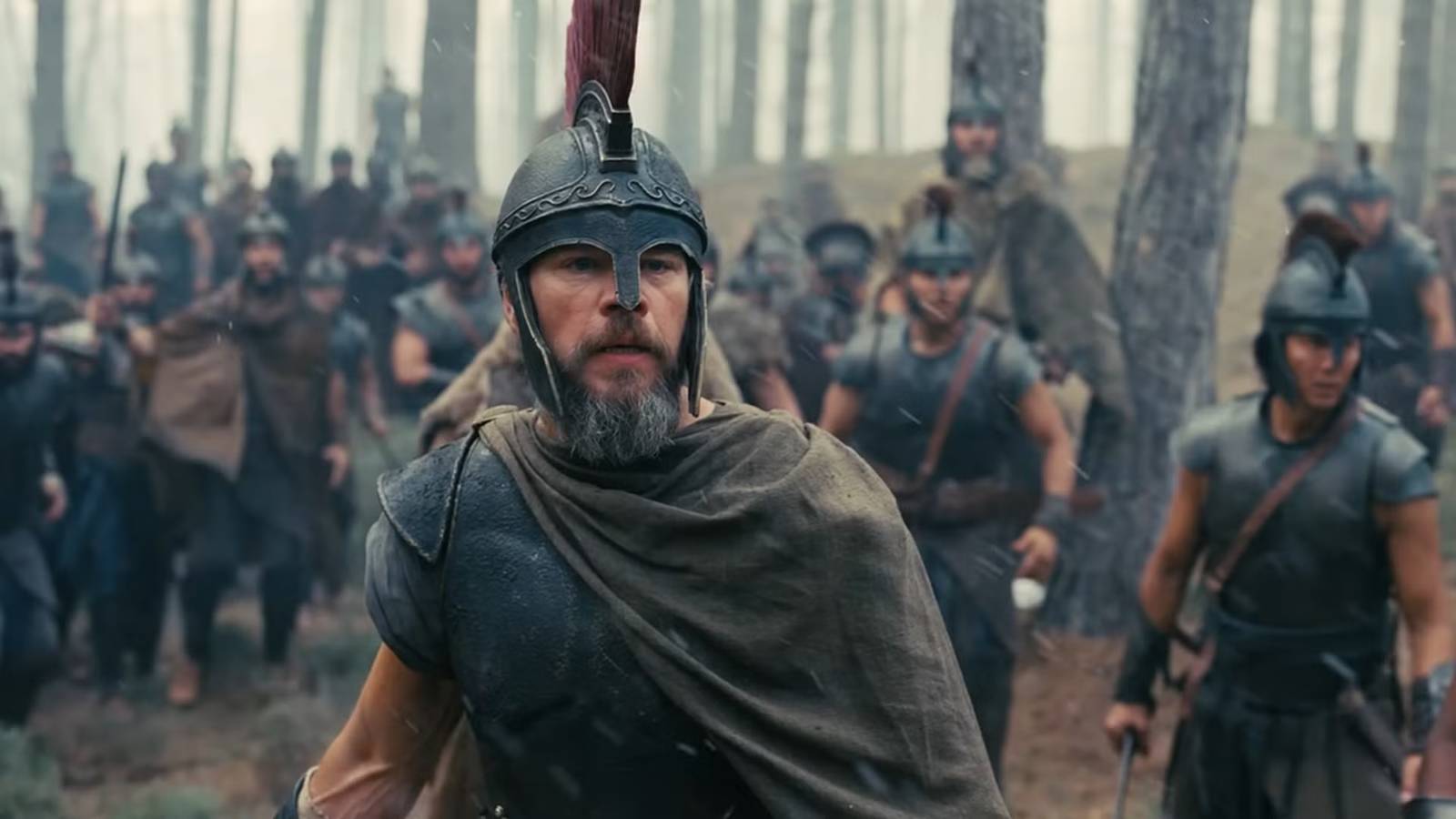
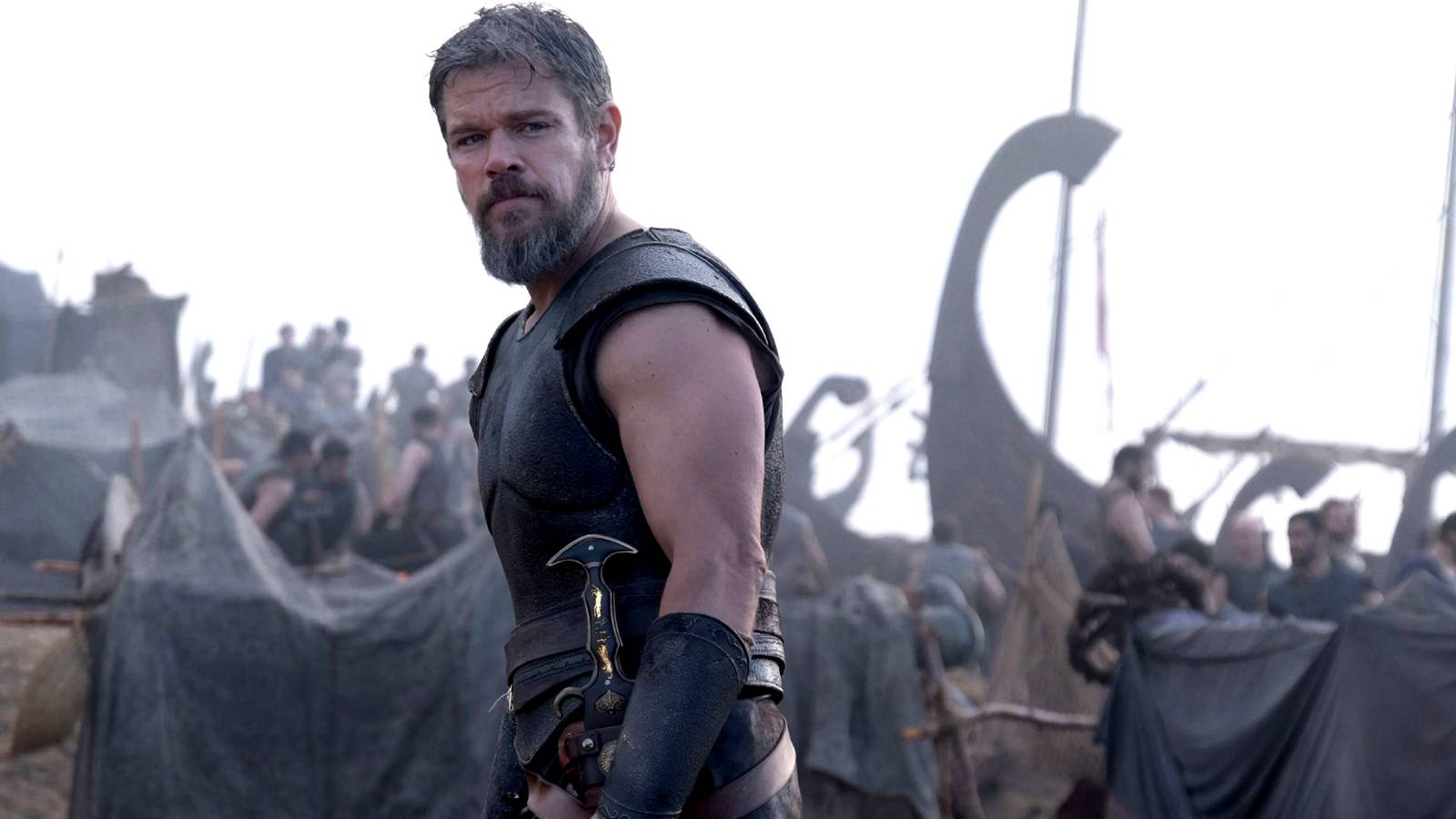
Christopher Nolan’s relationship with epic storytelling and classical mythology is defined by structural ambition, moral complexity, and an exploration of legacy. While Nolan has never directed a literal cinematic adaptation of Homer’s The Odyssey or an explicit historical feature centered on the mythical warrior Achilles, discussions surrounding his filmmaking style, his thematic preoccupations with heroic obsession, and his structural control frequently intersect with the legacy of classical epic poetry. Understanding this convergence requires an examination of how Nolan’s directorial framework mirrors the structural mechanics of an epic journey, and how modern cinema approaches classical archetypes.
The Epic Framework: Structural Parallelism in Modern Cinema
To understand why the concepts of The Odyssey and Achilles are frequently discussed in tandem with Christopher Nolan, one must first look at the mechanics of narrative scale. Homer’s Odyssey chronicles a grueling, decade-long homecoming defined by trial, non-linear storytelling, and divine interference. Similarly, The Iliad centers on Achilles, whose wrath and inevitable mortality drive the Trojan War narrative toward a tragic, inescapable conclusion.
Nolan’s filmography operates under a comparable structural gravity. Films such as Interstellar, Oppenheimer, and Inception rely on the classical monomyth structure—the hero’s journey—pushed to experimental extremes. In Interstellar, Cooper’s voyage across galaxies to save humanity mirrors Odysseus navigating treacherous waters and mythical obstacles to return to Penelope and Ithaca. The narrative scale demands an understanding of sacrifice, hubris, and the unrelenting passage of time, themes that form the bedrock of ancient Greek epic poetry.
When critics and cinephiles invoke figures like Achilles or Odysseus in analyses of Nolan’s work, they are generally referring to the filmmaker's fascination with the obsessive protagonist. Achilles chooses a short, brilliant life capped by immortal glory over a long, obscure existence. Nolan's protagonists—whether Cobb in Inception, Robert Angier in The Prestige, or J. Robert Oppenheimer—frequently make absolute, self-destructive choices in pursuit of a singular, defining objective, embodying a modern cinematic translation of the classical tragic flaw (hamartia).
The Archetype of Achilles: Pride, Wrath, and Mortality in Narrative
Achilles remains the quintessential representation of martial perfection paired with profound emotional vulnerability. His withdrawal from battle in The Iliad due to a slight against his honor triggers a cascading catastrophe for the Achaean forces. This dynamic of pride, alienation, and ultimate confrontation with fate maps closely onto the psychological profiles constructed within Nolan’s screenplays.
| Classical Epic Archetype | Homeric Representation | Nolan Cinematic Counterpart |
|---|---|---|
| The Obsessive Quest | Odysseus seeking homecoming against impossible odds. | Cooper navigating spacetime to reunite with his children (Interstellar). |
| Fatal Pride & Wrath | Achilles choosing short-lived glory over safety (The Iliad). | Robert Angier risking everything for absolute stage mastery (The Prestige). |
| Inevitable Fate | Prophecies governing the fall of Troy and hero fates. | Deterministic timelines and closed loops (Tenet, Interstellar). |
| The Internal Odyssey | Psychological trials disguised as physical monsters. | Navigating dreams within dreams (Inception). |
In examining how these archetypes function, it becomes clear that Nolan avoids simplistic hero-villain binaries. Just as Achilles is simultaneously noble, merciless, petulant, and tragic, Nolan’s central figures are defined by their flaws. This rejection of the spotless savior figure aligns contemporary complex narratives with classical literature, bridging the gap between ancient oral traditions and high-concept 21st-century filmmaking.
Non-Linear Temporality as a Modern Odyssey
One of the defining signatures of Christopher Nolan’s directing style is his manipulation of time. From the reverse-chronology puzzle of Memento to the temporal pincer movements of Tenet and the multi-layered dream time dilation in Inception, time is treated not as a passive backdrop, but as an active antagonist or malleable dimension.
This narrative fragmentation echoes the in medias res opening of classical epics. Homer does not begin the Odyssey with Odysseus on Ithaca; he begins with the hero trapped on Ogygia, while the narrative folds backward and forward through flashbacks, recounting the Trojan War and the descent into Hades before catching up to the present timeline. Nolan adopts this mosaic storytelling technique, forcing the audience to reconstruct the chronology of the protagonist's odyssey piece by piece.
Furthermore, the concept of nostos—the ancient Greek word for homecoming—finds a conceptual home in Nolan’s works. The psychological drive to return to a state of equilibrium, truth, or family drives characters through labyrinths of deception and temporal displacement. Whether it is Will Dormer seeking clarity under the perpetual daylight of Alaska in Insomnia or Dom Cobb seeking to clear his name to see his children, the emotional core remains tied to the ancient pursuit of sanctuary.
Practical Realism Meets Mythological Grandeur
A point of divergence between classical mythology and Nolan’s filmography is the handling of the supernatural. Homeric epics are saturated with divine intervention: Athena guides a spear, Poseidon wrecks a fleet, and gods walk among mortals. Nolan, conversely, is renowned for his commitment to practical effects, scientific plausibility, and tangible physical realism. Even when dealing with high-concept sci-fi frameworks like gravitational anomalies or dream architecture, Nolan consults theoretical physicists and grounds his worlds in rigid internal logic.
Yet, this commitment to realism heightens the mythic resonance of his films. By stripping away overt magic, the struggles of his characters take on a stark, existential weight. When an engineer like Cooper stares into the horizon of a distant water world, or when Oppenheimer witnesses the blinding flash of the Trinity test, the moments achieve a mythological grandeur. They evoke the absolute terror and awe that ancient audiences felt when listening to bards sing of heroes facing the wrath of the cosmos.
Evaluating the Convergence of Classical Themes and Modern Auteurism
For researchers, students, and film enthusiasts exploring the intersection of classic literature and contemporary cinema, the comparison offers a richer appreciation of storytelling continuity. While a direct cinematic collaboration between Christopher Nolan, Achilles, and The Odyssey does not exist in production databases, the thematic DNA remains deeply intertwined. Nolan’s work demonstrates how ancient storytelling mechanics—structural framing, fatalistic stakes, and the psychological cost of greatness—continue to dominate high-end filmmaking.
Frequently Asked Questions
Did Christopher Nolan direct a movie about Achilles or The Odyssey?
No. Christopher Nolan has not directed an adaptation of The Odyssey or a film centered on Achilles. His filmography consists of original screenplays and adaptations ranging from superhero films to historical dramas and science fiction, such as The Dark Knight, Inception, and Oppenheimer.
Why are Achilles and The Odyssey frequently discussed in relation to Nolan's films?
The association stems from thematic and structural comparisons. Critics and analysts frequently draw parallels between the hubris, tragic fates, and epic journeys of classical Greek heroes like Achilles and Odysseus, and the obsessive, non-linear character arcs found in Nolan's storytelling.
How does non-linear storytelling in Nolan's films relate to classical epic poetry?
Classical epics like The Odyssey frequently employ in medias res openings and fragmented chronology, shifting between past actions and present crises. Nolan utilizes similar structural fragmentation—as seen in Memento, Dunkirk, and Oppenheimer—to actively engage the audience in reconstructing the narrative timeline.
Are Nolan's films considered historical epics?
While most of Nolan’s films are contemporary or science-fiction, he has ventured into historical settings, most notably with Dunkirk (2017) and Oppenheimer (2023). These films prioritize historical documentation, practical cinematography, and intense psychological realism over traditional Hollywood myth-making.
Where can I study the structural similarities between classical literature and modern cinema?
Academic resources, comparative literature departments, and film studies programs frequently publish analyses exploring how modern screenwriters adapt classical monomyth structures, tragic flaws, and epic pacing for modern audiences.
Strategic Next Steps for Film and Literature Analysis
To further explore how classical motifs manifest in modern cinema, examine foundational texts such as Homer’s The Iliad and The Odyssey alongside analyses of contemporary screenplay structures. Focus on identifying how modern directors translate the ancient concepts of hubris, fate, and heroic sacrifice into visual grammar without relying on overt fantasy elements. By analyzing the structural blueprints of both epic poetry and modern auteur cinema, viewers can gain a deeper appreciation for the enduring mechanics of dramatic tension and character transformation.