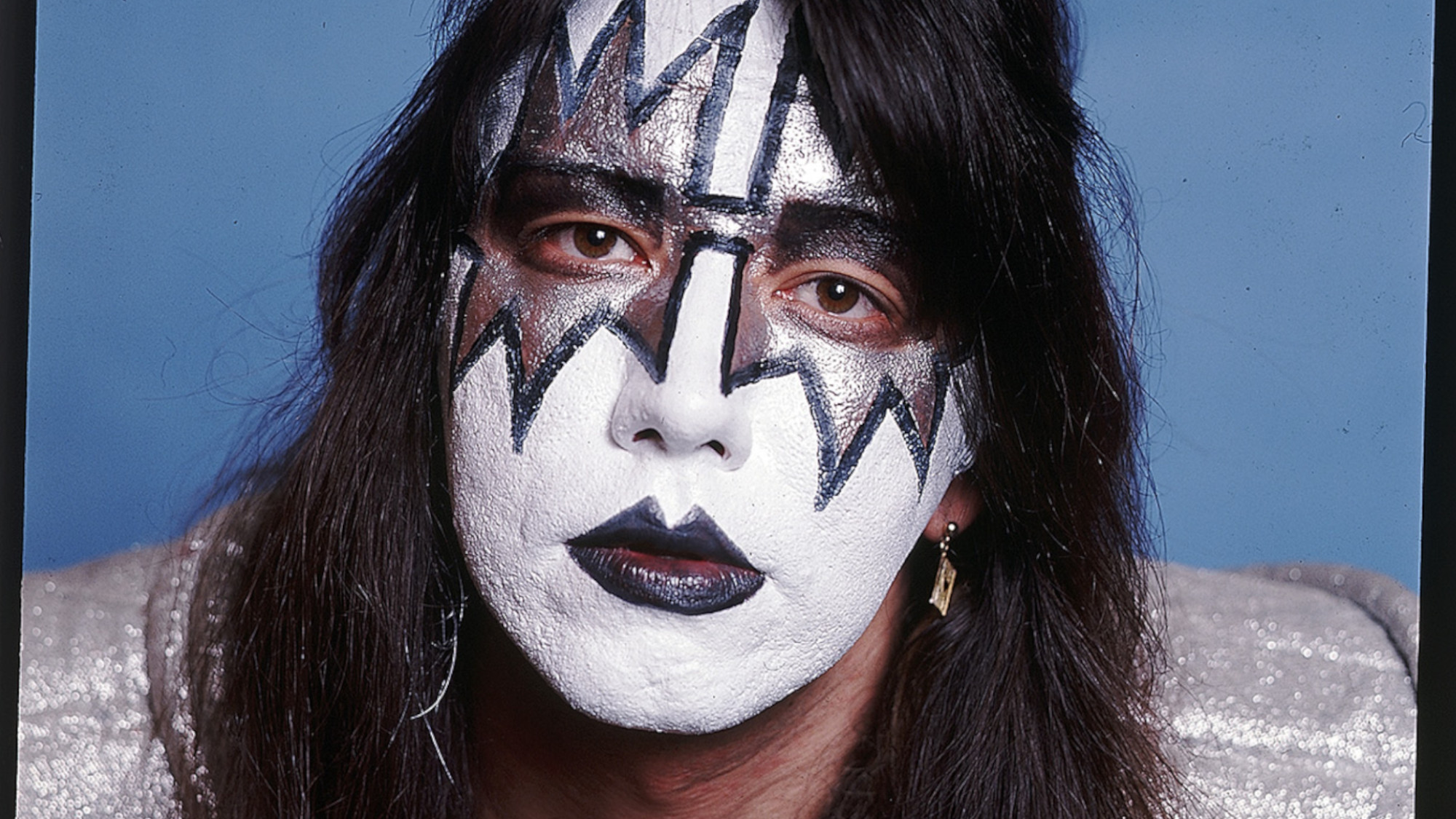
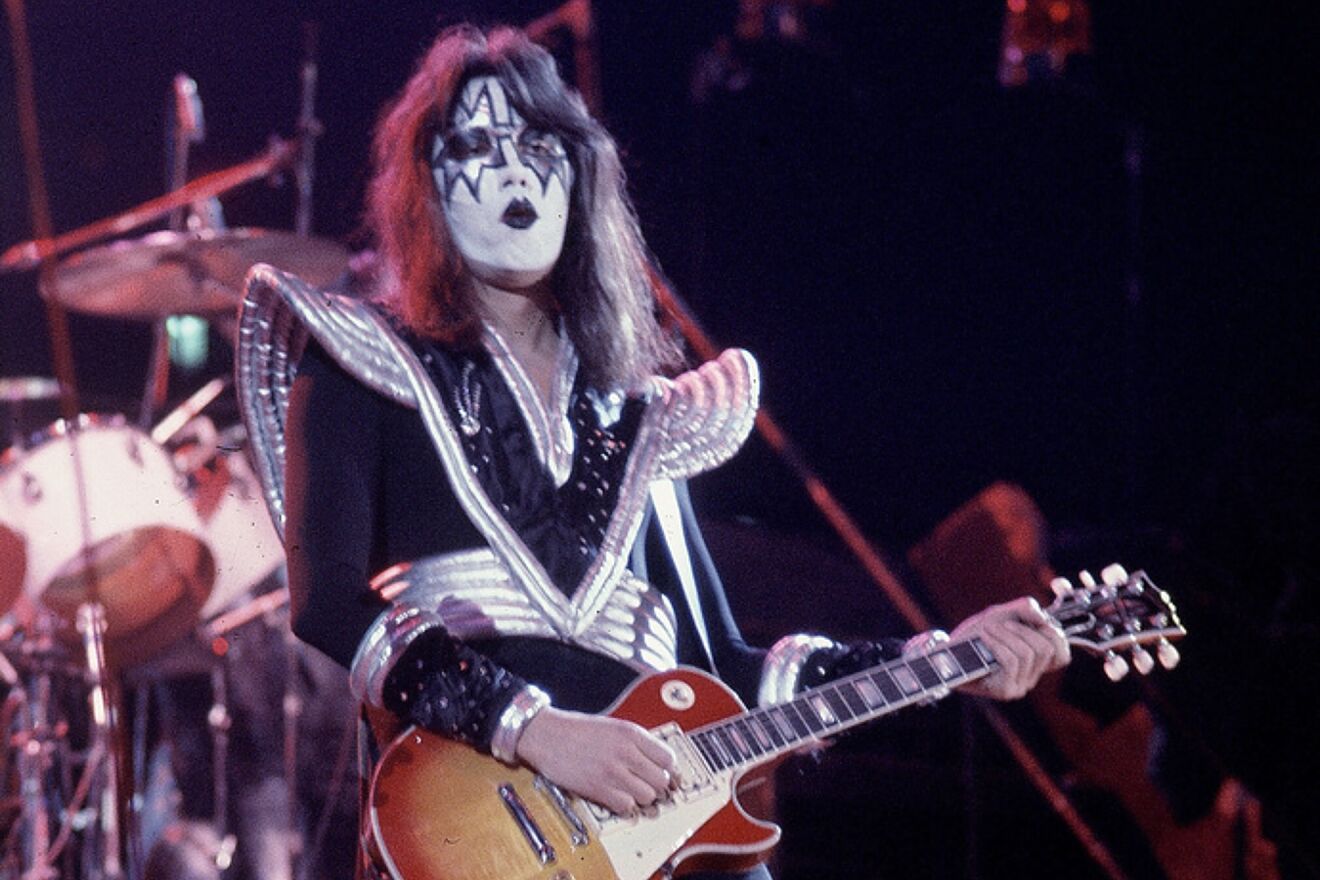
The real name of the legendary original lead guitarist for KISS is Paul Daniel Frehley. Born on April 27, 1951, in The Bronx, New York, he adopted the nickname "Ace" during his teenage years, long before the formation of KISS in 1973, and later became globally recognized by his stage persona, "The Spaceman."
Early Life and the Origin of the "Ace" Nickname
While the world knows him as Ace, the guitarist's journey began as Paul Daniel Frehley. Growing up in a musical family in the Bedford Park section of the Bronx, Frehley was the youngest of three children. His father, Karl, was a Dutch-born choir director and organist, and his mother, Esther, was also musically inclined. This environment fostered a natural aptitude for melody and performance, though young Paul was initially more interested in the visual arts and electronics—interests that would later manifest in his elaborate stage effects.
The transition from Paul to "Ace" occurred during his high school years. Contrary to popular belief that the name was a marketing creation for rock stardom, it was actually bestowed upon him by his friends. Frehley was known for his social versatility and his ability to help his friends secure dates, leading his peers to remark that he was a real "ace" at playing matchmaker. The name stuck, providing a sense of identity that differentiated him from the many other "Pauls" in his social circle.
By the time he reached his late teens, Frehley was already a fixture in the New York City club scene, playing in various local bands like The Magic People, The Muffins, and Cathedral. Even in these early ensembles, he was already using the name Ace Frehley, establishing a professional brand that would eventually catch the attention of Gene Simmons and Paul Stanley during a fateful audition in late 1972.
The Formation of KISS and the Spaceman Persona
In late 1972, Paul Frehley responded to an advertisement in The Village Voice placed by Gene Simmons, Paul Stanley, and Peter Criss, who were seeking a "lead guitarist with flash and ability." Legend has it that Frehley arrived at the audition wearing one red sneaker and one orange sneaker, looking somewhat disheveled. However, as soon as he plugged in his guitar, his raw talent and signature vibrato immediately secured him the position.
When the band decided to adopt theatrical personas and makeup, each member chose a character that reflected their personality or interests. While Gene Simmons became "The Demon" and Paul Stanley became "The Starchild," Paul Frehley leaned into his lifelong fascination with science fiction and space travel. He designed "The Spaceman" (also known as "Space Ace"), a character defined by silver face paint and celestial, futuristic costumes.
The Spaceman persona was more than just a costume; it allowed Frehley to project an otherworldly aura on stage. His fascination with technology also led to the invention of his famous "smoking guitar" and "rocket-firing guitar," which became staples of the KISS live experience. Despite the heavy makeup and the cosmic branding, Frehley remained Paul Daniel Frehley legally, never choosing to change his name officially despite the "Ace" moniker becoming his primary public identity.
Comparing the Real Names of the Original KISS Members
KISS is unique in rock history because all four original members operated under stage names that were significantly different from their birth names. This was a deliberate effort to create a superhero-like mystique around the group. Understanding where Ace Frehley fits into this hierarchy requires looking at the legal identities of his bandmates.
| Stage Name | Real Name | Persona | Role |
|---|---|---|---|
| Ace Frehley | Paul Daniel Frehley | The Spaceman | Lead Guitar / Vocals |
| Paul Stanley | Stanley Bert Eisen | The Starchild | Rhythm Guitar / Vocals |
| Gene Simmons | Chaim Witz (later Eugene Klein) | The Demon | Bass / Vocals |
| Peter Criss | George Peter John Criscuola | The Catman | Drums / Vocals |
As shown in the table, Frehley is the only member who used a nickname ("Ace") derived from his original identity rather than creating a completely new first and last name combination, as was the case with Gene Simmons or Paul Stanley. Stanley Bert Eisen became Paul Stanley, and Chaim Witz transitioned through Eugene Klein before settling on Gene Simmons. Frehley’s choice to keep his last name reflected a grounded connection to his family roots, even while his face was covered in silver paint.
The Success of the 1978 Solo Album
A pivotal moment in the history of Ace Frehley’s public identity occurred in 1978 when all four members of KISS released solo albums on the same day. This was an unprecedented marketing stunt, but it also served as a performance review of sorts for each member's individual creative output.
While Gene Simmons and Paul Stanley were considered the primary "engineers" of the band, it was Ace Frehley’s solo album that became the most critically acclaimed and commercially successful of the four. His cover of "New York Groove" became a Top 20 hit, proving that "The Spaceman" had significant drawing power outside the context of the full band.
This success solidified the name Ace Frehley as a brand in its own right. It demonstrated that his specific brand of hard rock, characterized by blues-based riffs and a "loose but tight" feel, resonated deeply with the fan base. For many, the name Ace Frehley became synonymous with the "cool" factor of the band—the rebellious, slightly unpredictable element that gave KISS its rock-and-roll edge.
Impact on Rock Guitar and Technical Legacy
Ace Frehley's influence on the world of rock guitar is difficult to overstate. Throughout the 1970s and 1980s, his playing style inspired a generation of guitarists who would go on to lead the hair metal and thrash metal movements. Musicians such as Dimebag Darrell (Pantera), Mike McCready (Pearl Jam), and Slash (Guns N' Roses) have all cited Frehley as a primary influence.
What made "Paul from the Bronx" such a powerhouse was his intuitive approach to the instrument. He was largely self-taught, learning by playing along to records by The Rolling Stones, Led Zeppelin, and Jimi Hendrix. His technical contributions include:
- The Signature Vibrato: A wide, aggressive vibrato that added a vocal-like quality to his solos.
- Double-Stop Riffs: A frequent use of two-note chords that provided a thick, harmonic texture.
- The Smoking Guitar: While more of a visual gimmick, the engineering behind the smoke bomb hidden in his Les Paul humbucker became one of the most iconic images in rock history.
- Simplicity over Speed: While many of his contemporaries were focused on "shredding," Frehley focused on memorable, melodic solos that fans could sing along to.
Even as of 2026, his technical specifications—specifically his preference for Gibson Les Paul Customs and Marshall amplification—remain a benchmark for classic rock tone.
Life After KISS: Solo Career and Personal Brand
Ace Frehley’s relationship with the name KISS has been tumultuous. He left the band in 1982, citing creative differences and a desire to pursue a solo career (though his departure was also complicated by personal struggles). He launched Frehley's Comet, a band that achieved moderate success in the mid-80s, further cementing his identity as a solo artist.
In 1996, the original lineup reunited for the massive "Alive/Worldwide" tour, which saw Frehley return to the Spaceman makeup. However, by 2002, he left the band again. Since then, the Spaceman persona has been portrayed by Tommy Thayer. This has led to significant debate among fans regarding the "ownership" of the persona.
Legally, the makeup designs and the name "KISS" are owned by the KISS partnership (controlled largely by Simmons and Stanley). Frehley licensed his makeup design to the band, which has allowed them to continue using the Spaceman imagery even in his absence. Despite this, for the vast majority of rock historians and fans, the name "Ace Frehley" is permanently linked to the Spaceman, regardless of who is currently wearing the silver paint.
Current Status and Recent Work in 2026
As of 2026, Ace Frehley continues to be active in the music industry. Following the success of his 2024 album 10,000 Volts, which was widely praised for returning to his classic 70s sound, Frehley has maintained a steady presence on the touring circuit. His solo career has outlasted many of his contemporaries, proving that the "Ace" brand carries weight independent of the KISS machine.
His recent years have been marked by a focus on his legacy. He has been vocal about his sobriety and his dedication to his craft, often appearing at guitar clinics and fan conventions to share the history of his career. While there is always speculation about a final performance with his former bandmates, Frehley has remained focused on his solo output, ensuring that the name Paul Daniel Frehley continues to represent high-energy rock and roll.
Frequently Asked Questions
Why did Ace Frehley use a stage name?
While "Ace" was a childhood nickname, the use of stage names in KISS was a strategic decision to create a "larger-than-life" image. The band wanted to be seen as comic book characters come to life, and using their real names (like Stanley Eisen or Chaim Witz) would have grounded them too much in reality.
Did Ace Frehley legally change his name to Ace?
No. While he is known professionally as Ace Frehley, his legal name remains Paul Daniel Frehley. He has used the name "Ace" since his teenage years in the Bronx, and it appears on all his album credits and professional contracts.
Who owns the "Spaceman" makeup design?
The copyright for the Spaceman makeup design is owned by the KISS organization. Ace Frehley sold or licensed the rights to his makeup design to the band many years ago. This allows the band to have other guitarists, such as Tommy Thayer, wear the makeup during KISS performances and on merchandise.
Is Ace Frehley still performing in 2026?
Yes, Ace Frehley is still active as of 2026. He continues to record new music and tour as a solo artist. His recent work has focused on his signature hard rock style, and he remains a popular draw at music festivals and solo theater shows worldwide.
What is the origin of Ace's smoking guitar?
The smoking guitar was a technical innovation created by Ace Frehley himself. He placed a smoke bomb inside the rhythm pickup cavity of his Gibson Les Paul. During his solo, he would trigger the device, creating the illusion that his playing was so "hot" the guitar was catching fire.
Exploring the Frehley Legacy Further
For those interested in the deep history of Paul Daniel Frehley, the best resource is his 2011 autobiography, No Regrets: A Rock 'n' Roll Memoir. The book provides a first-hand account of his childhood in the Bronx, the chaotic rise of KISS, and his eventual journey into a solo career.
Beyond the book, fans can find technical breakdowns of his equipment and playing style on various guitar enthusiast platforms. Understanding the man behind the makeup requires looking at both the Bronx-born guitarist and the cosmic "Ace" persona—two sides of a coin that helped define the visual and sonic landscape of 20th-century rock music. Whether you call him Paul or Ace, his impact on the genre remains undeniable as he continues his journey into 2026 and beyond.