The relationship between Ace Frehley’s Christian faith and public life represents a compelling evolution from a church-oriented childhood in the Bronx to decades of rock stardom, personal crisis, and ultimate spiritual recovery. While remaining best known as the iconic "Spaceman" lead guitarist of KISS, Frehley has frequently articulated a deep belief in God, attributing his long-term sobriety and survival to divine providence.
Early Religious Foundations: Upbringing in the Bronx
Born Paul Daniel Frehley on April 27, 1951, in the Bronx, New York, the future rock guitarist was raised in a household where Christian tradition and musical appreciation were closely intertwined. His parents, Carl and Esther Frehley, were practicing Lutherans who prioritized church attendance and spiritual grounding for their children. Within the family dynamic, religious observance was not merely an occasional formality; it was an integral part of weekly life that provided structure during his formative years.
Music played an equally prominent role in the Frehley household. Both of his parents played instruments, and young Ace was exposed to classical church music, hymns, and choir arrangements alongside the emerging rock ’n’ roll sounds of the 1960s. This early exposure to church harmony helped sharpen his musical ear long before he ever picked up an electric guitar.
Despite entering the turbulent New York City youth culture of the late 1960s, where street gangs and rock music competed for his attention, the foundational ethics of his Lutheran upbringing remained a subconscious anchor. Though his path would soon diverge dramatically into the high-decibel, hedonistic world of professional hard rock, the spiritual concepts of prayer, accountability, and divine oversight were embedded early in his character.
Rock Stardom, the KISS Era, and Near-Death Experiences
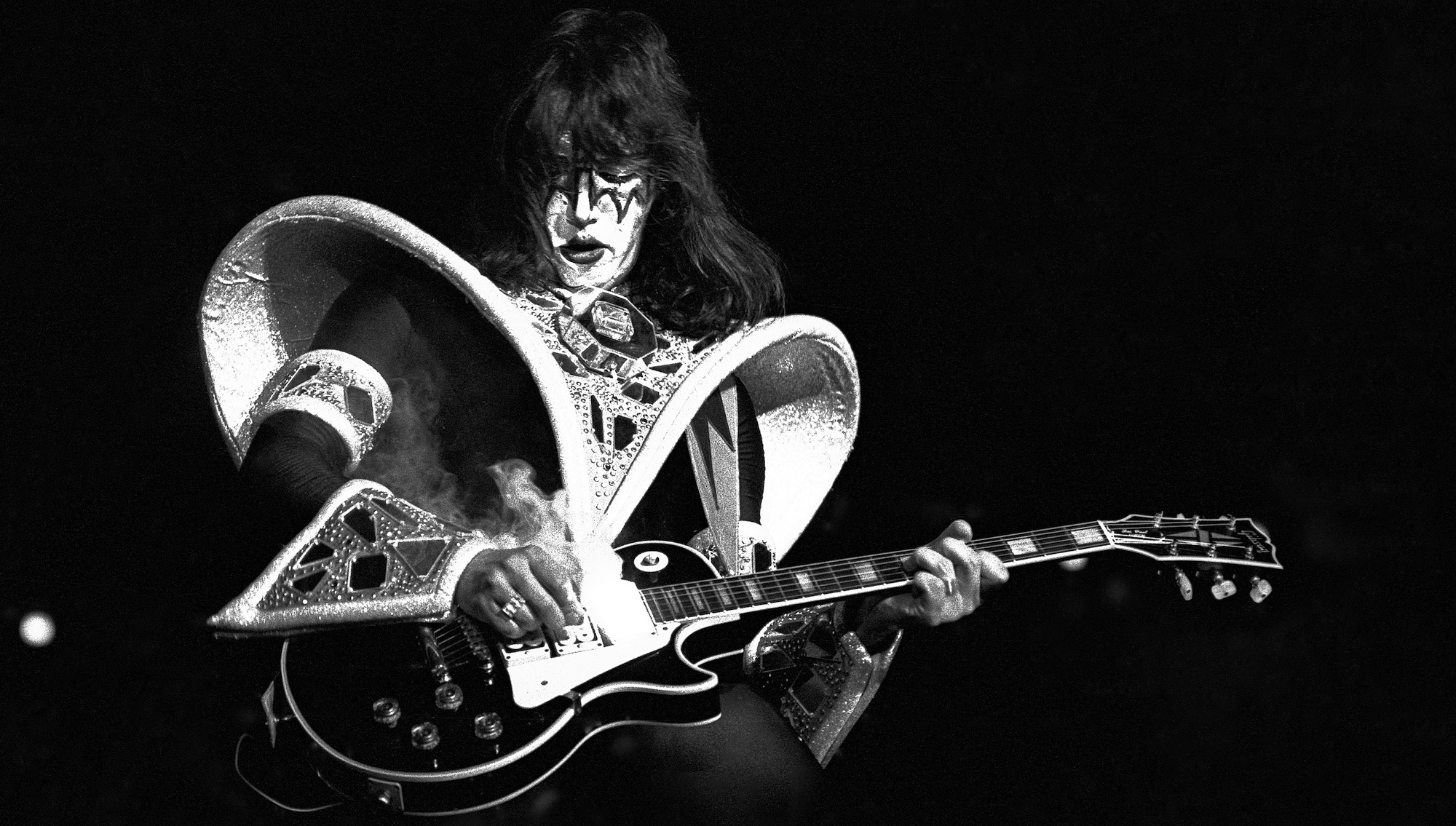
When Ace Frehley co-founded KISS in 1973 alongside Paul Stanley, Gene Simmons, and Peter Criss, the group’s visual presentation and theatrical shock-rock style quickly made them a global phenomenon. As the "Spaceman" (or "Space Ace"), Frehley crafted some of the most influential guitar riffs and solos in rock history. However, the relentless touring schedules, massive commercial success, and rock ’n’ roll lifestyle led to severe substance abuse, particularly chronic alcoholism and drug dependency.
During the height of his fame in the 1970s and 1980s, Frehley experienced multiple events that he would later reframe through a spiritual lens:
- The 1976 Lakeland Electrocution: On December 12, 1976, during a KISS concert in Lakeland, Florida, Frehley touched an ungrounded metal staircase and suffered a severe electrical shock that rendered him unconscious. He miraculously walked off stage and returned to finish the show, an incident that inspired his classic song "Shock Me."
- High-Speed Automobile Accidents: Throughout the early 1980s, Frehley was involved in several high-speed car crashes, including a famous incident in 1982 driving his DeLorean head-on into a tree, which he survived with minor injuries.
- Severe Alcohol and Substance Toxicity: Decades of heavy binge drinking and substance use brought him to the brink of physical collapse on numerous occasions.
In later reflections, Frehley expressed amazement at having survived these harrowing incidents. Where critics saw reckless luck, Frehley increasingly recognized what he described as guardian angels and divine protection, believing that God preserved his life for a broader purpose.
- Early Upbringing
- Lutheran faith & church music in the Bronx
- KISS Stardom & Crisis
- Decades of substance abuse & near-death events
- September 15, 2006
- Sobriety turning point & surrender to God
- Public Life & Solo Era
- Open witness of faith, gratitude, & recovery
Sobriety, Recovery, and Spiritual Awakening
The definitive turning point in Ace Frehley’s personal life and public spiritual expression occurred on September 15, 2006. Facing deteriorating health, strained family relationships, and personal exhaustion, Frehley committed to complete sobriety, spurred on by an intervention from his daughter, Monique.
Central to Frehley’s recovery was the adoption of 12-step principles, which place explicit emphasis on surrendering one's life and will to a Higher Power. For Frehley, this was not an abstract philosophical exercise, but a direct return to the God of his youth. In media interviews following his breakthrough, he openly acknowledged that self-reliance had failed him and that surrendering his addiction to God was the only reason he achieved sustained sobriety.
Since 2006, Frehley has celebrated continuous sobriety. He frequently uses public platforms—including print interviews, podcast appearances, and fan conventions—to speak candidly about the necessity of faith in overcoming addiction. He often reminds fans that if someone who lived as recklessly as he did can find redemption and clarity through God, recovery is possible for anyone.
Faith in Public Life: Solo Career and Media Testimonies
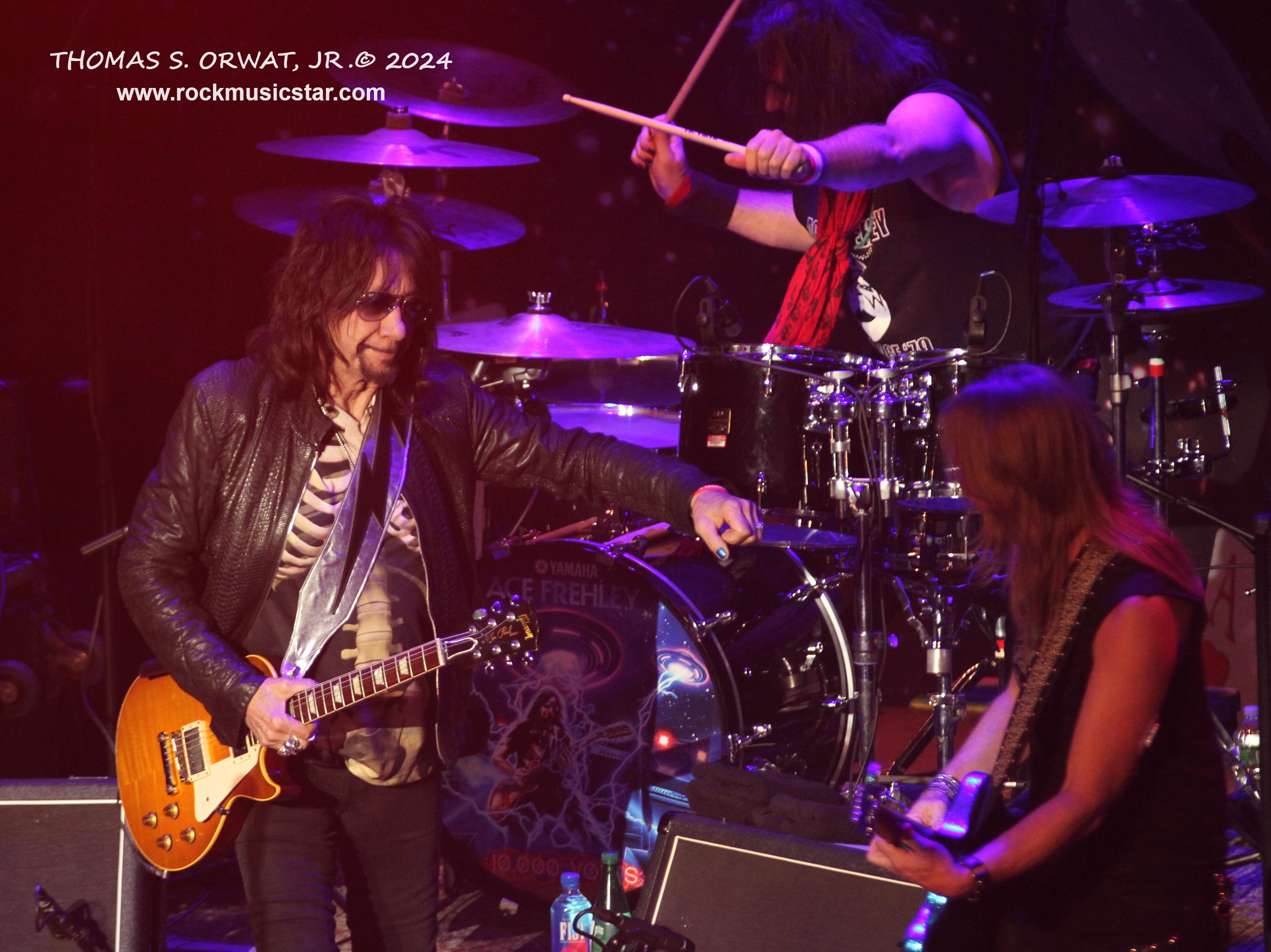
In his post-KISS solo career, encompassing albums such as Anomaly (2009), Space Invader (2014), Spaceman (2018), and 10,000 Volts (2024), Frehley’s public commentary has routinely reflected his spiritual worldview. While his musical style remains anchored in hard-rock riffs and cosmic themes, his interview discussions frequently pivot to gratitude, prayer, and divine intervention.
Unlike contemporary Christian music (CCM) artists whose lyrics explicitly preach theology, Frehley operates within the secular arena while maintaining an unvarnished personal witness. He regularly speaks about praying daily, seeking spiritual guidance before making major career decisions, and acknowledging God's role in his ongoing creativity and stamina as a performer well into his seventies.
Furthermore, Frehley’s public life serves as an important bridge between the classic rock community and practical faith advocacy. By discussing his struggles openly, he demystifies recovery and demonstrates that personal faith and authentic rock ’n’ roll musicianship are not mutually exclusive.
Milestones in Ace Frehley’s Journey of Faith and Career
The following table summarizes key moments in Ace Frehley’s life, highlighting the evolution of his public persona, career milestones, and underlying spiritual developments.
| Era / Year | Career & Public Life Milestone | Personal & Spiritual Context | Impact on Public Image |
|---|---|---|---|
| 1951–1970 | Raised in the Bronx, NY; learns guitar and church harmonies. | Raised in a practicing Lutheran family; exposed to Christian doctrine. | Establishes early moral and musical foundation prior to fame. |
| 1973–1982 | Co-founds KISS; releases solo album (1978); survives 1976 stage electrocution. | Period of severe addiction; experiences near-death events later attributed to divine mercy. | Publicly viewed as the wild "Spaceman"; internal struggles kept private. |
| 1987–2002 | Launches Frehley’s Comet; rejoins KISS for massive 1996 Reunion Tour. | Ongoing battles with alcohol dependence despite professional successes. | Maintained rock-star lifestyle while struggling with personal stability. |
| 2006 | Begins continuous sobriety on September 15, 2006. | Spiritual turning point; surrenders addiction to God via 12-step recovery. | Shifts public narrative toward recovery, health, and accountability. |
| 2009–Present | Releases solo albums (Anomaly, Spaceman, 10,000 Volts); tours worldwide. | Speaks openly in media about prayer, belief in God, and gratitude for life. | Recognized as a rock legend whose faith and sobriety inspire fans globally. |
Public Perception and Misconceptions
Throughout his career, public perception of Ace Frehley's faith has been shaped by both the broader cultural environment and the theatrical nature of hard rock. Understanding his public standing requires addressing several persistent misconceptions:
The "Satanic Panic" Misconception
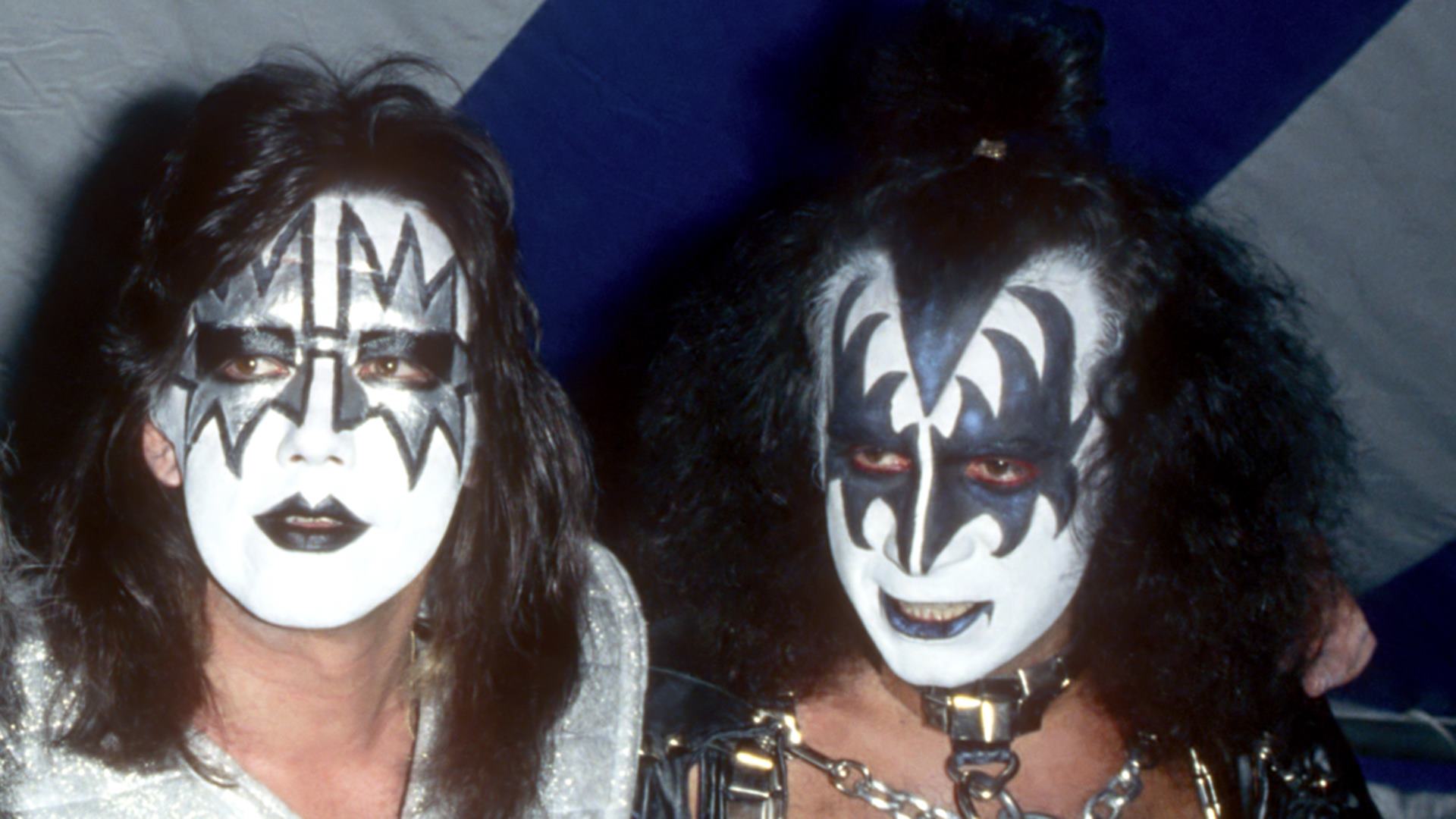
During the late 1970s and 1980s, conservative religious groups falsely claimed that the band name KISS stood for "Knights in Satan's Service." In reality, the band’s makeup, costumes, and theatrical effects were inspired by comic books, horror cinema, and glam rock. Frehley himself never engaged in occult practices, and he has consistently dismissed those rumors as absurd fabrications driven by sensationalism.
The Contemporary Christian Artist Label
Because Frehley speaks candidly about God and recovery, some commentators occasionally mischaracterize him as a "Christian rock artist." Frehley does not write worship music or operate within the Christian publishing industry. Instead, he remains a mainstream classic hard-rock guitarist whose personal faith informs his character and life choices rather than defining his commercial genre.
Theology vs. Experiential Faith
Frehley’s approach to faith in public life is practical and experiential rather than dogmatic. He does not use his platform to engage in complex theological debates or political proselytizing. Rather, his public testimony focuses heavily on core principles: gratitude for life, the power of prayer, the reality of a higher power, and the life-saving impact of sobriety.
Frequently Asked Questions
Is Ace Frehley a practicing Christian?
Yes, Ace Frehley was raised in the Lutheran church and has repeatedly stated in interviews that he believes in God, prays daily, and maintains a personal Christian faith. While he does not frequently discuss specific church attendances, he attributes his life and career longevity to divine intervention.
Did faith play a direct role in Ace Frehley getting sober?
Faith played a decisive role in Frehley's sobriety. On September 15, 2006, after struggling with alcoholism for decades, he turned to a 12-step recovery program, which requires surrendering one's addiction to a Higher Power. Frehley has openly credited God with giving him the strength to maintain long-term sobriety.
How does Ace Frehley express his spiritual beliefs in public?
Frehley expresses his faith primarily through media interviews, public talks on recovery, and personal interactions with fans. Rather than delivering explicit sermons, he shares personal testimonies regarding how God saved him from near-death experiences and addiction.
Was Ace Frehley involved in any occult practices during his time with KISS?
No. Despite rumors generated during the "Satanic Panic" of the 1970s and 1980s, the visual imagery of KISS was entirely theatrical and entertainment-driven. Frehley has repeatedly clarified that the band's makeup and stage show had no connection to occultism or Satanism.
Are there religious themes in Ace Frehley's solo music?
While his solo music remains grounded in classic hard rock and sci-fi themes, several songs on his post-2006 albums feature themes of light, perseverance, personal redemption, and gratitude. His lyrics frequently reflect an optimistic worldview shaped by his recovery journey.
Understanding the Legacy of Faith and Recovery in Rock History
Ace Frehley’s life demonstrates how personal faith can serve as a restoring force within the demanding landscape of world-class rock music. For fans and researchers examining the intersection of popular culture and personal belief, Frehley’s journey offers several key takeaways:
- Separate Stage Persona from Personal Beliefs: Theatrical stage personas, makeup, and heavy guitar riffs do not reflect an artist's personal spiritual core or moral convictions.
- Recognize the Role of Faith in Addiction Recovery: Frehley’s long-term sobriety underscores how spiritual surrender and faith in God can serve as vital tools for overcoming severe substance dependency.
- Appreciate Practical Testimony: Spiritual impact in public life does not always require formal proselytizing; sharing authentic experiences of survival, prayer, and gratitude can resonate deeply across diverse audiences.
Ultimately, Ace Frehley’s public narrative has evolved from that of a wild, high-speed guitar hero to a sober, grateful elder statesman of rock who unhesitatingly gives credit to God for his second chance at life.