In 2026, choosing the right footwear is the most critical decision a pickleball player can make to ensure longevity and performance. Hoka has become a dominant force on the court by adapting its signature maximalist cushioning and Meta-Rocker geometry to meet the high-impact, lateral demands of pickleball, providing unmatched joint protection and stability for players of all levels.
The Evolution of Court Footwear: Why Hoka for Pickleball?
Pickleball is a sport defined by rapid-fire volleys, sudden lateral sprints, and frequent "split steps." Unlike running, which is a linear activity, pickleball requires a shoe that can handle multi-directional stress. For years, Hoka was synonymous with ultramarathons and trail running. However, as the pickleball explosion reached its peak in the mid-2020s, the brand's focus shifted toward the "court-adjacent" and dedicated training categories.
The primary reason players gravitate toward Hoka is the brand's unique approach to "Max Cushion." In a sport where hard-court surfaces can lead to chronic knee, hip, and ankle fatigue, Hoka’s proprietary EVA (Ethylene Vinyl Acetate) foam blends provide a significant buffer. In 2026, the integration of dual-density midsoles in their court-focused models has solved the traditional problem of "mushiness," offering a firm enough base for quick pivots while maintaining the plush feel Hoka is known for.
Furthermore, many Hoka models carry the American Podiatric Medical Association (APMA) Seal of Acceptance, making them a top recommendation for players dealing with plantar fasciitis or Achilles tendonitis. By focusing on a wider toe box and a stable bucket-seat midsole design, Hoka ensures that the foot sits "in" the shoe rather than "on top" of it, which is essential for preventing ankle rollovers during aggressive sideline chases.
Technical Specifications: What Makes a Hoka Court-Ready?
When evaluating Hoka shoes for the pickleball court, it is essential to look beyond the aesthetics and focus on three technical pillars: lateral stability, outsole compound, and stack height.
1. Lateral Stability and the Active Foot Frame
Standard running shoes are designed for forward motion; their uppers are often too pliable for the side-to-side shearing forces of a cross-court dink battle. Hoka’s court-optimized models utilize an Active Foot Frame. This technology acts like a cradle for the heel and midfoot, locking the foot into place. This is coupled with a "J-Frame" or "S-Frame" support system that uses firmer foam on the medial side to prevent overpronation during quick stops.
2. Outsole Durability and Traction
Pickleball courts are typically surfaced with an acrylic grit that acts like sandpaper on rubber. A standard running shoe outsole will often smooth out within weeks of heavy play. Hoka’s training and court models, such as the Kawana 2 and the Solimar, feature high-abrasion rubber zones strategically placed in the forefoot and heel. These zones are designed to withstand the "toe-drag" common in serves and the heavy friction of the "No-Volley Zone" (the kitchen) scrambles.
3. Stack Height and Court Feel
In the context of 2026 footwear trends, "stack height" refers to the amount of material between your foot and the ground. While Hoka is famous for high stacks, their pickleball-friendly options often feature a slightly lower profile than their maximalist runners (like the Bondi). A lower stack height increases "court feel," allowing the player to react faster and feel more connected to the surface, which reduces the risk of stumbling.
Top Hoka Models for Pickleball Performance in 2026
While Hoka continues to refine its lineup, specific models have emerged as the gold standard for court enthusiasts. It is important to distinguish between models designed for the gym/court and those designed strictly for the road.
The Hoka Kawana 2: The Versatile Powerhouse
The Kawana 2 remains the most recommended Hoka for the serious pickleball player. Its standout feature is the SwallowTail™ heel, a bifurcated design that allows for smoother heel strikes and more stable landings. The foam is slightly firmer than the Clifton series, which provides the necessary energy return for explosive movements toward the net. The engineered mesh upper is reinforced in high-wear areas, ensuring that the lateral "stretch" is minimized.
The Hoka Solimar: Low Profile, High Agility
For players who prefer a "grounded" feel, the Solimar is the preferred choice. It features a lower stack height and a more traditional drop (the height difference between the heel and toe). The Solimar is exceptionally lightweight, making it ideal for players who rely on speed and fast hands at the kitchen. Its streamlined silhouette prevents the "clunkiness" that some players associate with larger Hoka models.
The Hoka Transport: The Durable Hybrid
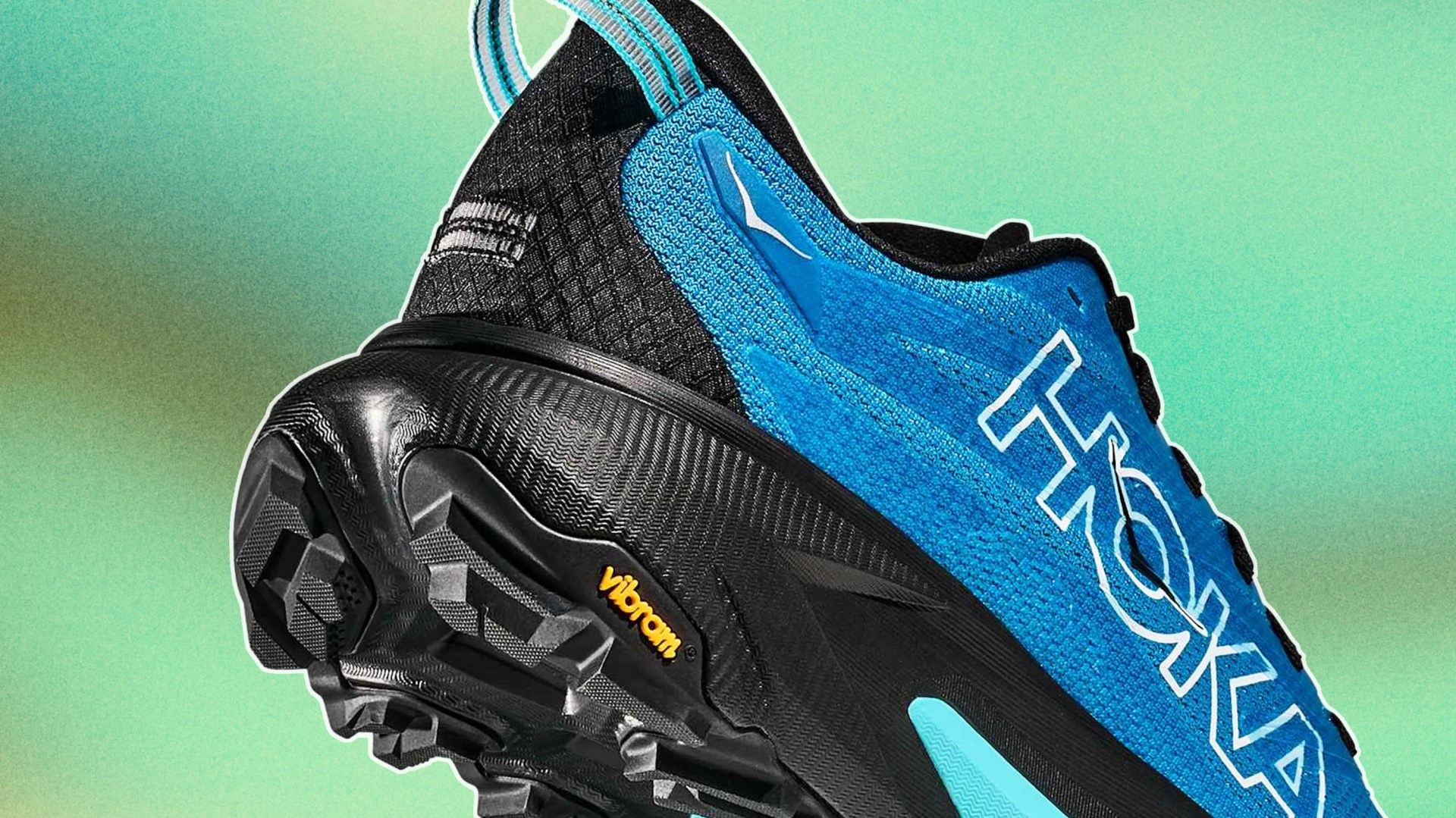
While marketed as a lifestyle/commuter shoe, the Transport has gained a cult following in the pickleball community due to its Vibram® EcoStep Natural outsole. This rubber compound provides some of the best grip on outdoor courts, especially in slightly humid conditions. The quick-toggle lace system also ensures a snug fit that doesn't loosen during long tournament days.
Comparison of Key Hoka Models for the Court
| Model | Primary Use | Cushion Level | Stability Rating | Outsole Durability |
|---|---|---|---|---|
| Kawana 2 | Performance Court/Gym | Balanced/Firm | High | Excellent |
| Solimar | Fast-Paced Agility | Responsive | Medium | Good |
| Transport | Casual/Outdoor Play | Plush | Medium-High | Superior |
| Mach 6 | Speed/Training | Responsive | Low-Medium | Average |
| Bondi 8 | Recovery/Standing | Maximum | Medium | Low (Road only) |
The Risks of Using Hoka Running Shoes for Pickleball
A common mistake made by new players is wearing their favorite Hoka running shoes, such as the Clifton or Bondi, onto the pickleball court. While these shoes are masters of comfort, they are fundamentally ill-equipped for the sport’s lateral demands.
The high stack height and "rocker" shape of a dedicated running shoe create a high center of gravity. When a player lunges sideways to return a hard-angled shot, the soft foam of a runner can compress unevenly, leading to a "roll" of the ankle. Additionally, running shoes feature "blown rubber" outsoles, which are lightweight but lack the density to survive the abrasive nature of a hard court. In 2026, sports medicine clinics continue to report that a high percentage of court-related ankle sprains occur when players wear linear running shoes for multi-directional sports.
How to Optimize Your Hoka Experience
To get the most out of your Hoka pickleball shoes, consider the following technical adjustments and maintenance tips:
- Select the Right Sock: Hoka shoes generally have a generous internal volume. Pairing them with a mid-weight, moisture-wicking synthetic or merino wool blend sock can prevent internal foot sliding, which is a major cause of blisters during high-intensity play.
- The "Runner’s Loop" Lacing: Use the extra eyelet at the top of the shoe to create a "heel lock." This prevents your foot from sliding forward and hitting the toe box during hard stops, preserving your toenails.
- Monitor Outsole Wear: Once the tread pattern on the medial side (the inner edge of the ball of your foot) disappears, the shoe’s traction is compromised. In 2026, most performance players find that a pair of Hokas lasts approximately 4–6 months of consistent play (3 times per week).
- Allow for Foam Recovery: EVA foam requires time to decompress. If you play daily, rotating between two pairs of shoes will extend the life of the cushioning and maintain the "pop" of the midsole.
Frequently Asked Questions
Can I use Hoka tennis shoes for pickleball?
Yes. If Hoka releases a tennis-specific model (often characterized by reinforced toe caps and denser outsoles), it is perfectly suitable for pickleball. Both sports share the same lateral movement patterns and surface abrasions.
Are Hoka shoes good for wide feet?
Hoka is one of the leading brands for players with wide feet. Many of their court-compatible models, like the Kawana, are offered in "Wide" (2E) and "Extra Wide" (4E) variants, providing the necessary room to prevent "pinky toe" pinching during lateral lunges.
How do I clean my Hoka shoes after playing on an outdoor court?
Outdoor courts often leave a fine blue or green dust on shoes. Use a soft-bristled brush and a mixture of mild soap and cold water. Avoid the washing machine, as the heat and agitation can break down the specialized adhesives and the integrity of the EVA foam.
Do Hoka shoes help with knee pain on the court?
Many players report reduced joint pain when switching to Hoka due to the high energy absorption of the midsole. By reducing the peak impact forces transmitted through the tibia to the knee, Hoka's maximalist cushioning acts as a shock absorber for the entire kinetic chain.
Is the "Meta-Rocker" technology helpful for pickleball?
The Meta-Rocker is designed to encourage a natural gait cycle. In pickleball, this is particularly helpful during the "sprint to the kitchen." It helps players transition from the heel or midfoot to the forefoot faster, potentially shaving milliseconds off their reaction time.
Final Recommendation for Court Success
If you are looking to "ace the court" in 2026, the Hoka Kawana 2 stands as the premier choice for the majority of pickleball players. Its balance of stability, high-rebound cushioning, and lateral support makes it the most capable "all-rounder" in the Hoka catalog. For those who prioritize a lightweight, minimalist feel without sacrificing the Hoka DNA, the Solimar is the ideal secondary choice.
Before committing to a pair, always perform a "lateral stress test": put the shoe on, lace it tightly, and mimic a side-to-side shuffle. If your foot feels secure and the shoe doesn't "fold" over the edge of the sole, you have found your perfect match. Investing in the right Hoka model is not just about comfort—it is an investment in your ability to stay on the court longer and play more aggressively with total confidence in your footing.