Accountability and transparency are the fundamental pillars of ethical governance, ensuring that organizations remain responsible for their actions while providing stakeholders with clear, accessible information. Accountability focuses on the obligation to report and face consequences, while transparency ensures the visibility of decision-making processes, financial data, and operational outcomes to build sustainable trust.
Defining the Symbiotic Relationship Between Accountability and Transparency
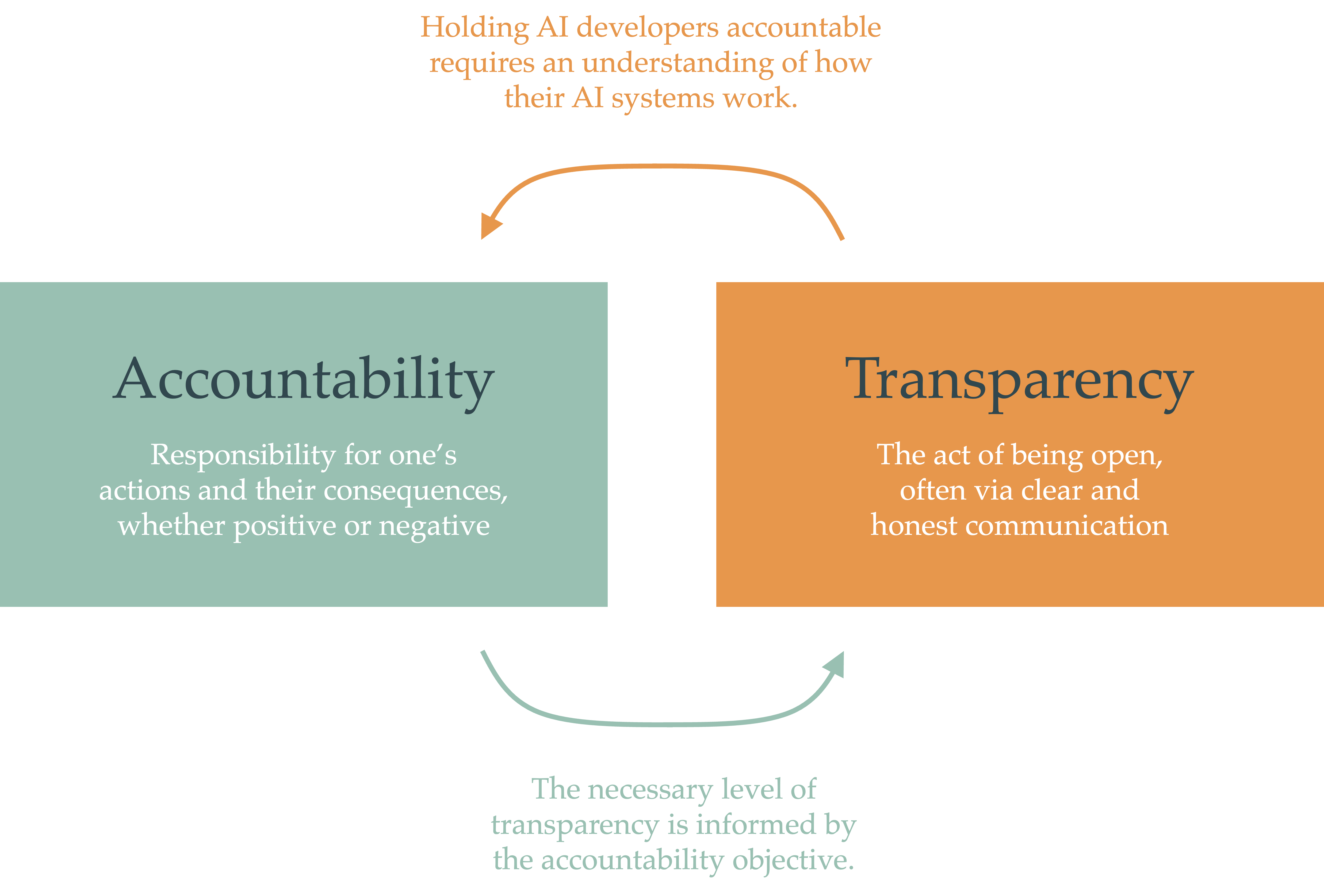
While often used interchangeably, accountability and transparency are distinct yet inseparable components of effective management. Transparency is the proactive act of sharing information, whereas accountability is the reactive or structural obligation to answer for the results of that information. In the landscape of 2026, these concepts have shifted from voluntary "corporate social responsibility" initiatives to mandatory, data-driven requirements enforced by both regulators and market sentiment.
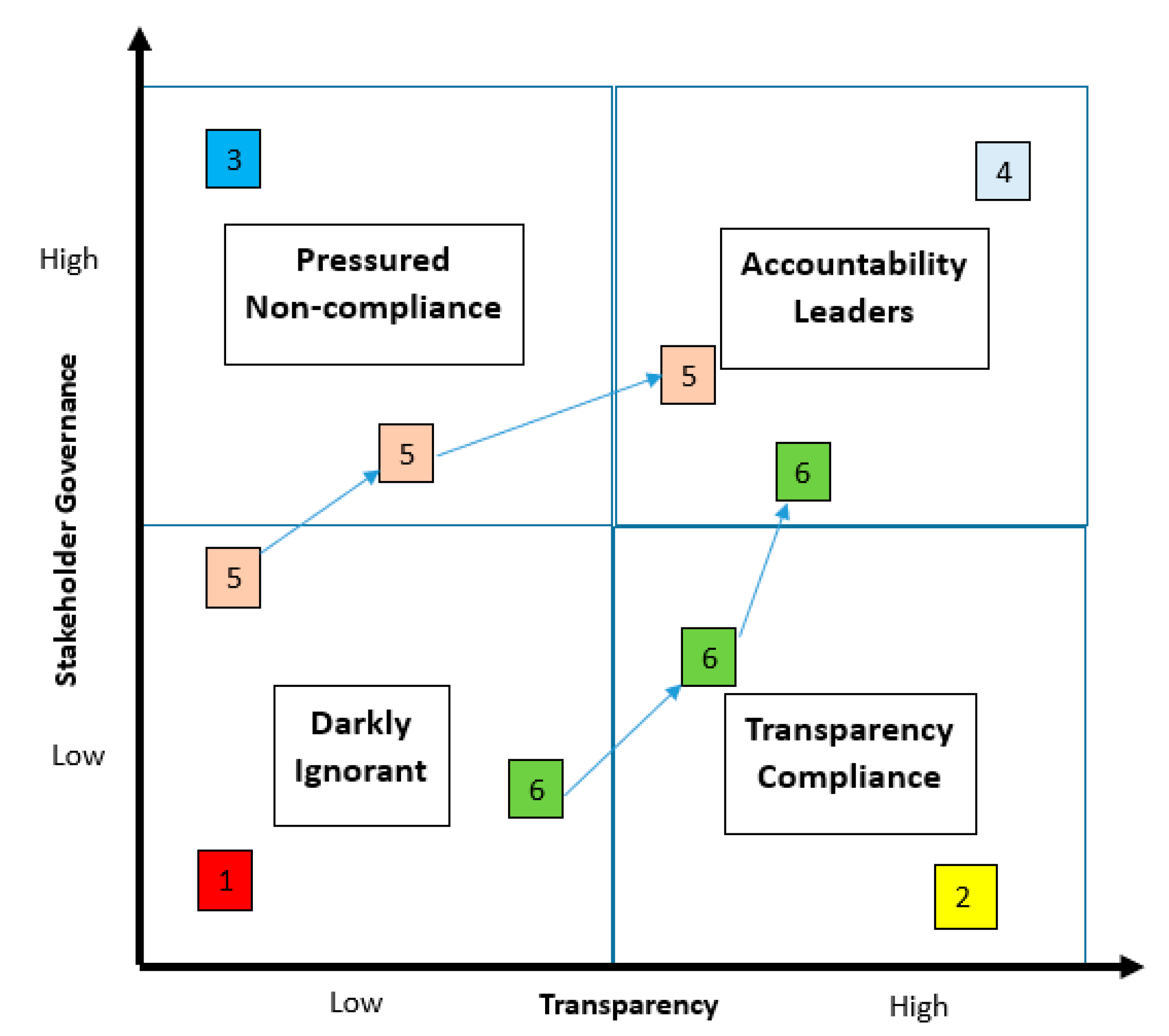
Transparency functions as the "light" that makes accountability possible. Without transparency, stakeholders—including investors, employees, and the public—cannot see whether an organization is meeting its promises. Conversely, transparency without accountability is merely "performance theater." If an organization discloses a massive failure or an ethical breach but faces no internal or external consequences, the transparency has failed to produce a meaningful outcome.
To achieve a balanced framework, organizations must implement mechanisms that not only broadcast what they are doing (transparency) but also define who is responsible for specific outcomes and what the repercussions are for non-compliance (accountability). This relationship is increasingly mediated by digital audit trails and automated reporting systems that leave little room for the obfuscation seen in previous decades.
The Regulatory and Ethical Landscape of 2026
By 2026, the global regulatory environment has matured significantly, particularly regarding non-financial disclosures. The expansion of the International Sustainability Standards Board (ISSB) and the full implementation of the European Union’s Corporate Sustainability Reporting Directive (CSRD) have set a high bar for how companies must document their internal workings. Accountability is no longer just about the balance sheet; it encompasses environmental impact, labor practices, and algorithmic fairness in AI systems.
Organizations are now required to provide "machine-readable" transparency. This means that data regarding carbon footprints, executive pay ratios, and supply chain ethics must be tagged and formatted for immediate analysis by third-party auditors and AI-driven watchdog groups. This level of granular visibility forces a higher degree of accountability, as discrepancies are identified in real-time rather than during a retrospective annual audit.
Ethically, the "social license to operate" has become more precarious. Consumers in 2026 demand radical transparency. They want to know the origin of every component in a product and the specific identity of the decision-makers behind corporate policies. This shift has moved accountability from the boardroom to the public square, where brand reputation is tied directly to the veracity of an organization's public disclosures.
Core Components of an Accountability Framework
Implementing a robust accountability framework requires more than just a code of conduct. It requires a structural redesign of how authority is delegated and monitored. A successful framework includes three primary dimensions: responsibility, answerability, and enforceability.
- Responsibility: This is the prospective side of accountability. It involves clearly defining roles and expectations before actions are taken. In 2026, many organizations use "Responsibility Assignment Matrices" (RACI models) that are integrated into project management software to ensure that every task has a designated owner who is personally responsible for the outcome.
- Answerability: This requires the individual or entity to explain their actions and decisions. It is where transparency meets accountability. Answerability is often facilitated through regular town halls, public filings, and internal reviews where leaders must justify their strategy against predetermined Key Performance Indicators (KPIs).
- Enforceability: This is the most critical and often the weakest link. True accountability requires consequences. This may involve financial penalties, removal from office, or legal action. In a corporate context, this is often tied to "clawback" provisions in executive contracts, where bonuses must be returned if later transparency reveals that targets were met through unethical or unsustainable means.
Technological Enablers of Transparency
The shift toward total transparency is driven largely by technological advancements that make information silos difficult to maintain. In 2026, several key technologies serve as the backbone for organizational openness:
- Blockchain and Distributed Ledger Technology (DLT): Blockchain provides an immutable record of transactions. In supply chain management, this allows for "provenance transparency," where the journey of a product can be traced from raw material to the consumer without the possibility of data tampering.
- Real-Time Dashboards: Many public and private sector organizations now host "Live Transparency Portals." These dashboards provide real-time updates on budget spending, project milestones, and environmental metrics. This reduces the time-lag between an event occurring and the public becoming aware of it.
- AI-Driven Governance, Risk, and Compliance (GRC) Platforms: Artificial intelligence is used to monitor internal communications and financial flows to detect anomalies that might indicate a lack of accountability. These systems can flag potential fraud or ethical violations before they escalate into major scandals.
| Transparency Level | Characteristics | Accountability Impact | Typical Use Case |
|---|---|---|---|
| Opaque | Minimal disclosure; information restricted to top leadership. | Low; blame is easily shifted and errors are hidden. | Proprietary R&D; sensitive military operations. |
| Compliant | Meets minimum legal requirements; "check-the-box" reporting. | Moderate; accountability is limited to regulatory fines. | Standard small-to-medium enterprise (SME) operations. |
| Active | Regular public updates; clear communication channels. | High; stakeholders are empowered to ask questions. | Publicly traded corporations; modern NGOs. |
| Radical | Real-time data access; full visibility of internal processes. | Maximum; every decision is traceable to an individual. | Open-source projects; "Government 2.0" initiatives. |
Addressing the "Transparency Paradox" and Data Privacy
While the push for transparency is overwhelming, organizations must navigate the "Transparency Paradox"—the phenomenon where too much visibility can actually lead to decreased productivity or "theatrical" behavior. When employees feel they are being watched 24/7, they may focus more on looking busy or compliant than on being innovative or honest.
Furthermore, transparency must be balanced against legitimate privacy concerns. The implementation of the General Data Protection Regulation (GDPR) and its global successors has created a complex legal environment where organizations must be transparent about their processes while being protective of personal data.
To manage this, organizations in 2026 are adopting "Privacy-Preserving Transparency." This involves using zero-knowledge proofs and data aggregation. For example, a company might prove that its gender pay gap is zero without revealing the individual salaries of its employees. This allows for accountability (the goal is met) and transparency (the proof is public) without violating the privacy of the workforce.
Common Obstacles to Effective Implementation
Despite the clear benefits, many organizations struggle to maintain high standards of accountability and transparency. The most common obstacles include:
- Sunk Cost Fallacy and Defensive Culture: When leaders have invested heavily in a failing project, they are often tempted to reduce transparency to buy time or "spin" the results. Overcoming this requires a culture where "failing fast" is accepted and reported honestly.
- Information Overload: Sometimes, organizations use "transparency" as a weapon by releasing massive amounts of unorganized data (a "data dump") to hide specific, unfavorable facts. Effective transparency requires that data be curated, summarized, and made useful.
- Fragmented Systems: If an organization’s financial data is in one system and its operational data is in another, it is difficult to provide a holistic view of performance. Integration is a prerequisite for both clear reporting and accurate accountability.
Frequently Asked Questions
What is the difference between transparency and accountability?
Transparency is the degree to which an organization's actions, decisions, and data are visible to stakeholders. Accountability is the obligation of the organization or its individuals to accept responsibility for those actions and be subject to consequences if standards are not met. Transparency provides the information, while accountability provides the reaction.
How does transparency improve employee morale?
Transparency reduces uncertainty and fosters a sense of fairness. When employees understand the "why" behind executive decisions and see that the same rules apply to everyone—regardless of rank—it builds psychological safety. This leads to higher engagement, as staff feel they are part of an honest and stable environment.
Can an organization be too transparent?
Yes, excessive transparency can lead to privacy violations or the loss of competitive advantage (intellectual property). It can also create "micromanagement stress" for employees. The goal should be "optimal transparency," which focuses on sharing information that is relevant to stakeholder trust and decision-making without compromising security or individual privacy.
What are the legal consequences of failing to provide transparency in 2026?
By 2026, many jurisdictions have enacted laws that equate a lack of transparency with fraud or negligence. This can result in significant administrative fines, the voiding of government contracts, and in severe cases, the personal liability of directors and officers who failed to implement proper disclosure controls.
How do I start building an accountability culture?
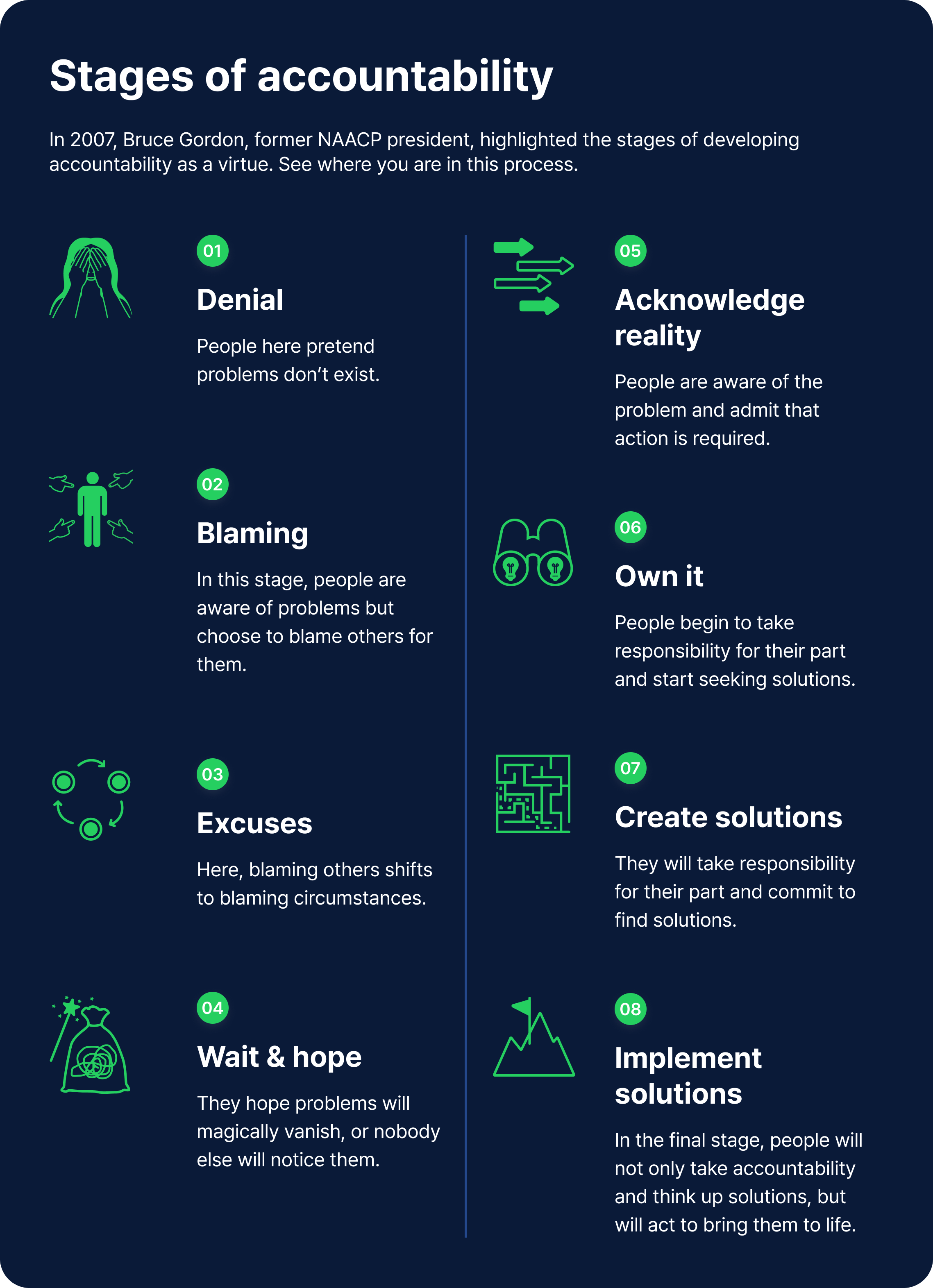
Start by defining clear, measurable expectations for every role and documenting them. Introduce regular "integrity audits" where processes are reviewed openly. Finally, lead by example; when leadership takes public responsibility for mistakes, it sets a precedent that accountability is a value, not a punishment.
Strategies for Sustained Improvement
To maintain accountability and transparency in the long term, organizations should move away from annual "events" and toward continuous monitoring. This involves the integration of governance into the daily workflow.
The first step is a governance audit to identify where information is currently hidden and who is responsible for it. Once these gaps are identified, the organization should invest in a centralized "Source of Truth"—a unified data platform that ensures all reports are based on the same verified information.
Furthermore, organizations should establish an independent Oversight Committee or appoint an internal Ombudsman. This entity should have the authority to investigate transparency failures without fear of retaliation from management. By 2026, the most successful organizations are those that treat transparency not as a burden of disclosure, but as a strategic asset that attracts high-quality talent and loyal investors who value stability and integrity above all else.