Account sharing is the practice of providing login credentials to others to grant them access to a digital service under a single subscription. In 2026, this practice has transitioned from an informal habit to a strictly regulated feature, with major platforms utilizing "Extra Member" fees and household-based verification to manage and monetize users outside a primary residence.
The landscape of digital consumption has shifted dramatically over the last decade. What was once a widely ignored—or even encouraged—behavior by streaming giants and software providers has become a focal point for revenue protection and cybersecurity. As we navigate the digital environment of 2026, understanding the technical, legal, and security implications of account sharing is essential for anyone looking to balance cost-efficiency with platform compliance.
The Evolution of Account Sharing Policies
The philosophy regarding account sharing has undergone a total reversal. In the mid-2010s, platforms like Netflix famously tweeted that "Love is sharing a password." However, as market saturation occurred and subscriber growth slowed, the industry pivoted toward "paid sharing" models. By 2026, the standard operating procedure for almost all Tier-1 streaming services—including Netflix, Disney+, and Max—revolves around the concept of a "Household."
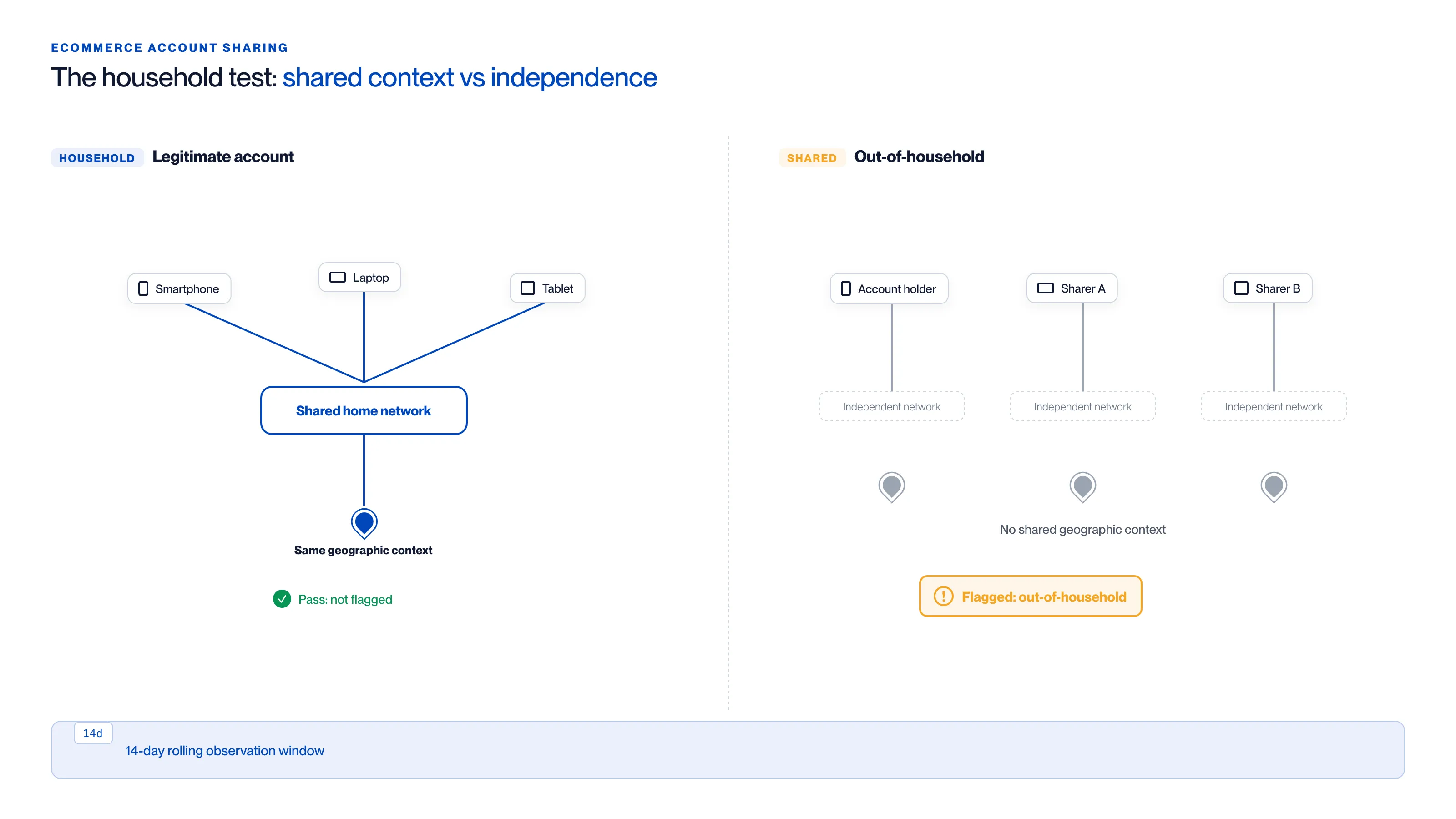
A Household is typically defined as a collection of devices connected to the internet at the main place where you watch the service. This definition is enforced through technical telemetry. When a device attempts to access an account from a location outside this primary network for an extended period, the platform triggers a verification process. Users are now generally offered two choices: transfer the "outside" profile to a new, independent subscription or pay a supplemental monthly fee to add an "Extra Member" slot to the existing account.
This shift has also permeated the software-as-a-service (SaaS) and gaming sectors. Microsoft 365 and Adobe Creative Cloud have refined their "Family" and "Team" plans to ensure that while sharing is permitted, it occurs within a framework that preserves individual identity and security. The era of the "unlimited shared password" has effectively ended, replaced by structured, multi-user environments.
How Modern Platforms Detect Unauthorized Sharing
The detection mechanisms used in 2026 are sophisticated and rely on a combination of network data and device fingerprints. Platforms do not simply look at a single login from a new city; they analyze patterns of behavior over time to distinguish between a legitimate user traveling and an unauthorized user sharing the account.
IP Address and Geolocation Tracking
The most basic tool is the IP address. By monitoring the IP addresses that regularly access an account, a service can establish a "home base." If an account is consistently accessed by two different IP addresses in two different states simultaneously, it flags the account for review. Platforms use Netflix's Household documentation as a blueprint, requiring devices to connect to the home Wi-Fi at least once every 31 days to maintain "trusted" status.
Device Identification (MAC Addresses)
Every hardware device has a unique Media Access Control (MAC) address. Platforms track which specific TVs, tablets, and smartphones are authorized. In 2026, "device limits" are often more strictly enforced than "screen limits." Even if you have a plan that allows four simultaneous streams, the service may restrict those streams to a pre-verified list of registered devices to prevent casual sharing with friends.
Behavioral Heuristics
Advanced AI algorithms now analyze viewing or usage habits. If one profile on an account is watching children’s cartoons in London while another profile is editing spreadsheets in New York at the same time, the system recognizes a high probability of account sharing. These behavioral markers, combined with metadata like time zones and language settings, make it nearly impossible to circumvent sharing restrictions through simple VPN usage.
The Security Risks of Credential Sharing
Beyond the risk of having an account throttled or banned, informal account sharing presents significant security vulnerabilities. Sharing a password often involves bypassing modern security protocols, which can leave both the sharer and the recipient exposed to data breaches.
Password Fatigue and Reuse
When users share accounts, they frequently use "simple" passwords that are easy to communicate via text or voice. Furthermore, if a user shares their Netflix password and happens to use that same password for their primary email or banking, a single compromise can lead to a total identity takeover. Password sharing encourages poor security hygiene, as the owner loses control over who exactly has the credentials.
Bypassing Two-Factor Authentication (2FA)
In 2026, 2FA is standard for most digital services. Sharing an account now requires sharing 2FA codes, which often arrive via SMS or an authenticator app on the owner’s phone. This creates a friction point where the owner must constantly relay codes to the sharer. Some users attempt to disable 2FA to make sharing easier, which is perhaps the most dangerous side effect of the practice, as it removes the primary defense against brute-force attacks.
Loss of Data Privacy and Profile Integrity
Digital accounts are no longer just portals to content; they are repositories of personal data, watch histories, and algorithmic preferences. When you share an account, you grant the other person access to your viewing history, billing information (sometimes partially masked), and the ability to change account settings. This can lead to "profile corruption," where the platform’s recommendation engine becomes useless because it is trying to cater to multiple people with different tastes on a single profile.
Comparing Official Sharing Models in 2026
To avoid the pitfalls of unauthorized sharing, most consumers now utilize official "Family" or "Extra Member" programs. These plans are designed to provide the benefits of sharing while maintaining individual security and privacy.
| Service Type | Primary Sharing Method | Typical 2026 Pricing Structure | Best For |
|---|---|---|---|
| Video Streaming | Extra Member Slots | Base Plan + $7-$10 per extra person | Families living in separate locations |
| Music Streaming | Family Plan | $16.99 - $19.99 for 6 accounts | Households with multiple listeners |
| Productivity (SaaS) | Family/Personal Sharing | $99 - $120 per year for 6 users | Small households and students |
| Gaming (Consoles) | Home Console Sharing | Included with subscription | Two consoles in the same household |
| E-commerce | Household Sharing | Included in Prime/Membership | Spouses and domestic partners |
Legal and Ethical Considerations
While the "police" aren't going to knock on your door for sharing a password, the legal framework surrounding this practice has tightened. In many jurisdictions, sharing credentials in direct violation of a platform's Terms of Service (ToS) can be technically classified as "unauthorized access."
From a civil perspective, platforms reserve the right to terminate service without a refund if they detect sharing that violates their terms. There have also been instances where "password sharing marketplaces"—third-party sites that sell access to stolen or shared accounts—have been targeted by law enforcement under the Computer Fraud and Abuse Act (CFAA) in the United States and similar legislation globally.
Ethically, the conversation has shifted toward supporting the creators. Subscription revenue is the lifeblood of modern content production. When a service like Disney+ or Spotify loses revenue to unauthorized sharing, it often results in higher prices for legitimate subscribers or the cancellation of niche content that requires a specific ARPU (Average Revenue Per User) to remain viable.
Best Practices for Managing Shared Subscriptions
If you intend to share access to digital services in 2026, the goal should be to do so through official channels that protect your data and ensure uninterrupted service.
- Audit Your Subscriptions Regularly: Use a subscription manager to track who has access to which accounts. In 2026, many banking apps include "Subscription Tiers" that show you exactly how many "Extra Member" fees you are paying.
- Use Profile Transfers: If you are currently using someone else's account, most platforms now offer a "Profile Transfer" tool. This allows you to move your watch history and "My List" to a brand-new account, preserving your recommendations while establishing your own billing.
- Implement a Password Manager: Never share passwords via unencrypted channels like SMS or email. If you must share a credential within a household, use a password manager (like 1Password or Bitwarden) that allows for "Shared Vaults." This ensures the password remains complex and is never actually "seen" by the other user.
- Set Up "Travel" Verification: If you are traveling, be prepared to use "Temporary Codes." Most services now allow a 7-day or 14-day window for travel, which requires you to enter a code sent to the account owner’s email.
Troubleshooting Common Account Sharing Issues
The "Too Many People Using the Account" Error
This usually occurs when you have reached the limit of concurrent streams. In 2026, this is often caused by background apps on smart TVs that haven't been fully closed. To fix this, go to the "Account" or "Security" settings on the platform’s website and select "Sign Out of All Devices." This forces everyone off, allowing you to reclaim your stream.
"This Device Is Not Part of Your Household"
If you see this error while at home, your router may have been assigned a new dynamic IP address that the service doesn't recognize yet. To resolve this, open the app on a mobile device that is connected to the home Wi-Fi and navigate to the "Help" or "Account" section to "Update Household." This re-syncs your current IP as the primary location.
Missing Profiles After a Plan Change
When platforms move users from "Legacy" plans to "New" plans with sharing restrictions, some profiles may be hidden rather than deleted. Check the "Manage Profiles" section to see if a profile has been deactivated due to new "Extra Member" limits. You may need to upgrade your plan or pay for an additional slot to reactivate it.
Optimizing Your Digital Footprint
As digital services continue to fragment and implement stricter controls, the best course of action is to consolidate. Instead of sharing five different accounts with five different friends, focus on "Family Bundles" that offer the best value for your immediate household. Many mobile carriers and ISPs now offer "Entertainment Pass" add-ons that include multiple services for a single price, often with sharing features built-in and managed at the carrier level. Moving toward these regulated, official sharing models is the only way to guarantee security, privacy, and service stability in the post-password-sharing era of 2026.
FAQs About Account Sharing
Is it illegal to share my password with a friend?
Sharing a password is generally not a criminal offense for the average consumer, but it is a violation of the Terms of Service for almost all digital platforms. While you won't go to jail, the service provider has the right to permanently ban your account and all associated data. In 2026, the focus of law enforcement is on "commercial" sharing—people who sell access to accounts—rather than individuals.
Can I share my account with my child who is away at college?
Most platforms recognize "Household" as a physical location. While some services offer leeway for students, many now require the student to have an "Extra Member" slot if they are not returning home and connecting to the primary Wi-Fi at least once a month. Services like Amazon Prime offer specific "Student" tiers that are more cost-effective than sharing a main household account.
How do platforms know I'm not just traveling?
Platforms use "Temporary Access Codes" to handle travel. If you are away from your home Wi-Fi, you can usually request a code that grants access for a limited time (often 7 to 21 days). If a device stays outside the home network longer than that without "checking in" at the primary residence, the platform assumes it is a shared account rather than a traveling user.
Does sharing an account affect my credit score?
No, sharing a login does not directly impact your credit score. However, if you are the account owner and the person you share with incurs "Extra Member" charges or pay-per-view fees that you fail to pay, the resulting debt collection could eventually impact your credit. Always maintain control over the "Purchasing" permissions within your shared account settings.
Can I see who is currently using my account?
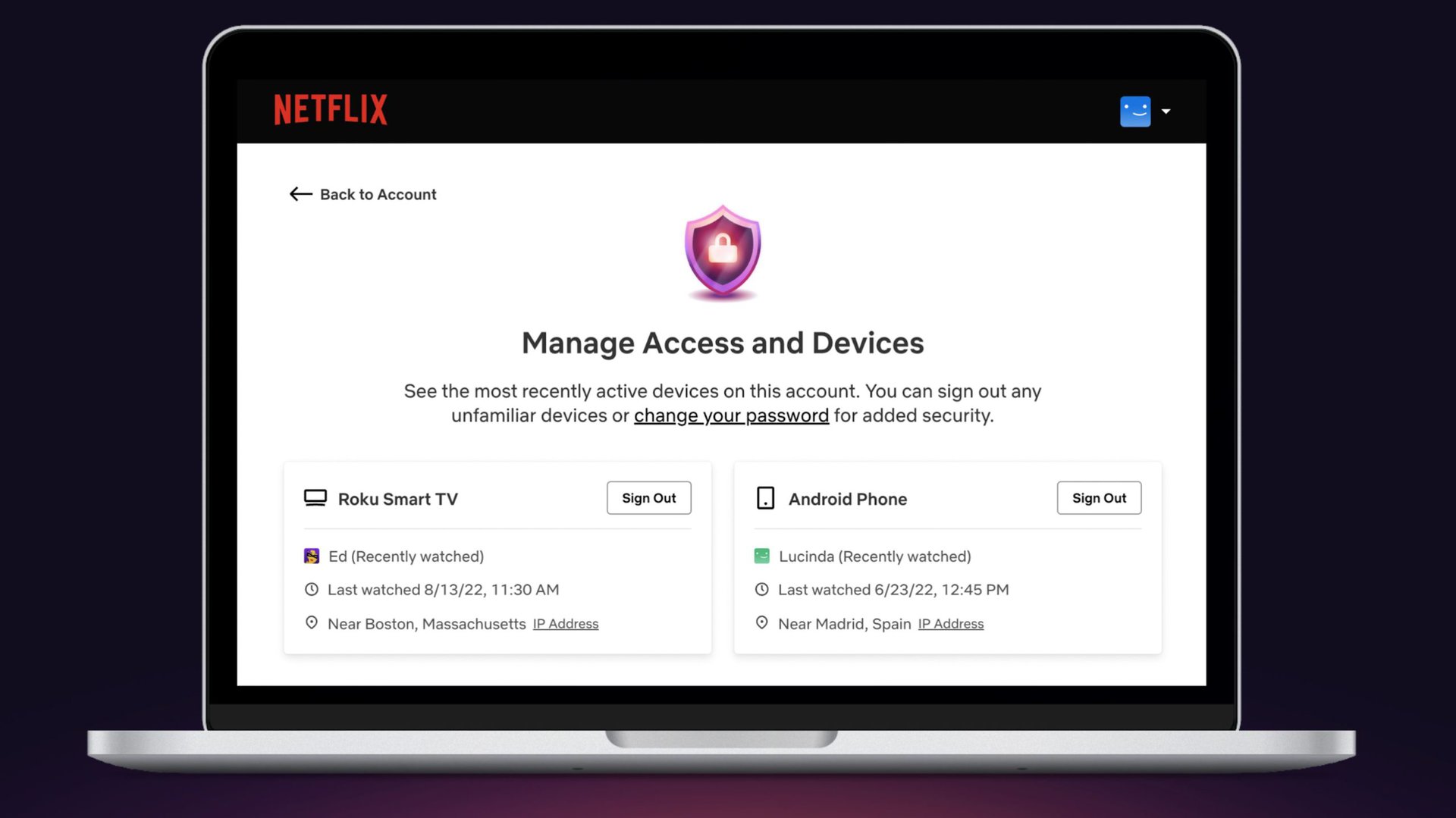
Yes, most major services in 2026 have a "Security" or "Devices" dashboard. This section will list every device currently signed in, its approximate geographic location, and the last time it was active. If you see a device you don't recognize, you should immediately "Sign Out of All Devices" and change your password.