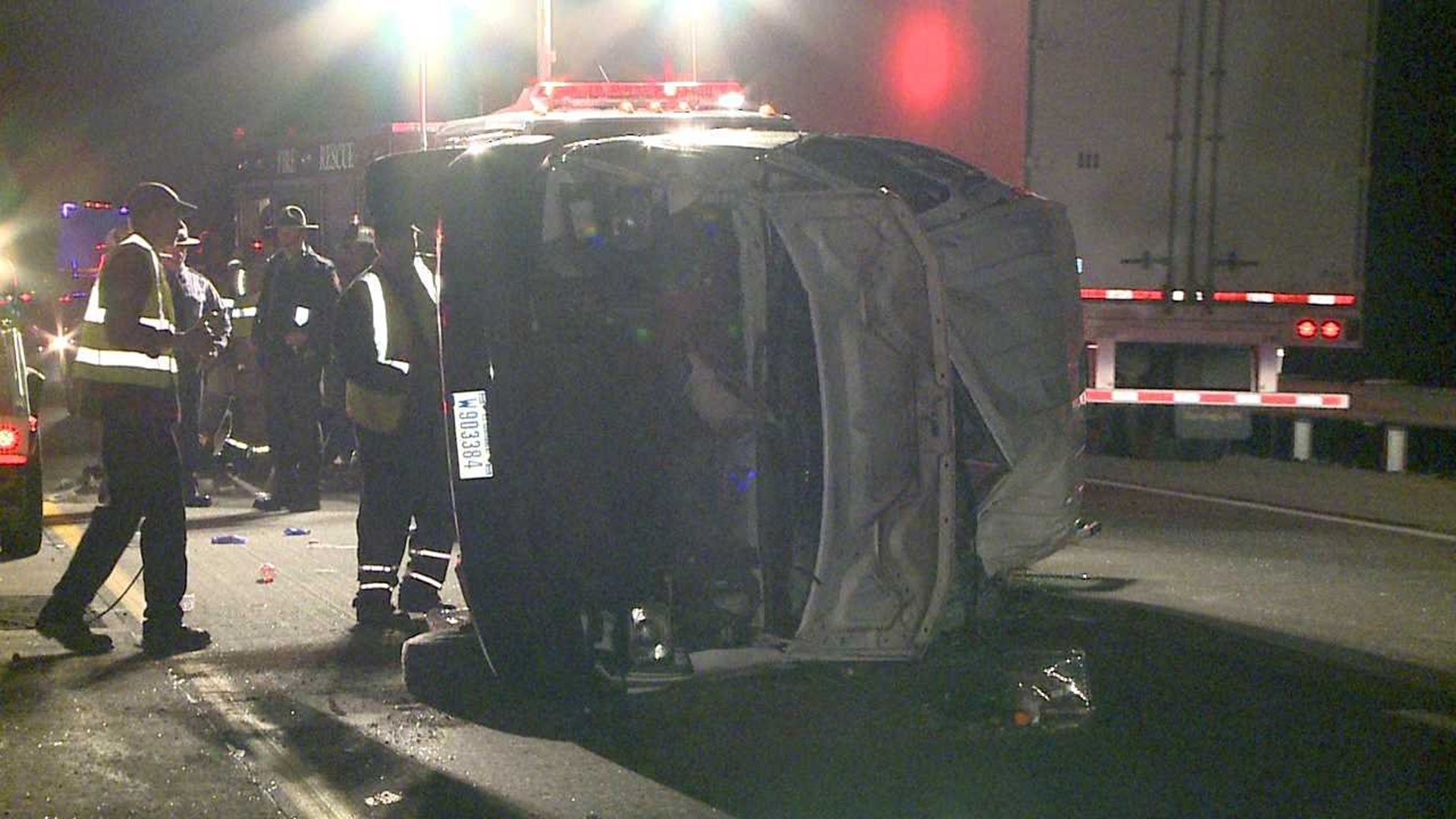
The investigation into the accident at the United States Military Academy at West Point remains a matter of significant public and institutional interest. As of 2026, official oversight continues to prioritize the finalization of safety protocols and procedural reforms derived from the comprehensive findings of the military and federal investigative bodies. While specific operational details are protected by regulatory and privacy standards, the ongoing administrative response focuses on enhancing training rigors and infrastructure safety to prevent future occurrences.
Contextualizing the West Point Investigative Framework
The United States Military Academy (USMA) operates under a unique jurisdictional structure. When an accident occurs within the installation, it triggers a multi-layered investigative process that involves both military law enforcement and internal safety boards. Unlike civilian investigations, military inquiries are governed by Army Regulation 15-6, which outlines the procedures for formal investigations.
The primary purpose of these investigations is not necessarily the assignment of criminal liability, though that is a potential outcome. Instead, the focus is on "lessons learned" and the systematic identification of procedural failures. This approach allows the Academy to adjust its training cadences, equipment maintenance schedules, and safety oversight mechanisms. As of 2026, the data gathered from previous incidents has been integrated into a centralized risk-management database used by the Department of the Army to inform policy across all military service academies.
The Role of Administrative and Safety Boards
When an incident at West Point is under review, the process typically splits into two distinct channels: the safety investigation and the command investigation.
The Safety Investigation Board (SIB)
The SIB is tasked with identifying the technical or human factors that led to the event. This group is specifically authorized to collect testimony under a promise of confidentiality to ensure that all parties involved provide an accurate, unvarnished account of events without fear of punitive reprisal. The SIB's findings are used exclusively for prevention and safety enhancement.
The Command Investigation
Parallel to the SIB, a command investigation is conducted to determine if there were violations of the Uniform Code of Military Justice (UCMJ) or deviations from established standard operating procedures. This branch of the investigation is formal, administrative in nature, and serves as the basis for disciplinary actions or structural changes in leadership or accountability.
Procedural Timeline and Transparency Requirements
For observers and stakeholders tracking the latest updates, it is important to distinguish between "active investigation" and "administrative finality." In 2026, many of the investigative files concerning past accidents have moved from active status to the institutional review phase.
The process generally follows a standardized trajectory:
- Initial Fact-Finding: Immediate assessment by Military Police and onsite medical staff to secure the area and stabilize personnel.
- Preliminary Reporting: Submission of the "Serious Incident Report" (SIR) to the Department of the Army within 24–48 hours.
- Formal Investigation: Appointment of an investigating officer, usually a senior field-grade officer, to compile evidence and witness statements.
- Legal Review: The Staff Judge Advocate (SJA) reviews the findings to ensure the investigation adheres to constitutional and military legal requirements.
- Final Determination: Approval by the Superintendent of the Military Academy or the relevant commanding general.
Comparative Overview of Investigative Outcomes
The following table summarizes the key focus areas that investigators typically examine when reviewing incidents at military training facilities, reflecting the standards active through 2026.
| Focus Area | Objective | Methodology |
|---|---|---|
| Human Factors | Evaluate fatigue, training, and mental state | Interviews, duty logs, medical screens |
| Equipment Integrity | Detect mechanical or procedural failure | Forensic analysis, maintenance records |
| Environmental Risks | Assess weather and terrain impact | Meteorological data, site surveys |
| Chain of Command | Evaluate supervision and oversight | Policy audits, chain-of-custody checks |
| Protocol Adherence | Verify compliance with established SOPs | Comparative audit of training manuals |
Impact on Cadet Training and Safety Standards
The most significant update stemming from recent investigative efforts is the recalibration of high-risk training modules. Following the findings of investigations conducted in previous years, the Academy has implemented mandatory "Safety Pause" cycles. These intervals are designed to allow faculty and tactical officers to review current risk assessments with the cadet body.
Cadets are now provided with enhanced real-time feedback loops during field exercises. This includes the use of wearable diagnostic technology that tracks physical exertion and stress levels, allowing instructors to identify potential medical crises before they manifest as critical accidents. These upgrades are not merely reactionary; they represent a fundamental shift in how the military approaches the balance between realistic, high-intensity training and the safety of the individual cadet.
Navigating Public Information Requests
For those seeking specific, granular details regarding the latest updates on the investigation, it is important to understand the limitations of the Freedom of Information Act (FOIA) regarding military investigations.
While the public has a right to know about institutional safety, the Department of Defense is legally mandated to protect the privacy of cadets and staff. Consequently, while the nature of the findings and the resulting policy changes are often made public, specific investigative documents—such as sworn statements or sensitive medical records—are generally redacted or withheld.
To access the most accurate and verified information in 2026, interested parties should monitor the official "News" and "Command" portals of the United States Military Academy. These platforms serve as the primary source for authorized disclosures. Secondary reporting from mainstream outlets should be cross-referenced against these official releases to ensure that the information has not been misinterpreted.
Frequently Asked Questions
H3: Can civilians access the full investigation report?
Generally, no. Full investigation reports regarding military accidents are protected by federal statutes, including the Privacy Act and exemptions within the Freedom of Information Act. While summaries are often released to ensure transparency, full dossiers containing sensitive personal data remain internal to the Department of the Army.
H3: Are current safety protocols at West Point different from previous years?
Yes. As of 2026, the Academy has integrated a "Continuous Risk Assessment" model. This protocol requires instructors to re-verify safety requirements every time a training environment changes, such as shifts in weather conditions or changes in equipment configuration, which was a specific recommendation from prior investigation findings.
H3: Where can I find the official latest updates?
Official updates are disseminated through the West Point Public Affairs Office. You should rely on primary documentation found on the official .mil domain websites, which provide the only verified records of investigative outcomes and organizational policy updates.
H3: Does the investigation influence military-wide policy?
Yes, the findings from West Point often serve as a blueprint for other Department of Defense institutions. When an investigation reveals a gap in training or a failure in safety equipment, the resulting "lessons learned" are distributed through the Army’s Training and Doctrine Command (TRADOC) to ensure that the entire force benefits from the insights gained at the Academy.
H3: How long does an investigation typically last?
The duration depends on the complexity of the accident. While preliminary reports are issued almost immediately, a comprehensive investigation that requires forensic analysis, expert testimony, and legal review can take anywhere from several months to over a year to reach final administrative closure.
Next Steps for Stakeholders and Interested Parties
For those following these developments, the best approach is to practice patience regarding the release of finalized data. The integrity of the investigative process relies on its thoroughness rather than its speed. If you are a parent of a cadet or an interested citizen, ensure you are referencing updates specifically linked to the official Military Academy Public Affairs communications. Avoid speculating on social media or unverified secondary sources, as these often lack the legal context necessary to interpret the findings correctly. If you require information regarding current safety guidelines for specific training programs, contact the Office of the Commandant at West Point directly for authorized informational pamphlets or public statements.