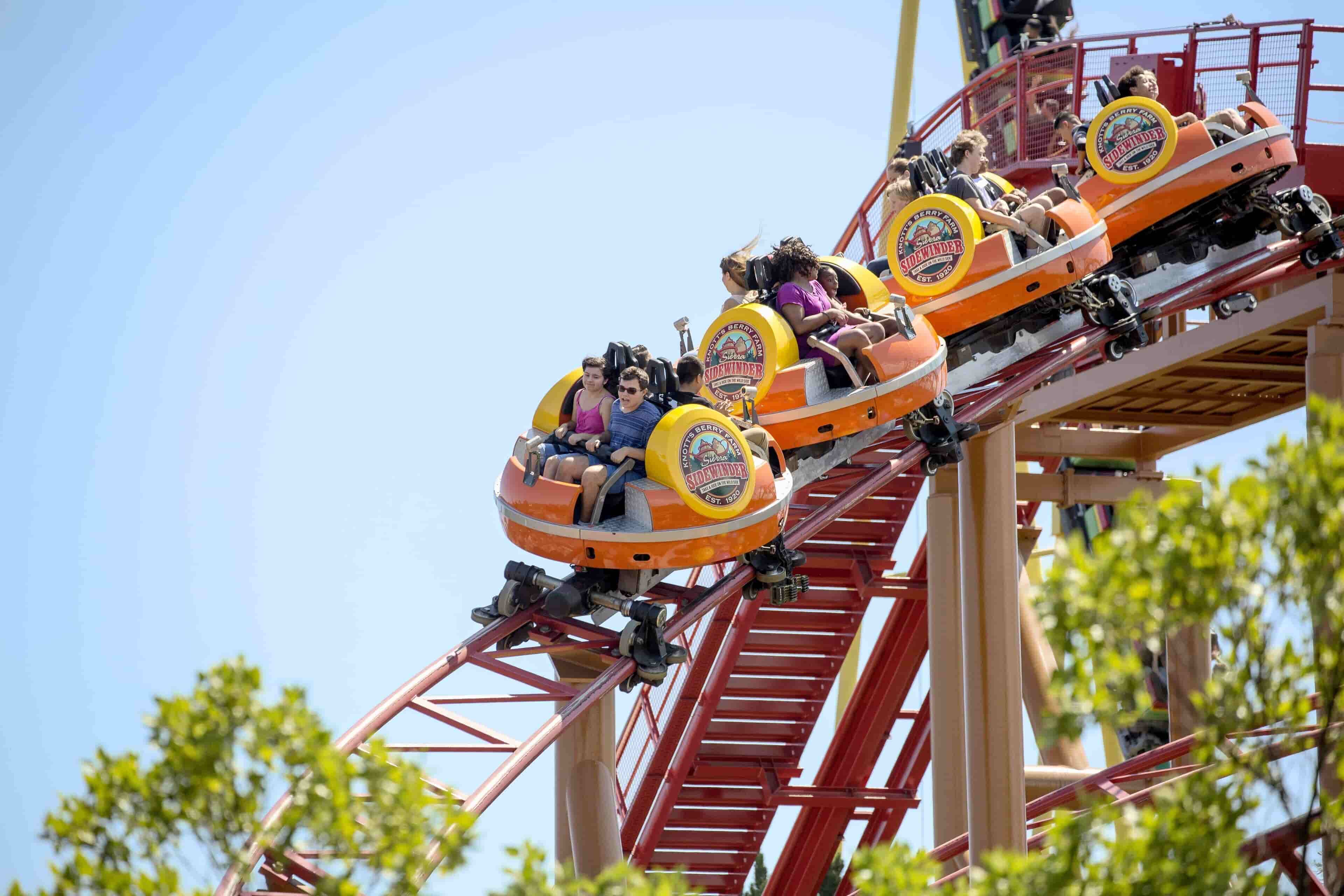
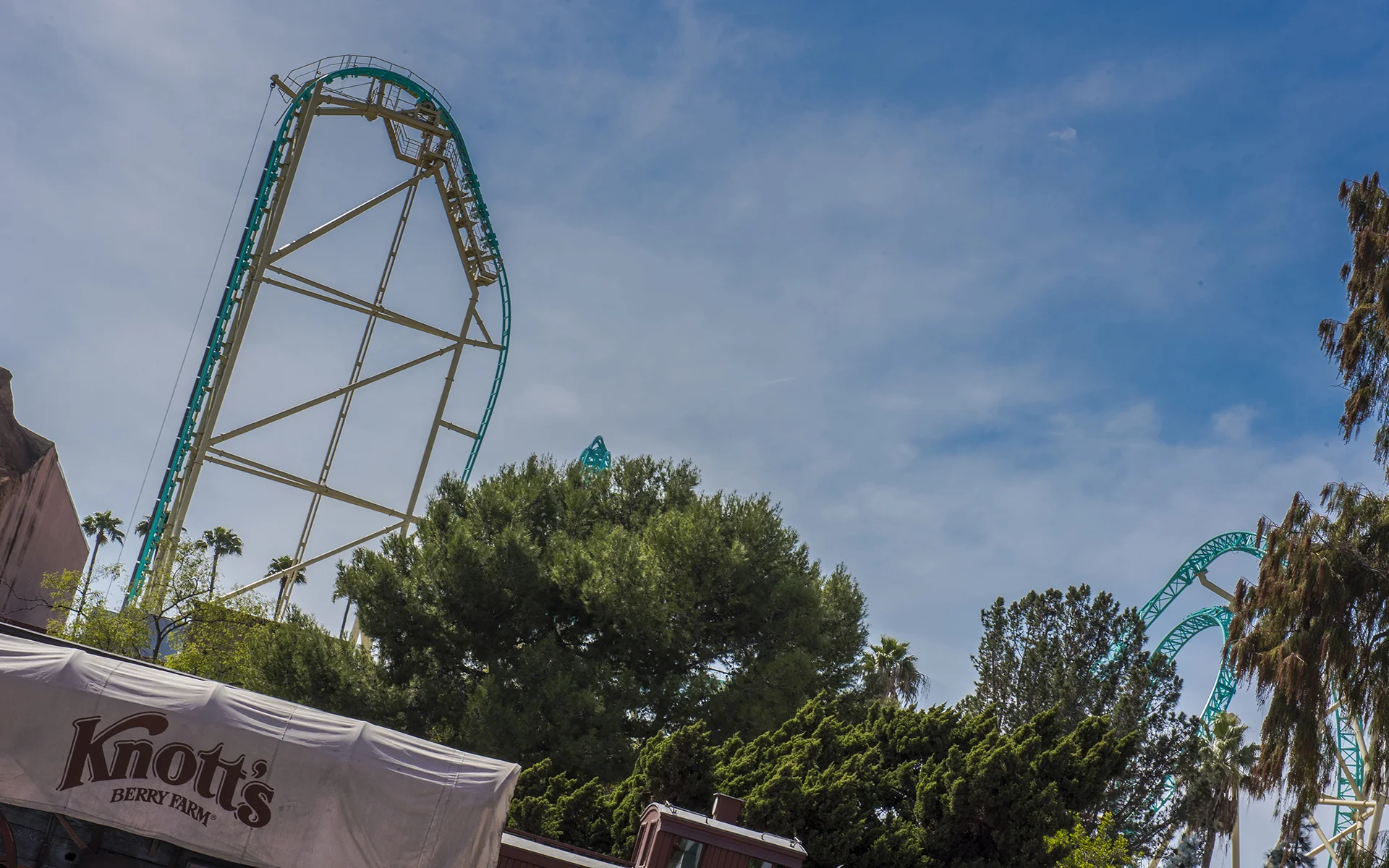
Accidents or mechanical failures at theme parks like Knott’s Berry Farm are rare occurrences, yet they draw significant public attention due to the nature of high-intensity amusement rides. When incidents occur, they typically involve mechanical malfunctions, guest behavior, or minor operational stoppages, leading to thorough safety inspections by both park officials and state regulatory bodies, such as Cal/OSHA, to ensure continued compliance with industry safety standards.
The Regulatory Framework for Theme Park Safety
The safety of guests at Knott’s Berry Farm is governed by strict state regulations. In California, the Division of Occupational Safety and Health (Cal/OSHA) manages the Amusement Ride and Tramway Unit. This body is responsible for enforcing the California Code of Regulations, which sets the standards for the design, construction, operation, and maintenance of amusement rides.
Whenever a reportable incident occurs, the park is required by law to notify state regulators. A "reportable incident" typically involves an injury requiring more than basic first aid or a mechanical failure that compromises the structural integrity of a ride. Following such notifications, Cal/OSHA conducts an independent investigation. The ride in question is immediately taken out of service, and it cannot resume operations until the agency is satisfied that all safety protocols are met, repairs are verified, and the ride is deemed safe for public use.
Notable Historical Context and Incident Classification
Public perception of amusement park safety often relies on historical reports that span decades. While Knott’s Berry Farm has maintained a long-standing reputation for operation, like any major theme park, it has experienced instances of ride stoppages and mechanical issues. It is important to distinguish between "incidents" (which can include minor mechanical sensors triggering a fail-safe stop) and "accidents" (which involve physical injury or structural failure).
In the amusement industry, ride manufacturers and operators utilize sophisticated PLC (Programmable Logic Controller) systems. If a sensor detects a deviation in speed, restraint position, or track alignment, the system is programmed to initiate an "e-stop" or emergency stop. While these stops can be unsettling for guests, they are evidence of safety systems working correctly. Understanding these nuances is essential when reviewing past reports, as many publicized events were actually precautionary measures intended to prevent accidents rather than consequences of system failures.
Key Factors in Modern Amusement Ride Safety
Modern rides at Knott’s Berry Farm rely on a multi-layered approach to risk mitigation. These layers are designed to protect both the guest and the equipment through redundant systems.
- Redundant Restraints: Most high-speed coasters utilize both a primary restraint (such as an over-the-shoulder harness) and a secondary locking mechanism. These systems are electronically monitored to ensure they are locked before the ride cycle begins.
- Daily Pre-Opening Inspections: Before the gates open to the public, maintenance technicians perform comprehensive visual and physical inspections of every ride. This includes checking track integrity, electrical systems, and the functionality of guest restraints.
- Preventative Maintenance Cycles: Rides undergo scheduled maintenance based on the manufacturer's specifications. This includes non-destructive testing (NDT) of critical components like wheels, bolts, and track welds to identify fatigue that is invisible to the naked eye.
- Guest Responsibility: Safety is a shared endeavor. Operators provide specific boarding instructions and height or health requirements. Guests are required to follow these instructions, remain seated, and keep restraints in the designated positions, as unauthorized movement is a primary cause of non-mechanical incidents.
Comparing Safety Mechanisms and Reporting Procedures
To better understand how theme parks handle operational status, it is useful to look at the differences between standard procedures and investigative requirements.
| Feature | Precautionary Stop | Reportable Incident |
|---|---|---|
| Trigger | Sensor detection of minor deviation | Proven failure or injury |
| Regulatory Action | Internal maintenance review | Mandatory reporting to Cal/OSHA |
| Ride Status | Short-term hold for reset | Indefinite closure pending inspection |
| Primary Goal | Preventative safety | Liability verification/Safety audit |
Navigating Information After Reported Incidents
When a news report regarding an incident at a theme park emerges, it is common to find varying levels of accuracy. The most reliable information usually originates from official statements provided by the park or public records released by Cal/OSHA.
When attempting to verify the status of a specific ride or the details of a past event:
- Consult Official Park Channels: Check the park’s website or official social media feeds for operational updates or notices regarding ride availability.
- Review Public Regulatory Databases: Information regarding ride closures and investigations is often available through the California Department of Industrial Relations website.
- Cross-Reference Sources: Ensure that reports of "accidents" are corroborated by reliable, date-stamped media coverage or official reports rather than unverified social media commentary.
Frequently Asked Questions (FAQ)
What should I do if a ride breaks down while I am on it?
If a ride initiates a safety stop, remain calm and stay in your seat. Do not attempt to climb out of the ride vehicle under any circumstances, as the ride may restart at any time or you may be in a restricted area. Follow the instructions provided by the ride operators over the public address system. They are trained in specific protocols to safely evacuate guests if a restart is not possible.
Does Cal/OSHA inspect every ride at Knott’s Berry Farm?
Yes, all permanent amusement rides in California are subject to annual safety inspections by state-certified inspectors. These inspections ensure the ride meets the original manufacturer's specifications and current state safety codes.
Are older rides at the park less safe than newer ones?
Not necessarily. While newer rides feature updated technology, older rides at Knott’s Berry Farm are subject to the same rigorous maintenance standards. In many cases, older rides undergo comprehensive refurbishments where mechanical systems, control panels, and safety sensors are modernized to current industry standards.
How are injuries at theme parks classified?
Injuries are generally classified by the cause: mechanical failure, guest behavior, or unforeseen health issues. The vast majority of reported incidents in the industry are related to guest health issues (such as motion sickness or pre-existing conditions) or failure to follow safety instructions, rather than structural failure of the ride equipment.
Where can I find the official safety guidelines for the park?
The park’s official website contains a comprehensive "Accessibility and Safety" section. This area details the specific height requirements, physical restrictions for certain rides, and general park conduct policies that visitors are expected to follow.
Next Steps for Park Visitors
If you are planning a visit, your most effective strategy for a safe experience is to review the park’s specific ride requirements before arriving. If you have medical concerns, such as heart conditions or back issues, check the ride warning signs posted at the entrance of each attraction. Adhering to these warnings and following the instructions of the ride operators ensures that you are participating in the safety protocols designed to keep the park’s operational record clear of accidents. Always prioritize the instructions of park personnel, as they are the primary authorities regarding the safe and orderly operation of the attractions.