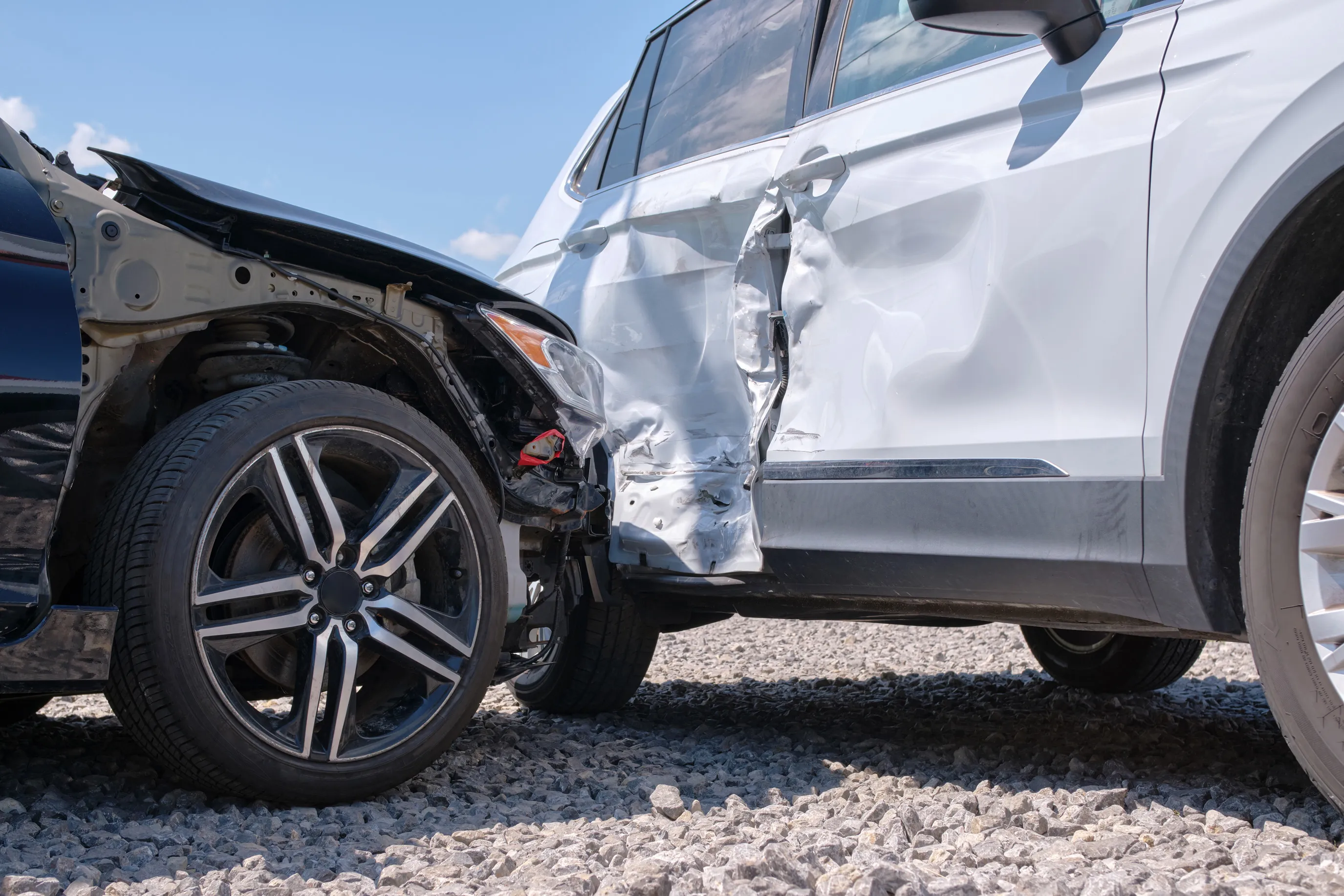
An accident explainer is a structured narrative or technical document designed to clarify the circumstances, causes, and liability surrounding an incident. Used primarily in insurance claims, legal proceedings, and safety audits, it synthesizes evidence—such as witness statements, photographic data, and forensic reports—into a coherent timeline that identifies the "who, what, when, where, and why" of a mishap.
The Role of the Accident Explainer in Insurance and Litigation
The fundamental purpose of an accident explainer is to bridge the gap between raw data and actionable conclusions. In a professional context, it serves as the foundation for risk assessment and claims adjudication. When an incident occurs, insurers, legal teams, and safety officers are often faced with conflicting accounts and disorganized evidence. The explainer functions as the authoritative source that organizes these elements into a logical sequence.
By providing a clear reconstruction, the document helps stakeholders determine whether the incident was the result of negligence, equipment failure, human error, or an "act of God." In the insurance sector, this clarity is essential for determining policy coverage. If an explainer identifies that an accident resulted from a violation of safety protocols, it may directly influence the outcome of a liability claim or the adjustment of future premiums. Similarly, in litigation, an explainer acts as a technical exhibit that can make complex information accessible to judges or juries who may lack specialized knowledge of the industry-specific processes involved.
Key Components of a Comprehensive Explainer
For an accident explainer to be effective, it must adhere to a standard architecture that prioritizes factual integrity. While formats vary based on the industry—ranging from aviation to commercial workplace safety—most professional explainers require the following sections:
- Executive Summary: A concise overview of the event, including the date, time, location, and the primary conclusion regarding the cause.
- Incident Narrative: A detailed, chronological account of events leading up to, during, and immediately following the accident.
- Evidence Inventory: A catalog of all supporting materials, such as telemetry data, maintenance logs, photographs, and statements from witnesses or involved parties.
- Root Cause Analysis (RCA): The analytical heart of the document, utilizing methodologies such as the "Five Whys" or Fishbone diagrams to isolate the underlying failure point.
- Contributing Factors: A discussion of external variables, such as environmental conditions (e.g., weather, lighting) or systemic issues (e.g., inadequate training protocols).
- Recommendations and Remediation: Actionable steps to prevent a recurrence, including policy updates, equipment repairs, or personnel retraining.
Data Verification and Evidence Gathering
The quality of an accident explainer is only as high as the quality of the evidence used to construct it. As of 2026, the reliance on digital artifacts has increased significantly. Investigators now frequently integrate data from Internet of Things (IoT) sensors, black box recorders, and high-resolution surveillance footage. However, raw data can be misleading. A core task of the explainer author is the verification of these digital assets.
This process involves time-stamping data points against official records and corroborating physical evidence with digital metadata. For instance, if an onboard diagnostic tool indicates a vehicle’s speed, that figure must be checked against road conditions and witness testimony to ensure it reflects reality. Authors should avoid speculation; if evidence is missing or inconclusive, it must be explicitly noted as a limitation of the report. The goal is to provide a "probative" account—meaning the information provided has enough weight to prove or disprove a claim in a formal setting.
Comparative Table: Common Accident Documentation Methods
| Feature | Incident Report | Accident Explainer | Forensic Reconstruction |
|---|---|---|---|
| Primary Goal | Log the occurrence | Clarify cause/liability | Scientifically verify motion |
| Audience | Management/HR | Insurers/Legal teams | Expert witnesses/Court |
| Data Depth | Basic (Who/When) | Moderate (Narrative) | High (Physics-based) |
| Actionability | Immediate fix | Claims resolution | Litigation defense |
Common Pitfalls in Accident Explanations
Even with the best intentions, explainers can fail if they suffer from common logical or structural errors. One of the most significant risks is "hindsight bias," where the author assumes the cause of the accident was obvious because the outcome is already known. This leads to a simplified narrative that ignores the legitimate uncertainty faced by those involved at the time of the event.
Another frequent error is the inclusion of biased language. Using loaded terms such as "reckless," "negligent," or "careless" without providing specific evidence violates the objective nature of the document. An effective explainer remains neutral, focusing on observable behaviors and factual outcomes rather than assigning moral blame through adjectives. Finally, failing to address the "human factor"—how fatigue, environment, or system design affects decision-making—can result in an incomplete analysis that fails to address the actual root cause.
Determining Liability and Financial Impact
Once the explainer is complete, the findings are typically used to calculate financial consequences. This is where the document interacts with established regulatory and insurance guidelines. For example, if a workplace accident explainer highlights a failure to comply with established safety standards, the organization may face regulatory fines or increased liability insurance premiums.
The explainer acts as a defensive or offensive tool in these negotiations. If the explainer reveals that the accident was caused by a latent manufacturing defect rather than operator error, the financial responsibility may shift from the employer to the product manufacturer. Consequently, accuracy in the explainer’s findings has direct, measurable impacts on the financial health of the involved parties.
Frequently Asked Questions
How long should an accident explainer be?
The length depends on the complexity of the incident. A simple workplace slip-and-fall might require only two or three pages, while a major industrial equipment failure could require dozens of pages of technical documentation, diagrams, and witness interview transcripts.
Can an accident explainer be used in court?
Yes, it often serves as a key piece of documentary evidence. However, its weight in court depends on the author’s credentials, the methodology used to gather evidence, and the objectivity of the analysis. A peer-reviewed or professionally audited explainer carries significantly more weight than an informal summary.
What is the difference between an accident explainer and a police report?
A police report is a government-issued document focused on public safety and criminal law, whereas an accident explainer is usually a private document prepared for internal organizational use, insurance claims, or civil legal preparation. They often complement one another but serve different institutional ends.
Should I involve an attorney when drafting an accident explainer?
If the incident involves significant financial loss, personal injury, or potential litigation, legal counsel should be involved. An attorney can help identify what information should be privileged and ensure that the report does not inadvertently contain admissions of liability that could be damaging in later proceedings.
What should I do if the evidence is missing?
Document the absence of the evidence clearly. State what information is unavailable (e.g., "no CCTV footage of the collision was available at the time of the report") and explain how that affects the certainty of the final analysis. Never fill gaps with assumptions.
Next Steps for Professionals
If you are tasked with creating an accident explainer, begin by securing the incident site to prevent evidence degradation. Immediately record the contact information for all witnesses and preserve digital logs or physical components that may have contributed to the failure. Once the raw information is collected, establish a firm timeline before attempting to deduce the cause. If the subject matter involves highly technical systems or potential for high-stakes litigation, consult with a qualified subject-matter expert or legal advisor before finalizing the report. Ensuring that your explainer is balanced, evidence-based, and objective will provide the best defense against ambiguity and future liability.