Accessory storage involves the systematic organization and protection of personal items such as jewelry, handbags, scarves, and tech peripherals to ensure easy access and long-term preservation. Effective storage solutions utilize modular dividers, climate-controlled environments, and specialized hangers to prevent physical damage, tangling, or environmental degradation of delicate materials.
The Fundamentals of Modern Accessory Storage
In 2026, the philosophy of accessory storage has transitioned from simple containment to active preservation. Whether you are managing a collection of heirloom jewelry or a high-rotation wardrobe of contemporary fashion, the way you store your items directly impacts their lifespan and your daily efficiency. The primary goal of a high-quality storage system is to provide visibility while maintaining protection from dust, UV light, and humidity.
The first step in any storage project is the assessment of volume and frequency of use. Items used daily, such as watches or wedding bands, require "open-access" solutions like valet trays or countertop stands. Conversely, seasonal or high-value items benefit from "closed-access" storage, such as archival boxes or felt-lined drawers. By categorizing items based on their material sensitivity—such as leather’s need for breathability versus silver’s requirement for tarnish-resistant environments—you can select the appropriate infrastructure for each piece.
Jewelry Storage: Preventing Tarnish and Tangling
Jewelry is perhaps the most challenging category within accessory storage due to the diversity of materials and sizes. Fine jewelry, particularly pieces containing silver, is susceptible to oxidation when exposed to air. In 2026, specialized anti-tarnish cloths and modular jewelry trays with built-in chemical inhibitors have become the industry standard for home collections.
Modular Trays and Drawer Inserts
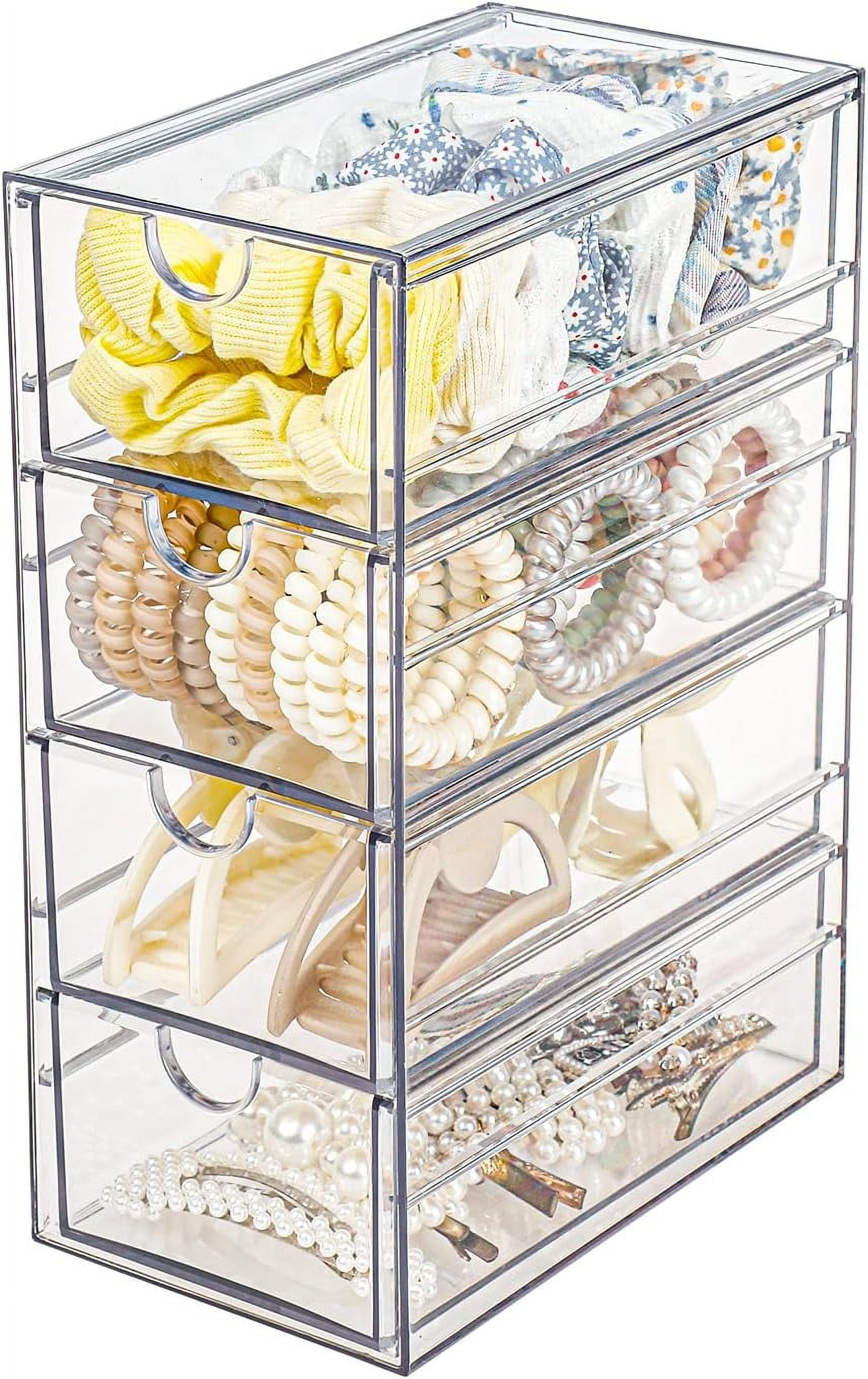
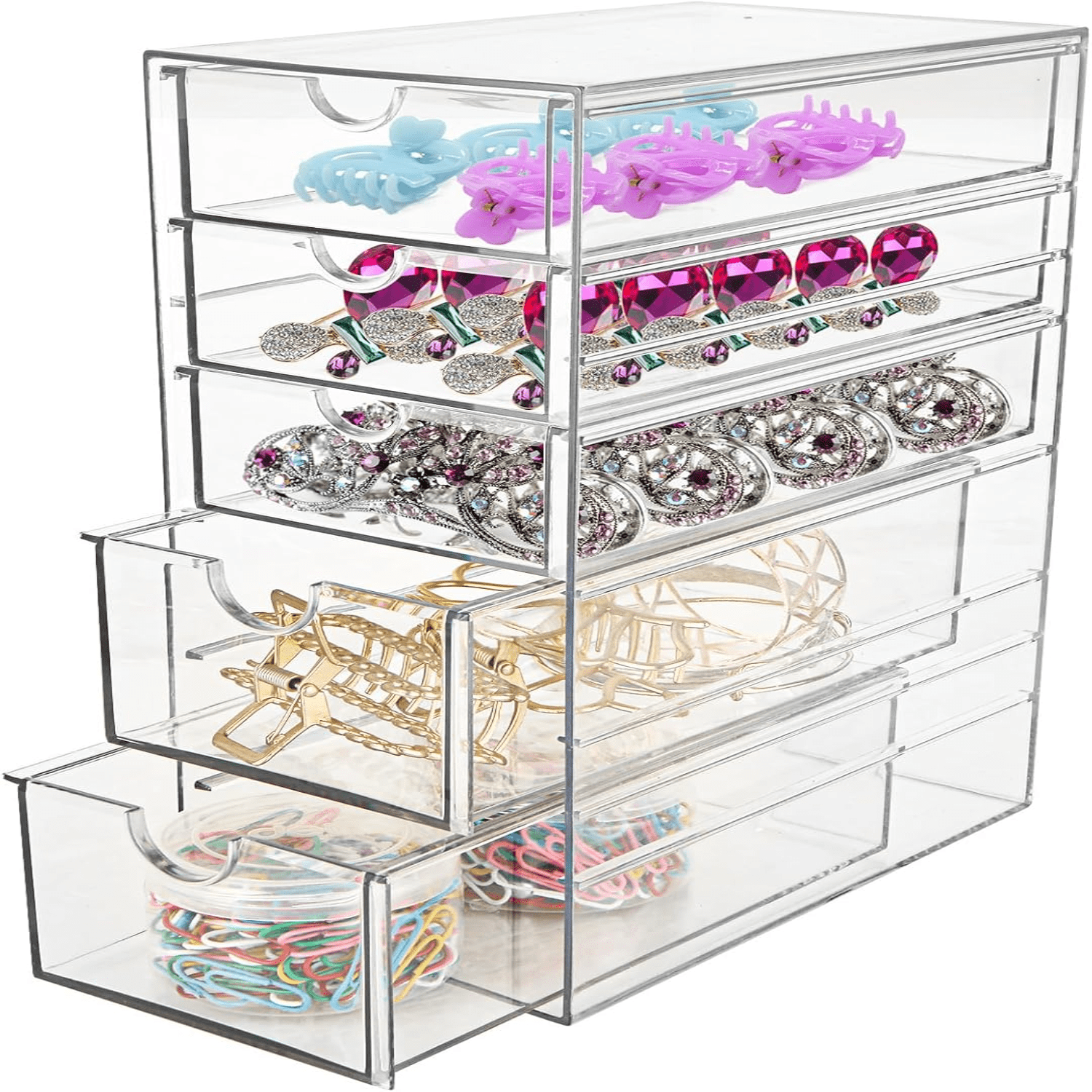
For those with built-in closet systems, modular drawer inserts are the most effective solution. These inserts should be lined with a soft, non-abrasive fabric like velvet or microsuede. The technical advantage of modularity is the ability to reconfigure compartments as your collection evolves. Large compartments are ideal for bangles and statement necklaces, while small, individual slots prevent rings and earrings from scratching one another.
Vertical Storage for Necklaces
The primary failure in necklace storage is tangling, which can lead to structural damage or broken clasps. Vertical storage using wall-mounted hooks or rotating stands keeps chains separate and under slight tension, preventing the "birds-nest" effect. For delicate gold chains, storing them individually in slender glass tubes or specialized hanging rolls is recommended to maintain the integrity of the links.
Handbag Preservation: Structure and Surface Protection
Handbags represent a significant financial investment, and improper storage can lead to permanent creasing, color transfer, or mold growth. In 2026, the emphasis is on maintaining the bag’s silhouette and ensuring adequate air circulation around natural hides.
Internal Support
To prevent "slumping," which causes leather to crack at the base or handles, bags should be stuffed when not in use. Avoid using newspaper, as the acid in the paper and the ink can transfer to the lining. Instead, use acid-free tissue paper or custom-fit "purse pillows." This internal support maintains the original structural tension of the material.
Shelf Placement and Spacing
Bags should never be hung by their straps for long-term storage, as this stretches the leather and weakens the stitching at the attachment points. Instead, they should be placed upright on shelves. Using acrylic shelf dividers is a preferred method in 2026 because they provide support without obscuring visibility. It is vital to leave a "breathing gap" of at least one inch between bags to prevent color transfer (dye migration), particularly between patent leather and lighter-colored calfskin.
Organizing Scarves, Belts, and Ties
Soft accessories require storage methods that prevent permanent wrinkling and maximize space. The choice between hanging and rolling depends largely on the fabric type and available closet real estate.
The Rolling Method for Scarves
For silk and lightweight synthetic scarves, rolling is superior to folding. Folding creates sharp creases that can weaken fibers over time. Rolling the scarf and placing it in a cellular "honeycomb" drawer organizer allows you to see every color and pattern at a glance without disturbing the rest of the collection. This method is particularly effective for maximizing shallow drawer space.
Belt and Tie Hardware
Belts and ties are best stored on specialized racks. For belts, a pull-out rack with hooks allows the leather to hang naturally, preventing the cracking that occurs when belts are tightly coiled. Ties benefit from motorized or stationary racks that allow them to hang vertically, enabling gravity to pull out minor wrinkles acquired during wear. If space is at a premium, ties can be rolled loosely and stored in individual compartments, similar to the scarf method.
Technical Accessory Storage for the Modern Wardrobe
In 2026, the definition of "accessories" includes wearable technology and the cables that support them. Traditional closet design often ignores these items, leading to cluttered surfaces and lost charging components.
Charging Stations and Tech Trays
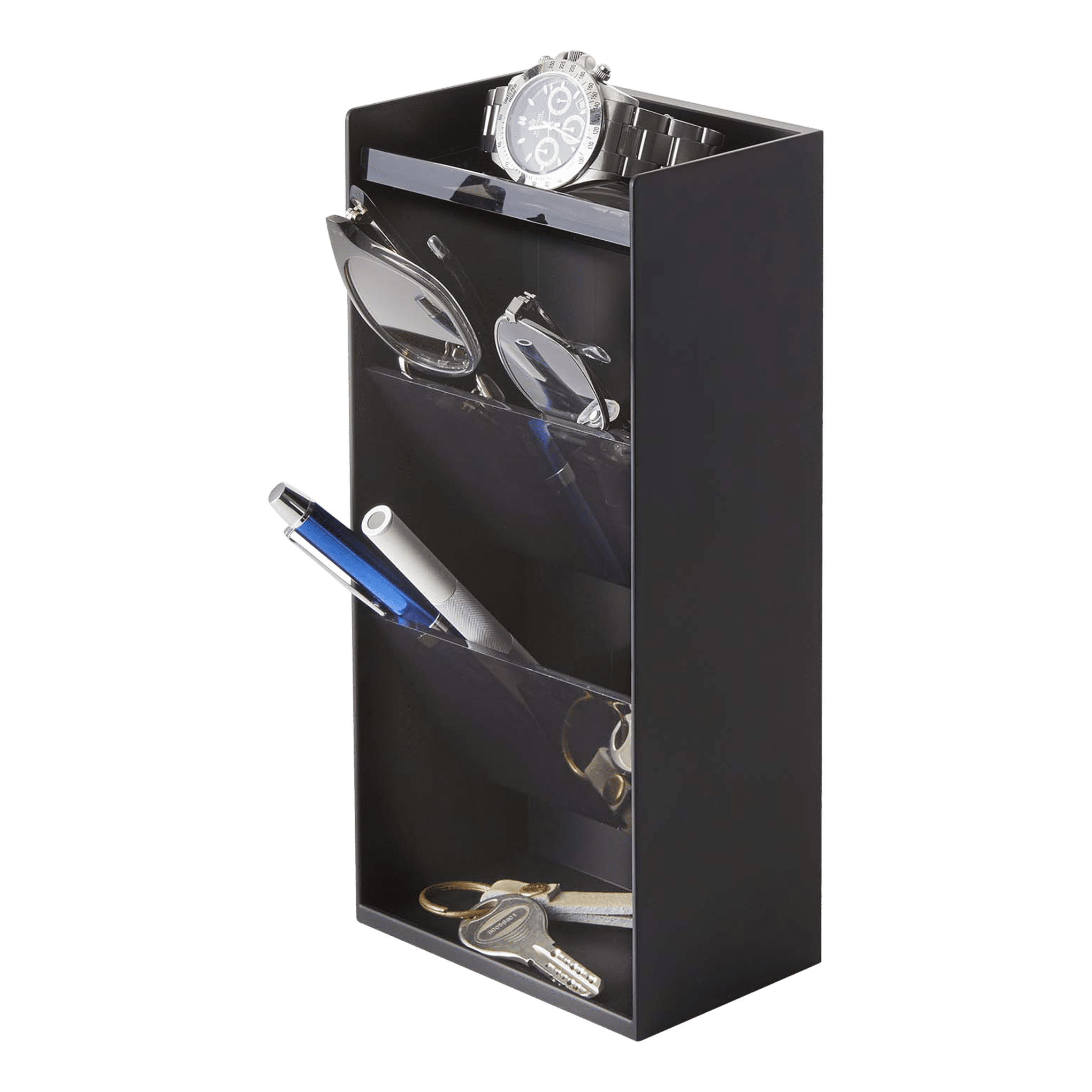
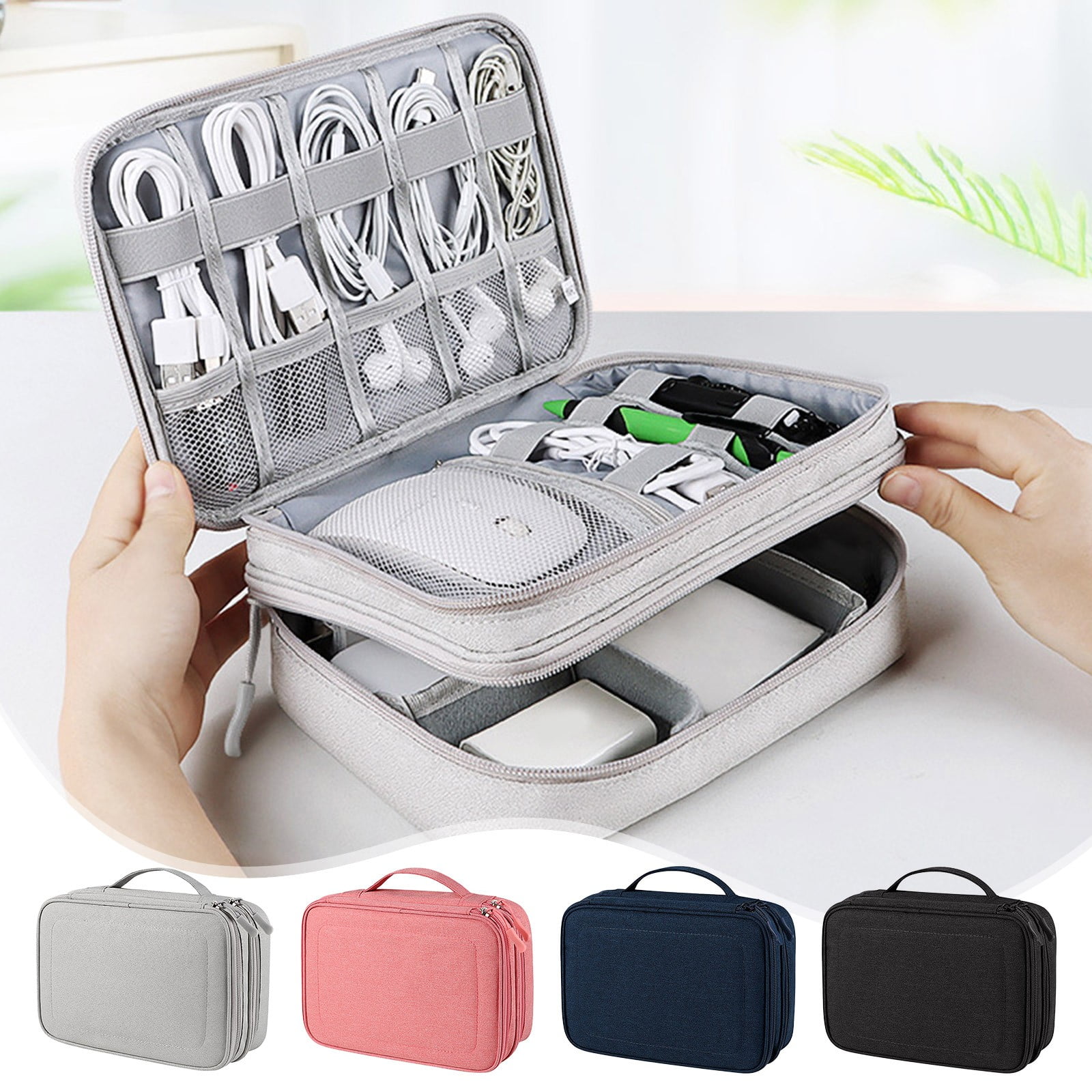
Integrating a dedicated "tech valet" into your accessory area is essential. These are typically felt-lined trays with integrated cable management. By designating a specific spot for smartwatches, wireless earbuds, and portable batteries, you reduce the risk of scratching the screens or losing small components.
Cable Management and Small Parts
For extra charging cables and adapters, transparent zippered pouches or elastic "grid" organizers are highly effective. Labeling these pouches ensures that specific chargers are matched to their devices, preventing the common issue of voltage mismatch or connector confusion. This technical layer of organization ensures that your digital accessories are as ready for use as your physical ones.
Comparison of Accessory Storage Systems
The following table compares the most common storage methodologies based on their primary benefits and ideal applications.
| Storage Method | Best For | Key Advantage | Potential Limitation |
|---|---|---|---|
| Modular Drawer Inserts | Jewelry, Watches | High visibility and protection | Requires dedicated drawer space |
| Acrylic Shelf Dividers | Handbags, Clutches | Maintains structure; easy to clean | Does not protect from dust |
| Wall-Mounted Racks | Necklaces, Belts | Saves floor/shelf space | Exposure to light and dust |
| Archival Boxes | Seasonal items, Silk | Maximum environmental protection | Low visibility; takes time to access |
| Cellular Organizers | Ties, Scarves, Socks | High density; prevents wrinkles | Items must be small enough to roll |
| Tech Valet Trays | Wearables, EDC | Integrated charging; quick access | Limited capacity for large collections |
Environmental Controls and Maintenance
The longevity of your accessories is not just about how they are arranged, but the environment in which they sit. High humidity can lead to mildew on leather and silk, while excessive dryness can cause leather to become brittle.
- Humidity Management: Aim for a consistent relative humidity (RH) of 45-55%. In damp climates, use silica gel packets inside handbag dust bags or a small dehumidifier in the walk-in closet.
- Light Exposure: UV rays fade dyes and degrade organic fibers. In 2026, many high-end closets utilize UV-filtering glass on cabinet doors or motion-activated LED lighting that produces no heat or UV radiation.
- Dust Prevention: For items not used weekly, dust bags are mandatory. Prefer breathable cotton dust bags over plastic, as plastic can trap moisture and gasses that cause yellowing.
- Routine Audits: Every six months, perform a "condition check." Wipe down leather goods with a dry cloth, check for tarnish on jewelry, and ensure that no pests (like moths) have infiltrated wool or silk storage.
Frequently Asked Questions
How do I prevent my silver jewelry from tarnishing in a drawer?
To prevent tarnish, you must limit the silver's exposure to air and moisture. Use tarnish-resistant cloths or "anti-tarnish strips" placed inside a closed jewelry box or drawer. These strips absorb the atmospheric sulfur that causes the chemical reaction. Ensure the storage area is not located in a bathroom, as the high humidity from showers accelerates the tarnishing process significantly.
Is it better to store handbags in their original boxes or dust bags?
Dust bags are generally superior for long-term storage because they allow the leather to breathe. Original cardboard boxes can trap moisture and may contain acidic glues that can off-gas and damage the bag’s finish over time. If you must use boxes, ensure they are acid-free archival quality and that the bag is placed inside a cotton dust bag first.
How should I store high-value watches to maintain their movement?
For mechanical (automatic) watches, a watch winder is often recommended if the watch is not worn frequently, as it keeps the internal lubricants distributed. However, for quartz or manually wound watches, a felt-lined watch box with individual cushions is sufficient. The cushions are vital because they maintain the shape of the bracelet or strap and prevent the case back from scratching the links.
What is the most space-efficient way to store a large collection of hats?
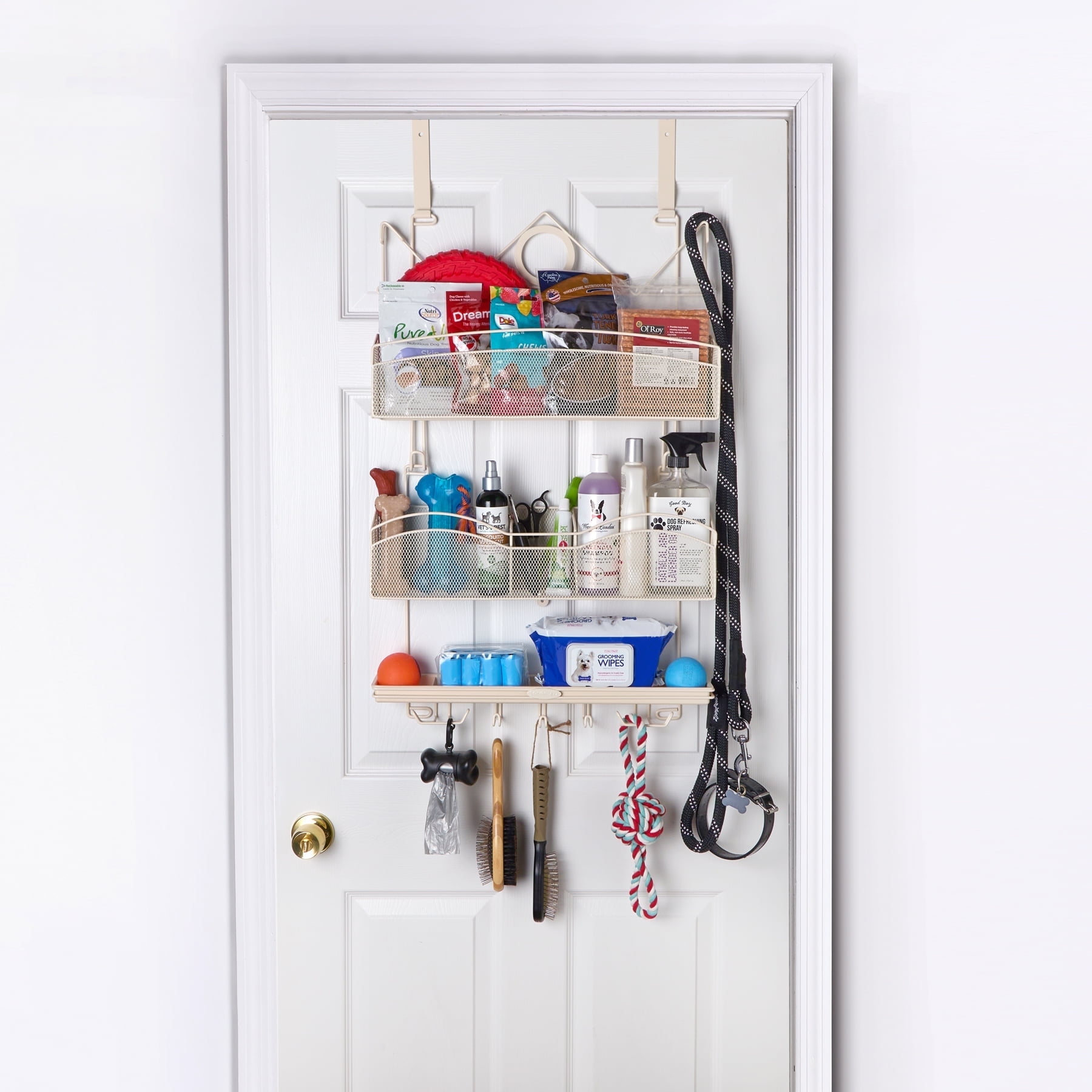
Hat boxes that can be stacked are the most protective and space-efficient method for structured hats like fedoras or sun hats. For casual caps, "over-the-door" rack systems or specialized clips on a hanging bar can save shelf space. If stacking hats, always place the heaviest at the bottom and use acid-free tissue to support the crowns of those on top.
Can I use plastic bins for accessory storage?
Plastic bins are acceptable for synthetic materials or tech accessories, but they should be avoided for natural fibers like wool, silk, or leather. Plastic can trap moisture, leading to mold, and may release chemicals (off-gassing) that can yellow white fabrics. If using plastic, ensure the bins are "breathable" or include desiccant packets to manage internal humidity.
Strategic Implementation for Your Collection
The transition to a professional-grade accessory storage system should be approached incrementally. Start by identifying the most vulnerable items in your collection—typically fine jewelry and leather handbags—and invest in high-quality protective infrastructure for these first. In 2026, the availability of modular, consumer-grade closet components makes it possible to achieve boutique-level organization without a full custom renovation.
Once the primary protection is in place, focus on the "flow" of your daily routine. Place your most-used items at eye level and within the "golden zone" (between the waist and shoulders). By reducing the friction of accessing and returning your accessories to their proper places, you ensure the long-term sustainability of the organization system. Regular maintenance and seasonal rotations will keep the collection manageable and ensure that every item remains in pristine, wearable condition for years to come.