Accessibility in entertainment refers to the deliberate design of media, games, live events, and digital platforms to ensure people with disabilities can perceive, understand, navigate, and interact with content. In 2026, this encompasses sensory supports like audio description and closed captioning, physical accommodations in venues, and adaptive hardware in gaming to provide equitable experiences for all audiences.
The Foundational Pillars of Modern Entertainment Accessibility
Accessibility is no longer an afterthought or a "nice-to-have" feature; it is a fundamental requirement of modern content production. The landscape is built upon three primary pillars: sensory, cognitive, and physical access. By addressing these three areas, creators ensure that their work reaches the widest possible audience, including the estimated 1.3 billion people globally living with significant disabilities.
Sensory accessibility focuses primarily on vision and hearing. For individuals who are blind or have low vision, Audio Description (AD) provides a narrated track describing important visual elements—such as facial expressions, costumes, and action sequences—during natural pauses in dialogue. For the D/deaf and hard-of-hearing community, Closed Captioning (CC) and Subtitles for the Deaf and Hard of Hearing (SDH) are essential. Unlike standard subtitles, SDH includes descriptions of non-speech sounds, such as "eerie music" or "door slamming," which are critical for plot comprehension.
Cognitive accessibility involves making content digestible for individuals with neurodivergence, learning disabilities, or cognitive impairments. This includes providing content warnings for photosensitive epilepsy (flashing lights), offering "relaxed" or sensory-friendly performances in live theater, and ensuring that user interfaces on streaming platforms are intuitive and free from clutter. In 2026, the industry has seen a massive shift toward "Inclusive Design," where these features are integrated into the initial development phase rather than being "patched in" after a product is finished.
Legal Frameworks and Compliance Standards in 2026
The legal requirements for accessibility vary by medium and jurisdiction, but several key regulations form the backbone of global compliance. Understanding these frameworks is essential for any producer or distributor operating in the current market.
The Americans with Disabilities Act (ADA), particularly Title III, has been interpreted by courts to apply to "places of public accommodation," which increasingly includes digital spaces and streaming services. While the ADA provides a broad mandate, the Twenty-First Century Communications and Video Accessibility Act (CVAA) offers more specific requirements for modern technology. The CVAA mandates that programs shown on television with captions must also be captioned when distributed over the internet.
On a technical level, the Web Content Accessibility Guidelines (WCAG), currently at version 2.2, serve as the gold standard for digital interfaces. WCAG is built on four principles, often referred to by the acronym POUR:
- Perceivable: Information and interface components must be presentable to users in ways they can perceive.
- Operable: User interface components and navigation must be operable (e.g., keyboard-only navigation).
- Understandable: Information and the operation of the user interface must be understandable.
- Robust: Content must be robust enough that it can be interpreted reliably by a wide variety of user agents, including assistive technologies.
In Europe, the European Accessibility Act (EAA) has forced a significant synchronization of standards, requiring that products and services—including e-books, streaming services, and television equipment—meet strict accessibility criteria. Failure to comply with these regulations in 2026 often results not only in legal penalties but also in significant brand damage and loss of market share.
Technological Innovations Reshaping the Audience Experience
The year 2026 has seen a surge in specialized technologies that bridge the gap between content and the consumer. Artificial Intelligence (AI) has become a primary driver in reducing the cost and time required to make media accessible.
AI-Driven Audio Description and Captioning While human-led description remains the "gold standard" for high-budget cinema, AI has enabled the mass-accessibility of short-form content and live broadcasts. Neural text-to-speech (TTS) systems can now produce audio descriptions that sound natural and emotionally resonant. Similarly, automated speech recognition (ASR) has reached accuracy levels exceeding 95% for most major languages, allowing for real-time captioning of live news and social media content that was previously inaccessible.
Haptic Technology for Live Performance In the realm of live music and theater, haptic technology has revolutionized the experience for the D/deaf community. Wearable devices, such as haptic vests and wristbands, translate sound frequencies into vibrations on the skin. This allows users to "feel" the music, distinguishing between a heavy bass line and a high-frequency violin solo. These devices are increasingly available for rent at major stadiums and Broadway-style theaters, often synchronized with the venue's sound system via low-latency wireless networks.
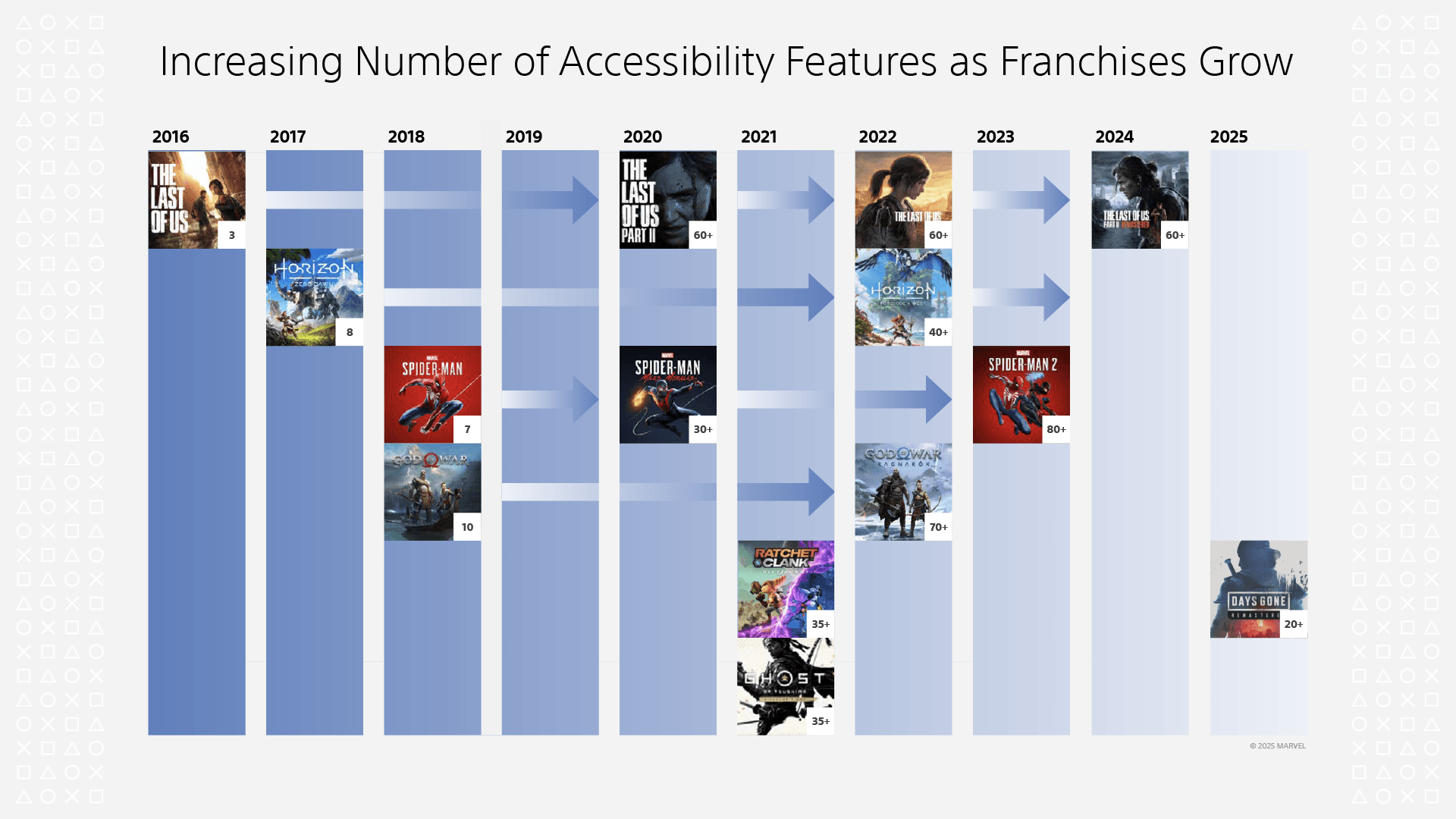
Adaptive Gaming Hardware The gaming industry has perhaps seen the most dramatic evolution. Following the success of the Xbox Adaptive Controller, other major manufacturers have released highly modular input devices. In 2026, many games now include "standard" accessibility suites, featuring high-contrast modes, remappable controls, and "ping" systems that allow blind players to navigate 3D environments using spatial audio cues.
Comparative Overview of Accessibility Features
To better understand the differences between various accessibility implementations, the following table compares common sensory and cognitive supports used in digital and live entertainment.
| Feature | Primary Audience | Mechanism | Format |
|---|---|---|---|
| Closed Captions (CC) | D/deaf, Hard-of-Hearing | Text display of speech and sound effects. | Digital/Broadcast |
| Audio Description (AD) | Blind, Low Vision | Narrated track describing visual action. | Audio/Streaming |
| Haptic Feedback | D/deaf, Sensory Seekers | Tactile vibrations mapped to sound/action. | Wearable/Hardware |
| Sensory-Friendly/Relaxed | Neurodivergent, Autism | Lowered volume, dimmed lights, no sudden cues. | Live Events |
| Screen Reader Support | Blind, Low Vision | Software that reads UI text aloud. | Digital Platforms |
| ASL/BSL Interpretation | Sign Language Users | Picture-in-picture or on-stage interpreter. | Live/Broadcast |
The Business Case for Universal Accessibility
Beyond the moral and legal imperatives, there is a compelling business case for accessibility in entertainment. Inclusive design expands the Total Addressable Market (TAM) for any product. For instance, captions are frequently used by non-disabled audiences—such as those watching videos in loud environments (gyms, airports) or people learning a second language.
Research has consistently shown that "curb-cut" effects (where a feature designed for a specific disability ends up benefiting everyone) lead to higher user retention. Streaming platforms that offer robust accessibility settings see lower churn rates among aging populations, who may experience gradual declines in hearing or vision. Furthermore, major search engines index caption files, which significantly improves the Search Engine Optimization (SEO) of video content, making it easier for new users to discover.
In 2026, data-driven production houses treat accessibility as a Return on Investment (ROI) metric. By spending more on inclusive design during pre-production, companies avoid the high costs of "retrofitting" content later or settling costly ADA-related lawsuits. The goal is to reach the "Triple Bottom Line": social impact, legal compliance, and financial profitability.
Implementing Accessibility: Best Practices for Content Creators
For creators looking to improve their output, the most effective strategy is to "Shift Left"—incorporating accessibility as early as possible in the development lifecycle.
- Hire Consultants with Lived Experience: No amount of technical knowledge can replace the insights of a person who actually uses assistive technology. Professional accessibility consultants should be involved in script reviews, UI prototyping, and venue planning.
- Standardize Metadata: Ensure that all files have clear labels. Audio tracks should be explicitly tagged as "English - Audio Description," and video files should have sidecar caption files (like .SRT or .VTT) that are compatible with all major players.
- Prioritize Navigation: For digital platforms, keyboard and screen reader navigation must be tested rigorously. A user should be able to navigate from the "Home" screen to "Play Video" without ever touching a mouse or a touchscreen.
- Provide Multiple Modalities: Never rely on a single sense to convey critical information. If a game uses a red light to signal danger, it should also use a specific sound effect and a screen shake or vibration. This "multi-modal" approach ensures that even if one sensory channel is blocked, the user still receives the message.
Common Obstacles and Technical Troubleshooting
Despite the progress made by 2026, several challenges remain. One of the most persistent issues is "caption drift," where the text on screen becomes desynchronized from the audio. This is often caused by variable bitrates during streaming or latency in live encoding. To troubleshoot this, distributors are increasingly using timed-text formats like TTML (Timed Text Markup Language), which allows for more precise synchronization across different devices.
Another challenge is the "Discovery Gap." A film may have incredible audio description, but if the streaming platform's interface isn't accessible to a screen reader, a blind user can never find and play that film. This requires a holistic approach where the platform (the "vessel") is just as accessible as the content (the "liquid"). Producers should verify their content on multiple devices—smart TVs, mobile apps, and web browsers—to ensure the accessibility features are consistently available.
Frequently Asked Questions
What is the difference between Subtitles and Closed Captions?
Subtitles primarily translate spoken dialogue for viewers who don't understand the language, whereas Closed Captions (CC) are designed for those who cannot hear the audio. CC includes non-speech information such as speaker identification and descriptions of significant background noises or musical moods.
Are all streaming services required to have Audio Description by law?
In many regions, including the U.S. and the UK, there are specific quotas for broadcasters and large streaming platforms. While not every single piece of content on every platform is currently required to have AD, the CVAA and updated FCC regulations in 2026 have significantly expanded the list of covered entities to include major SVOD (Subscription Video on Demand) services.
How does "Inclusive Design" differ from "Accessibility"?
Accessibility is the technical state of being usable by people with disabilities. Inclusive Design is the methodology used to get there. It involves designing for the widest possible range of human diversity from the very beginning, rather than making a "standard" product and then trying to fix it later for specific groups.
Can AI replace human sign language interpreters in entertainment?
As of 2026, AI-generated avatars for sign language are improving but still struggle with the nuance, facial expressions, and spatial grammar required for high-quality interpretation. For entertainment—where emotion and artistic intent are paramount—human interpreters remain the preferred and most accurate choice.
What are "Relaxed Performances" in live theater?
Relaxed performances are shows where the environment is adjusted to be less overwhelming. This usually includes keeping house lights on at a low level, reducing the volume of sudden loud noises, and allowing audience members to move around or make noise during the performance. They are particularly beneficial for autistic individuals and those with sensory processing disorders.
Next Steps for Improving Accessibility
The journey toward full inclusion in entertainment is ongoing. For organizations and creators, the immediate next step is to conduct an Accessibility Audit. This involves testing current content and platforms against WCAG 2.2 standards and gathering feedback from users with disabilities.
If you are a consumer, you can support this movement by utilizing accessibility features even if you don't "need" them—high usage rates signal to providers that these features are valued and worth the investment. For developers and producers, the priority should be the integration of accessibility APIs provided by operating systems (like iOS, Android, and Windows) which offer built-in hooks for screen readers and haptic engines. By normalizing accessibility in 2026, the entertainment industry moves closer to a future where stories and experiences are truly universal.