Accent lighting is a specialized form of illumination designed to draw attention to specific features, such as artwork, architectural details, or collections. By providing a light intensity at least three times higher than the surrounding ambient light, it creates visual interest and depth, transforming the atmosphere of a room through contrast and focus.
The Role of Accent Lighting in Layered Interior Design
To understand the value of accent lighting, one must first recognize its place within the broader framework of "layered lighting." Professional lighting designers divide illumination into three primary categories: ambient, task, and accent. While ambient lighting provides the general "fill" for a room and task lighting enables specific activities like reading or cooking, accent lighting serves a purely aesthetic and psychological function. It is the layer that provides the "soul" of a space, guiding the human eye toward what is beautiful or important.
In 2026, the integration of accent lighting has shifted from a luxury addition to a standard component of residential and commercial design. This shift is driven by the accessibility of high-quality LED technology and the psychological understanding of how light impacts mood. Effective accentuation creates a sense of drama and sophistication by manipulating shadows and highlights. Without it, a room often feels "flat" or clinical, regardless of how expensive the furniture or decor may be.
The primary objective of this lighting layer is to create a focal point. By selectively illuminating a texture—such as a reclaimed wood wall or a piece of sculpture—you establish a hierarchy of importance within the room. This technique allows a designer to hide less attractive areas in soft shadow while emphasizing the elements that define the home's character.
Fundamental Techniques and Fixture Selection
Achieving successful accent lighting requires more than simply pointing a lamp at a wall. It involves a precise understanding of beam spread, fixture placement, and the physical properties of light. Depending on the subject being illuminated, different fixtures offer varying levels of control and aesthetic output.
Recessed Spotlights and Downlights
Recessed fixtures are the most discreet option for accent lighting. In modern 2026 installations, these often feature "gimbal" mounts, allowing the internal lamp to be tilted and rotated toward the target. These are ideal for highlighting wall art or architectural niches from a ceiling position. When using recessed spots, the goal is to hide the light source so the observer sees the effect, not the fixture itself.
Track Lighting systems
Track lighting remains a favorite for its versatility. A single track can power multiple heads, each with different beam angles and intensities. This is particularly useful in spaces where the decor changes frequently, such as home galleries or retail environments. Modern track systems have moved toward minimalist, low-voltage magnetic designs that are almost invisible against the ceiling.
Picture Lights and Sconces
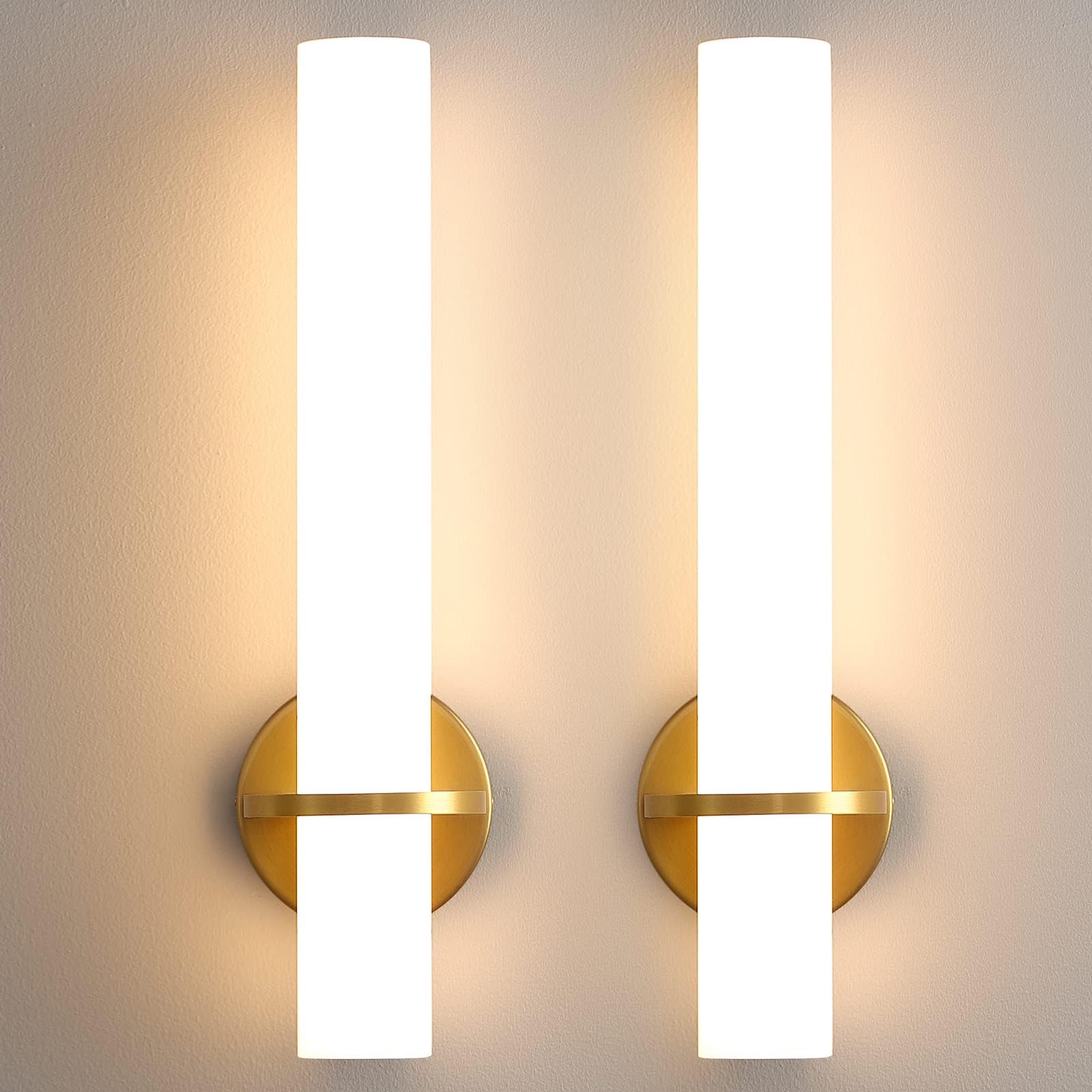
For traditional art displays, picture lights mounted directly to the frame or the wall provide an intimate, focused glow. Unlike ceiling-mounted options, picture lights ensure the light travels a very short distance, reducing the risk of unwanted shadows from the frame itself. Wall sconces can also function as accent lighting when they feature opaque shades that direct light specifically upward or downward to highlight wall textures.
LED Tape and Linear Lighting
Flexible LED strips have revolutionized accent lighting by allowing designers to illuminate previously inaccessible areas. Common applications include "toe-kick" lighting under cabinets, "cove" lighting along ceiling perimeters, and backlighting for translucent stone or glass. By 2026, high-density COB (Chip on Board) LED tapes have become the standard, providing a seamless line of light without the visible "dots" associated with older technology.
Designing with Light: The 3:1 Ratio and Beam Angles
The success of accent lighting is dictated by the principles of contrast. If the accent light is the same brightness as the ambient light, it ceases to be an accent. The industry standard is the 3:1 ratio, meaning the accent light should be at least three times brighter than the general light in the surrounding area. In high-drama environments, such as luxury hotel lobbies or dedicated art galleries, this ratio can climb as high as 10:1.
Understanding Beam Angles
The "beam angle" refers to the spread of light from the source. Choosing the wrong angle is one of the most common mistakes in accent lighting.
- Narrow Spots (10°–15°): Used for small objects or to create a very tight, dramatic circle of light over a long distance.
- Spots (20°–30°): The standard choice for most wall art and medium-sized sculptures.
- Narrow Floods (35°–45°): Useful for larger paintings or highlighting a specific furniture grouping.
The 30-Degree Rule
To avoid creating glare on the glass of a framed painting or casting long, distracting shadows, fixtures should generally be placed so the light hits the subject at a 30-degree angle from the vertical. If the angle is too steep (closer to the wall), it will create "grazing" light that emphasizes every tiny bump and imperfection in the wall surface. If the angle is too shallow (further from the wall), it will reflect off the glass directly into the viewer's eyes.
Technical Specifications and 2026 Smart Integration
When selecting accent lighting components in 2026, technical specifications such as the Color Rendering Index (CRI) and smart home compatibility are paramount. Because accent lighting is used to showcase colors and textures, the quality of the light is just as important as its intensity.
Color Rendering Index (CRI) and R9 Values
CRI measures how accurately a light source reveals the true colors of an object compared to natural sunlight. For accent lighting, a CRI of 90 or higher is essential. Furthermore, designers now look at the "R9" value, which specifically measures how well the light renders deep red tones. High R9 values are critical for making art, skin tones, and wood grains look vibrant rather than "muddy."
Color Temperature (Kelvins)
The "warmth" or "coolness" of the light should complement the subject.
- 2700K - 3000K (Warm White): Best for residential living spaces, traditional art, and wood.
- 3500K - 4000K (Neutral White): Preferred for contemporary galleries, modern offices, and highlighting cooler tones like blues and greys.
The Role of Smart Controls
By 2026, most accent lighting is integrated into smart ecosystems using protocols like Matter or Thread. This allows for "dynamic accenting," where the intensity and color temperature of the accent light automatically shift throughout the day to match the circulating ambient light. Smart dimming is particularly important because accent lighting should be adjustable to suit different times of day—brighter during the afternoon and softer during the evening to maintain the 3:1 contrast ratio as ambient levels drop.
Comparison of Common Accent Lighting Fixtures
The following table compares the most popular fixtures used to achieve accent lighting effects in residential and commercial settings.
| Fixture Type | Best For | Installation Complexity | Light Control | Visual Impact |
|---|---|---|---|---|
| Recessed Gimbal | Wall art, focal walls | High (Requires ceiling access) | High (Tilt/Rotate) | Subtle (Fixture is hidden) |
| Track Lighting | Galleries, changing displays | Moderate | Excellent (Fully adjustable) | High (Fixture is visible) |
| LED Tape Light | Coves, shelving, toe-kicks | Low to Moderate | Low (Fixed position) | Dramatic (Linear glow) |
| Picture Light | Individual paintings | Moderate | Moderate | Classic/Traditional |
| Monopoint Spot | Single sculptures | Moderate | High | Focused/Dramatic |
Room-by-Room Implementation Strategies
Strategic accent lighting varies depending on the function of the room. A living room requires a different approach than a kitchen or a landscape.
Living Rooms and Bedrooms
In these spaces, the goal is comfort and mood. Use accent lighting to highlight a fireplace mantel, a bookshelf, or a textured wallpaper. In the bedroom, small directional spots can be used to highlight a headboard or a seating nook, providing enough light for visual interest without disrupting the sleep-ready environment.
Kitchens and Dining Areas
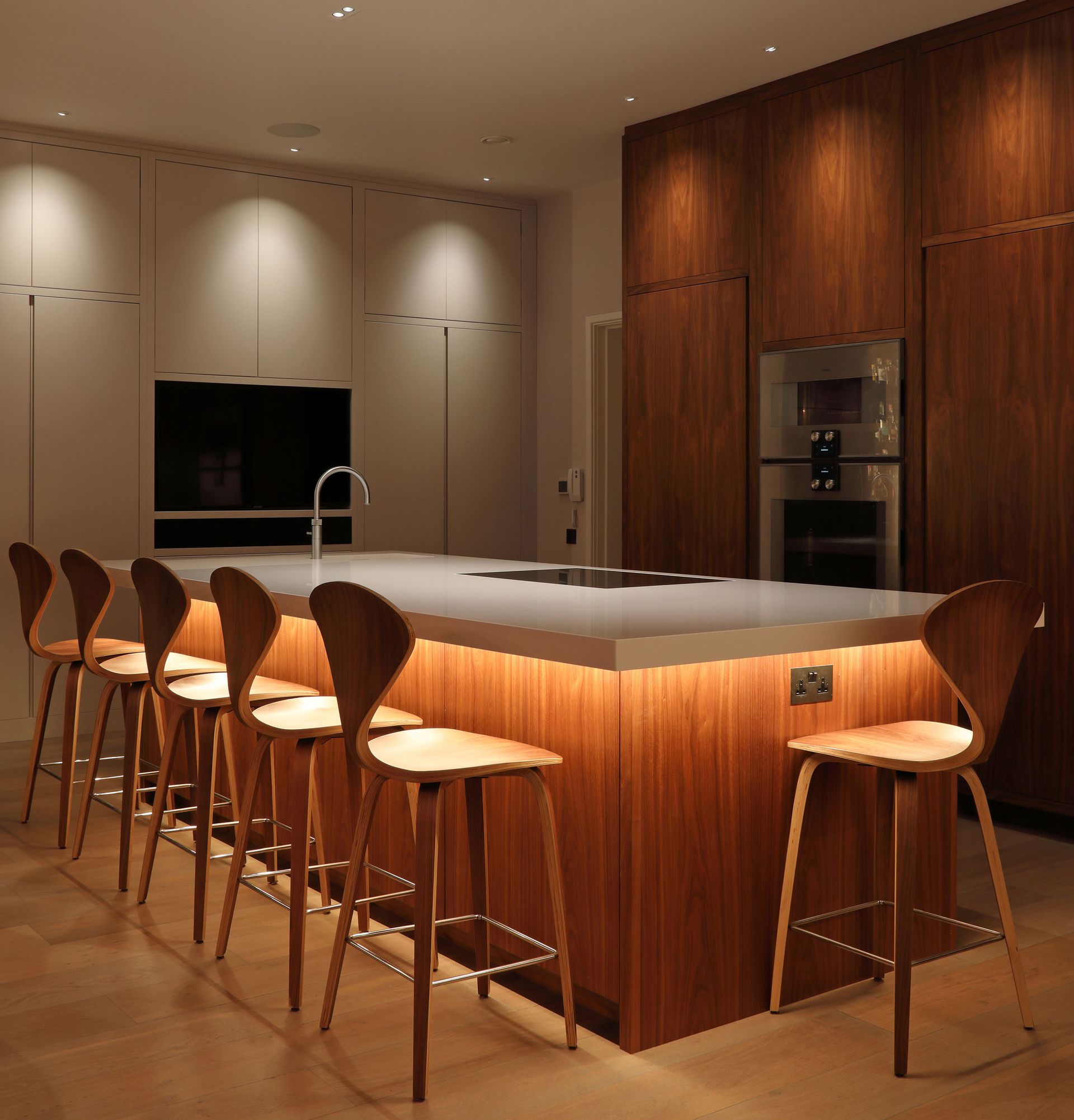
While kitchens are dominated by task lighting, accent lighting adds a layer of luxury. Lighting the inside of glass-fronted cabinets or adding a warm glow under the island countertop (toe-kick lighting) makes the space feel more inviting after the "work" of cooking is done. In the dining room, a focused spot on the center of the table or a nearby sideboard creates an intimate atmosphere for hosting.
Outdoor and Landscape Lighting
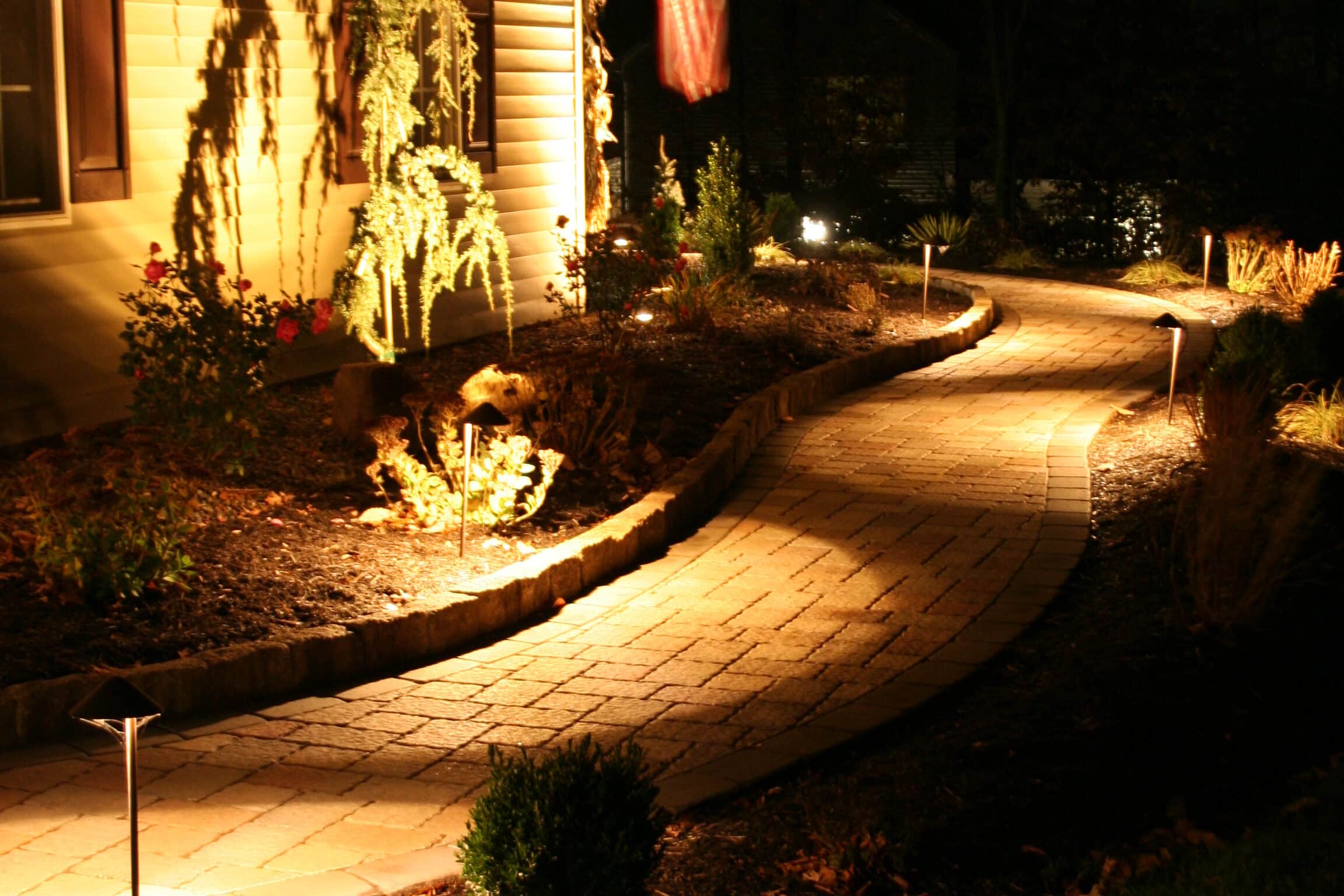
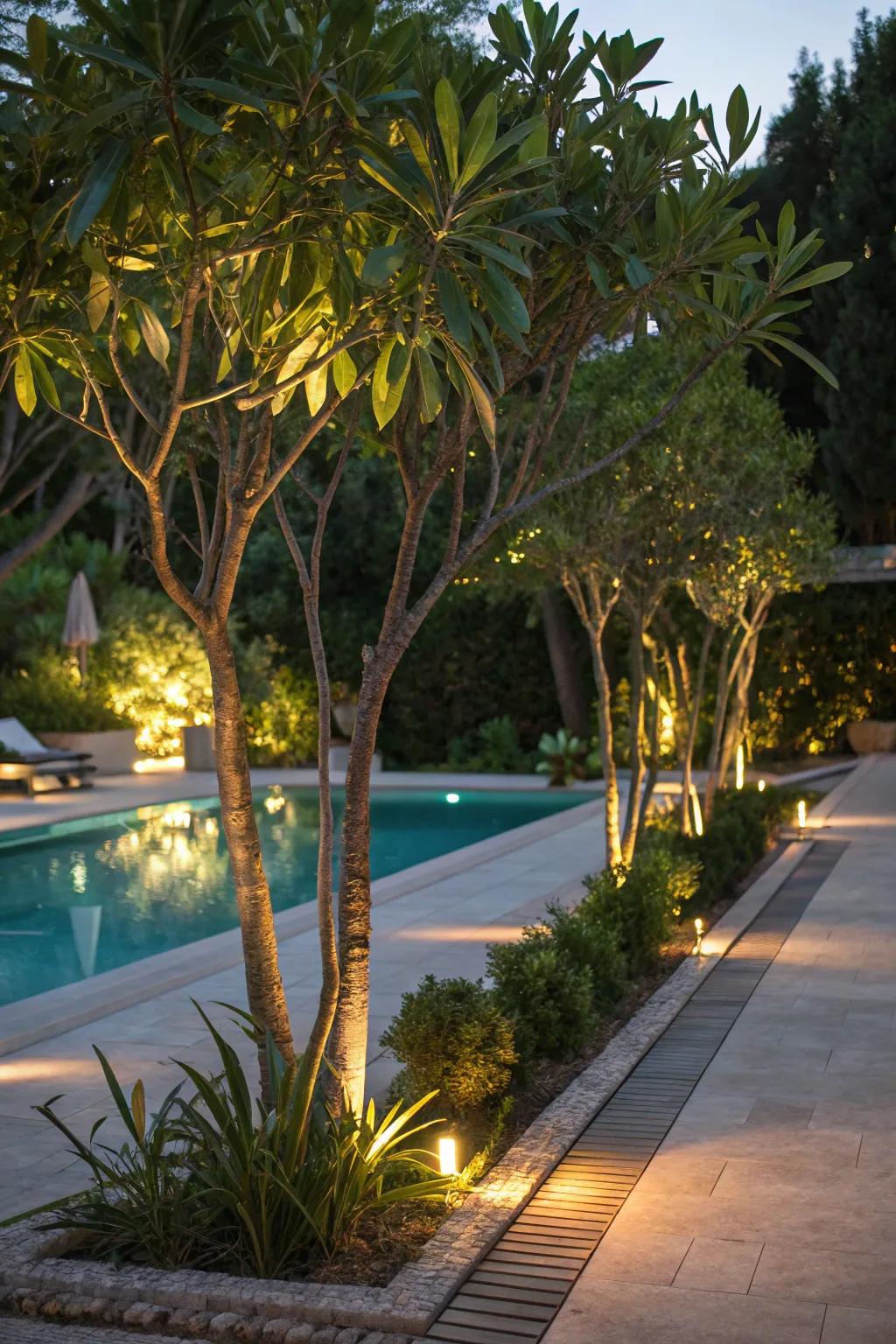
Accent lighting is a core component of landscape design. Use "uplighting" at the base of trees to highlight branch structures or "grazing" lights against stone retaining walls to emphasize texture. For safety and beauty, small "bullet" lights can accent path transitions or architectural pillars.
Common Mistakes and Troubleshooting
Even with the best fixtures, poor execution can ruin the intended effect. Identifying these common pitfalls is the first step toward a professional-grade installation.
- Over-Lighting: The most frequent mistake is using too many accent lights. If everything is highlighted, nothing is highlighted. This results in a cluttered visual field that lacks a clear focal point.
- Glare and Reflection: When lighting glass-framed art or mirrors, ensure the light source is positioned to reflect away from the viewer’s standing position.
- Ignoring Shadows: Every light creates a shadow. Ensure that the shadow cast by a sculpture or a thick picture frame doesn't obscure other important elements of the room.
- Inconsistent Color Temperatures: Mixing a 2700K warm spot with a 5000K daylight ambient light can make the accent look "dirty" or yellowed. Ensure all layers of lighting in a single visual field are within 500K of each other unless a specific high-contrast effect is desired.
- Lack of Dimming: Accent lights should almost always be on a dimmer. Fixed-brightness lights often become too harsh at night when the rest of the home's lighting is lowered.
Frequently Asked Questions
What is the ideal brightness for accent lighting?
The ideal brightness is relative to the ambient light in the room. A general rule is to aim for a brightness (measured in foot-candles or lux) that is three to five times higher than the surrounding light. For example, if your living room ambient light is 100 lux, your accent light on a painting should be approximately 300 to 500 lux.
Can accent lighting replace main ceiling lights?
Typically, no. Accent lighting is designed for focus, not for illuminating an entire room for safety or activity. Relying solely on accent lighting often results in "hot spots" of bright light and deep, dark corners, which can cause eye strain. It should be used as a supplement to ambient and task lighting.
Does accent lighting consume a lot of energy?
In 2026, energy consumption is a minor concern due to the high efficiency of LEDs. Most accent fixtures use between 3 and 12 watts. When used with smart sensors and timers that turn them off when the room is unoccupied, the impact on a monthly utility bill is negligible. You can find more on energy standards through the Department of Energy.
What is the best color temperature for highlighting art?
For most residential art, a temperature between 2700K and 3000K is preferred as it mimics the warmth of traditional incandescent lighting. However, for modern art with many blues, whites, and metallic tones, a "cooler" 3500K or 4000K light may make the colors appear more crisp and true to the artist's intent.
How do I avoid glare on glass-covered pictures?
To avoid glare, use the 30-degree rule. Place the light source at a 30-degree angle from the wall. This ensures the light hits the glass and reflects downward toward the floor rather than back into the eyes of someone standing in front of the art. Non-reflective museum glass is also a helpful, albeit more expensive, solution.
Taking the Next Step in Your Lighting Project
The most effective way to start with accent lighting is to identify the single most important feature in your room—be it a piece of art, a plant, or an architectural archway—and experiment with a temporary light source. Use a high-quality, adjustable LED desk lamp or a battery-operated spotlight to test different angles and distances.
Once you have identified the desired effect, consult with a licensed electrician to discuss wiring options, especially for recessed or track systems. For a more immediate and DIY-friendly upgrade, consider smart LED tape lights or "plug-and-play" monopoint spots that can be hidden behind furniture. By focusing on the quality of light (CRI 90+) and the principle of contrast (3:1 ratio), you can transform a functional space into a professionally designed environment.