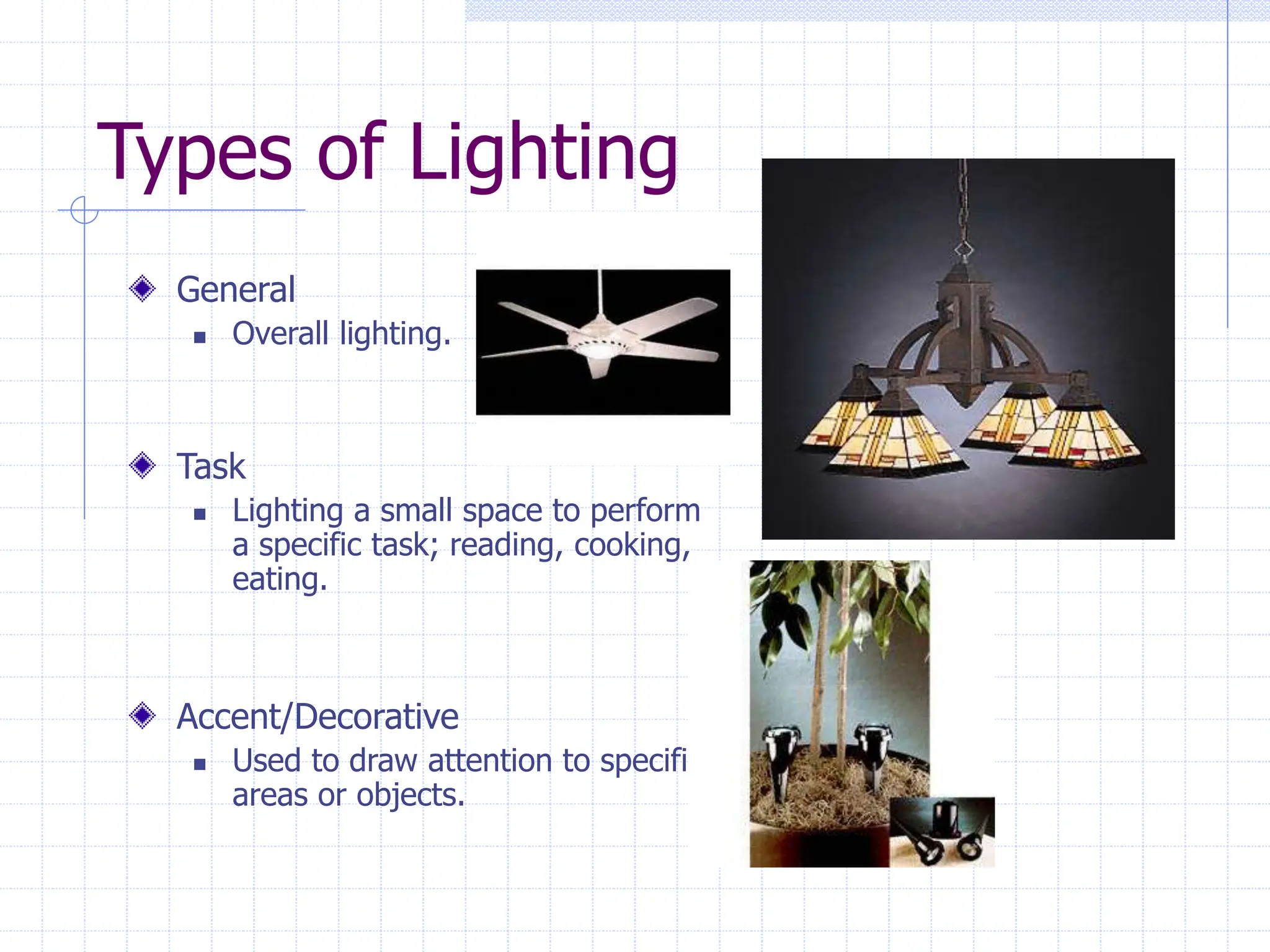
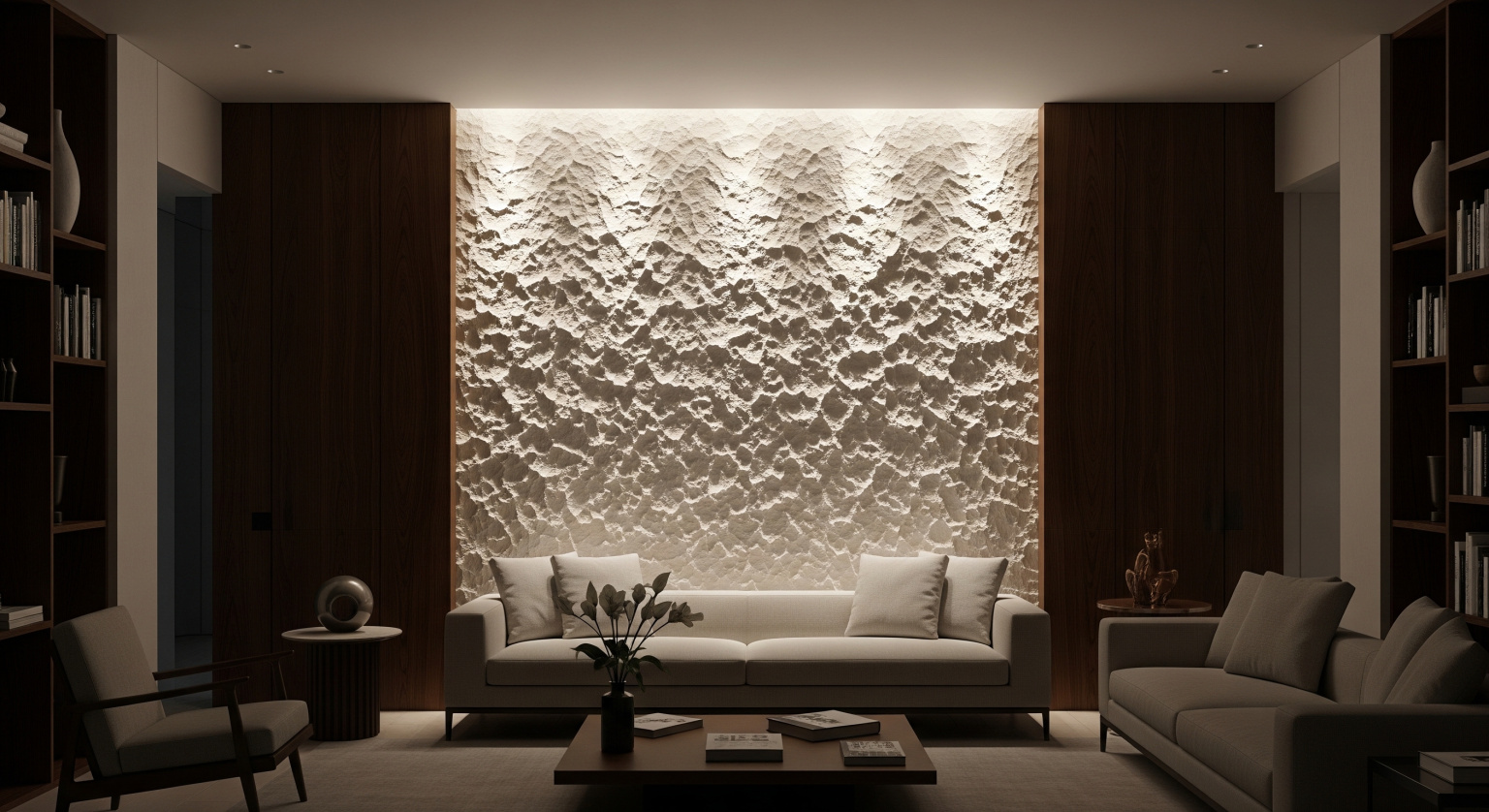
Accent and decorative lighting transform a functional space into a curated environment by adding depth, drama, and personality. To achieve professional results, use accent lighting to highlight specific features at a 3:1 brightness ratio relative to ambient light, and select decorative fixtures that complement the room's architectural scale and aesthetic theme.
Understanding the Role of Accent and Decorative Lighting
In the hierarchy of interior illumination, lighting is typically divided into four layers: ambient, task, accent, and decorative. While ambient lighting provides general visibility and task lighting facilitates specific activities, accent and decorative layers are where the "soul" of a design resides. As of 2026, the integration of these layers has become more sophisticated with the widespread adoption of smart controls that allow users to tune intensities and color temperatures independently.
Accent lighting is directional light used to draw the eye to a specific point of interest, such as artwork, sculptures, or architectural textures. It is fundamentally about the object being lit rather than the fixture itself. The goal is to create a focal point that breaks the monotony of uniform ambient light.
Decorative lighting, conversely, is about the fixture as an object of art. Whether it is a hand-blown glass pendant or a mid-century modern chandelier, the primary purpose is to serve as "architectural jewelry." While these fixtures do provide light, their visual impact on the room’s style is their most significant contribution. Successfully merging these two types requires an understanding of beam spreads, color rendering, and the physical constraints of your space.
Essential Types of Accent Lighting Fixtures
To execute an effective accent lighting strategy, you must choose the right tool for the specific feature you wish to highlight. Each fixture type offers different levels of control over light distribution and intensity.
Recessed Spotlights and Downlights
Recessed fixtures remain the gold standard for a clean, minimalist look. In 2026, high-end residential projects frequently utilize "pinhole" apertures—tiny openings that deliver a powerful, focused beam without the visual clutter of a large housing. These are ideal for lighting coffee tables or specific floor-standing sculptures. When selecting recessed spots, look for "adjustable" or "elbow" housings that allow you to tilt the internal lamp toward the wall or object.
Track Lighting Systems
Modern track lighting has evolved far beyond the bulky industrial designs of the past. Today’s low-voltage magnetic tracks are incredibly slim and allow for easy repositioning of heads. This flexibility is essential for galleries or living rooms where the layout of furniture and art might change. You can mix and match different heads—wide washes for large canvases and narrow spots for small artifacts—on a single powered rail.
Wall-Mounted Picture Lights
For a classic, sophisticated look, picture lights are mounted directly onto the wall or the frame of the artwork itself. The primary advantage is proximity; because the light source is inches away from the subject, you can achieve high levels of detail and color vibrancy. In current design standards, LED picture lights are preferred because they emit negligible heat and UV radiation, which prevents the long-term degradation of oil paints and delicate papers.
LED Tape and Linear Graze
LED strips have revolutionized "invisible" accent lighting. By hiding these strips in coves, under cabinets, or behind "floating" panels, you create a soft glow that emphasizes the perimeter of a room. "Grazing" involves placing these linear sources very close to a textured surface, such as a stone wall or wood paneling, to cast long shadows that reveal the material's depth.
Selecting Decorative Lighting for Aesthetic Impact
Decorative lighting acts as a visual anchor. When choosing these pieces, scale and proportion are just as important as the light output. A fixture that is too small will look lost, while one that is too large can overwhelm a room and make it feel cramped.
- Chandeliers: Traditionally reserved for dining rooms and entryways, chandeliers are now found in master bathrooms and even large kitchens. They serve as the primary statement piece.
- Pendants: These are versatile and often used in clusters. For 2026, we see a trend toward "organic minimalism"—fixtures made from sustainable wood, recycled glass, or 3D-printed bioplastics.
- Sconces: While they can provide accent light, decorative sconces are often used to flank mirrors or fireplaces. They add symmetry and can help break up long, flat wall expanses.
- Sculptural Floor Lamps: These function as both a light source and a piece of furniture. They are particularly effective in corners where hard-wired ceiling lighting is difficult to install.
The Technical Principles of Light Design
Effective design is not just about where the light comes from, but the quality of the light itself. To achieve a professional look, you must consider three technical specifications: the 3:1 ratio, CRI, and CCT.
The 3:1 Contrast Ratio
The human eye is naturally drawn to the brightest point in a field of vision. For an accent light to be effective, it should be at least three times brighter than the surrounding ambient light. If the ambient light is 100 lux, the object you are highlighting should receive at least 300 lux. In high-drama environments, such as luxury retail or private galleries, designers may push this ratio to 5:1 or even 10:1.
Color Rendering Index (CRI) and TM-30
CRI measures how accurately a light source reveals colors compared to natural sunlight. For accent lighting, a CRI of 90 or higher is mandatory. Without high color rendering, a vibrant red painting might look muddy or brown. In 2026, many professionals have moved toward the TM-30-18 standard, which provides a more nuanced look at color fidelity and gamut, ensuring that skin tones and fabrics look natural under LED sources.
Correlated Color Temperature (CCT)
Consistency is key to a cohesive design. If your ambient lighting is a warm 2700K (similar to traditional incandescent bulbs), but your accent lights are a cool 4000K, the space will feel disjointed and clinical. Most residential designers stick to a range of 2700K to 3000K for both accent and decorative layers to maintain an inviting, cozy atmosphere.
Placement Strategies for Different Applications
Placement is where the physics of light meets the art of design. Improperly placed lights can cause distracting glare or "hot spots" that obscure the very thing you are trying to showcase.
Lighting Artwork and Photography
To avoid glare on glass-covered art, the light should strike the piece at a 30-degree angle from the vertical. If the light is too steep (closer to the wall), it will cast long shadows from the frame. If it is too shallow (further into the room), it will reflect directly back into the viewer's eyes. For large canvases, you may need multiple fixtures with overlapping beam spreads to ensure the entire surface is evenly lit.
Architectural Features and Niches
If you have a built-in bookshelf or a display niche, integrated lighting is superior to external spotting. Placing LED tape at the front of each shelf (hidden by a small lip) ensures that the items are lit from the front, preventing them from becoming silhouettes. For columns or arches, "up-lighting" from the base can add a sense of height and grandeur to the architecture.
Kitchen and Bathroom Accents
In the kitchen, decorative pendants over the island provide the visual "wow" factor, while LED tape under the toe-kicks (the space under the base cabinets) provides a functional nightlight and a modern floating effect. In bathrooms, backlit mirrors serve as both a decorative element and a functional tool for grooming, providing even, shadow-free light on the face.
Comparison of Accent and Decorative Lighting Characteristics
| Feature | Accent Lighting | Decorative Lighting |
|---|---|---|
| Primary Goal | Highlight specific objects/features | Serve as a visual centerpiece |
| Light Direction | Focused, directional beam | Often diffused or omnidirectional |
| Standard Ratio | 3:1 brightness over ambient | Variable; depends on fixture style |
| Common Fixtures | Track heads, recessed spots, picture lights | Chandeliers, pendants, wall sconces |
| Typical Placement | Directed at art, textures, or niches | Entryways, over tables, center of room |
| Ideal CRI | 90+ for color accuracy | 80+ (aesthetic dependent) |
Smart Integration and Controls in 2026
By 2026, the distinction between a "light switch" and a "light system" has blurred. Modern accent and decorative lighting should always be dimmable. High-quality LED drivers now support deep dimming (down to 0.1%), which is crucial for setting a mood during evening hours.
Furthermore, "Scene Setting" is the standard for modern homes. Rather than adjusting six different switches, a single button labeled "Evening" might dim the ambient lights to 20%, bring the decorative chandelier to a soft 30% glow, and keep the accent lights on the artwork at a crisp 80%. This layering ensures that the focal points remain prominent even when the overall light level in the room is low.
Frequently Asked Questions
What is the biggest mistake people make with accent lighting?
The most common error is "over-lighting" or creating too many focal points. If everything is highlighted, nothing is special. You should choose two or three primary features in a room to accent. Another frequent mistake is ignoring glare; always test the sightlines from seated and standing positions to ensure the light source is shielded from direct view.
How do I choose the right beam angle for a spotlight?
Beam angle depends on the size of the object and its distance from the light. A "Spot" (10–15 degrees) is for small items or distant placement. A "Narrow Flood" (25–30 degrees) is the most common for standard-sized paintings. A "Wide Flood" (45+ degrees) is used for large wall washes or broad architectural features.
Can I use decorative lighting as my only light source?
It is generally discouraged. Decorative fixtures, like chandeliers with exposed bulbs, can create harsh shadows and significant glare if they are pushed to provide high lumen output for the whole room. They work best when they provide a "glow," while hidden ambient and accent sources do the heavy lifting of illumination.
Where should wall sconces be placed for the best effect?
For general decorative use, sconces are typically placed 60 to 66 inches above the floor. If you are using them in a hallway, space them 6 to 8 feet apart to create a rhythmic pattern. In a bathroom, place them at eye level on either side of the mirror to provide the most flattering light for the face.
Is smart lighting necessary for accent fixtures?
While not strictly necessary, smart bulbs or dimmers are highly recommended. Because accent lighting relies on the 3:1 contrast ratio, you need the ability to fine-tune the brightness of your accent lights relative to your ambient lights as the time of day and natural light levels change.
Designing with a Layered Approach
The most effective way to implement this guide is to start with a plan that prioritizes your focal points. Begin by identifying the "stars" of your room—whether that is a piece of art, a unique architectural fireplace, or a stunning designer pendant. Once your stars are identified, select accent fixtures that offer the control and color quality needed to showcase them. Finally, choose decorative pieces that tie the room’s theme together. By treating light as a building material rather than an afterthought, you can create a space that feels both professionally designed and deeply personal.