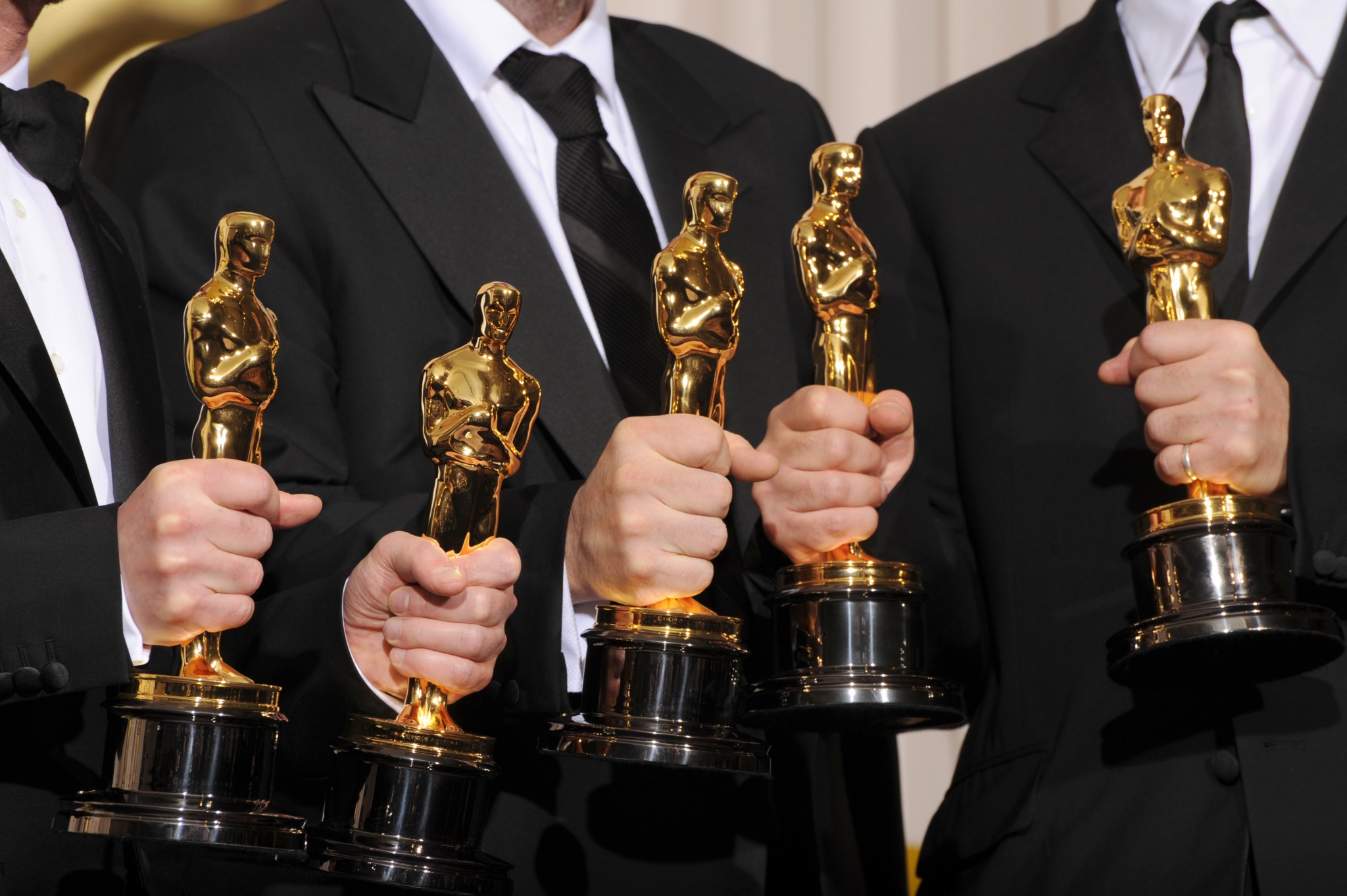
The 87th Academy Awards, held on February 22, 2015, serve as a significant historical benchmark for the film industry. The ceremony honored the achievements of the 2014 film year, highlighting a tension between traditional narrative craftsmanship and bold, experimental filmmaking. The event remains a reference point for critical acclaim, industry recognition patterns, and the shifting landscape of prestige cinema in the mid-2010s.
The Landscape of the 87th Academy Awards
The 2015 ceremony was characterized by a contest between two distinct types of films: the technically daring, single-take illusion of Alejandro G. Iñárritu’s Birdman and the patient, decade-long observational documentary-style drama of Richard Linklater’s Boyhood. This competition framed the narrative of the awards season, reflecting a broader industry debate regarding the definition of "best" in an era where digital cinematography and unconventional production methods were gaining mainstream dominance.
While Birdman ultimately secured the award for Best Picture, the ceremony is often remembered for the depth of its competition. The Best Actor and Best Actress categories featured performances that redefined the expectations for biopics and character-driven dramas, setting a high standard for subsequent years.
Key Films and Major Category Winners
The distribution of the major awards reflected a desire among voters to honor both stylistic risks and strong, performance-based storytelling. Understanding the winners requires examining the specific films that dominated the conversation at the time.
Birdman or (The Unexpected Virtue of Ignorance) emerged as the night’s most awarded film, taking home Best Picture, Best Director for Alejandro G. Iñárritu, Best Original Screenplay, and Best Cinematography. The film’s technical ambition—designed to appear as a continuous long take—was a decisive factor for the Academy.
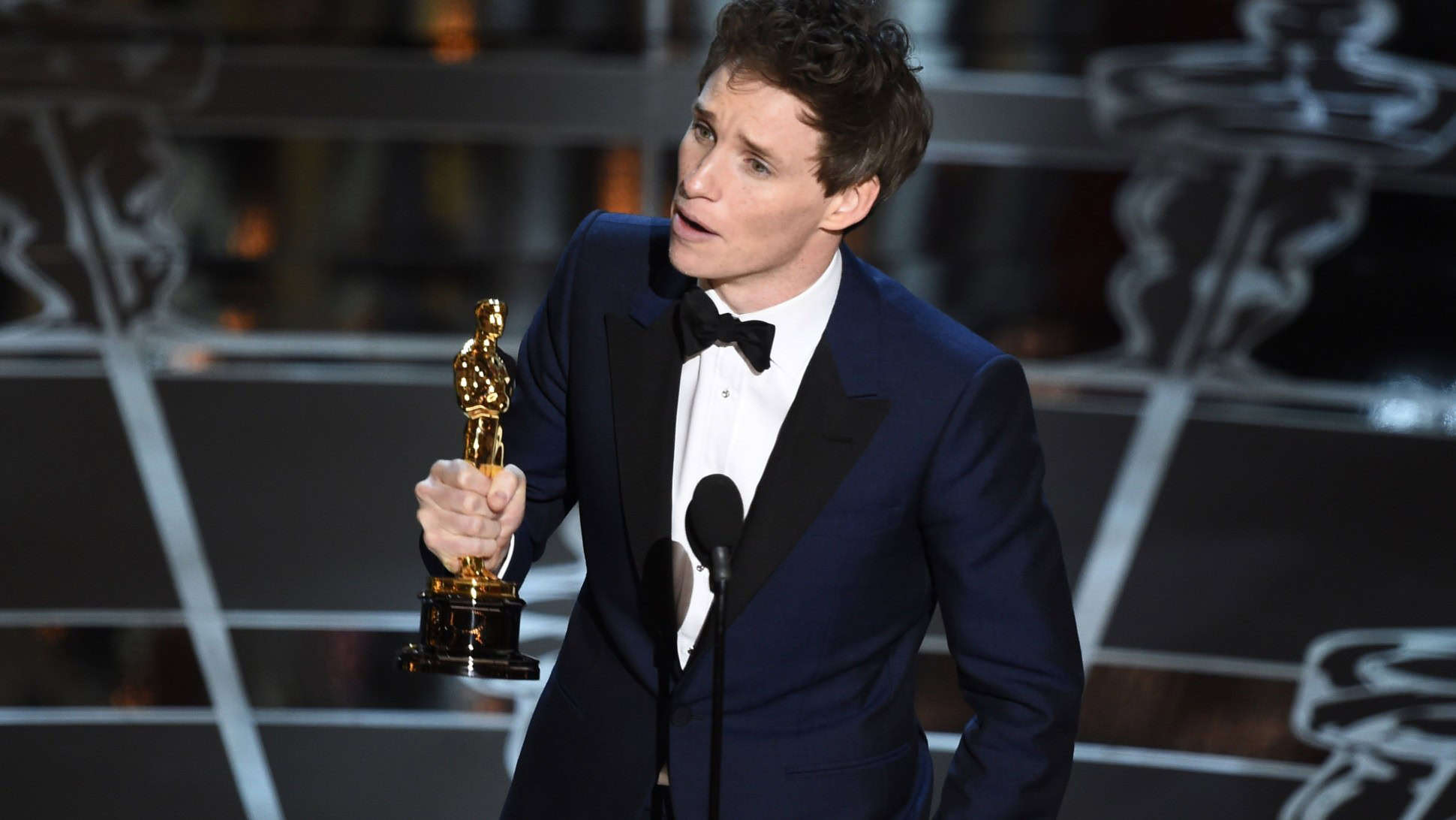
In the acting categories, Eddie Redmayne won Best Actor for his portrayal of Stephen Hawking in The Theory of Everything, while Julianne Moore received Best Actress for her performance in Still Alice. These wins highlighted the Academy’s historical preference for transformative performances grounded in dramatic portrayals of health struggles and intellectual rigor. Supporting categories were claimed by J.K. Simmons for his intense role in Whiplash and Patricia Arquette for her dedication to the multi-year production of Boyhood.
The Technical and Narrative Significance
The 2015 awards were a testament to the maturation of digital production tools and editing techniques. The recognition of Birdman for its cinematography by Emmanuel Lubezki validated the use of complex, non-linear blocking and digital stitching in prestige cinema. This win moved the needle, signaling that technical virtuosity could hold equal weight with traditional narrative structure in the minds of the voting body.
Conversely, Boyhood represented a radical experiment in production duration. Filmed over the course of twelve years with the same cast, the film presented a unique challenge to the industry: how do we recognize a creative process that spans over a decade? While it did not win Best Picture, its inclusion remains a landmark in the history of independent filmmaking, proving that long-term, low-budget projects could achieve the same cultural relevance as studio-backed features.
Comparative Analysis of Major Winners
The following table outlines the major winners and their respective areas of achievement at the 87th Academy Awards.
| Award Category | Winner | Film |
|---|---|---|
| Best Picture | Alejandro G. Iñárritu | Birdman |
| Best Director | Alejandro G. Iñárritu | Birdman |
| Best Actor | Eddie Redmayne | The Theory of Everything |
| Best Actress | Julianne Moore | Still Alice |
| Best Supporting Actor | J.K. Simmons | Whiplash |
| Best Supporting Actress | Patricia Arquette | Boyhood |
| Best Original Screenplay | Alejandro G. Iñárritu et al. | Birdman |
| Best Adapted Screenplay | Graham Moore | The Imitation Game |
Lasting Impact on the Industry
The legacy of the 2015 Academy Awards is felt in the subsequent evolution of film production and distribution. First, the ceremony solidified the power of the "prestige independent" film. Whiplash, a low-budget independent production, successfully transitioned from the festival circuit to the Academy stage, encouraging studios to invest more heavily in distinct, visionary projects rather than relying solely on established franchises.
Second, the acting winners of 2015 reinforced the "biopic trend" that continued to dominate the following decade. By honoring portrayals of real-life figures or those struggling with terminal conditions, the Academy signaled a preference for character studies that emphasize physical and psychological transformation.
Finally, the 2015 Oscars served as a catalyst for ongoing discussions regarding diversity and representation. The lack of nominations for filmmakers and actors of color during this year sparked widespread industry discourse that directly influenced the subsequent membership drives and voting reforms implemented by the Academy of Motion Picture Arts and Sciences.
Managing Expectations for Historical Research
When researching the 2015 awards, it is important to distinguish between public discourse and the official Academy records. Many films that were "fan favorites" or critical darlings did not receive the statues. For example, The Grand Budapest Hotel won several technical awards, such as Best Production Design and Best Original Score, demonstrating that the Academy often balances recognition for "Best Picture" with a broader distribution of honors for technical excellence.
For those conducting research on this year, it is recommended to utilize the official Academy of Motion Picture Arts and Sciences database. This ensures that the records of nominees and winners are accurate, especially concerning technical contributors who may not always receive the same public visibility as the leads in the major categories.
Frequently Asked Questions
Which film won the most awards at the 2015 ceremony?
Birdman or (The Unexpected Virtue of Ignorance) won the most awards at the 87th Academy Awards, totaling four wins: Best Picture, Best Director, Best Original Screenplay, and Best Cinematography.
Why did Boyhood receive so much critical attention despite not winning Best Picture?
Boyhood was noted for its unprecedented production timeline, as director Richard Linklater filmed the story over twelve years using the same cast. It was widely regarded as a unique cinematic experiment that pushed the boundaries of traditional narrative production.
How did the 2015 Academy Awards influence subsequent industry trends?
The ceremony highlighted the success of independent films like Whiplash and encouraged a trend of prestige biopics. It also served as a focal point for institutional discussions regarding the need for greater diversity among nominees, which led to significant organizational changes within the Academy.
What technical innovation was most celebrated in 2015?
The long-take cinematography of Birdman, achieved by Emmanuel Lubezki, was the most significant technical advancement celebrated that year. It influenced how directors approached complex blocking and digital editing in high-budget features.
Where can I find the official records for the 87th Academy Awards?
The official Academy of Motion Picture Arts and Sciences website hosts a searchable database of all nominees and winners, which serves as the most accurate primary source for historical data regarding the 2015 ceremony.
Strategic Review of Cinematic Milestones
To understand the full impact of 2015, researchers should view the ceremony not as an isolated event but as a pivot point between the era of traditional film production and the contemporary era of hybrid digital-filmmaking. The next step for anyone interested in this topic is to analyze the production budgets against the critical reception of these films. By comparing the financial returns and the critical acclaim of Birdman and Boyhood, one can gain deeper insight into what the industry valued as "prestige" in the mid-2010s. This remains a highly relevant study for understanding current voting patterns and the criteria for modern cinematic excellence.