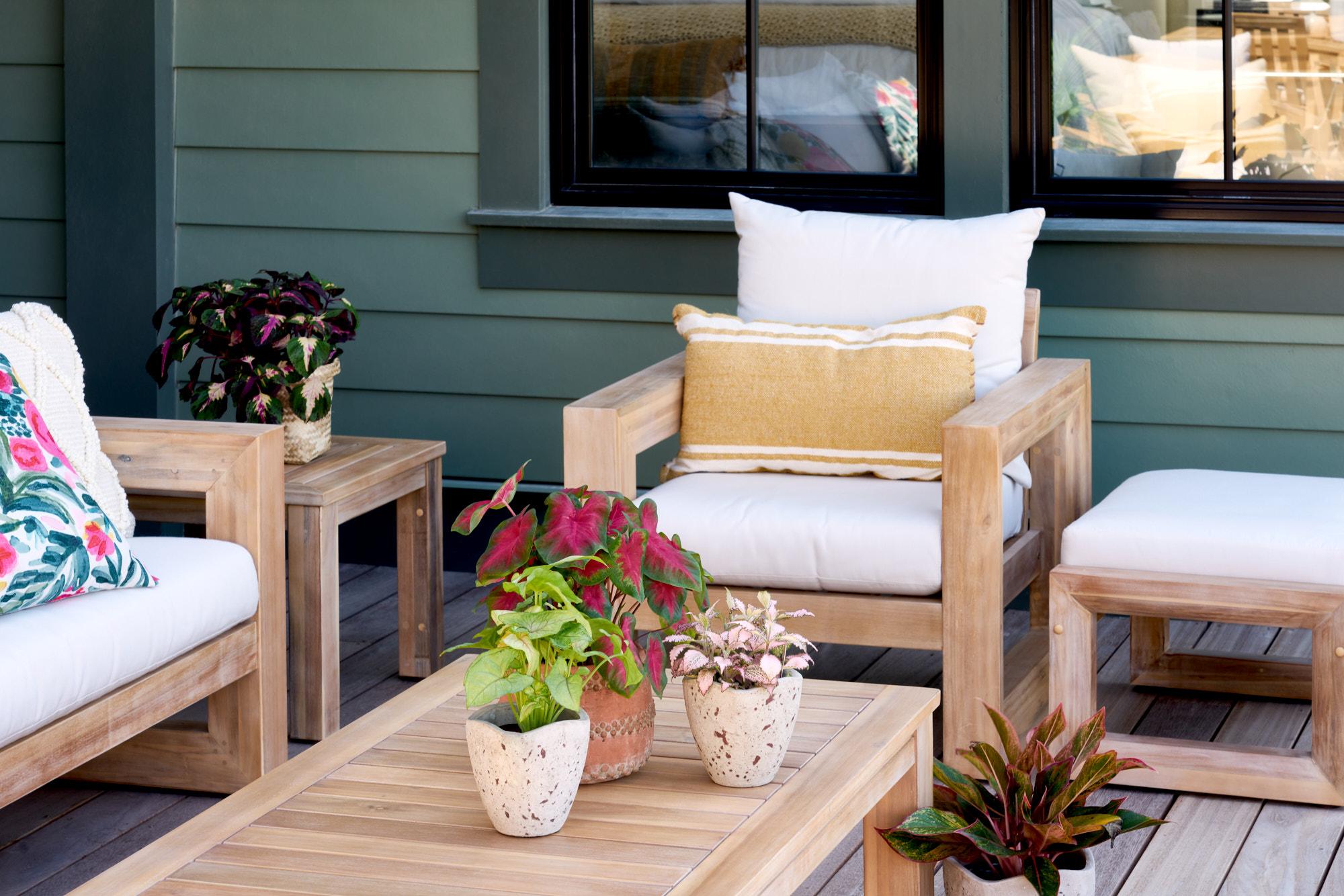
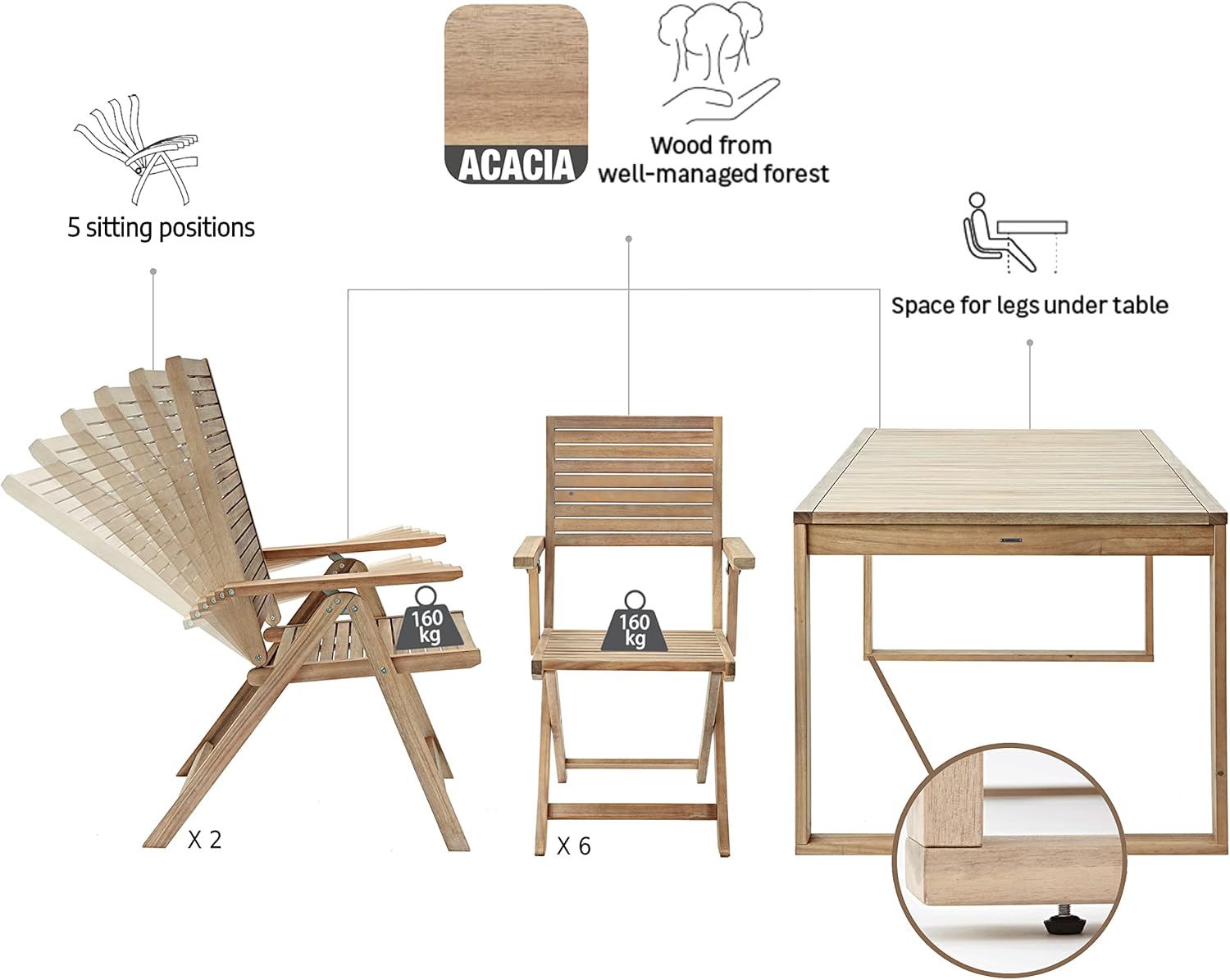
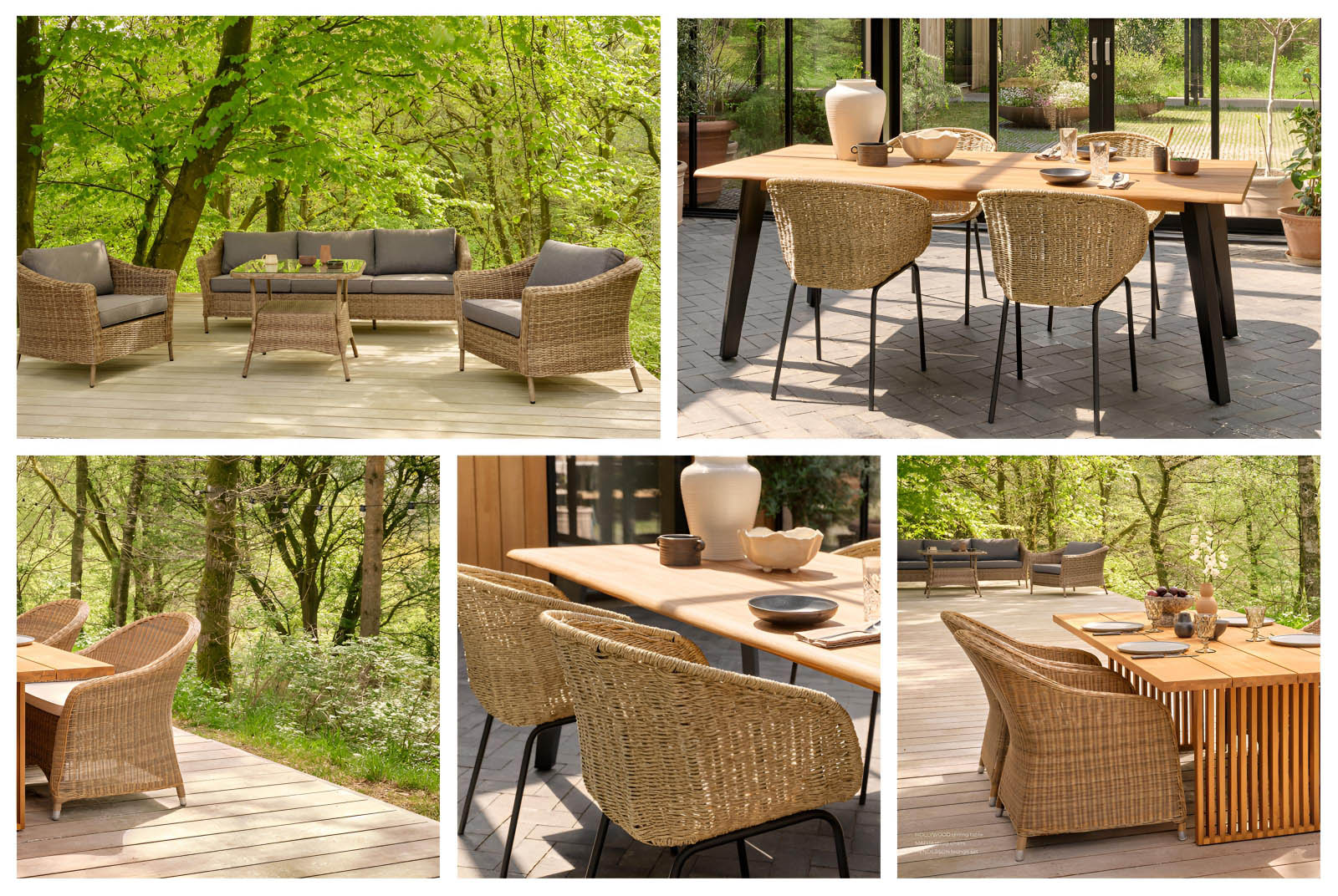
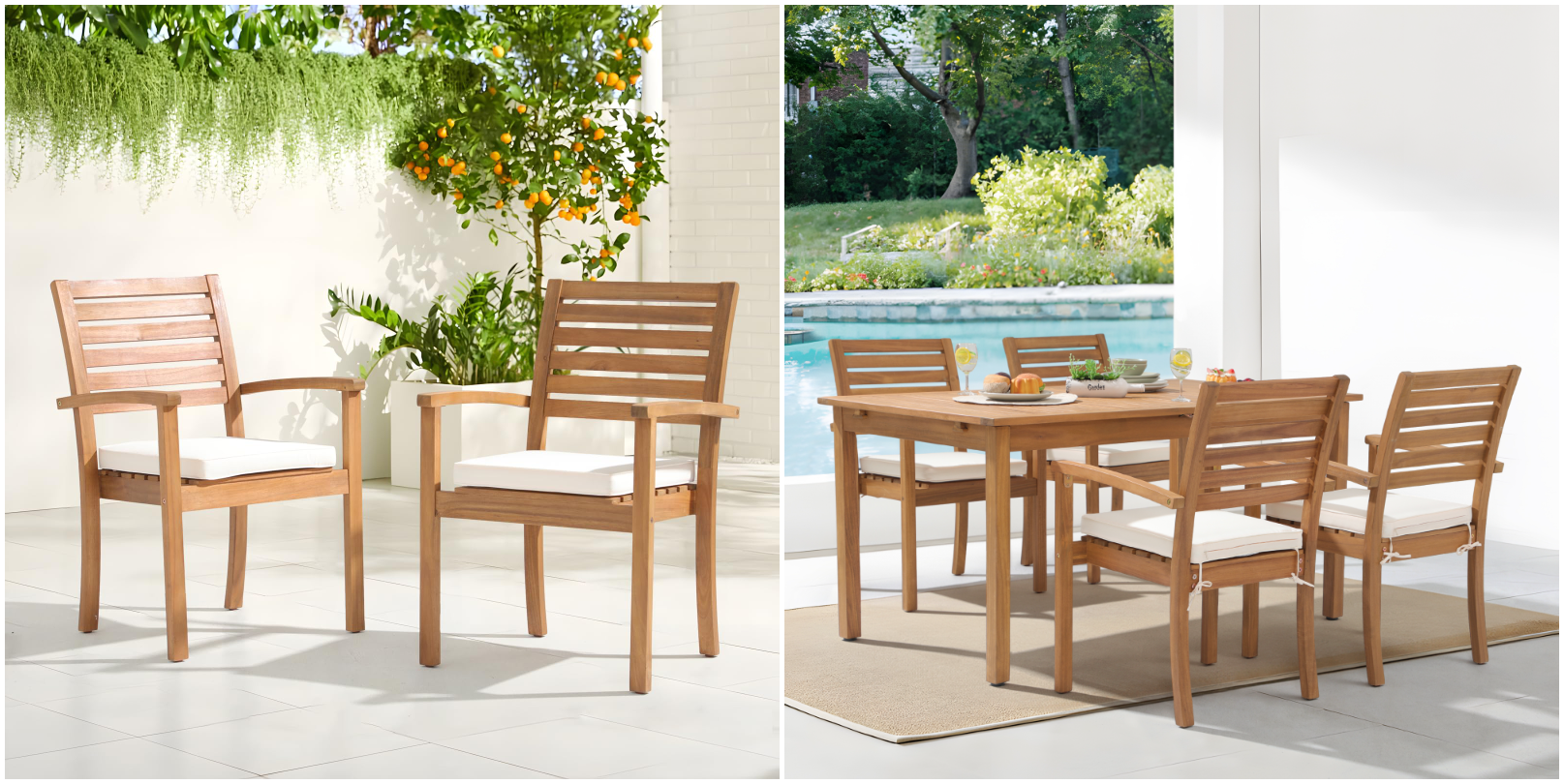
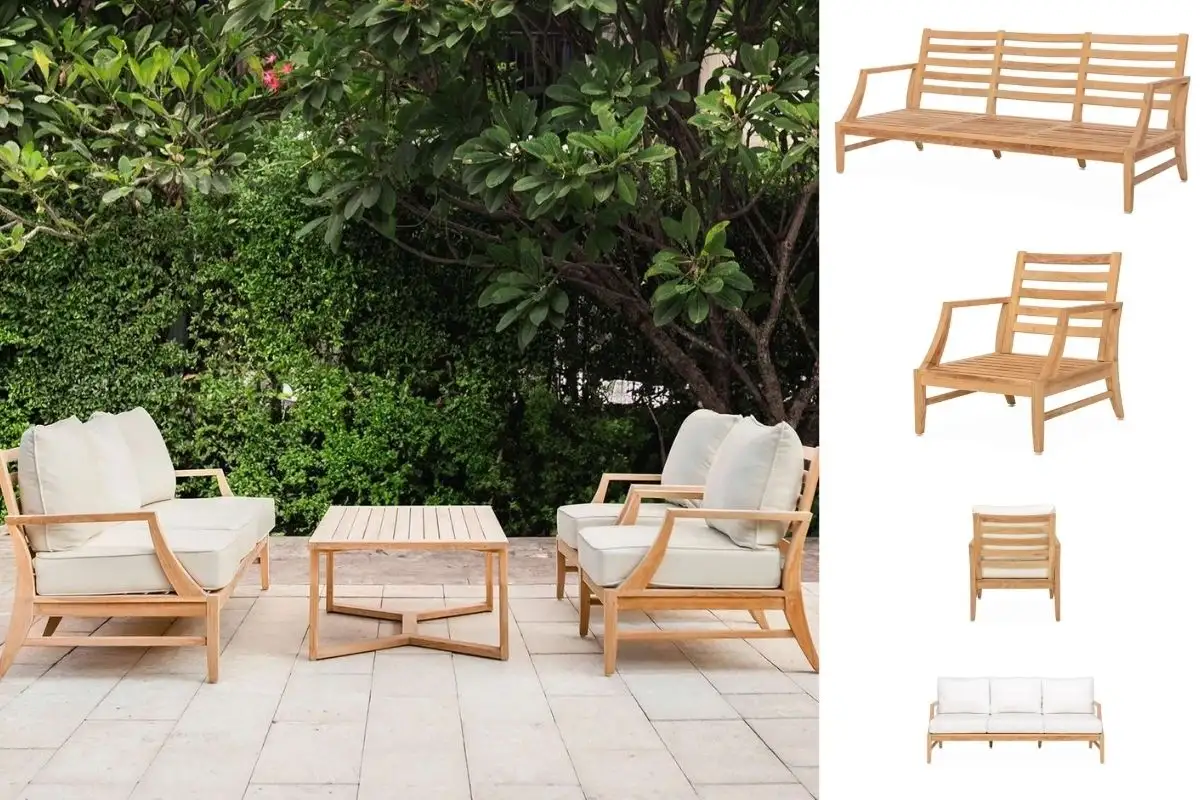
Acacia garden furniture offers an exceptional balance of high-density durability, natural moisture resistance, and environmental sustainability. As a fast-growing hardwood with a high oil content, it provides a long-lasting, weather-resistant alternative to expensive teak. Its rapid maturation cycle and carbon-sequestering properties make it a premier choice for eco-conscious outdoor design in 2026.
The Botanical Profile and Material Science of Acacia Wood
Acacia is not a single species but a genus of shrubs and trees belonging to the subfamily Mimosoideae of the pea family Fabaceae. For furniture manufacturing, the most commonly utilized species include Acacia mangium and Acacia koa. What distinguishes acacia in the realm of outdoor timber is its remarkable density and cellular structure. On the Janka hardness scale, various acacia species typically range from 1,100 to 1,750 lbf (pounds-force), making it significantly harder than many domestic hardwoods like White Oak or Northern Pine.
The wood is characterized by its high concentration of natural oils and tannins. These organic compounds act as a built-in defense mechanism against the three primary enemies of outdoor furniture: moisture, fungal decay, and wood-boring insects. In 2026, material scientists continue to highlight acacia’s "bi-modal" grain structure—a mix of straight and wavy patterns—which provides not only aesthetic appeal but also structural integrity. This density prevents the wood from warping or shrinking significantly when exposed to the fluctuating humidity levels typical of temperate and subtropical outdoor environments.
Furthermore, the heartwood of acacia is naturally resistant to rot. When used in garden furniture, this translates to a product that can withstand direct contact with soil or damp patio surfaces far better than softer woods. While it is not entirely "set and forget," the inherent biological properties of the timber provide a robust foundation for long-term outdoor utility.
Sustainability and the Environmental Impact of Acacia
In the 2026 furniture market, sustainability is no longer an optional "green" feature; it is a fundamental requirement for informed consumers. Acacia excels in this category due to its rapid growth rate. Unlike slow-growing hardwoods such as teak or mahogany, which can take 30 to 50 years to reach harvestable maturity, many acacia species are ready for commercial use in as little as 10 to 15 years.
This fast maturation cycle allows for high-yield, sustainable plantation management. Because the trees grow so quickly, they sequester carbon at a faster rate than slower-growing species, making acacia plantations effective carbon sinks. However, the sustainability of acacia furniture is also dependent on ethical sourcing. When selecting pieces, it is critical to verify certifications from the Forest Stewardship Council (FSC), which ensures the wood is harvested in a way that preserves biological diversity and benefits the lives of local people and workers.
The environmental footprint of acacia is further reduced by its adaptability. These trees can thrive in poor soil conditions where other crops fail, often helping to prevent soil erosion and improve nitrogen fixation in the earth. This makes acacia a "restorative" timber choice, particularly when sourced from rehabilitated lands in Southeast Asia and Australia. By choosing acacia over endangered tropical hardwoods, consumers directly contribute to the reduction of illegal logging in sensitive rainforest ecosystems.
Comparative Analysis: Acacia vs. Other Outdoor Timbers
When selecting outdoor furniture in 2026, homeowners often weigh acacia against other popular options like teak, eucalyptus, and pressure-treated pine. While teak is often considered the "gold standard" for longevity, acacia has become the preferred choice for those seeking comparable performance at a significantly lower price point.
| Material | Janka Hardness (Approx.) | Average Outdoor Lifespan | Sustainability Rating | Price Point |
|---|---|---|---|---|
| Acacia Wood | 1,100 – 1,750 lbf | 15–20 Years | High (Fast-growing) | Moderate |
| Teak | 1,000 – 1,150 lbf | 25–50 Years | Low/Medium (Slow-growing) | High |
| Eucalyptus | 1,125 – 1,500 lbf | 10–15 Years | High | Low/Moderate |
| Cedar | 320 – 350 lbf | 10–15 Years | Medium | Moderate |
| Pressure-Treated Pine | 380 – 420 lbf | 5–10 Years | Low (Chemical intensive) | Low |
While teak contains a slightly higher oil content, acacia is actually harder on the Janka scale, providing superior resistance to scratches and physical impacts. Eucalyptus is a close competitor in terms of sustainability and price, but acacia generally offers more intricate grain patterns and a warmer color palette, ranging from light amber to deep espresso. Cedar and pine, being softwoods, lack the density required to match acacia’s resistance to heavy-duty use and mechanical wear.
Essential Care and Maintenance for Longevity
To maximize the 15-to-20-year lifespan of acacia garden furniture, a consistent maintenance regimen is necessary. Although the wood is naturally durable, the relentless cycle of UV exposure and moisture can eventually lead to surface degradation if left completely untreated.
Cleaning and Surface Preparation
Furniture should be cleaned at least twice a year—once before the spring season and once before winter storage. Use a soft-bristled brush and a mild solution of pH-neutral soap and warm water. Avoid high-pressure power washers, as these can strip the natural oils and fray the wood fibers, creating a "fuzzy" texture that traps moisture. If the wood has developed a grey patina—a natural result of UV oxidation—a light sanding with 150-grit sandpaper can reveal the vibrant original color beneath.
Protective Finishes and Oiling
The primary maintenance task for acacia is the application of a high-quality hardwood oil. Products containing linseed or tung oil, specifically formulated with UV inhibitors, are recommended. In 2026, many eco-friendly, water-based stains have also become popular, providing a breathable barrier that prevents the wood from drying out and cracking. Oiling should be performed when the wood begins to look "thirsty" or dull, typically once a year. Ensure the furniture is completely dry for at least 48 hours before applying any oil to prevent trapping moisture within the grain.
Seasonal Storage and Protection
While acacia is weather-resistant, extreme temperature fluctuations can cause the wood to expand and contract. During the harsh winter months or periods of prolonged non-use, it is advisable to use breathable furniture covers. Avoid using plastic tarps that do not allow for air circulation, as trapped humidity can foster mold growth. If possible, storing the furniture in a cool, dry shed or garage will significantly extend its aesthetic and structural life.
Aesthetic Versatility and 2026 Design Trends
Acacia is highly prized by furniture designers for its "live" aesthetic. The wood often features a mix of sapwood and heartwood, resulting in a beautiful contrast of light and dark streaks. This natural variation ensures that no two pieces of acacia furniture are identical, providing a bespoke feel to mass-produced collections.
In 2026, the trend in outdoor living spaces has shifted toward "organic modernism." Designers are moving away from the stark, cold lines of metal and plastic in favor of the warmth and texture provided by acacia. The wood takes stains exceptionally well, allowing it to be finished in a variety of tones:
- Natural/Honey: Highlights the golden hues and is ideal for "boho-chic" or coastal garden styles.
- Walnut/Dark Oak: Provides a sophisticated, formal look that complements modern architectural lines.
- Weathered Grey: A pre-treated finish that mimics the aged look of driftwood, popular in minimalist landscapes.
Beyond aesthetics, the workability of acacia allows for complex joinery. High-quality acacia furniture often features mortise-and-tenon joints, which provide superior strength compared to simple screw-and-bolt assemblies. This structural integrity is essential for items like dining tables and benches that must support significant weight over long periods.
Economic Value and Lifespan Considerations
Purchasing acacia garden furniture is widely regarded as a high-value investment. While the initial cost is higher than plastic or softwoods, the "cost-per-year" of ownership is remarkably low. A well-maintained acacia dining set can easily last two decades, whereas cheaper alternatives often require replacement every three to five years due to UV brittleness or rot.
In the 2026 market, the resale value of hardwood furniture remains high. As consumers prioritize circular economy principles, durable goods like acacia furniture are seen as assets rather than disposable commodities. By investing in acacia, homeowners are not only enhancing their immediate outdoor experience but are also choosing a product that retains its utility and aesthetic appeal for the long term.
FAQ
Does acacia wood furniture turn grey over time?
Yes, like almost all natural hardwoods, acacia will eventually develop a silvery-grey patina if exposed to direct sunlight for extended periods. This is a purely cosmetic change caused by the oxidation of the wood's surface layer. If you prefer the original golden-brown color, this can be easily restored by lightly sanding the surface and applying a fresh coat of hardwood oil with UV protection.
Is acacia furniture heavy and wind-resistant?
Acacia is a dense hardwood, making it significantly heavier than aluminum or plastic furniture. This weight is a major advantage for outdoor use, especially in windy environments where lighter furniture might be blown over. While it is sturdy, it is still manageable for two people to move chairs or tables when rearranging a patio layout.
Can acacia furniture be left out in the rain?
Acacia is naturally water-resistant due to its high oil content and can handle rain showers without immediate damage. However, it should not be left in standing water. Proper drainage is key; ensure that the feet of the furniture are not sitting in puddles. Over time, constant saturation can lead to "checking" (small cracks), so using covers during rainy seasons is recommended.
Is acacia furniture prone to pests or termites?
Acacia is naturally resistant to most wood-boring insects, including termites, thanks to the bitter tannins and oils found in its heartwood. While no wood is 100% "pest-proof" if left in a neglected state for years, acacia is one of the most resilient choices available. Keeping the wood clean and oiled further enhances this natural resistance.
How do I know if my acacia furniture is sustainably sourced?
Look for the FSC (Forest Stewardship Council) or PEFC (Programme for the Endorsement of Forest Certification) labels on the product packaging or the manufacturer’s documentation. These certifications verify that the wood was harvested from responsibly managed forests that meet strict environmental and social standards.
Identifying Quality: A Guide for the 2026 Buyer
When shopping for acacia garden furniture, focus on the details of construction rather than just the surface finish. Check the underside of tables and the interior of joints for uniform sanding and staining; manufacturers who take care with hidden surfaces generally produce higher-quality goods. Ensure that any hardware, such as screws or hinges, is made of galvanized steel or brass to prevent rust streaks from staining the wood.
Finally, prioritize pieces with thick timber sections. Thinner slats are more prone to bowing over time. By selecting substantial, well-crafted acacia pieces, you are securing a sustainable, durable, and beautiful foundation for your outdoor living space that will serve your household for many years to come.