AC Milan, officially known as Associazione Calcio Milan, is one of the most decorated and influential football clubs in global sports history. Based in Milan, Italy, the club has secured seven UEFA Champions League titles and multiple domestic honors. As of 2026, the "Rossoneri" represent a sophisticated blend of historical prestige and modern, data-driven management under international ownership, consistently competing at the highest levels of European football.
Historical Foundations and the "Grande Milan" Eras
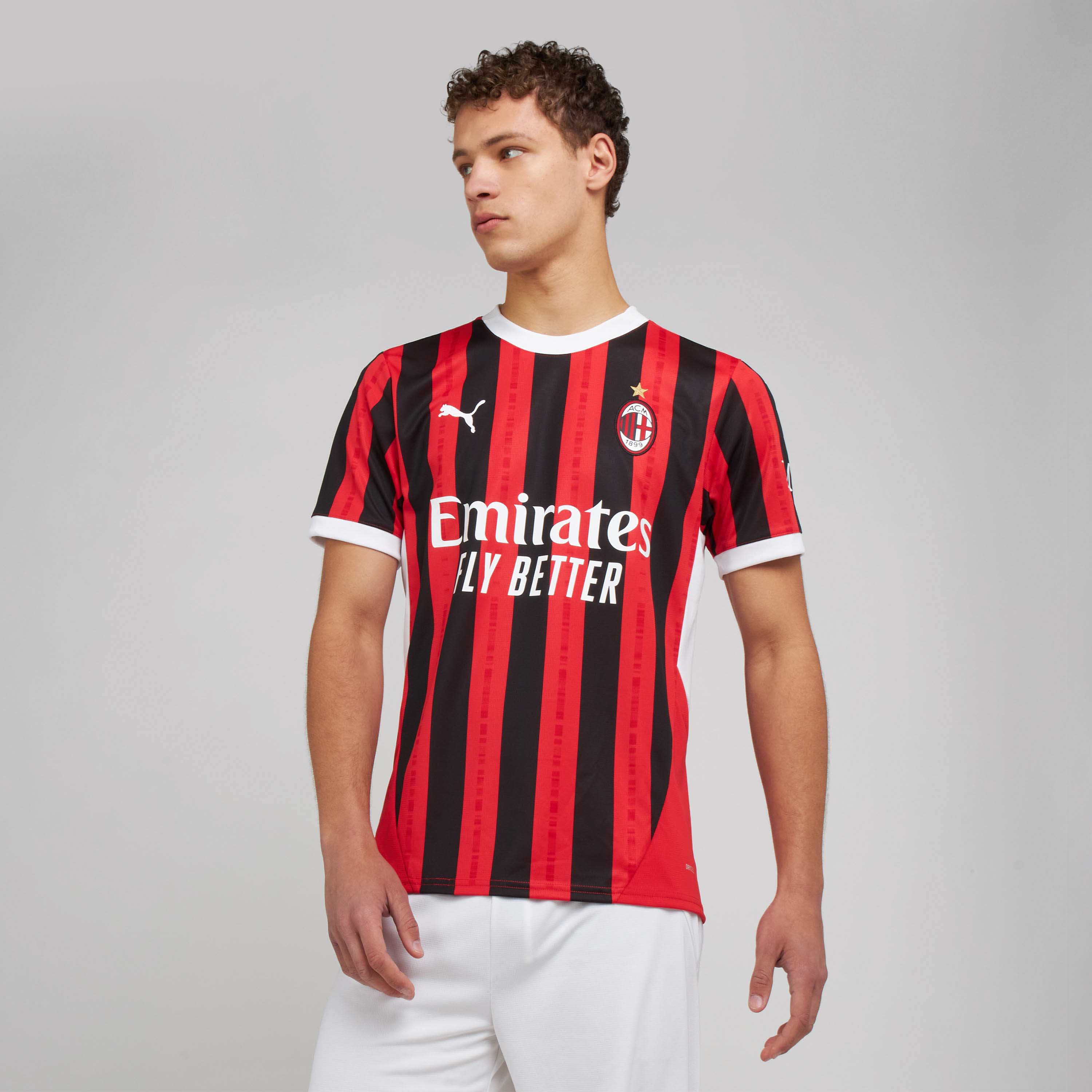
The journey of AC Milan began in December 1899, founded by English expatriates Herbert Kilpin and Alfred Edwards as the Milan Foot-Ball and Cricket Club. From its inception, Kilpin established the club’s iconic identity, choosing red to represent the players' fiery passion and black to invoke fear in their opponents. This visual identity has remained one of the most recognizable brands in world sport for over a century.
The club's history is defined by periods of unprecedented dominance, often referred to as the "Grande Milan" eras. The first significant golden age arrived in the 1950s with the "Gre-No-Li" trio—Swedish players Gunnar Gren, Gunnar Nordahl, and Nils Liedholm. This era laid the groundwork for Milan’s European aspirations, culminating in their first European Cup victory in 1963 under manager Nereo Rocco, who pioneered the Catenaccio tactical system.
However, the most transformative period occurred under the ownership of Silvio Berlusconi, who purchased the club in 1986. Berlusconi’s tenure saw the appointment of Arrigo Sacchi, a tactical visionary who moved away from traditional defensive Italian styles in favor of high-pressing, zonal marking, and an aggressive offside trap. Supported by the legendary Dutch trio of Marco van Basten, Ruud Gullit, and Frank Rijkaard, Sacchi’s Milan is frequently cited by football historians as one of the greatest club sides ever assembled. This era was followed by the disciplined dominance of Fabio Capello and the sophisticated, star-studded squads of Carlo Ancelotti in the 2000s, featuring icons like Paolo Maldini, Kaká, and Andrea Pirlo.
Ownership Evolution: From Berlusconi to RedBird Capital
The financial landscape of AC Milan has undergone significant restructuring over the last decade. Following the end of the Berlusconi era in 2017, a brief and turbulent period of Chinese ownership led to the club being seized by Elliott Management Corporation in 2018. Elliott provided the necessary fiscal discipline and strategic stability, transitioning the club from a state of financial distress back to the summit of Italian football, highlighted by the 19th Scudetto win in 2022.
In late 2022, RedBird Capital Partners, led by Gerry Cardinale, acquired the club in a deal valued at approximately €1.2 billion. As of 2026, the RedBird era is defined by a "Moneyball" inspired approach to recruitment and a heavy emphasis on commercial expansion. By leveraging data analytics for player scouting and focusing on the intersection of sports, media, and fashion, the ownership has sought to bridge the revenue gap between AC Milan and the English Premier League giants.
A key figure in this modern transition has been Zlatan Ibrahimović, who transitioned from a legendary playing career into a Senior Advisor role for the ownership group. His presence serves as a bridge between the dressing room and the executive board, ensuring that the club’s historical winning culture remains intact despite the shift toward algorithmic scouting and financial sustainability.
The New Stadium Project: Moving Beyond San Siro
One of the most critical developments for AC Milan in 2026 is the progression of their new stadium project. For decades, Milan has shared the iconic Stadio Giuseppe Meazza (San Siro) with their cross-town rivals, Inter Milan. While the San Siro is a temple of football history, its age and shared status limit the club's ability to generate modern "matchday revenue," which is vital for competing with state-backed clubs in Europe.
The club has aggressively pursued the development of a proprietary stadium in the San Donato Milanese area. This project is central to the club’s long-term business plan for several reasons:
- Revenue Control: Owning a stadium allows the club to retain 100% of ticket sales, hospitality packages, and naming rights.
- Modern Infrastructure: New facilities offer superior corporate boxes and VIP experiences, which are essential for high-net-worth commercial partnerships.
- Year-Round Utilization: The proposed site includes commercial hubs, museums, and entertainment venues that generate income outside of match days.
- Environmental Sustainability: Modern designs focus on carbon-neutral construction and energy efficiency, aligning the club with 2026 European environmental standards.
While the emotional attachment to San Siro remains strong among the fanbase, the "San Donato" project is viewed by the current administration as a non-negotiable step for Milan to maintain its status as a top-tier global entity.
Youth Development and the Milan Futuro Project
In recent years, AC Milan has pivoted toward a more robust internal talent pipeline. A significant milestone in this strategy was the launch of "Milan Futuro," the club's Under-23 side, which competes in the Italian professional league system. This initiative, inspired by the success of "B" teams in Spain and Germany, allows top prospects to experience the physical and tactical rigors of professional football before jumping to the first team.
The academy at Vismara has produced world-class talents such as Gianluigi Donnarumma and, more recently, Francesco Camarda, who garnered international attention as one of the most promising young strikers in Europe. By investing in youth, Milan aims to reduce its reliance on expensive external transfers while creating "homegrown" assets that satisfy UEFA’s Financial Fair Play (FFP) and Squad Cost Ratio regulations.
Major Honors and International Recognition
AC Milan’s trophy cabinet is a testament to its longevity. The club is often referred to as "Il Club più titolato al mondo" (though the title for most international trophies is frequently contested). Their success in the UEFA Champions League remains the centerpiece of their global prestige.
| Competition | Titles | Key Eras/Years |
|---|---|---|
| UEFA Champions League | 7 | 1963, 1969, 1989, 1990, 1994, 2003, 2007 |
| Serie A (Scudetto) | 19+ | Notable wins in 1992 (unbeaten), 2011, 2022 |
| FIFA Club World Cup / Intercontinental Cup | 4 | 1969, 1989, 1990, 2007 |
| UEFA Super Cup | 5 | 1989, 1990, 1994, 2003, 2007 |
| Coppa Italia | 5 | 1967, 1972, 1973, 1977, 2003 |
The club's performance in European competitions is what truly separates them from their domestic rivals. While Juventus has historically dominated the Italian league, Milan’s identity is intrinsically tied to the "nights under the lights" in Europe, a factor that continues to drive their international fan recruitment in markets like North America and Asia.
Strategic Financial Management and Global Brand Expansion
In 2026, AC Milan operates more like a global media company than a traditional sports club. Under RedBird Capital, the club has entered into various high-profile collaborations that transcend football. This includes partnerships with fashion houses, luxury brands, and entertainment icons, reflecting Milan’s status as the fashion capital of the world.
The financial health of the club is monitored through the lens of sustainability. Unlike the debt-fueled spending of the early 2000s, the current board prioritizes a balanced budget. This is achieved through:
- Player Trading Profit: Buying young players with high upside and selling them at their peak value (as seen with the transfer of Sandro Tonali to Newcastle in 2023).
- Commercial Partnerships: Expanding the portfolio of sponsors beyond traditional automotive and insurance companies to include tech and lifestyle brands.
- Digital Engagement: Utilizing "Milan Media House" to create exclusive content for global audiences, increasing the value of digital broadcasting rights.
This disciplined approach has allowed the club to remain competitive on the pitch without risking the long-term solvency that has plagued many other historic European teams.
Frequently Asked Questions
Why does AC Milan wear red and black?
The colors were chosen by the founder, Herbert Kilpin, in 1899. Red was selected to symbolize the fire and passion of the players, while black was chosen to strike fear into opponents. This led to the famous nickname "I Rossoneri" (The Red and Blacks).
Who is the greatest player in AC Milan history?
While subjective, Paolo Maldini is widely considered the greatest icon of the club. He spent his entire 25-year career at Milan, winning five European Cups/Champions Leagues and making over 900 appearances. Other strong candidates include Franco Baresi, Marco van Basten, and Gianni Rivera.
What is the relationship between AC Milan and Inter Milan?
The two clubs share a fierce rivalry known as the Derby della Madonnina. Inter Milan was formed in 1908 by a group of members who broke away from Milan over a disagreement regarding the signing of foreign players. Despite the rivalry, the clubs have shared the San Siro stadium for decades.
How can I buy tickets for an AC Milan match?
Tickets are primarily sold through the official AC Milan website and at Casa Milan (the club's headquarters). For high-demand matches like the Derby or Champions League fixtures, priority is often given to season ticket holders and "Cuore Rossonero" cardholders.
What is Milanello?
Milanello is the club’s legendary training center located in Carnago. Opened in 1963, it is considered one of the most advanced training facilities in the world and is credited with helping extend the careers of many veteran players through its "Milan Lab" medical and performance programs.
Exploring the Rossoneri Legacy at Casa Milan
For fans and tourists visiting Milan in 2026, the most practical next step is to visit Casa Milan, the club’s modern headquarters in the Portello district. Unlike a traditional office, Casa Milan serves as a cultural hub featuring the Museo Mondo Milan. This museum offers an immersive experience through the club’s history, showcasing the Ballon d'Or trophies won by Milan players and the seven original Champions League trophies.
Beyond the museum, Casa Milan houses the official megastore and a bistro, making it the primary touchpoint for fans to connect with the brand. For those looking to understand the future of the club, attending a "Milan Futuro" match or visiting the San Donato site provides a glimpse into the infrastructure that will define the next fifty years of this storied institution.