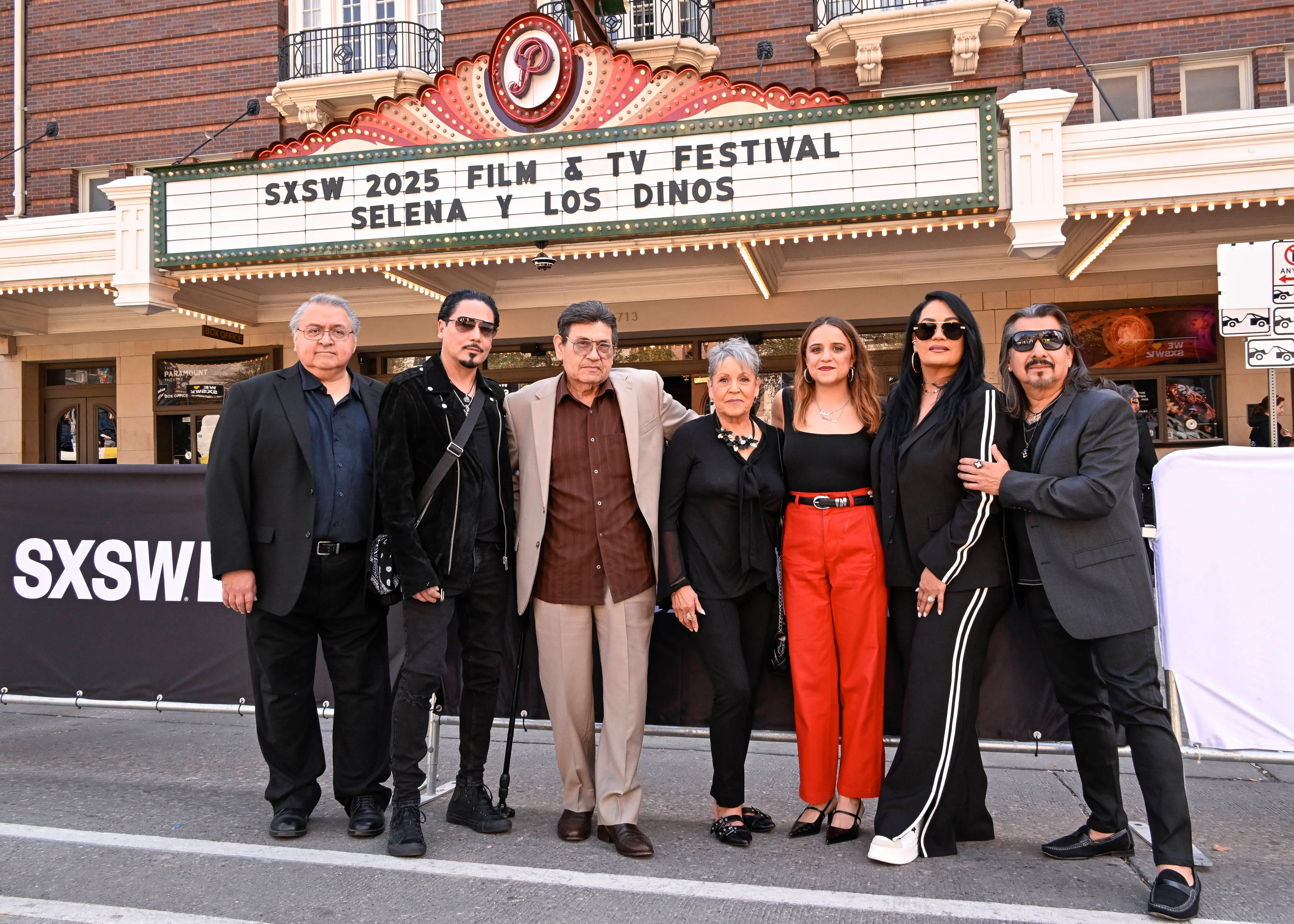
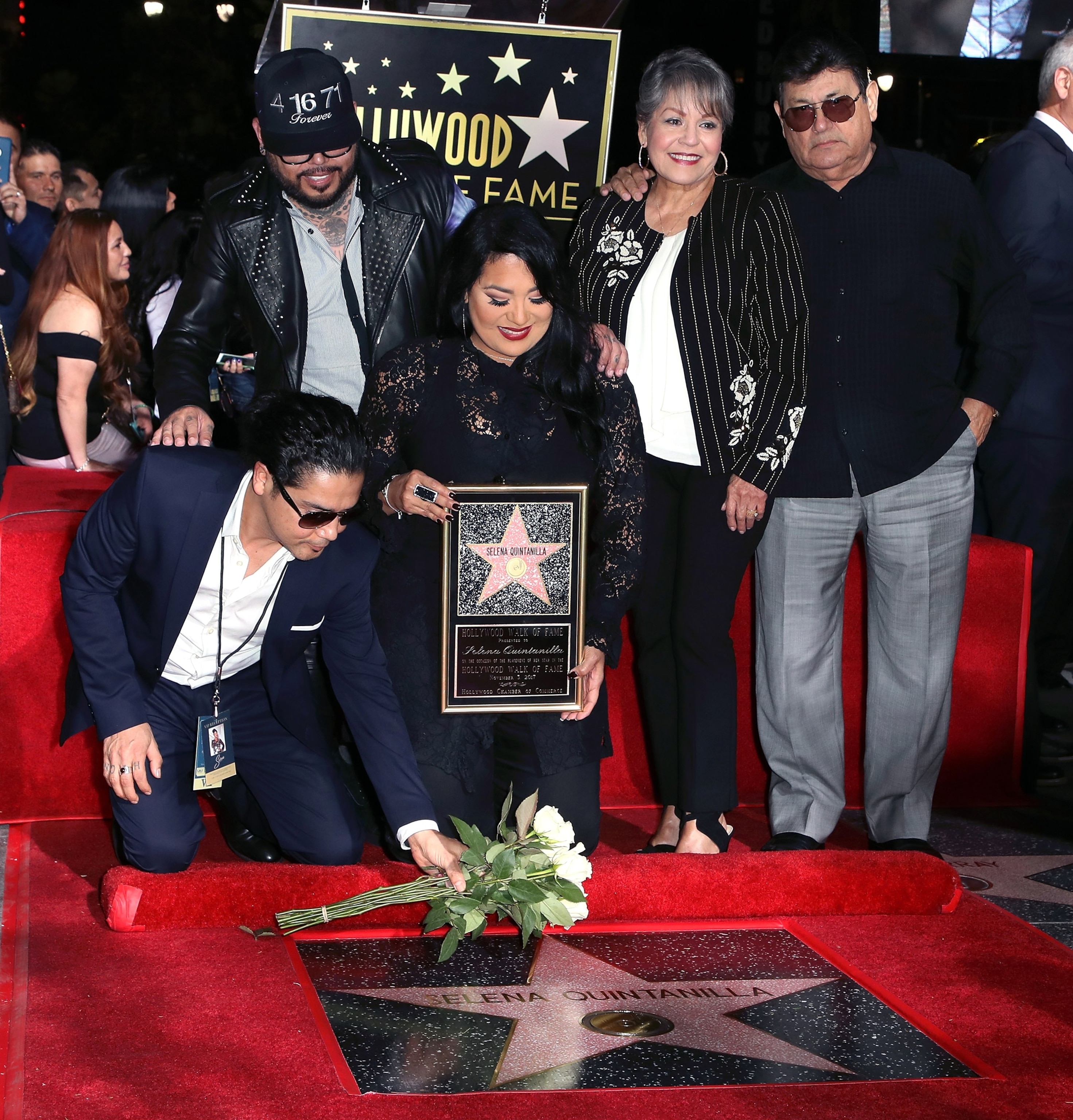
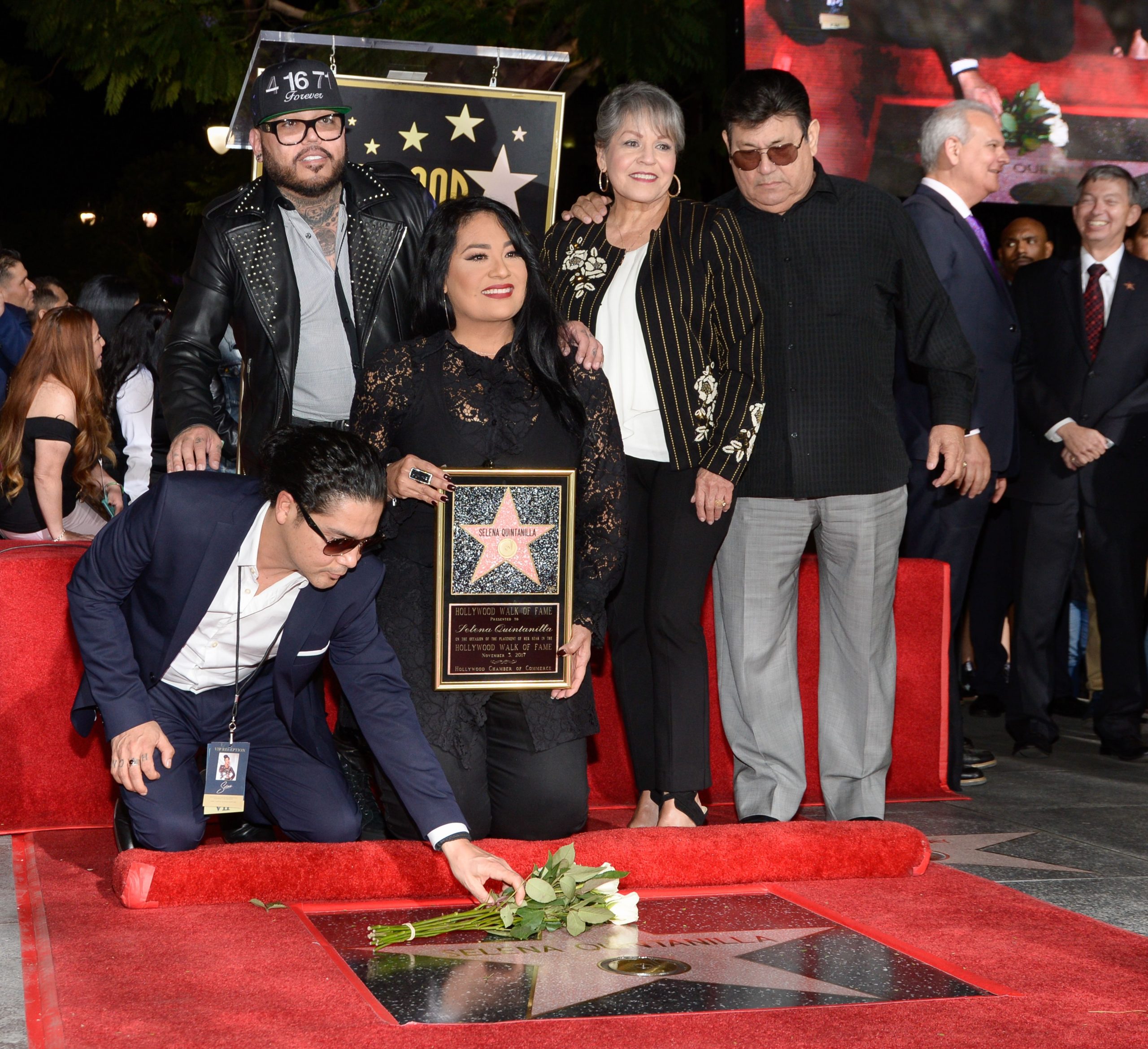
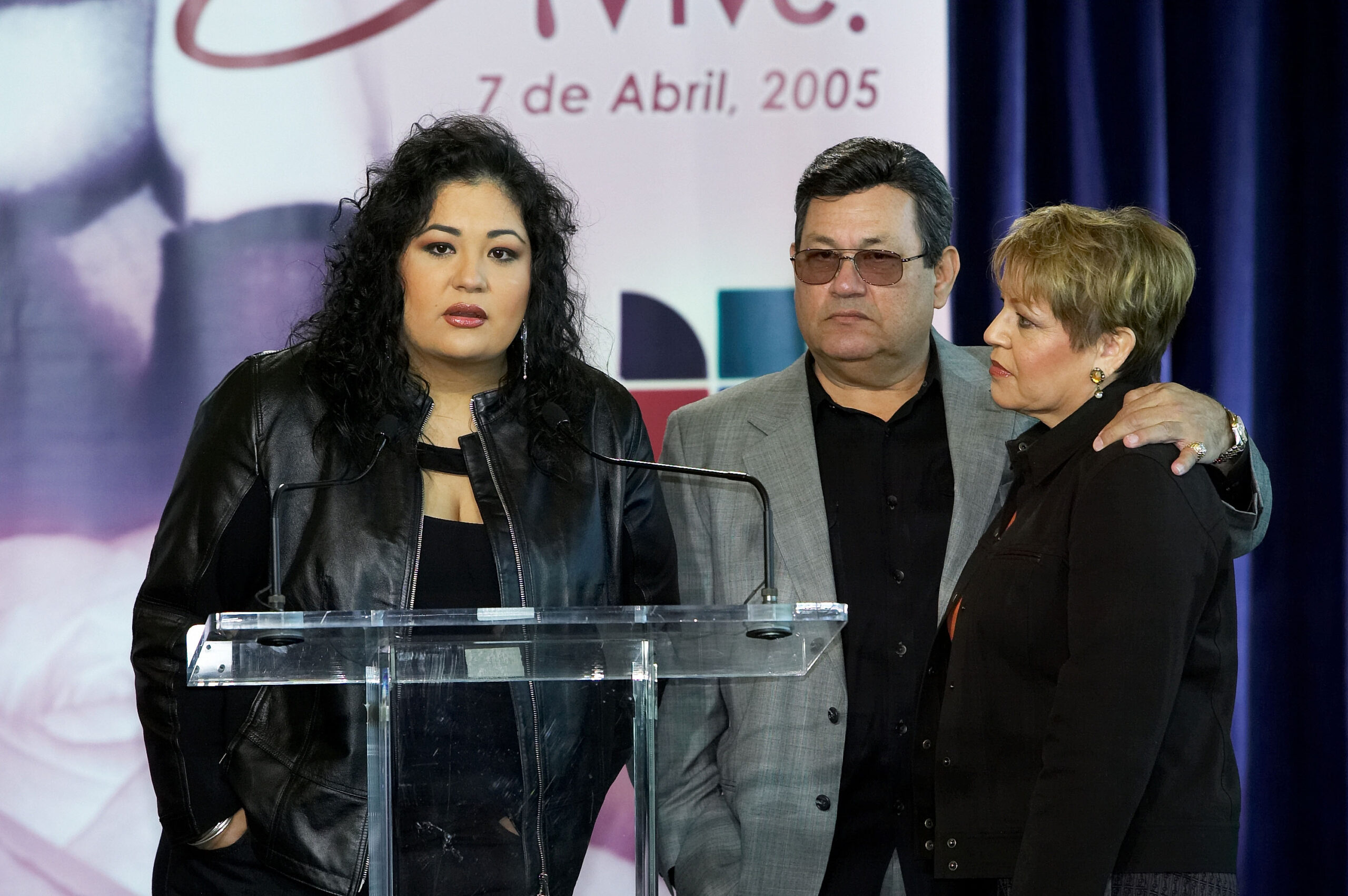
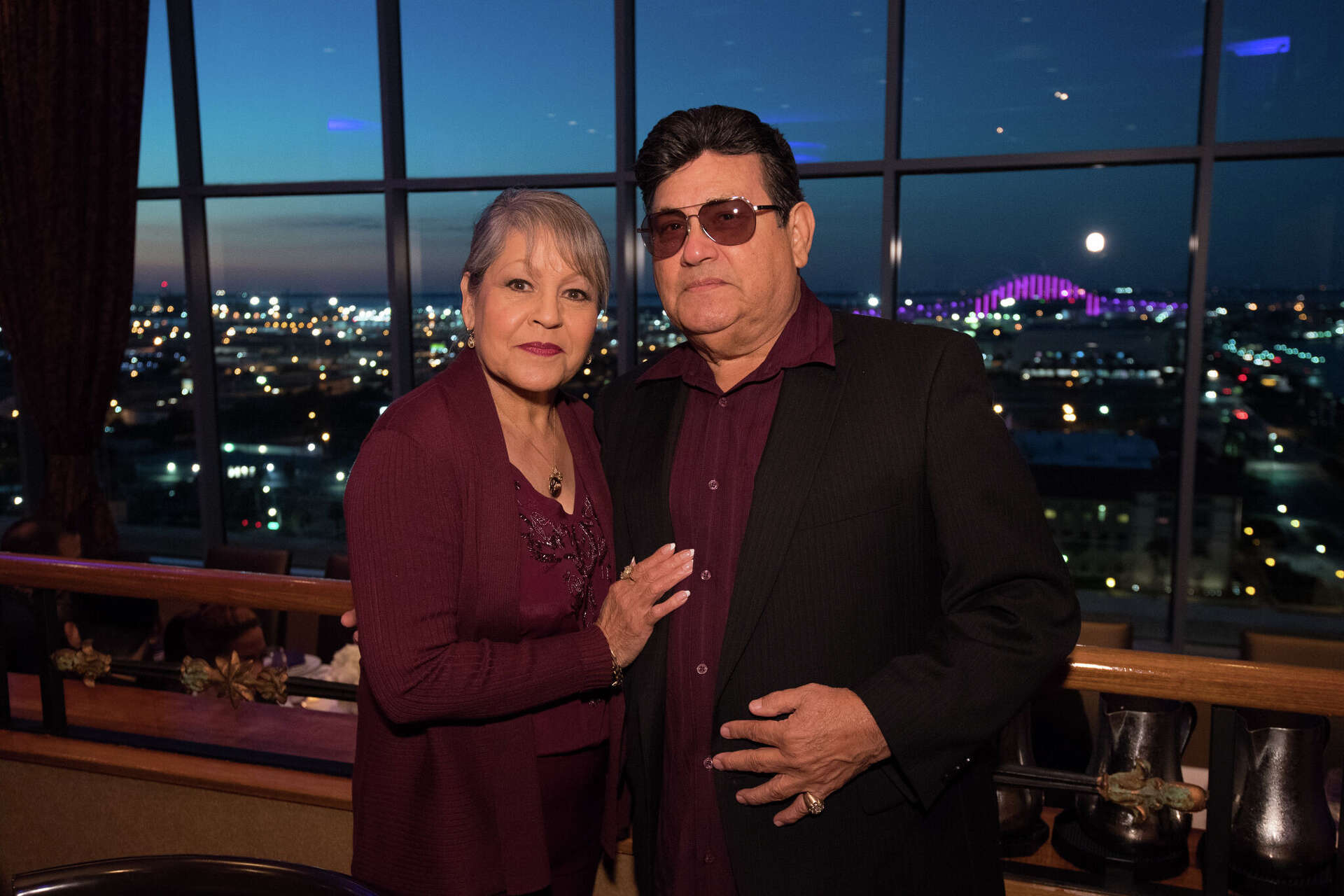
Abraham Quintanilla Sr. is a pivotal figure in American music history, recognized primarily as the manager and father of the late Tejano superstar Selena. As a former musician and the founder of Q-Productions, he engineered the rise of Selena y Los Dinos, effectively transforming the Tejano genre into a global phenomenon.
The Musical Roots of Abraham Quintanilla Sr.
Long before he was known as the patriarch of the Quintanilla family, Abraham Quintanilla Sr. was a performer in his own right. Born in 1939 in Corpus Christi, Texas, his entry into the music industry began during the late 1950s. He joined a group called Los Dinos, which initially focused on a blend of American doo-wop and traditional Mexican music. This era was critical in shaping his understanding of the industry's complexities, particularly the racial and cultural barriers that Mexican-American artists faced in the mid-20th century.
During his tenure with Los Dinos, Abraham experienced the highs of regional success and the lows of systemic exclusion. The group traveled extensively across the "Chitlin' Circuit" of the Southwest, often facing discrimination in hotels and performance venues. Despite recording several singles and gaining a loyal following, the group struggled to break into the mainstream. Abraham eventually left the full-time music circuit in the early 1970s to provide a more stable life for his wife, Marcella Samora, and their three children: "A.B." (Abraham III), Suzette, and Selena. However, the lessons learned during this period—specifically regarding professional discipline and the necessity of artistic control—would later form the foundation of his management style.
The Formation and Vision of Selena y Los Dinos
In the early 1980s, Abraham recognized an extraordinary vocal talent in his youngest daughter, Selena. Rather than viewing music as a mere hobby, he saw it as a professional path for his children. He reformed "Los Dinos" as a family unit, with A.B. on bass guitar and Suzette on drums. This move was initially born out of economic necessity following the closure of the family’s restaurant, Papagayo’s, during the Texas oil recession.
Abraham's management style was often characterized as rigorous and uncompromising. He acted as the band’s driver, booking agent, and sound engineer. He insisted that Selena learn to sing in Spanish, despite English being her primary language, because he understood that the Tejano market was the most viable entry point for a Mexican-American group. This strategic decision was instrumental in the band's eventual success. By the mid-1980s, under Abraham’s guidance, Selena y Los Dinos moved from performing at weddings and fairs to signing a major contract with EMI Latin.
The Role of Q-Productions
To maintain creative and financial autonomy, Abraham established Q-Productions in Corpus Christi. This facility served as more than just a management office; it became a full-scale recording studio and production house. By keeping production "in-house," Abraham ensured that the family retained the rights to their recordings and maintained a consistent aesthetic. As of 2026, Q-Productions remains the operational hub for Selena’s estate, managing her likeness, unreleased recordings, and the various brand collaborations that have kept her legacy alive for over three decades.
Comparative Evolution of the Quintanilla Musical Eras
The following table outlines the transition from Abraham’s early career to the global empire he built with his children.
| Feature | The Original Los Dinos (1950s-1970s) | Selena y Los Dinos (1980s-1995) | Q-Productions Era (1995-2026) |
|---|---|---|---|
| Primary Genre | Doo-wop / Rock & Roll | Tejano / Latin Pop | Multi-genre Legacy Management |
| Key Leadership | Collaborative / Band-led | Abraham Quintanilla Sr. | Family Board / Abraham Sr. |
| Market Reach | Regional (South Texas) | International (Americas) | Global (Digital/Licensing) |
| Core Business | Live Performance | Touring & Album Sales | Brand Licensing & Media |
| Infrastructure | Independent Labels | EMI Latin Partnership | Private Studio & Museum |
Management of the Selena Estate and Cultural Preservation
Since the tragic passing of Selena in 1995, Abraham Quintanilla Sr. has dedicated his life to the preservation of her legacy. This has been a complex undertaking involving legal battles, film production, and the curation of the Selena Museum in Corpus Christi. His primary objective has been to ensure that Selena is remembered as a positive role model and a pioneer for bicultural identity.
The 1997 biopic Selena, starring Jennifer Lopez, was a major milestone in this preservation effort. Abraham served as a producer, ensuring the film remained accurate to the family’s experiences. More recently, he was involved in the production of Selena: The Series on Netflix, which provided a deeper look into the family’s early struggles and Abraham’s own history as a musician. While some critics have labeled his management of the estate as overly protective, the continued relevance of Selena in 2026—marked by posthumous albums and successful retail lines—suggests a highly effective long-term strategy.
Legal and Relationship Dynamics
The management of the estate has not been without controversy. For many years, there was public tension between Abraham and Chris Pérez, Selena’s widower. Much of this stemmed from disputes over the rights to Selena's image and the stories told in Pérez’s memoir, To Selena, with Love. However, a significant turning point occurred in 2021 when both parties announced they had amicably resolved their legal differences. This resolution allowed for a more unified front in celebrating Selena’s memory, which has been maintained through 2026.
Impact on the Tejano Industry and Latin Music
Abraham Quintanilla Sr.’s influence extends beyond his family. He played a significant role in professionalizing the Tejano music industry. Before the 1980s, many Tejano acts lacked the polished production and marketing sophistication of mainstream pop. Abraham applied the "major label" standards he observed in the American market to the Latin music scene.
By demanding high production values and fostering a distinct visual identity for his daughter, he helped elevate the entire genre. His success proved that Spanish-language music produced in the United States could compete on a global scale. This paved the way for the "Latin Explosion" of the late 1990s, influencing artists such as Shakira, Ricky Martin, and later generations of bicultural stars.
Current Status and Recent Contributions in 2026
As of 2026, Abraham Quintanilla Sr. remains an active figure in the music community, though he has stepped back from day-to-day studio operations to focus on the Selena Museum and the family's charitable foundations. At 87 years old, he continues to be the final word on major projects related to his daughter’s name.
Recent efforts in 2026 have focused on the digital preservation of the Q-Productions archives. This includes remastering early Los Dinos recordings and utilizing modern technology to enhance the audio quality of Selena’s live performances for new generations of fans. His commitment to the "Quintanilla sound"—a blend of traditional rhythms with modern pop sensibilities—remains the guiding principle of the family's continued presence in the industry.
FAQ: Common Questions About Abraham Quintanilla Sr.
Is Abraham Quintanilla Sr. still active in the music business?
Yes. As of 2026, he continues to oversee Q-Productions and the Selena Museum. While he is no longer managing active touring bands, he remains the primary decision-maker for the Selena estate, including licensing deals, documentaries, and posthumous music releases.
What was Abraham's role in the Netflix series?
Abraham served as an executive producer for Selena: The Series. His involvement was crucial for providing historical context about his own musical career in the 1950s and 60s and for ensuring the portrayal of the family's dynamics met the estate's standards of accuracy.
Has he reconciled with Chris Pérez?
Yes. Following a period of legal disputes regarding estate rights and biographical projects, Abraham and Chris Pérez reached a formal settlement in 2021. Since then, they have maintained a professional relationship, often appearing together in spirit for major anniversaries and commemorative events.
How did his early career with Los Dinos influence Selena’s success?
His early career taught him the technical and business aspects of the industry from the ground up. The discrimination he faced and the commercial hurdles he encountered gave him the foresight to build an independent infrastructure (Q-Productions) and to insist on the bilingual versatility that made Selena a crossover success.
What is the Selena Museum?
The Selena Museum, located at the Q-Productions headquarters in Corpus Christi, Texas, was established by Abraham to house Selena’s awards, costumes, and personal items. It serves as a pilgrimage site for fans and is curated personally by the Quintanilla family to maintain an authentic connection with the public.
Engaging with the Quintanilla Legacy
For those looking to understand the full scope of Abraham Quintanilla Sr.’s impact on music, the best course of action is to visit the Selena Museum in Corpus Christi. This site offers a rare look at the original equipment used by Los Dinos and the master tapes that define the Tejano era. Furthermore, staying updated through official Q-Productions channels ensures that fans receive verified information regarding unreleased material and authorized biographical content. Abraham’s journey from a struggling doo-wop singer to a master architect of a musical dynasty remains a definitive story of the American Dream within the Mexican-American experience.