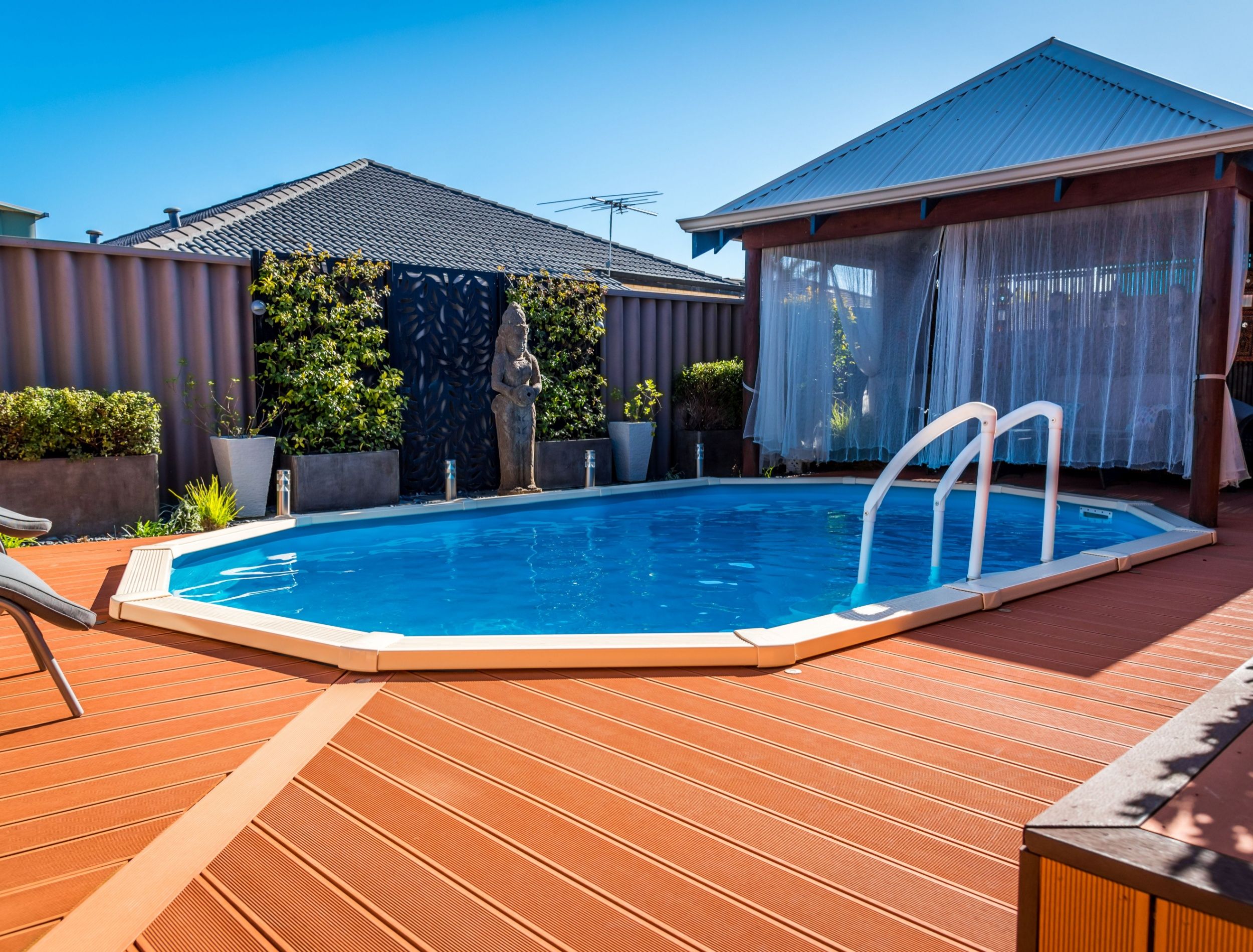
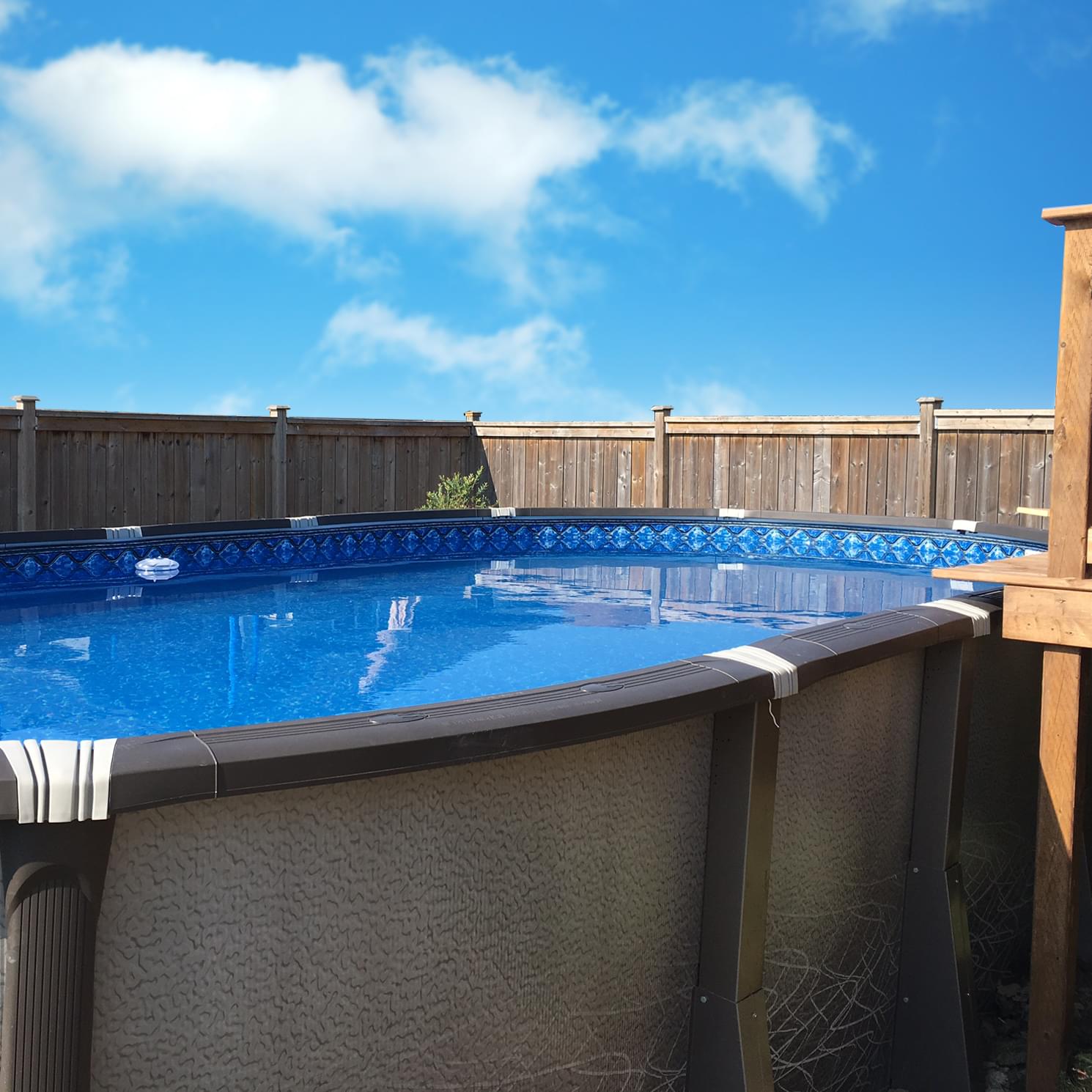
Above ground pools provide a versatile, cost-effective, and relatively fast solution for homeowners seeking a private backyard retreat. In 2026, these systems range from affordable, temporary "easy-set" inflatable models to permanent, high-tech resin and aluminum structures that offer durability comparable to traditional in-ground installations. Selecting the right pool involves balancing material longevity, site preparation requirements, and long-term maintenance costs.
Understanding Above Ground Pool Types and Materials
The evolution of pool manufacturing has resulted in several distinct categories of above ground pools, each defined by the materials used in the frame, walls, and uprights. Understanding these differences is critical for determining how the pool will react to your local climate and chosen sanitation methods.
Steel Frame Pools
Steel remains the most common material for traditional above ground pools because of its strength and weight. Modern steel pools in 2026 utilize multi-layered coating systems, including galvanization and liquid vinyl coatings, to resist corrosion. While steel is the most budget-friendly permanent option, it is susceptible to rust over long periods, especially if the protective coatings are scratched. Steel pools are generally not recommended for use with salt-water chlorine generators, as salt accelerates the oxidation process.
Resin and Hybrid Models
Resin pools use high-density plastic components for the top rails, uprights, and bottom tracks. Because resin is inherently rust-proof and does not get hot to the touch in direct sunlight, it has become the preferred material for high-end installations. Hybrid pools combine a steel wall for structural rigidity with resin components for the parts most exposed to water and weather. These models offer a middle ground in pricing and are significantly more resistant to the corrosive effects of salt-water systems.
Aluminum Pools
Aluminum is often considered the premium material choice for above ground pools. It possesses a high strength-to-weight ratio and naturally resists rust and corrosion. Unlike steel, aluminum becomes stronger when exposed to extreme cold, making it an excellent choice for northern climates with harsh winters. Aluminum pools are often designed with interlocking slats rather than a single continuous wall sheet, which provides superior structural integrity and makes them less likely to "buckle" under pressure.
Key Considerations Before Purchase
Before committing to a specific model, several logistical and legal factors must be addressed to ensure the installation is safe and compliant with local standards.
Site Selection and Preparation
The success of an above ground pool depends entirely on the ground it sits on. The site must be level within one to two inches across the entire diameter. Placing a pool on a slope or uneven ground puts uneven pressure on the walls, which can lead to catastrophic structural failure. Furthermore, the soil must be compacted and free of debris, roots, or sharp stones that could puncture the liner. Most professional installers in 2026 recommend a stone dust or masonry sand base, often coupled with a commercial-grade floor pad for added protection.
Zoning and Permits
Most jurisdictions classify permanent above ground pools as structures that require building permits. Regulations often dictate the "setback" distance from property lines, septic tanks, and power lines. Additionally, many local codes follow the International Swimming Pool and Spa Code (ISPSC), which requires specific safety barriers, such as a fence at least 48 inches high with self-closing, self-latching gates. Failure to comply with these regulations can lead to fines and may void your homeowner's insurance coverage.
Electrical Requirements
In 2026, energy efficiency regulations often mandate the use of variable-speed pumps for pools of a certain volume. These pumps require a dedicated electrical circuit, typically 15 to 20 amps, equipped with a Ground Fault Circuit Interrupter (GFCI). Furthermore, many regions require "bonding," a process where all metal components of the pool are connected to an electrical grounding grid to prevent electric shock.
The Installation Process: A Step-by-Step Overview
While some smaller models are marketed as DIY projects, permanent above ground pools require precision. The following steps outline the standard professional installation sequence:
- Excavation and Leveling: The sod is removed, and the high spots are leveled down to the lowest point. Adding fill dirt to low spots is discouraged as it will settle under the weight of the water.
- Bottom Frame Assembly: The bottom tracks and plates are laid out in a perfect circle or oval, depending on the pool shape.
- Wall Installation: The heavy coil of the pool wall is fed into the bottom track. This usually requires several people to prevent the wall from kinking or falling before the top rails are secured.
- Cove and Base Preparation: A "cove"—usually made of foam or banked sand—is placed around the inside perimeter of the wall. This prevents the liner from slipping under the wall frame.
- Liner Fitting: The vinyl liner is draped over the walls and tucked into place. In 2026, "beaded" liners are the industry standard for their ease of installation compared to "overlap" styles.
- Water Filling and Plumbing: As the pool fills, the weight of the water stretches the liner. Once the water reaches a few inches below the wall openings, the skimmer and return jets are cut and plumbed to the filtration system.
2026 Above Ground Pool Comparison Table
| Feature | Steel Frame | Resin / Hybrid | Aluminum |
|---|---|---|---|
| Estimated Lifespan | 10–15 Years | 15–25 Years | 20–30+ Years |
| Salt Water Compatible | No | Yes (High Resistance) | Yes |
| Corrosion Resistance | Low | High | Very High |
| Average Cost (24' Round) | $1,800 – $3,500 | $3,500 – $6,500 | $5,000 – $9,000 |
| Installation Complexity | Moderate | Moderate | High (Slatted Walls) |
| Temperature Sensitivity | Retains Heat | Stays Cool | High Conductivity |
Filtration and Sanitation Systems
The clarity and safety of pool water depend on the effective interaction between mechanical filtration and chemical sanitation. Technology in 2026 has introduced more automated solutions that reduce the manual labor previously associated with pool ownership.
Filtration Methods
- Sand Filters: These use specialized #20 silica sand to trap debris. They are the easiest to maintain, requiring only a "backwash" every few weeks.
- Cartridge Filters: These use a pleated element to filter out smaller particles than sand. They provide superior water clarity but require the elements to be manually cleaned or replaced periodically.
- D.E. (Diatomaceous Earth) Filters: These offer the highest level of filtration, catching particles as small as 2-5 microns. However, they are more complex to operate and are less common in above ground setups.
Modern Sanitation
While liquid or tablet chlorine remains the baseline, many homeowners are moving toward Salt-Water Chlorine Generators. These devices convert dissolved salt into a steady stream of pure chlorine, resulting in softer water and fewer chemical spikes. Additionally, AOP (Advanced Oxidation Process) systems are becoming more affordable for above ground pools in 2026. These systems combine UV light and ozone to destroy contaminants, allowing for significantly lower chlorine residuals in the water.
Common Maintenance Challenges and Solutions
Maintaining an above ground pool requires consistency rather than intensity. Neglecting the water chemistry for even a week can lead to an algae bloom that is difficult and expensive to remediate.
Balancing Water Chemistry
Owners must monitor pH, total alkalinity, and calcium hardness. According to the Association of Pool & Spa Professionals (APSP), maintaining a pH between 7.2 and 7.6 is vital not only for swimmer comfort but also for protecting the vinyl liner. If the pH is too low (acidic), the liner can become brittle and wrinkle; if it is too high, scale can form on the pool walls and equipment.
Winterization
In regions where temperatures drop below freezing, above ground pools must be "winterized." This process involves draining the water below the return lines, blowing out the plumbing pipes, and adding a winter chemical kit to prevent algae growth. A heavy-duty winter cover is then secured with a cable and winch system to prevent debris from entering the pool and to protect the liner from UV damage during the off-season.
Liner Longevity
The vinyl liner is the most vulnerable component of the pool. In 2026, most liners are treated with UV inhibitors and antimicrobial agents. However, mechanical damage from sharp objects or improper chemical use (such as throwing chlorine tablets directly onto the floor) can cause punctures or bleaching. Using a robotic pool cleaner designed specifically for above ground pools can help maintain the liner by removing abrasive silt that settles on the floor.
FAQ
How long does it take to install an above ground pool?
For a professional crew, a standard round pool usually takes one to two days to install, excluding the time required for electrical work and water filling. DIY installations frequently take two to three weekends, as site leveling often proves more labor-intensive than anticipated.
Can above ground pools be buried in the ground?
Only specific models designated as "semi-inground" or "total-inground" compatible should be buried. Standard above ground pool walls are not designed to withstand the external pressure and moisture of the soil. Burying a standard pool will lead to wall collapse and will void the manufacturer's warranty.
Is a salt-water system better for an above ground pool?
Salt-water systems provide a more consistent swimming experience with less skin and eye irritation. However, they should only be used with resin or aluminum pools. If used with a traditional steel pool, the salt will cause the frame and walls to corrode prematurely, often within 3 to 5 years.
How often should I change the pool water?
Under normal circumstances, you should never need to fully drain an above ground pool. Draining can cause the liner to shrink and the walls to lose their structural support. Water is typically only replaced partially through evaporation and backwashing, or if the Total Dissolved Solids (TDS) levels become unmanageable.
Are above ground pools a good investment for home value?
Generally, above ground pools are considered "personal property" rather than permanent improvements to real estate. While they add significant lifestyle value, they typically do not increase a home's appraisal value in the same way an in-ground pool might. Their primary financial advantage is the lower initial cost and the ability to remove them if a future buyer does not want a pool.
Practical Next Steps for Prospective Owners
To move forward with your project, start by obtaining a plot plan of your property to identify legal setbacks and utility easements. Contact your local building department to verify the 2026 permit requirements and fencing codes in your specific municipality. Once the legal parameters are clear, visit a local showroom to compare the physical "feel" of steel versus resin top rails.
Before purchasing, ensure you have a quote for the electrical installation from a licensed electrician, as the cost of running a dedicated, bonded circuit can sometimes equal a significant percentage of the pool's purchase price. Prioritize high-quality filtration and a sturdy ladder or entry system, as these components have the greatest impact on your daily enjoyment and safety.