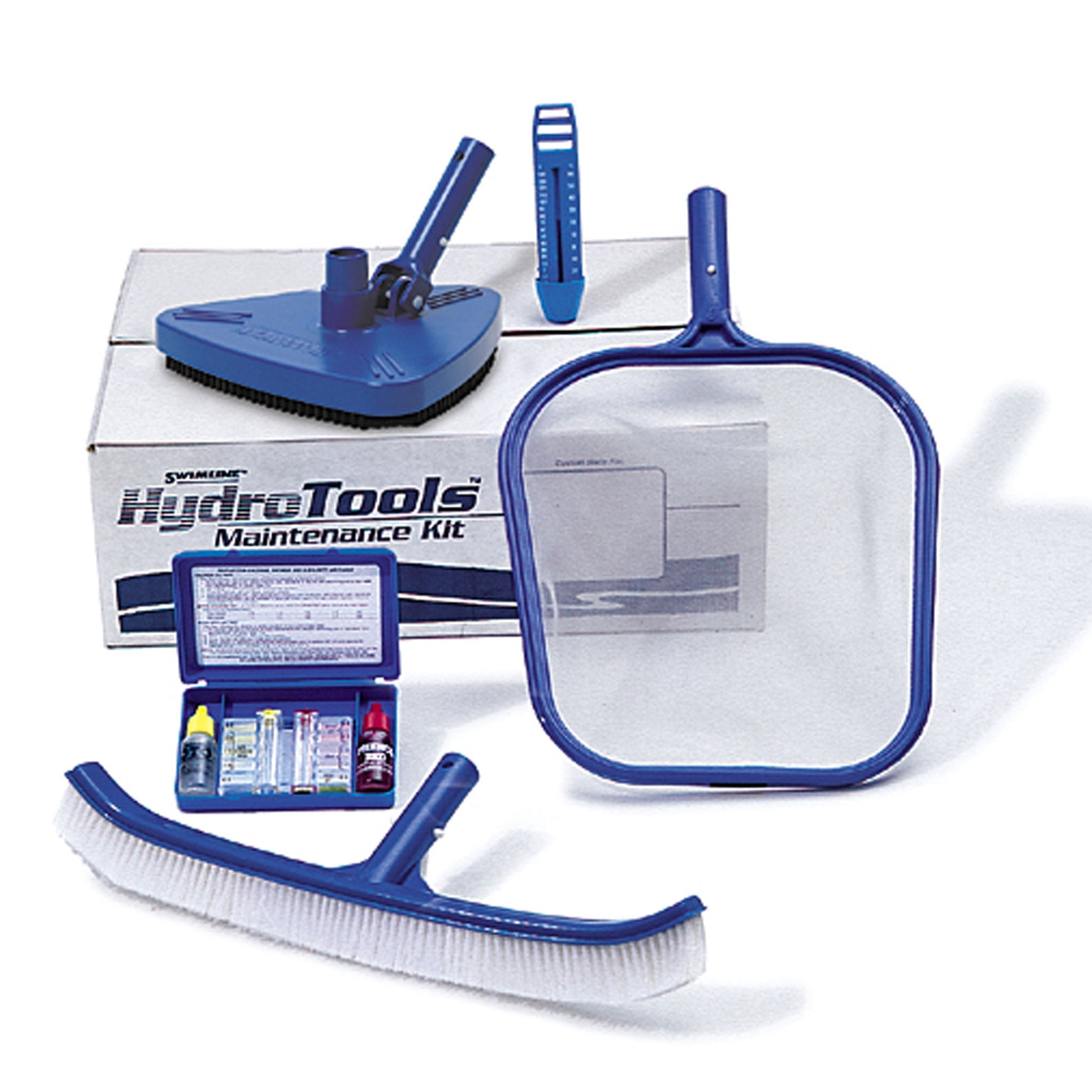
Maintaining an above ground pool requires a disciplined approach to water chemistry, physical cleaning, and mechanical filtration to ensure a safe and clear swimming environment. By adhering to a consistent schedule—circulating water for 8–12 hours daily, balancing pH and sanitizer levels, and performing weekly deep cleans—pool owners can prevent algae growth and significantly extend the lifespan of the pool liner and filtration equipment.
The Pillars of Pool Circulation and Filtration
In 2026, circulation remains the most critical factor in preventing stagnant water and the subsequent growth of bacteria and algae. The "turnover rate" refers to the time it takes for all the water in the pool to pass through the filter once. For most above ground pools, this requires the pump to run for a minimum of eight to twelve hours per day. Modern variable-speed pumps have become the standard, allowing owners to run the system at lower speeds for longer durations, which improves filtration efficiency while reducing energy consumption.
The filtration system acts as the pool's kidneys, removing microscopic debris that skimming cannot catch. There are three primary types of filters used in above ground systems, each requiring specific maintenance protocols. Sand filters must be backwashed—reversing the water flow to flush out trapped dirt—when the pressure gauge reads 8 to 10 PSI above the "clean" starting pressure. Cartridge filters, which offer finer filtration than sand, require the removal and manual rinsing of the pleated element. Diatomaceous Earth (DE) filters provide the highest level of clarity but require recharging with DE powder after every backwash cycle.
To optimize circulation, the return jet—the fitting where water re-enters the pool—should be angled downward and toward the side of the pool. This creates a circular "vortex" motion, which helps direct surface debris toward the skimmer and prevents "dead spots" where algae often take hold. Stagnant areas, typically found behind ladders or near the floor-to-wall junctions, should be monitored closely to ensure water is moving effectively throughout the entire vessel.
Essential Water Chemistry and Balancing
Water chemistry is not merely about adding chlorine; it is about maintaining a delicate equilibrium that protects swimmers from pathogens and prevents the water from becoming corrosive or scale-forming. As of 2026, the industry standard for above ground pool chemistry focuses on four primary metrics: pH, Total Alkalinity (TA), Calcium Hardness, and Cyanuric Acid (CYA).
The pH level, measured on a scale of 0 to 14, indicates how acidic or basic the water is. For residential pools, the ideal range is 7.2 to 7.6. This range is crucial because it mirrors the pH of human eyes and ensures that chlorine remains effective. If the pH is too high, chlorine becomes sluggish and less effective at killing bacteria; if it is too low, the water becomes acidic, potentially damaging the pool liner and causing skin irritation.
Total Alkalinity acts as a buffer for pH, preventing it from fluctuating wildly. The recommended range is 80 to 120 parts per million (ppm). When alkalinity is properly balanced, the pH remains stable even after heavy rainfall or high swimmer loads. Calcium Hardness is also vital, even in vinyl-liner above ground pools. While liner pools do not suffer from "plaster etching" like concrete pools, extremely low calcium levels can lead to "soggy" liners that stretch and wrinkle, while high levels can cause unsightly scale deposits on equipment.
Finally, Cyanuric Acid, often called "sunscreen for chlorine," protects the chlorine molecules from being destroyed by ultraviolet (UV) rays. In an above ground pool exposed to direct sunlight, chlorine can be depleted in as little as two hours without CYA. Maintaining a level of 30 to 50 ppm ensures your sanitizer lasts long enough to do its job.
Weekly Physical Cleaning Protocols
No amount of chemicals can replace the necessity of physical debris removal. Above ground pools are particularly susceptible to wind-blown organic matter, such as leaves, pollen, and insects. A comprehensive weekly cleaning routine prevents these organic materials from breaking down and consuming the chlorine meant for sanitization.
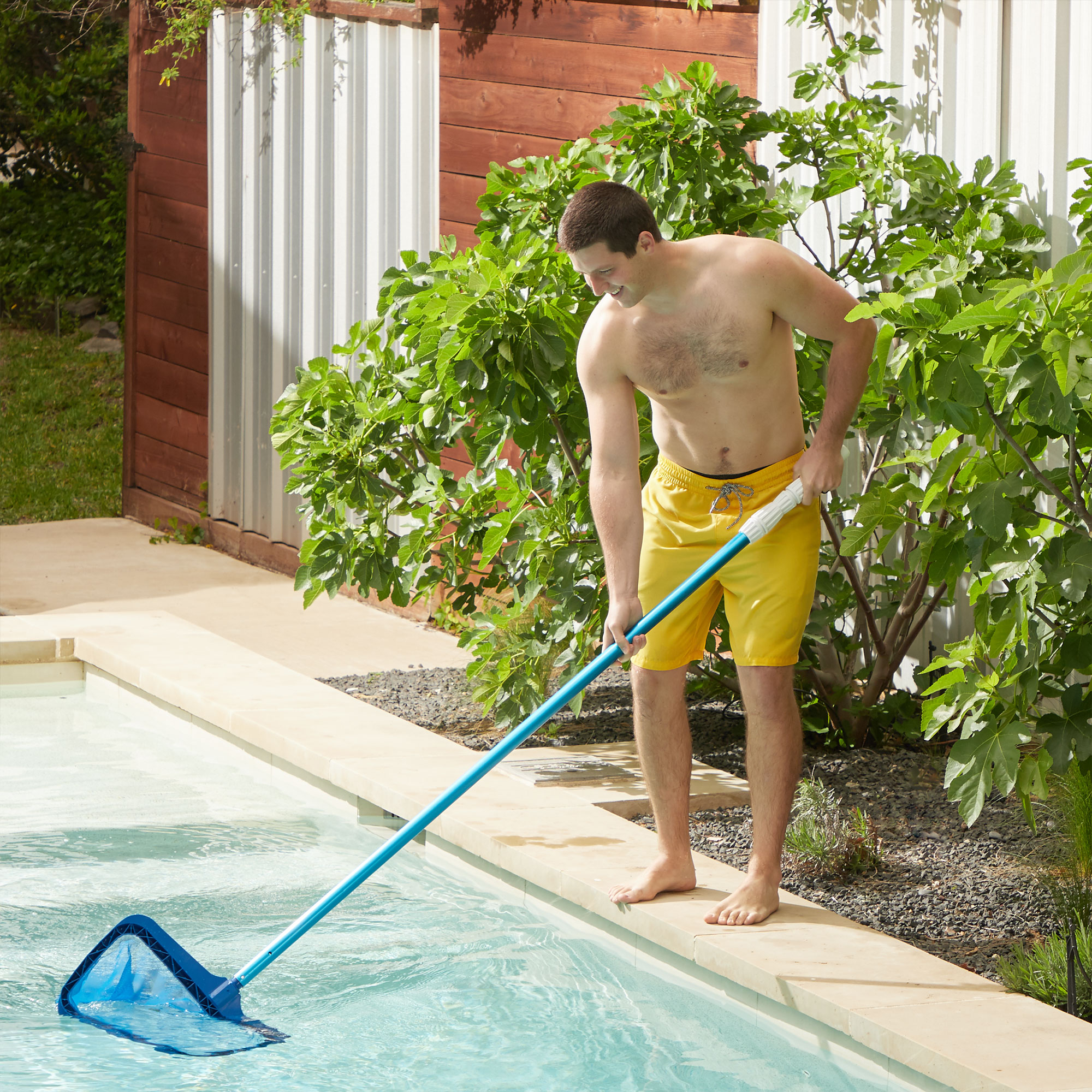
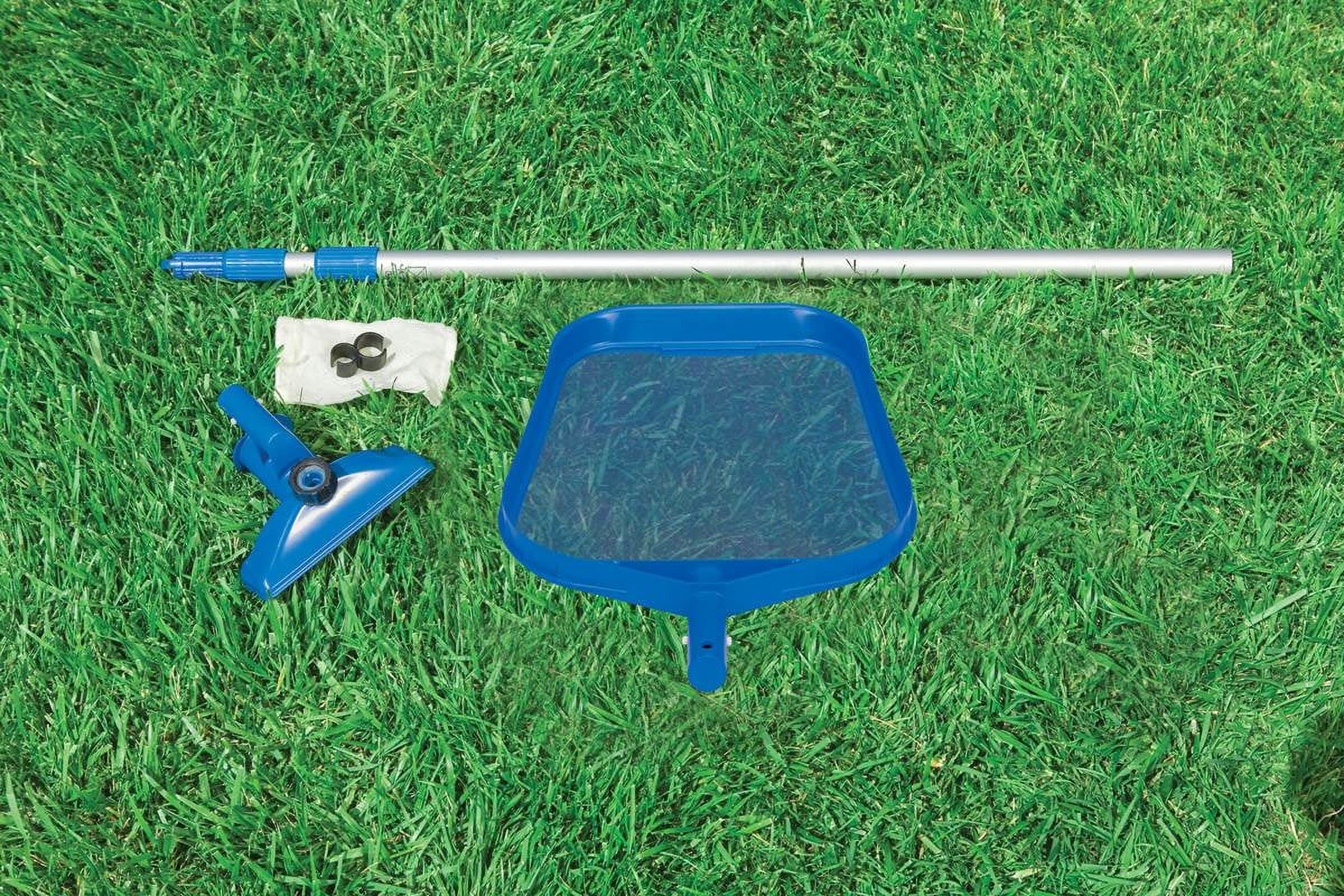
The first step in physical cleaning is skimming the surface. While the wall-mounted skimmer basket catches most floating debris, manual skimming reaches the corners and the center of the pool. Next, brushing the walls and floor is a non-negotiable task. Algae and biofilm can begin to grow on the liner surfaces even before they become visible to the naked eye. Brushing disturbs these colonies, pushing them into the water where the filter and chlorine can eliminate them. Special attention should be paid to the "coving"—the curved area where the wall meets the floor—and any areas behind the pool ladder.
Vacuuming is the final stage of physical maintenance. Most above ground pool owners use manual vacuums that attach to the skimmer via a hose, though robotic cleaners designed specifically for above ground models have become increasingly popular and efficient. Vacuuming should be performed at least once per week, or more frequently after heavy storms or high usage. If the pool has accumulated a significant amount of fine silt or algae, vacuuming "to waste" (if the filter multiport valve allows) is preferable to prevent clogging the filter medium.
Advanced Sanitization: Shocking and Algaecides
Even with a perfectly balanced pool, organic contaminants like sweat, sunscreen, and nitrogenous waste can build up over time. These contaminants combine with chlorine to form chloramines, which are responsible for the "pool smell" and red eyes. To break these bonds and "reset" the pool, a process called shocking (or super-chlorination) is required.
Shocking involves raising the free chlorine level to roughly ten times the level of the combined chlorine. This is typically done weekly or after heavy rain, high bather loads, or when the water appears slightly dull. For best results, shock should be added in the evening to prevent the sun from burning off the unstabilized chlorine before it has a chance to work. Calcium Hypochlorite (Cal-Hypo) remains the most common and effective shock for above ground pools, though non-chlorine oxidizers (potassium monopersulfate) are useful for a "quick swim" treatment as they do not significantly raise chlorine levels.
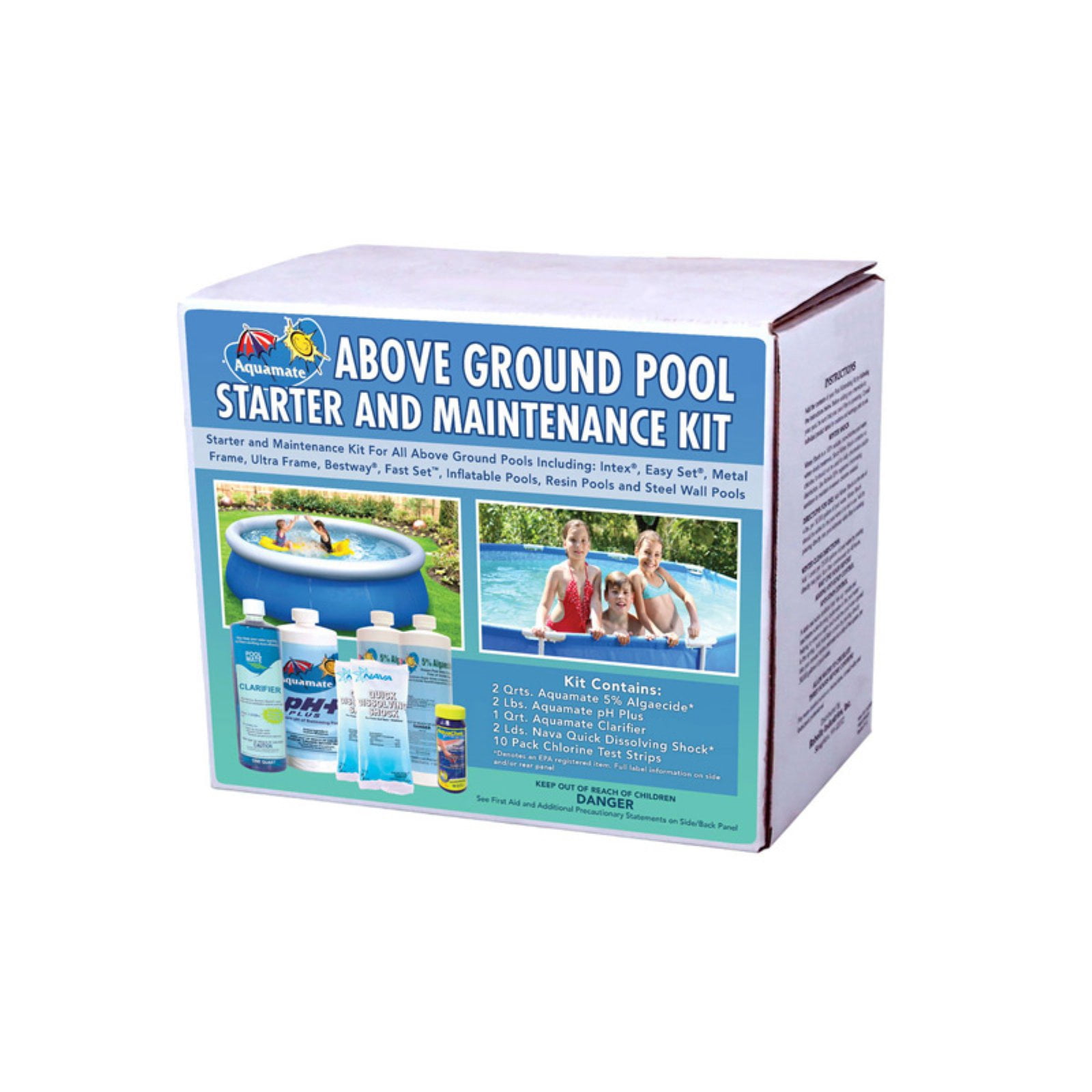
Algaecides serve as a secondary defense. While chlorine is the primary killer of algae, a maintenance dose of a non-foaming, copper-free algaecide can prevent spores from taking root. This is especially helpful during periods of extreme heat in 2026, where high water temperatures can accelerate algae blooms. It is important to note that algaecides are better used as preventatives rather than cures; once a full bloom has occurred, massive doses of chlorine and mechanical filtration are the only effective remedies.
Maintenance Schedule and Requirements
A structured maintenance schedule ensures that no part of the pool system is neglected. Use the following table as a standard operational guide for an above ground pool.
| Task | Frequency | Purpose |
|---|---|---|
| Test Water Chemistry | 2–3 times weekly | Monitor pH, Chlorine, and Alkalinity levels. |
| Empty Skimmer/Pump Baskets | Daily | Prevent debris from restricting water flow to the pump. |
| Run Filtration System | Daily (8–12 hrs) | Ensure total water turnover and debris removal. |
| Skim Water Surface | Daily | Remove organic matter before it sinks and decays. |
| Brush Walls and Floor | Weekly | Prevent biofilm and algae from adhering to the liner. |
| Vacuum Pool | Weekly | Remove settled dirt and debris from the floor. |
| Shock Treatment | Weekly | Oxidize contaminants and eliminate chloramines. |
| Check Filter Pressure | Weekly | Determine when backwashing or cleaning is necessary. |
| Wipe Waterline | Bi-weekly | Remove oils and "scum lines" from the top of the liner. |
Seasonal Inspections and Equipment Care
Beyond the water and cleaning, the physical structure of an above ground pool requires periodic inspection. Unlike inground pools, the walls and supports of an above ground pool are exposed to the elements and are susceptible to rust, corrosion, and shifting.
Once a month, owners should perform a walk-around inspection of the pool's exterior. Look for any signs of moisture around the base of the pool, which could indicate a pinhole leak in the liner. Early detection is vital, as leaking water can wash away the sand base or "cove," potentially leading to a structural failure of the pool wall. If rust spots are found on the uprights or top rails, they should be sanded and treated with a rust-inhibitor paint immediately to prevent further degradation.
The pump and filter hoses also require attention. Above ground pools often use flexible corrugated hoses, which are prone to UV damage and cracking over several seasons. Inspect these hoses for leaks or brittleness. In 2026, many professionals recommend upgrading to reinforced PVC piping for a "hard-plumbed" setup, which is far more durable and improves hydraulic efficiency. Additionally, ensure the O-rings on the pump lid and filter housing are lubricated with a silicone-based lubricant to maintain an airtight seal, preventing the pump from "losing prime."
Frequently Asked Questions
Why is my above ground pool water cloudy despite balanced chemicals?
Cloudy water is often a mechanical filtration issue rather than a chemical one. If your pH and chlorine are within the ideal ranges, check the filter’s performance. The filter may need backwashing, or the cartridge may need to be replaced. Additionally, fine particles sometimes pass through filters; in these cases, a water clarifier can be added to clump these tiny particles together, making them large enough for the filter to catch.
How often should I drain and refill an above ground pool?
You should rarely need to drain an above ground pool entirely. Draining a vinyl-liner pool can cause the liner to shrink or shift, often leading to tears when the pool is refilled. Instead, perform partial water changes (10–15%) if Total Dissolved Solids (TDS) or Cyanuric Acid levels become too high. Total drainage should only be performed by professionals when replacing the liner.
Is a salt water system better for an above ground pool?
Salt water systems are popular because they provide a softer feel to the water and automate the chlorine generation process. However, for above ground pools with steel walls and rails, salt can accelerate corrosion if there are leaks or spills. If you choose a salt system, ensure your pool has a resin (plastic) frame or use a sacrificial zinc anode to protect the metal components from galvanic corrosion.
How long do liners typically last with proper maintenance?
With diligent maintenance, a high-quality above ground pool liner can last between 10 and 15 years. The primary factors that shorten liner life are neglected water chemistry (high acidity or excessive chlorine) and physical damage from sharp objects or ice. Maintaining proper Calcium Hardness and pH levels is the best way to keep the vinyl supple and resistant to cracking.
What should I do if I find a leak in the liner?
If you notice the water level dropping more than 1/4 inch per day (beyond normal evaporation), you likely have a leak. You can use a waterproof patch kit, which can be applied even underwater. Use a dye test kit to confirm the location of the leak by watching where the colored dye is pulled out of the pool. Patching a small hole early can prevent the need for an expensive liner replacement.
Establishing a Seasonal Maintenance Log
The most effective way to ensure longevity and water safety is to maintain a written or digital log of all tests and chemical additions. In 2026, numerous mobile applications are available that allow you to input your pool’s volume and test results to receive precise dosage recommendations.
Consistent record-keeping allows you to identify patterns, such as a recurring drop in alkalinity or a specific time of year when algae becomes problematic. By staying proactive rather than reactive, you reduce the overall cost of chemicals and ensure your pool is always ready for use. Start your season by verifying the integrity of your safety equipment, such as ladders and fences, and then commit to the weekly routine outlined in this guide for a trouble-free swimming experience.