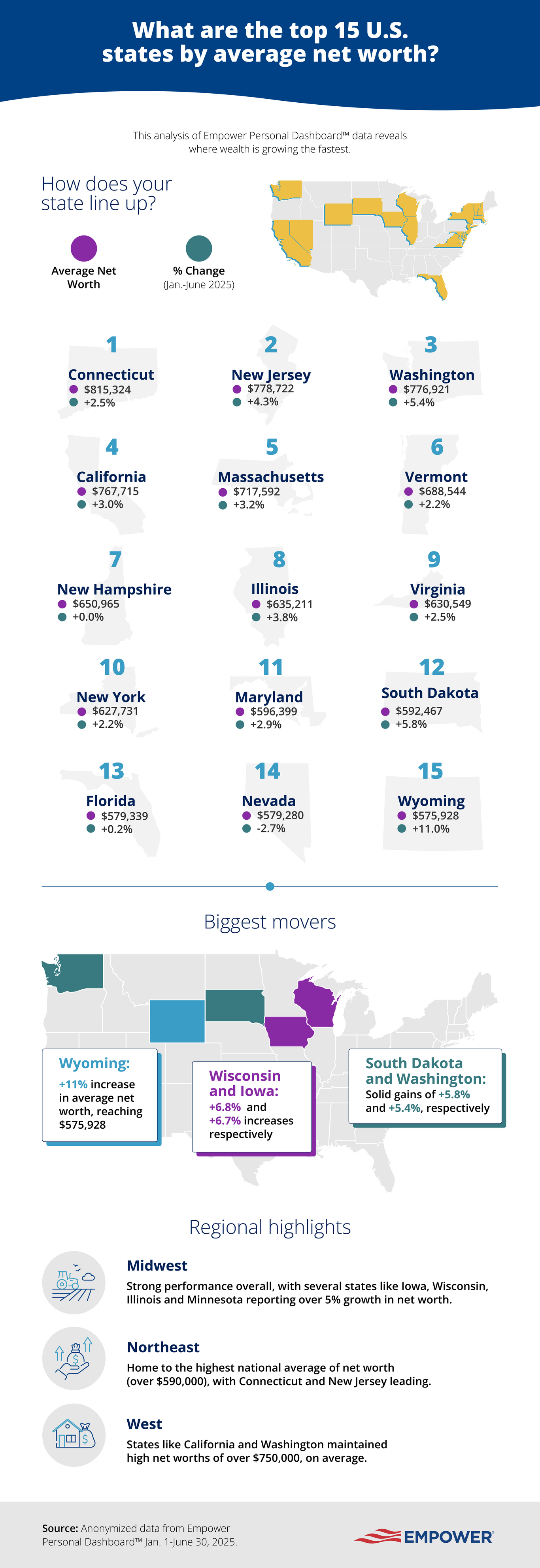
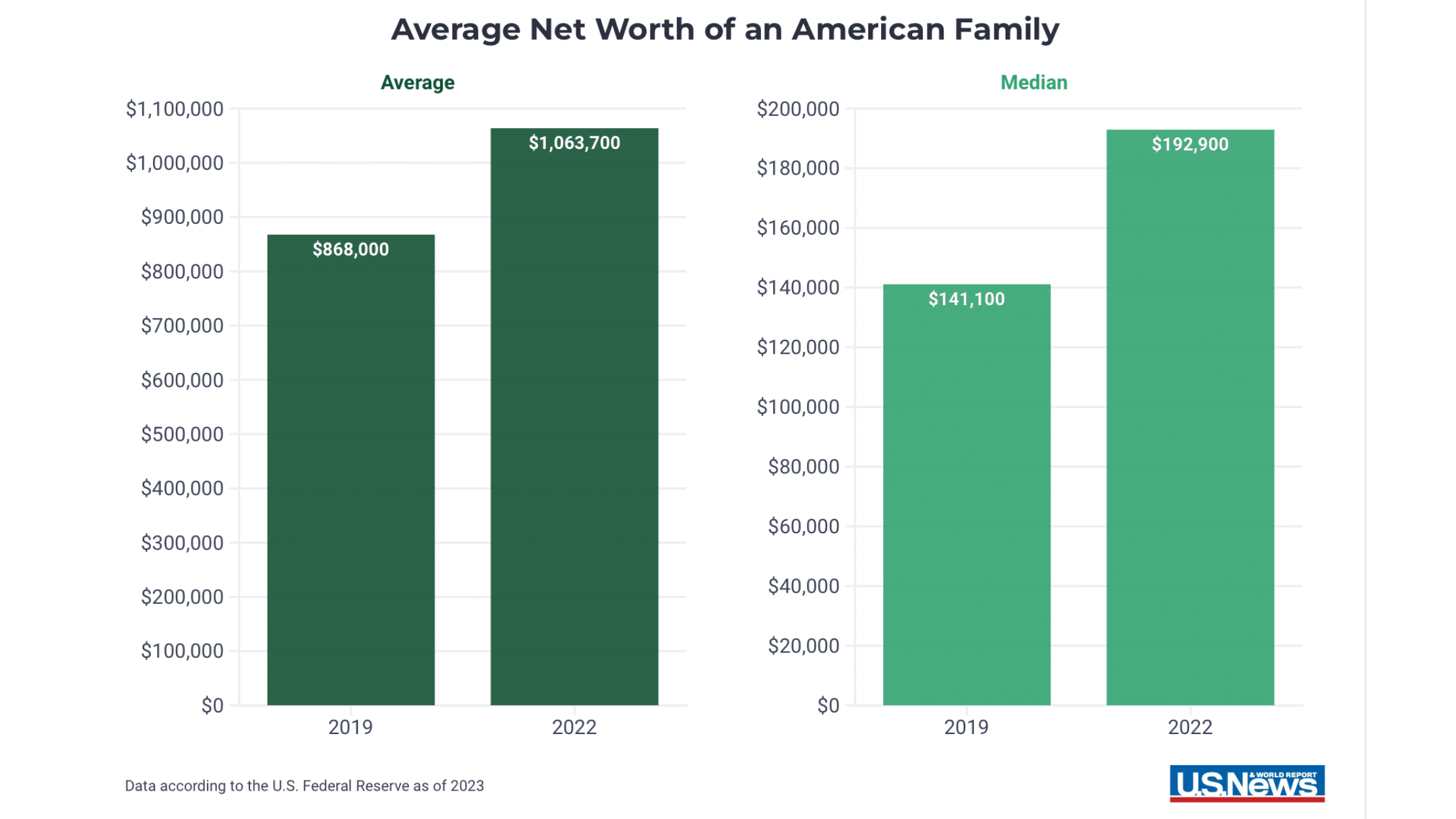
To have an above-average net worth in 2026, an individual must possess a total wealth that significantly exceeds the median for their specific age bracket and geographic location. While the mathematical "average" net worth in the United States currently hovers around $1.2 million due to the influence of ultra-high-net-worth individuals, the median net worth—representing the true midpoint—is closer to $215,000. Achieving "above average" status typically involves reaching the 75th percentile of wealth, which requires a combination of disciplined savings, strategic asset allocation, and the consistent avoidance of high-interest consumer debt.
Defining Net Worth and the "Average" Fallacy
Net worth is a straightforward calculation: the total value of everything you own (assets) minus everything you owe (liabilities). Assets include cash, retirement accounts, brokerage balances, real estate equity, and business interests. Liabilities encompass mortgages, student loans, car notes, and credit card debt. However, understanding what constitutes an "above average person net worth" requires a distinction between the mean (average) and the median.
In 2026, the mean net worth is heavily skewed by the top 1% of households. When a billionaire enters a room, the "average" net worth of everyone in that room skyrockets, even if the other occupants are broke. Therefore, financial planners and economists prefer using the median and percentile rankings to determine where an individual stands relative to their peers. To be "above average" in a meaningful sense, you should aim to be in the top 25% (75th percentile) or higher for your age group.
This distinction is crucial because chasing the mean average can be demoralizing and unrealistic for most working professionals. By focusing on outperforming the median, you set a benchmark that is both challenging and achievable through standard wealth-building vehicles like the 401(k), Roth IRA, and primary residence equity.
The Benchmark: Above Average Net Worth by Age in 2026
Age is the most significant factor in determining whether a net worth is above average. Because net worth is a cumulative metric, younger individuals are expected to have lower balances as they are in the "acquisition phase" of their careers, often burdened by student debt. Conversely, those nearing retirement should see their net worth peak as their primary residence is paid off and their compounding investments reach critical mass.
Based on projections following the Federal Reserve’s Survey of Consumer Finances (SCF) trends and adjusted for the economic climate of the mid-2020s, the following table illustrates the benchmarks for median and "above average" (75th percentile) net worth.
| Age Bracket | Median Net Worth (50th Percentile) | Above Average Net Worth (75th Percentile) | Top Tier Wealth (90th Percentile) |
|---|---|---|---|
| Under 35 | $52,000 | $165,000 | $550,000 |
| 35–44 | $175,000 | $480,000 | $1,100,000 |
| 45–54 | $310,000 | $820,000 | $2,100,000 |
| 55–64 | $460,000 | $1,250,000 | $3,400,000 |
| 65–74 | $510,000 | $1,550,000 | $3,900,000 |
| 75+ | $430,000 | $1,300,000 | $3,100,000 |
Note: These figures represent household net worth. Data is estimated for 2026 based on historical growth rates in asset values and inflationary adjustments.
What It Really Takes: The Foundations of Above-Average Wealth
Becoming above average is rarely the result of a single "lucky" investment or a massive inheritance. Instead, it is the result of systematic behaviors maintained over decades. In 2026, the path to the 75th percentile is paved with three specific pillars: a high savings rate, defensive debt management, and the "velocity of capital."
1. The 25% Savings Rule
Most financial advice suggests saving 10% to 15% of your income. However, to be above average, you must do more than the average person. Households in the top quartiles of net worth typically maintain a savings rate of 25% or higher. This does not mean living in deprivation; rather, it involves "paying yourself first" by automating transfers to brokerage and retirement accounts before discretionary spending occurs.
As of 2026, the rise in living costs has made this more difficult, but those who successfully navigate it often utilize "gap management"—the practice of widening the distance between what they earn and what they spend, even as their income increases (avoiding lifestyle creep).
2. Strategic Asset Allocation
The "above average" person understands that they cannot save their way to wealth; they must invest. In 2026, cash in a standard savings account often loses purchasing power to inflation. High-net-worth individuals prioritize:
- Tax-Advantaged Accounts: Maximizing 401(k) matches and Roth IRA contributions.
- Equities: Maintaining a significant exposure to broad-market index funds or ETFs that capture global economic growth.
- Real Estate: Using a primary residence as a forced savings vehicle or investing in REITs and rental properties to build equity.
- The 5% Rule: Many in the 75th percentile allocate a small portion (usually 5%) of their portfolio to high-growth, high-risk assets like emerging tech or digital assets to provide a "kicker" to their total returns.
3. Defensive Debt Architecture
To maintain an above-average net worth, one must distinguish between productive and destructive debt. Productive debt—such as a low-interest mortgage on an appreciating asset—can act as leverage. Destructive debt, specifically credit card balances and high-interest personal loans, is the primary reason many high-income earners remain below the median net worth. In 2026, the cost of borrowing remains high compared to the 2010s, making debt avoidance a more powerful wealth-building tool than ever before.
The Psychological Hurdles: Why Most People Stay "Average"
Even with a high income, many individuals struggle to reach an above-average net worth. This is often attributed to "High Earner, Not Rich Yet" (HENRY) syndrome. This demographic earns significantly more than the national median but spends it on a lifestyle that mirrors their income, leaving little for asset accumulation.
The Impact of Lifestyle Creep
Lifestyle creep occurs when an individual's standard of living rises in tandem with their salary. A promotion leads to a more expensive car lease; a bonus leads to a luxury vacation. While these provide immediate gratification, they are "consumption events" rather than "wealth events." To reach the 75th percentile, an individual must treat a portion of every raise as "invisible money" that goes directly into their net worth column.
Comparison and Social Pressure
In the digital landscape of 2026, the pressure to display wealth is immense. However, the "above average" net worth individual often practices "stealth wealth." They understand that net worth is what you don't see—it is the money in the bank and the equity in the home, not the designer clothes or the latest tech gadgets. Those who prioritize "showing" wealth often have the lowest net worths relative to their income.
The Role of Home Equity in 2026
For the vast majority of Americans, the primary residence remains the largest single component of their net worth. As we move through 2026, the housing market has reached a state of relative stability, but high entry costs mean that those who bought homes earlier are seeing their net worth pull away from renters.
To be "above average," homeowners are increasingly focusing on accelerated principal payments or utilizing the equity for sensible home improvements that provide a high return on investment (ROI). However, relying solely on home equity is a mistake. An above-average net worth is ideally diversified, ensuring that if the real estate market stagnates, the individual’s financial health remains intact through their liquid investments.
Measuring Your Progress: The Net Worth Tracking Habit
You cannot manage what you do not measure. Above-average individuals typically track their net worth at least quarterly. This habit provides a "North Star" for financial decisions.
- Inventory Your Assets: List every account balance, the current market value of your home, and any business valuations.
- Audit Your Liabilities: List every cent you owe, including the interest rates.
- Calculate the Delta: Subtract liabilities from assets.
- Analyze Trends: Is the number going up because of market gains, or because you are contributing more capital? The latter is the only factor you can fully control.
By 2026, many use automated wealth-tracking software that provides real-time updates. While these are convenient, the manual process of reviewing a spreadsheet often leads to more conscious spending and better long-term retention of financial goals.
Above Average Person Net Worth FAQ
What is considered a "good" net worth for a 40-year-old in 2026?
A net worth of $480,000 or higher is considered "above average" (75th percentile) for a 40-year-old in 2026. While the median is significantly lower—around $175,000—reaching the $480k mark suggests that the individual has successfully transitioned from the debt-heavy years of their 20s into a period of aggressive asset accumulation and likely has significant equity in a home.
Does net worth include my salary?
No, net worth does not include your salary. Salary is your "income," which is a flow of money, whereas net worth is a "stock" of accumulated wealth. However, your salary is the most important tool for building net worth. The higher your income, the greater your capacity to purchase assets that contribute to your net worth over time.
Can you have a high income but a low net worth?
Yes, this is very common and is often referred to as being a "HENRY" (High Earner, Not Rich Yet). If an individual earns $250,000 a year but spends $245,000 on lifestyle, taxes, and debt payments, their net worth will remain stagnant. Wealth is not what you earn; it is what you keep and invest.
Is equity in a car included in net worth?
Technically, yes, because a car is an asset. However, most financial experts recommend being conservative with this valuation. Cars are depreciating assets that lose value every year. For a realistic view of your net worth, many professionals either exclude vehicles entirely or use their "private party" trade-in value, minus any outstanding loans.
How does inflation affect what is considered an above-average net worth?
Inflation raises the nominal "dollar amount" required to maintain a certain lifestyle, which in turn raises the benchmarks for net worth percentiles. In 2026, $1 million does not have the same purchasing power it had in 2016. Therefore, the "above average" targets must be adjusted upward periodically to reflect the devaluing of the currency and the rising costs of assets like housing and healthcare.
Next Action: Conduct a Comprehensive Financial Audit
To begin your journey toward an above-average net worth, your first step should be a "Financial Ground Zero" audit. Dedicate an afternoon to gathering every statement for your bank accounts, brokerage accounts, mortgages, and loans. Use the formula (Total Assets - Total Liabilities) to find your current number.
Once you have your baseline, compare it to the 75th percentile benchmark for your age in the table above. If you are below that mark, identify the "leak" in your finances. Is it a lack of income, or is it a high-expense lifestyle? Address the leak by automating a 5% increase in your retirement contributions this month, and set a recurring calendar reminder to update your net worth every 90 days. Consistency in tracking is the most common trait among those who eventually break into the top decile of wealth.