Ableist memes are digital units of culture that use disability as a punchline, reinforcing stereotypes or dehumanizing people with physical, cognitive, or mental health conditions. By identifying harmful tropes such as "inspiration porn" or direct mockery, users can foster more inclusive online environments that respect the dignity of the disabled community.
Defining Ableism in the Context of Digital Culture
To understand why certain memes are harmful, one must first define ableism. Ableism is the systemic discrimination and social prejudice against people with disabilities based on the belief that typical abilities are superior. In the digital landscape of 2026, this prejudice often manifests through "memetic" content—images, videos, or text that spread rapidly across social media platforms.
The primary issue with ableist memes is not always overt malice; rather, it is the reinforcement of the medical model of disability. This model views disability as a "defect" that needs to be "fixed" or "cured." In contrast, the social model of disability—which is the standard for modern advocacy—suggests that people are disabled by barriers in society (such as inaccessible buildings or exclusionary digital content) rather than by their impairments.
Ableist memes often strip individuals of their agency, reducing them to caricatures. These digital artifacts do not exist in a vacuum; they reflect and amplify existing societal biases. When a meme mocks a person’s speech pattern, physical movement, or cognitive processing, it signals to the audience that disabled bodies and minds are legitimate targets for ridicule. This normalization makes it harder for disabled individuals to navigate digital spaces without encountering content that questions their worth or intelligence.
Common Archetypes of Ableist Memes
Identifying ableist content requires an understanding of the specific tropes that have historically dominated the internet. These archetypes often mask themselves as "harmless humor" or "heartwarming stories," making them insidious.
Direct Mockery and Dehumanization
The most overt form of ableist memes involves taking photos or videos of disabled people—often without their consent—and adding captions that highlight their differences as "weird" or "funny." This includes memes that use slurs or "coded" language to imply that a person is unintelligent or "broken." In these instances, the disability itself is the punchline. This type of content is frequently found in "cringe" subcultures, where neurodivergent individuals or those with visible physical disabilities are held up as objects of ridicule for the entertainment of a neurotypical audience.
"Inspiration Porn"
A term coined by late disability activist Stella Young, inspiration porn refers to memes that objectify disabled people by turning them into "inspirational" examples for non-disabled people. A typical example might be a photo of a child with prosthetic legs running, captioned with "What’s your excuse?" These memes are ableist because they use disabled lives as props to motivate non-disabled people, suggesting that a disabled person’s primary purpose is to make others feel better about their own lives. It sets an unrealistic standard that disabled people must be "superhuman" to be respected.
Diagnostic Appropriation
This involves using clinical diagnoses—such as Autism, OCD, or ADHD—as descriptors for negative or quirky behavior in people who do not have those conditions. Memes that joke about "being so OCD" because someone likes a clean desk or "having a touch of the 'tism" to describe social awkwardness diminish the lived reality of these conditions. This trivializes the challenges faced by people with these diagnoses and turns a medical reality into a trendy aesthetic or a casual insult.
The Psychological and Social Impact of Ableist Content
The spread of ableist memes has tangible consequences for both individuals and the collective social fabric. For the disabled community, constant exposure to these memes constitutes a form of microaggression. While a single meme might seem minor to a non-disabled observer, the cumulative effect (known as "minority stress") can lead to anxiety, depression, and social withdrawal.
Internalized ableism is another significant impact. When disabled individuals see themselves represented primarily as objects of pity or ridicule, they may begin to internalize those negative messages. This can affect self-esteem, academic performance, and career aspirations. Furthermore, these memes create a hostile "digital architecture." If a platform’s algorithm frequently promotes ableist humor, disabled users are effectively pushed out of the "digital town square," limiting their ability to participate in public discourse.
From a social perspective, ableist memes reinforce the "othering" of disabled people. By framing disability as something fundamentally different or inferior, these memes create a psychological distance between the disabled and non-disabled populations. This distance makes it easier for society to ignore systemic issues like lack of healthcare access, employment discrimination, and physical inaccessibility, as the disabled population is no longer viewed as a group of peers with equal rights.
Comparing Ableist Tropes vs. Inclusive Representation
The following table categorizes common ableist narratives and provides a framework for recognizing more inclusive alternatives.
| Meme Archetype | Core Narrative | Negative Impact | Inclusive Alternative |
|---|---|---|---|
| The "Cringe" Target | Mocking neurodivergent behavior or physical tics. | Dehumanizes the individual; encourages bullying. | Content created by disabled people sharing their own humor. |
| Inspiration Porn | "If they can do it, so can you." | Objectifies disability; ignores systemic barriers. | Celebrating disabled achievements without "superhuman" tropes. |
| The "Tragic" Victim | Pitying a disabled person for their "struggle." | Strips agency; reinforces the medical model of defect. | Recognizing disability as a natural part of human diversity. |
| Diagnostic Slurs | Using clinical terms as insults (e.g., "Autistic"). | Trivializes real conditions; fosters exclusion. | Using accurate, respectful language or self-advocacy terms. |
| "Heal" Tropes | Promoting "cures" or "solutions" to disability. | Invalidates the identity of people who do not want or need "fixes." | Promoting accessibility and the social model of disability. |
Navigating the Legal and Ethical Boundaries of Online Content
As of 2026, the legal landscape regarding ableist content remains complex. In many jurisdictions, memes that do not directly incite violence or specify a direct threat are protected under free speech laws. However, social media platforms have increasingly stringent Terms of Service (ToS) that categorize ableist slurs and targeted harassment as "Hate Speech."
Organizations like the World Health Organization (WHO) and the American Psychological Association (APA) provide guidelines on how language affects mental health and social inclusion. While an ableist meme might not always lead to a legal prosecution, it often violates the community standards of major platforms.
The ethical boundary is much clearer: content that relies on the degradation of a marginalized group for humor is unethical. Digital ethics in 2026 emphasize the "right to digital dignity." This means that creators and sharers are increasingly held socially accountable for the content they promote. The rise of cancel culture and call-out culture, while controversial, has served as a mechanism for enforcing social norms where legal frameworks have failed to keep pace with the speed of digital communication.
Strategies for Reducing Harm and Building Inclusive Communities
Combating the spread of ableist memes requires a proactive approach from both platform moderators and individual users. It is not enough to simply "ignore" harmful content; the algorithm often rewards engagement (including negative engagement), meaning that active intervention is necessary.
- Report, Don't Interact: Engaging with an ableist meme—even to argue—can tell the algorithm that the content is "trending," causing it to show up on more feeds. Use the reporting tools provided by the platform to flag content for "Harassment" or "Hate Speech."
- Amplify Disabled Creators: The best way to counter harmful representation is to support authentic representation. Follow and share content from disabled advocates, artists, and comedians who use their own experiences to create nuanced, empowering content.
- Practice Inclusive Posting: When sharing memes or images, use Alt-Text (Alternative Text) and Image Descriptions. This ensures that the disabled community, specifically those who are blind or low-vision, can access the content. Inclusive design is the antithesis of ableism.
- Educate Your Circle: When you see a friend or colleague share an ableist meme (often unknowingly), address it privately. Explain the concept of inspiration porn or why a specific term is considered a slur. Most people share these memes out of a lack of awareness rather than malice.
Why Context Matters in "Self-Deprecating" Humor
It is important to distinguish between ableist memes created by non-disabled people and "insider humor" created by the disabled community. Many disabled people use memes to cope with their frustrations with an inaccessible world or to build community. When a disabled person makes a joke about their own condition, it is a form of reclamation and empowerment. This is fundamentally different from an outsider using that same condition as a punchline.
How do I know if a meme is "Inspiration Porn"?
Inspiration porn usually focuses on a disabled person doing something ordinary (like walking, eating, or playing) and frames it as "miraculous" or "inspiring" for the benefit of non-disabled people. If the meme's message is "if they can do it, you have no excuse for being lazy," it is likely inspiration porn. It ignores the actual barriers the disabled person faces and uses them as a motivational tool.
Is it ableist to use terms like "OCD" or "Bipolar" to describe a person's mood?
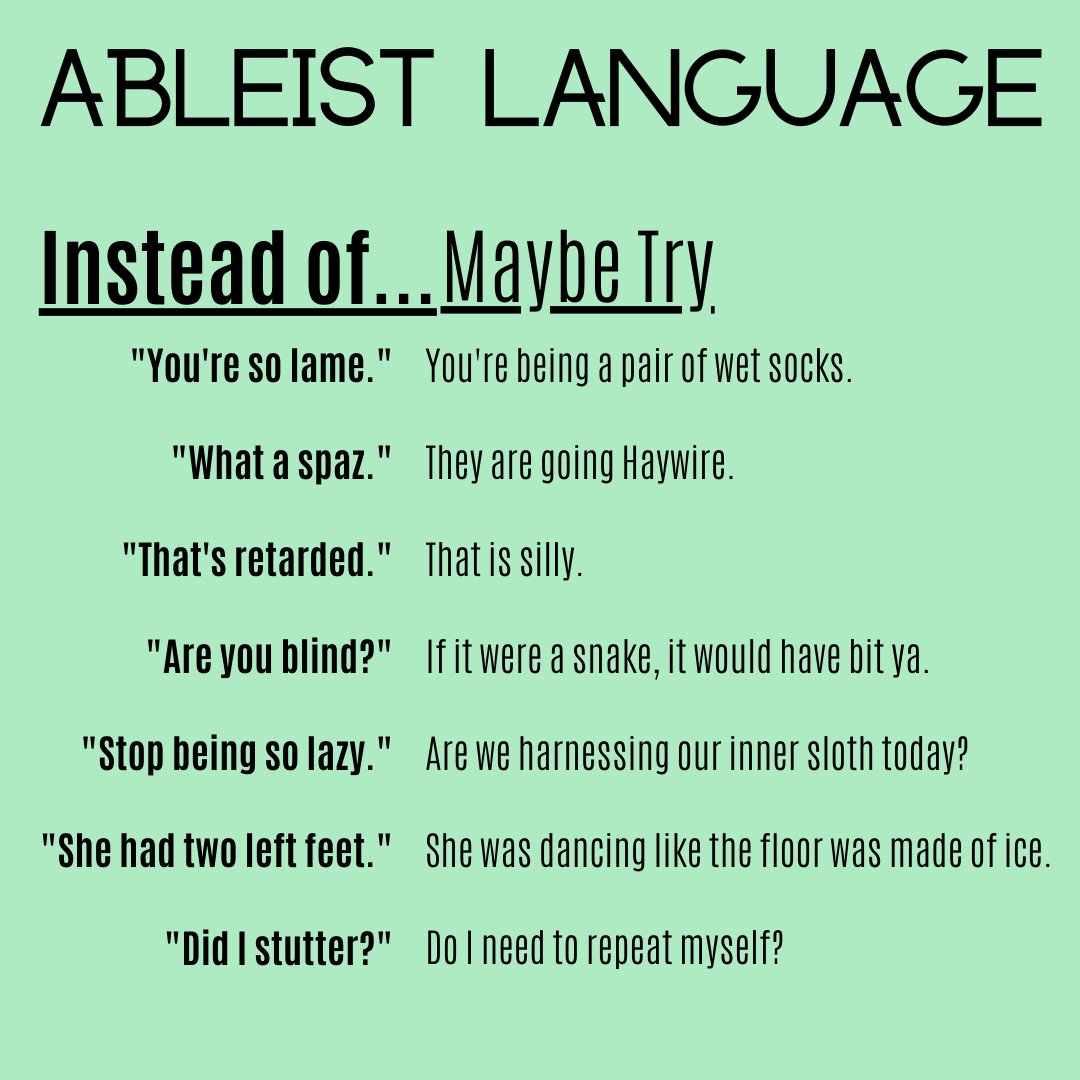
Yes, using clinical diagnoses as adjectives for general behavior is a form of diagnostic appropriation. It trivializes the serious, lived experiences of people who actually have those conditions. Instead of saying "I'm so OCD about my files," use more accurate words like "meticulous," "organized," or "particular."
What should I do if I accidentally shared an ableist meme in the past?
Digital growth involves learning from past mistakes. If you realize you’ve shared something harmful, the best course of action is to delete the post and, if appropriate, share a brief update or comment explaining why you've removed it. This educates your followers and demonstrates a commitment to digital disability equity.
Are there "safe" ways to make memes about disability?
The "safe" and ethical way to create disability-related memes is to ensure they are created by or in genuine collaboration with the disabled community. These memes should focus on the experience of disability—such as the frustration of broken elevators or the quirks of navigating healthcare—rather than mocking the existence of the disability itself.
Advancing Digital Inclusion Beyond 2026
The goal of identifying and dismantling ableist memes is to move toward a digital environment where disability is viewed as a natural part of the human experience rather than a punchline. As AI and algorithmic curation become more sophisticated, there is hope that automated systems will become better at identifying the nuance of ableist tropes, but human judgment remains the primary line of defense.
To participate in this progress, users should prioritize "disability-led" narratives. By shifting the focus from observing disability to listening to disabled voices, we can transform the internet from a place of exclusion into a truly accessible digital commons. The next action for any digital citizen is to audit their own social media feeds: are you following disabled creators? Are you using accessibility features? Moving from "not ableist" to "anti-ableist" is a conscious, ongoing process that benefits everyone.