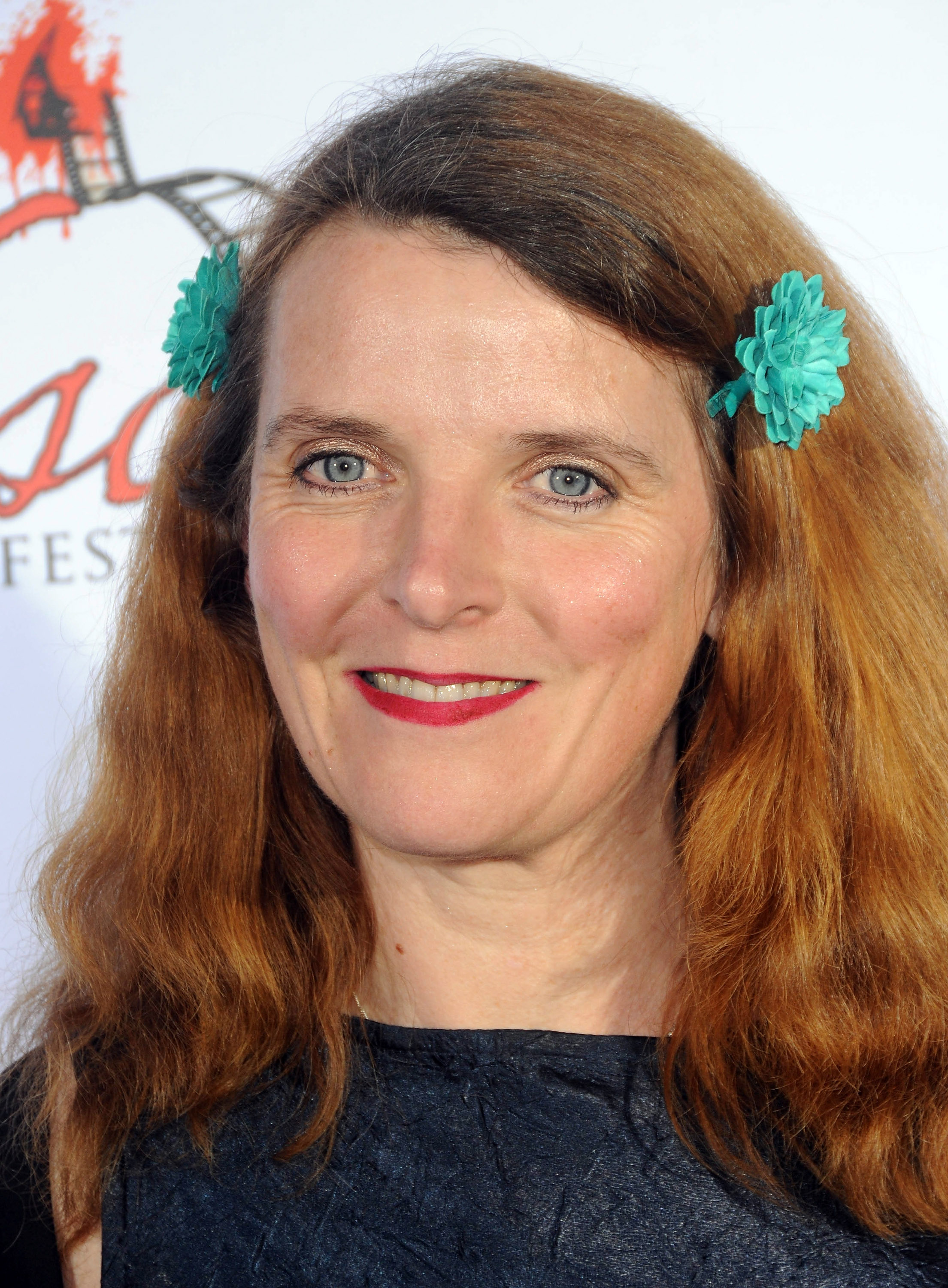
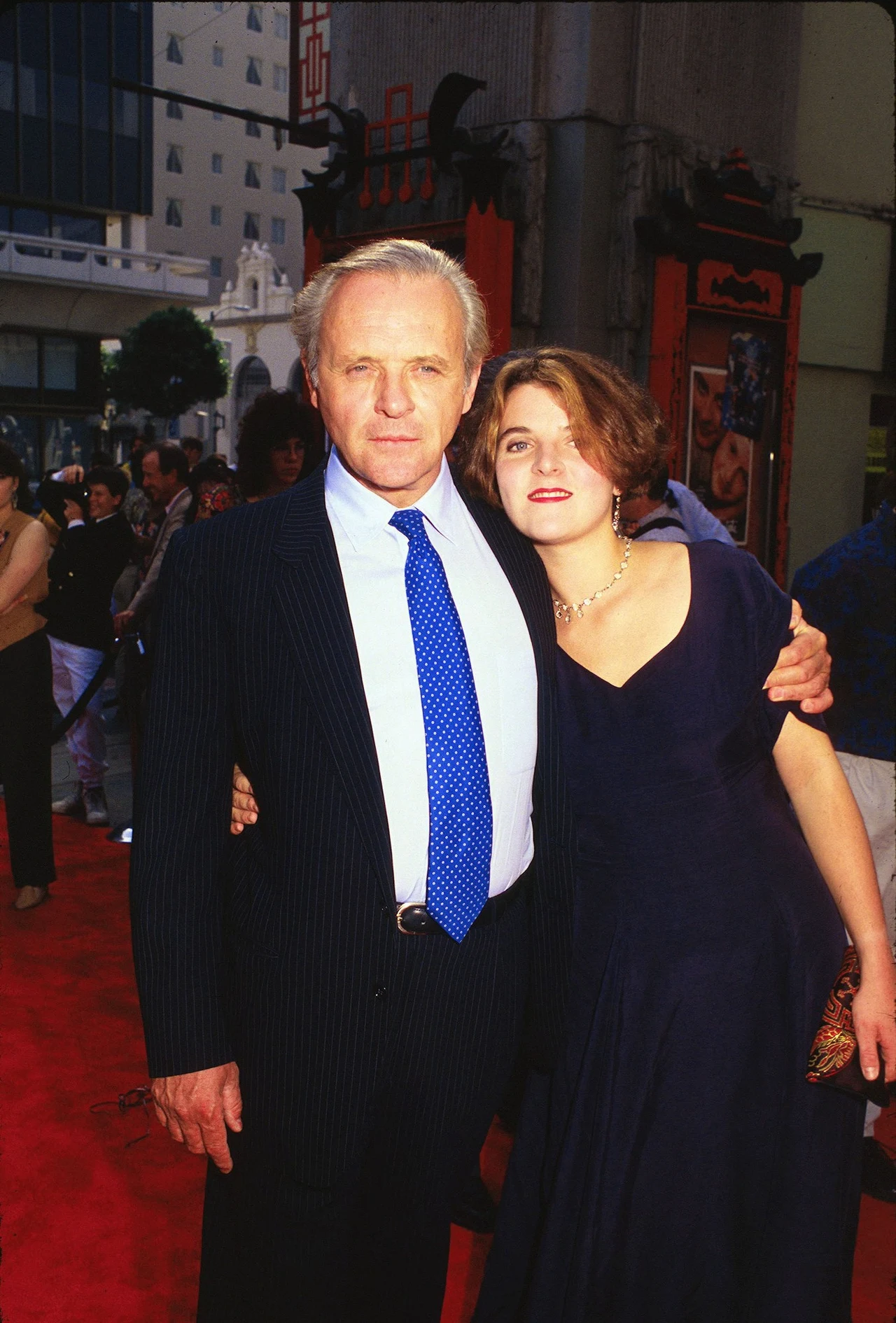
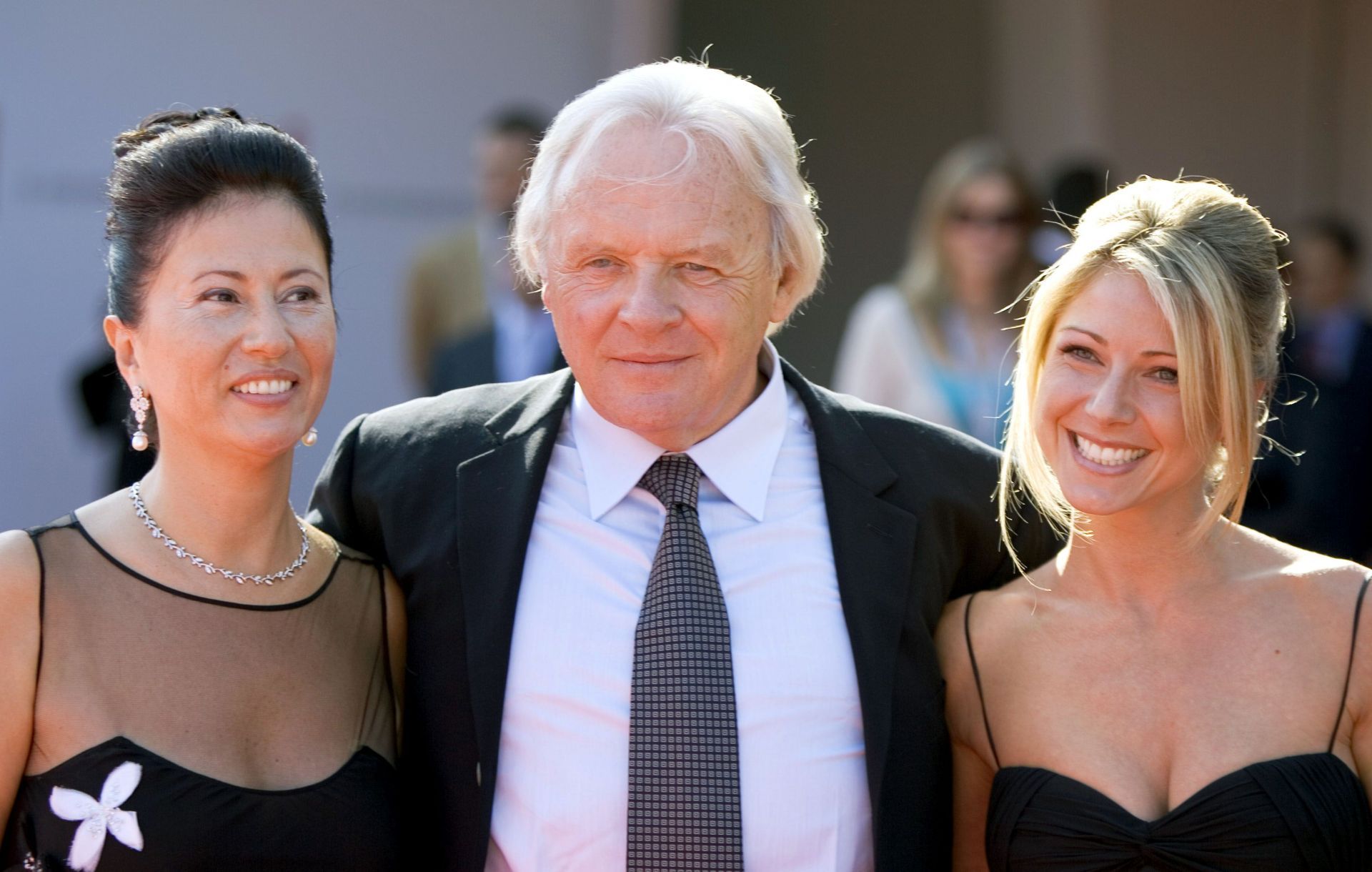
Abigail Hopkins has carved out a distinctive career as a singer-songwriter, actress, and theatre director, successfully transitioning from the daughter of an icon to a respected creative force. Her rise is defined by a commitment to independent artistry, moving away from Hollywood blockbusters toward introspective music and experimental theatre.
The narrative surrounding Abigail Hopkins—born Abigail Harrison—is often framed by her complex relationship with her father, the legendary Sir Anthony Hopkins. However, by 2026, her "stunning rise" is best understood not through the lens of celebrity gossip, but as a decades-long pursuit of creative autonomy. While the media frequently focuses on family estrangement, Abigail has quietly built a prolific body of work that spans multiple disciplines, proving that her artistic value is independent of her famous lineage.
Early Life and the Weight of a Formidable Legacy
Born in 1968 in London to Anthony Hopkins and his first wife, actress Petronella Barker, Abigail’s entry into the world was immediately marked by the pressures of the entertainment industry. Her parents divorced when she was only four years old, a pivotal event that shaped much of her early childhood and her subsequent relationship with her father.
Growing up in the wake of her father’s burgeoning international fame presented a unique set of challenges. Unlike many "nepo babies" of the modern era who leverage their parents' connections to secure immediate stardom, Abigail’s path was marked by a desire for distance and personal discovery. The emotional distance between father and daughter became a matter of public record, but for Abigail, the early years were more about finding a voice that didn't echo the Shakespearean gravity of her father’s presence.
Her decision to change her name to Abigail Harrison during various points of her career was a clear indicator of this search for identity. It allowed her to audition and perform in the London theatre scene without the immediate preconceptions that the "Hopkins" name carried. This period was foundational, as it forced her to develop the resilience required for a career in the arts, where rejection is frequent and success is never guaranteed, regardless of one’s surname.
The Formative Acting Years: From Cinema to Creative Divergence
In the early 1990s, it appeared that Abigail might follow directly in her father’s footsteps. She appeared in two major films that also starred Anthony Hopkins: Shadowlands (1993) and The Remains of the Day (1993). These roles were significant, not just because of the scale of the productions, but because they represented the height of her professional intersection with her father.
In Shadowlands, she played a small role as a nurse, and in The Remains of the Day, she appeared as a maid. While these were minor roles, they showcased her natural screen presence. However, rather than using these high-profile credits as a springboard into the Hollywood machine, Abigail made a conscious choice to pivot. She found the "factory" nature of large-scale filmmaking less fulfilling than the visceral, immediate connection of live performance and songwriting.
This divergence is what makes her rise "stunning." In an industry that rewards chasing the biggest paycheck or the most fame, Hopkins chose the path of the artisan. She returned to the stage and began focusing on her true passion: music. By the late 90s, she was no longer looking for roles in her father's films; she was looking for her own sound.
A Shift in Focus: The Musical Journey of Abigail Hopkins
If acting was her heritage, music became her sanctuary. Abigail Hopkins’ rise as a singer-songwriter is characterized by a haunting, folk-infused style that draws comparisons to artists like Joni Mitchell and Leonard Cohen. Her music is deeply personal, often exploring themes of isolation, resilience, and the complexities of human connection.
Her discography reflects a steady evolution of craft:
- Smile Road (2003): Her debut album introduced a voice that was both fragile and firm. It was a collection of acoustic-driven tracks that prioritized storytelling over commercial hooks.
- Blue Light Night (2005): This project saw her experimenting with more complex arrangements, blending jazz influences with her folk roots.
- The Memoirs of An Outlaw (2008): Often cited by critics as her most cohesive work, this album showcased her growth as a lyricist.
By 2026, these albums are viewed as cult classics within the UK indie-folk scene. Abigail’s music didn't climb the charts through massive marketing budgets; it rose through word-of-mouth and consistent touring of small, intimate venues. This grassroots success allowed her to maintain total creative control, a rarity for anyone associated with a major Hollywood name. Her "rise" in the music world was a slow burn, proving that she had the substance to back up her ambitions.
Navigating Estrangement and Public Scrutiny
One cannot discuss the rise of Abigail Hopkins without addressing the public nature of her estrangement from Anthony Hopkins. In a widely publicized 2018 interview, Sir Anthony admitted that he did not know if he had grandchildren and that the relationship with his daughter was essentially non-existent. He famously remarked, "People break up. Families split and, you know, 'Get on with your life.' People make choices. I don’t care one way or the other."
While such a statement would have been devastating to many, Abigail’s response—or lack thereof—spoke volumes about her character. She has largely refused to engage in a public "war of words," choosing instead to let her art speak for her. This dignified silence contributed to her stunning rise in public estimation. In an era of oversharing and reality-TV-style family feuds, her commitment to privacy and her professional dignity became a hallmark of her brand.
Her ability to separate her professional identity from her personal history is a feat of psychological and professional endurance. By 2026, the narrative has shifted from "Anthony Hopkins’ estranged daughter" to "Abigail Hopkins, the artist." This transition is perhaps her greatest achievement, as it represents a total reclamation of her own narrative.
Theatre, Directing, and Contemporary Influence
Beyond her music and early acting, Abigail has made significant strides in theatre direction and coaching. She has worked extensively with young actors, passing on a philosophy of performance that emphasizes emotional truth over technical artifice. Her work in London’s fringe theatre has allowed her to experiment with avant-garde productions that challenge traditional storytelling.
As a director, she is known for her meticulous attention to detail and her ability to draw nuanced performances from her cast. Her rise in the theatrical world is built on a foundation of "doing the work"—the unglamorous, behind-the-scenes effort that defines a true professional.
Comparative Overview: Career Trajectories
The following table illustrates the different paths taken by Abigail and her father, highlighting how she established an independent identity.
| Feature | Sir Anthony Hopkins | Abigail Hopkins |
|---|---|---|
| Primary Medium | Film / Blockbuster Cinema | Music / Indie Theatre |
| Public Persona | Global Icon / Intense Method Actor | Private Artist / Singer-Songwriter |
| Notable Works | The Silence of the Lambs, The Father | Smile Road, The Memoirs of An Outlaw |
| Artistic Style | Grandiose, Classical, Dramatic | Introspective, Folk-Jazz, Minimalist |
| Career Strategy | Hollywood Studio System | Independent Creative Control |
| 2026 Status | Legacy Icon (Active) | Established Independent Artist |
The "Stunning Rise" in 2026: Her Current Standing
In 2026, Abigail Hopkins stands as a testament to the power of self-definition. Her "rise" is not measured by Instagram followers or box office receipts, but by the longevity and integrity of her career. She has successfully navigated the pitfalls that often claim the children of the ultra-famous: the pressure to conform, the lure of easy fame, and the bitterness of family conflict.
Her current work continues to involve musical collaborations and directing projects that prioritize artistic merit. She has become a figure of inspiration for other artists who wish to remain "small but significant," proving that a successful life in the arts doesn't require a Hollywood star. Her rise is "stunning" because it was achieved on her own terms, in her own time, and with her own voice.
Frequently Asked Questions
Did Abigail Hopkins ever reconcile with her father?
While there have been occasional reports of brief contact over the decades, as of 2026, there is no public evidence of a full reconciliation. Both parties have largely chosen to live their lives independently, with Abigail focusing on her creative pursuits and Anthony continuing his late-career resurgence.
What is Abigail Hopkins' musical style?
Abigail's music is generally categorized as indie-folk or acoustic singer-songwriter. It features soul-searching lyrics, delicate guitar work, and a vocal style that blends folk traditions with jazz-like phrasing. Her work is often noted for its atmospheric and melancholic quality.
Why did Abigail Hopkins stop acting in major films?
After her early roles in the 1990s, Abigail expressed a preference for the creative freedom found in music and theatre. The rigid structure and high-pressure environment of major film sets were less appealing to her than the ability to write her own songs and direct her own stage projects.
Is Abigail Hopkins still active in the arts today?
Yes, in 2026, she remains active as a musician and a theatre practitioner. She continues to release music independently and is involved in the London theatre scene, both as a performer and behind the scenes in a directorial capacity.
Has Abigail Hopkins written an autobiography?
While her lyrics are often deeply personal and autobiographical in nature, she has not released a formal memoir. She has consistently prioritized her privacy, choosing to share her experiences through her art rather than through a traditional tell-all book.
Recommended Next Steps for Fans and Researchers
For those looking to understand the depth of Abigail Hopkins’ contribution to the arts, the best starting point is her music. Exploring the album The Memoirs of An Outlaw provides the clearest insight into her lyrical prowess and musical identity. Furthermore, keeping an eye on London’s independent theatre listings often reveals her latest directorial projects, which continue to push the boundaries of contemporary performance.
By engaging with her work directly, one moves past the tabloid headlines and gains a true appreciation for an artist who successfully emerged from a giant shadow to find her own light.