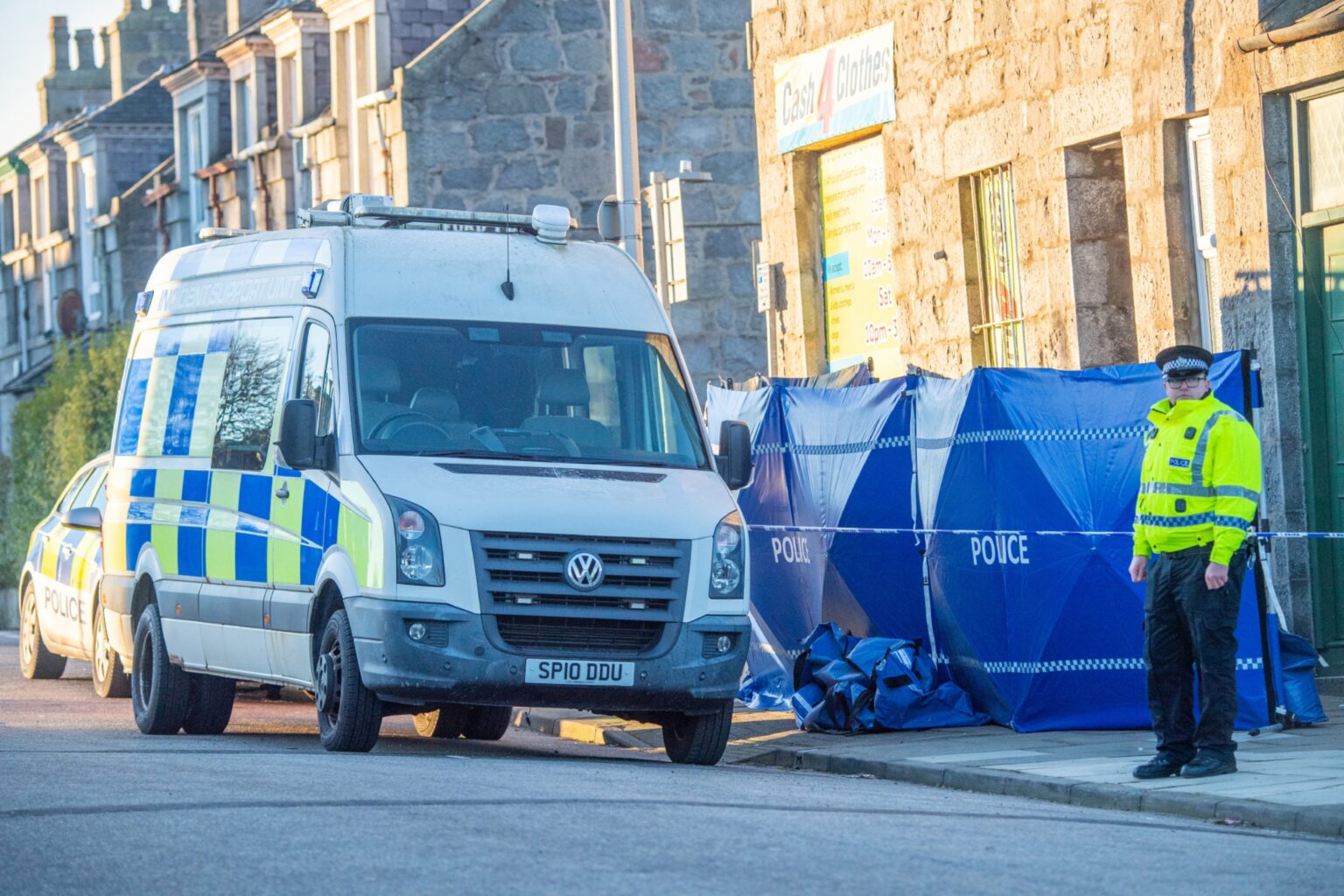
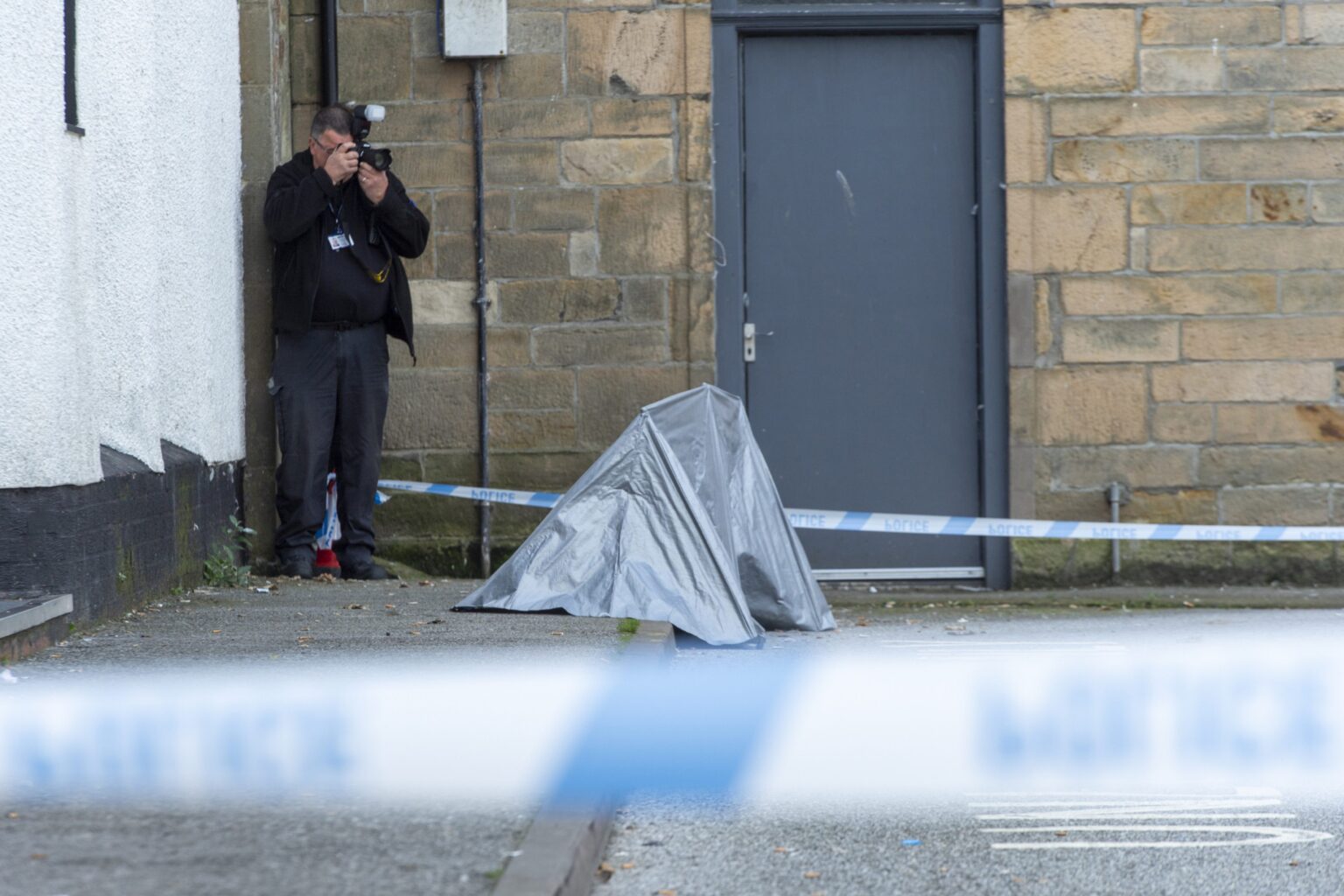
Aberdeen’s criminal history is defined by a transition from sensationalist historical trials to the sophisticated application of modern forensic science. While the "Granite City" remains one of the UK’s safer urban areas in 2026, its legacy includes high-profile cold cases, such as the 1978 murder of Dr. Brenda Page, and scandalous mid-century trials like the Maxwell Garvie case.
The Evolution of Crime and Justice in Aberdeen
Aberdeen, Scotland’s third-largest city, has long been a hub of academic and industrial excellence. However, beneath its silver-grey facade lies a complex history of criminal jurisprudence. To understand the "Aberdeen murders" as a subject, one must look at how the city’s legal and social structures have responded to violence over the last century. Unlike the gangland-associated violence historically seen in Glasgow, Aberdeen’s most famous cases often involve domestic intrigue, academic figures, or long-standing mysteries that remained cold for decades.
In the early 20th century, the city’s policing followed traditional Victorian methods, relying heavily on witness testimony and circumstantial evidence. As the 20th century progressed, Aberdeen became a focal point for forensic development, largely due to the influence of the University of Aberdeen. This academic environment created a unique intersection where crime was not just a matter for the police, but also a subject for pioneering forensic anthropologists and pathologists. By 2026, the resolution of several "impossible" cases has solidified Aberdeen’s reputation as a leader in cold-case review and historical justice.
The Resolution of the Brenda Page Cold Case (1978–2023)
One of the most significant entries in the annals of Aberdeen murders is the case of Dr. Brenda Page. A brilliant 32-year-old geneticist at the University of Aberdeen, Dr. Page was found brutally murdered in her Allan Street flat in July 1978. For 45 years, this case stood as one of Scotland’s most haunting unsolved crimes, casting a long shadow over the city’s academic community.
The investigation was initially hampered by the forensic limitations of the era. Despite evidence of a violent struggle and the identification of a clear person of interest, the Crown lacked the definitive proof required for a conviction under the strict standards of Scottish law. The case was formally reopened in 2015 by the Crown Office and Procurator Fiscal Service (COPFS) as part of a wider initiative to utilize modern DNA techniques on old evidence.
In 2023, the case finally reached a resolution. Christopher "Kit" Harrison, Brenda’s ex-husband, was found guilty of her murder at the High Court in Aberdeen. The trial revealed a history of domestic abuse and coercive control, a narrative that resonated with modern sensibilities regarding gender-based violence. The conviction relied on a re-examination of forensic evidence and witness statements that had been archived for nearly half a century. In the context of 2026, the Brenda Page case serves as a benchmark for the efficacy of the Scottish Cold Case Unit.
The Maxwell Garvie "Sextet" Murder of 1968
The murder of Maxwell Garvie remains one of the most scandalous trials in Scottish history, often referred to in the press as the "Sextet" case due to the complex web of extramarital relationships involved. Maxwell Garvie, a wealthy farmer from the outskirts of Aberdeen (Kincardineshire), disappeared in May 1968. His body was eventually found in an underground tunnel at a derelict cottage.
The subsequent trial at the High Court in Aberdeen captivated the nation. It was revealed that Garvie’s wife, Sheila Garvie, and her lover, Brian Tevendale, had conspired to kill him. The trial was notable for its explicit details regarding the "swinging sixties" lifestyle the group supposedly led, which stood in stark contrast to the conservative values of Aberdeen at the time.
The legal proceedings were a masterclass in the prosecution of conspiracy. Sheila Garvie and Brian Tevendale were both convicted of murder, despite their attempts to shift blame. This case is frequently cited by legal historians as a turning point in how the Scottish public viewed "crime in high places," shifting the focus from the impoverished criminal classes to the potential for violence within affluent, seemingly respectable social circles.
Unsolved Mysteries: The 1952 Death of Elizabeth Alexander
Not all Aberdeen murders have reached a definitive conclusion. The death of Elizabeth "Betty" Alexander in 1952 remains one of the city's most enduring "whodunits." The 64-year-old was found dead in a tenement backyard in the city's West End. Despite a massive manhunt and the interrogation of hundreds of individuals, no one was ever charged with the crime.
The Alexander case is significant because it highlights the limitations of mid-century urban policing. The crime scene was reportedly contaminated by well-meaning neighbors, and the lack of a clear motive baffled investigators. Over the decades, various theories have emerged—ranging from a botched robbery to the work of a serial offender—but none have been substantiated. In 2026, the case remains on the books of Police Scotland's unresolved homicide list, representing the frustrations of investigators when forensic science is absent at the time of the crime.
The Role of Forensic Innovation in Aberdeen Investigations
Aberdeen’s contribution to solving murders extends beyond the police force. The University of Aberdeen’s Department of Anatomy and Forensic Anthropology has been instrumental in modernizing how remains are analyzed. This academic expertise is often called upon to identify victims in cases where remains are discovered after long periods, such as the "Torso in the Dee" cases or historical burials.
Forensic anthropologists in Aberdeen specialize in:
- Skeletal Trauma Analysis: Determining the difference between perimortem injuries (at the time of death) and postmortem damage.
- Isotopic Analysis: Using chemical signatures in teeth and bones to determine where a victim grew up, which is crucial for identifying "John Does" in a port city like Aberdeen.
- DNA Degradation Studies: Developing methods to extract viable genetic material from samples that have been exposed to the harsh, damp climate of Northeast Scotland.
These technical advancements have changed the nature of murder investigations in the region. Investigators no longer rely solely on "boots on the ground"; they utilize a multi-disciplinary approach that integrates laboratory science with traditional detective work.
Comparative Overview of Notable Aberdeen Murder Cases
The following table summarizes the key details of significant cases that have shaped the criminal landscape of Aberdeen.
| Case Name | Year | Status | Primary Outcome/Significance |
|---|---|---|---|
| Elizabeth Alexander | 1952 | Unsolved | Highlighted the need for better crime scene preservation. |
| Maxwell Garvie | 1968 | Solved | High-profile trial involving "scandalous" social dynamics. |
| Brenda Page | 1978 | Solved (2023) | Successful application of cold-case review and DNA. |
| Jolanta Breda | 2007 | Solved | Modern domestic violence case resulting in life imprisonment. |
| The "Dee" Remains | Various | Mixed | Ongoing use of forensic anthropology for identification. |
Legal Framework: The Scottish High Court and Homicide
Understanding Aberdeen murders requires a brief look at the Scottish legal system, which operates independently from the system in England and Wales. In Scotland, murder is a common law crime. Cases in Aberdeen are typically heard at the High Court of Justiciary, which sits in the city for significant trials.
A unique aspect of Scottish law that has impacted these cases is the "Not Proven" verdict. Historically, this allowed a jury to acquit a defendant if the evidence was insufficient, even if they were not convinced of the defendant's innocence. However, by 2026, the legal landscape in Scotland has seen significant debates and reforms regarding the three-verdict system, influenced in part by the long-running campaigns for justice in cold cases like that of Brenda Page.
Furthermore, the role of the Procurator Fiscal is central to these investigations. Unlike in many other jurisdictions where the police lead the prosecution, the Fiscal has the power to direct the police investigation into suspicious deaths, ensuring that legal standards for evidence are met from the earliest stages of an inquiry.
Common Questions Regarding Aberdeen’s Criminal History
Why did the Brenda Page case take 45 years to solve?
The delay was primarily due to the lack of "conclusive" forensic evidence in 1978. While Christopher Harrison was a suspect early on, the standard of proof required in Scottish courts meant the Crown needed more than circumstantial suspicion. Advances in DNA technology and a renewed focus on domestic history allowed prosecutors to build a stronger case decades later.
Is Aberdeen considered a high-crime city in 2026?
No. Statistically, Aberdeen maintains lower violent crime rates compared to other major UK cities like Birmingham, Manchester, or Glasgow. Most modern "murders" in the region are isolated domestic incidents rather than organized crime or random acts of violence.
What is the "Sextet" case?
The "Sextet" case refers to the 1968 murder of Maxwell Garvie. The name was coined by the media because the investigation revealed a group of six individuals involved in a web of complex, overlapping relationships, which was considered highly shocking at the time.
How does the University of Aberdeen help solve murders?
The university provides expert forensic services, particularly in forensic anthropology and pathology. Their researchers help identify human remains and determine the cause of death in cases where bodies are badly decomposed or have been hidden for many years.
What happens to unsolved murder files in Scotland?
Unsolved cases are never closed. They are managed by the Police Scotland Homicide Governance and Review Team. These files are periodically reviewed to see if new forensic techniques or new witness testimony can provide a breakthrough.
Resources for Further Research and Victim Support
If you are researching the historical aspects of crime in Aberdeen or seeking information on modern safety, several authoritative bodies provide data and support.
For historical records, the National Records of Scotland holds archives of High Court trials and police reports that have passed the 30-to-100-year privacy thresholds. These documents provide a primary-source look at the evidence presented in cases like the Garvie murder.
For those affected by violence, Victim Support Scotland offers localized assistance in Aberdeen. They provide practical and emotional support for families navigating the High Court process, which can be particularly grueling in long-delayed cold case trials.
If you possess information regarding an unresolved case in Aberdeen, contact Police Scotland via their non-emergency 101 line or provide anonymous tips through Crimestoppers. In the modern era of 2026, even the smallest piece of historical information can be the catalyst for forensic re-entry into a cold case.