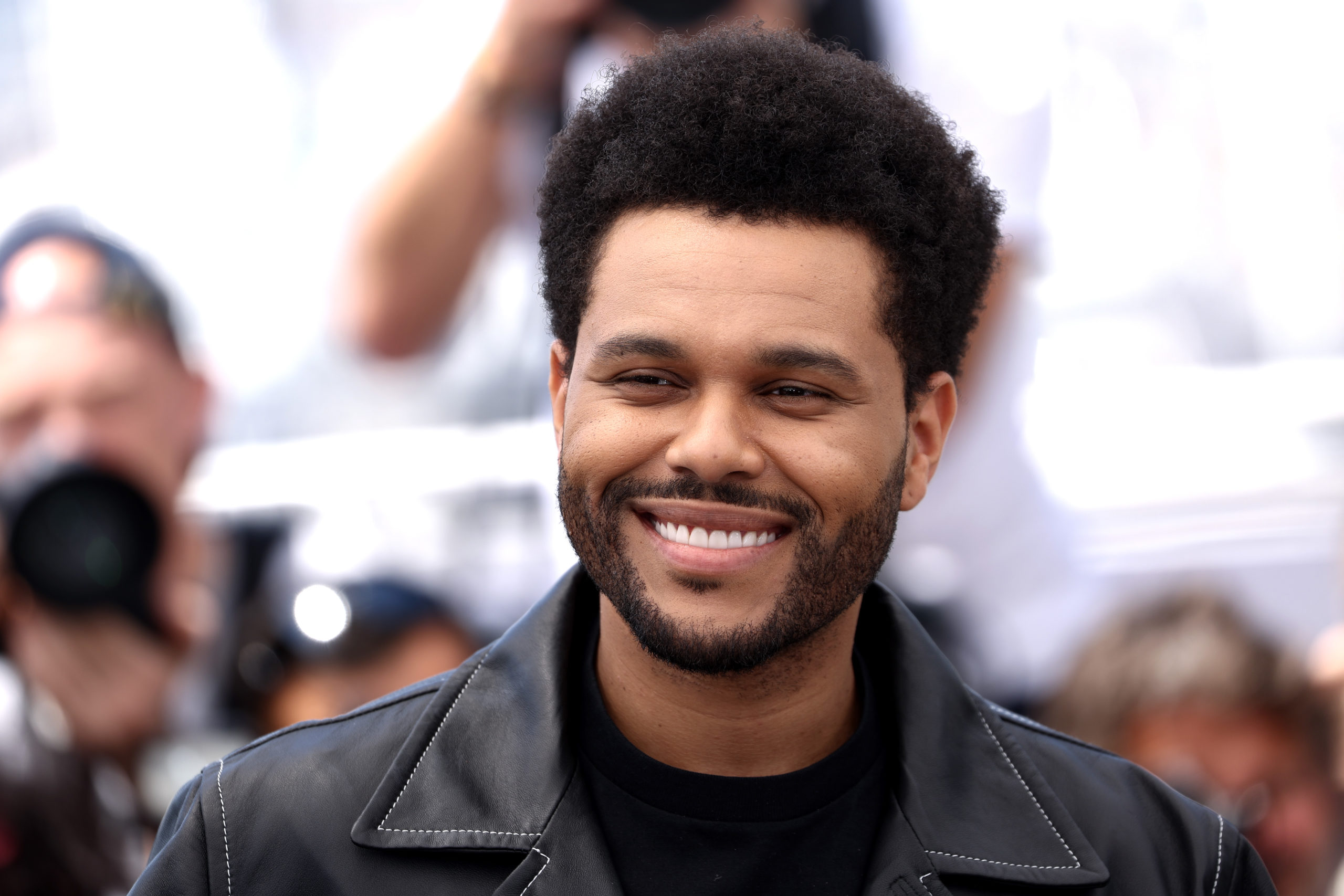
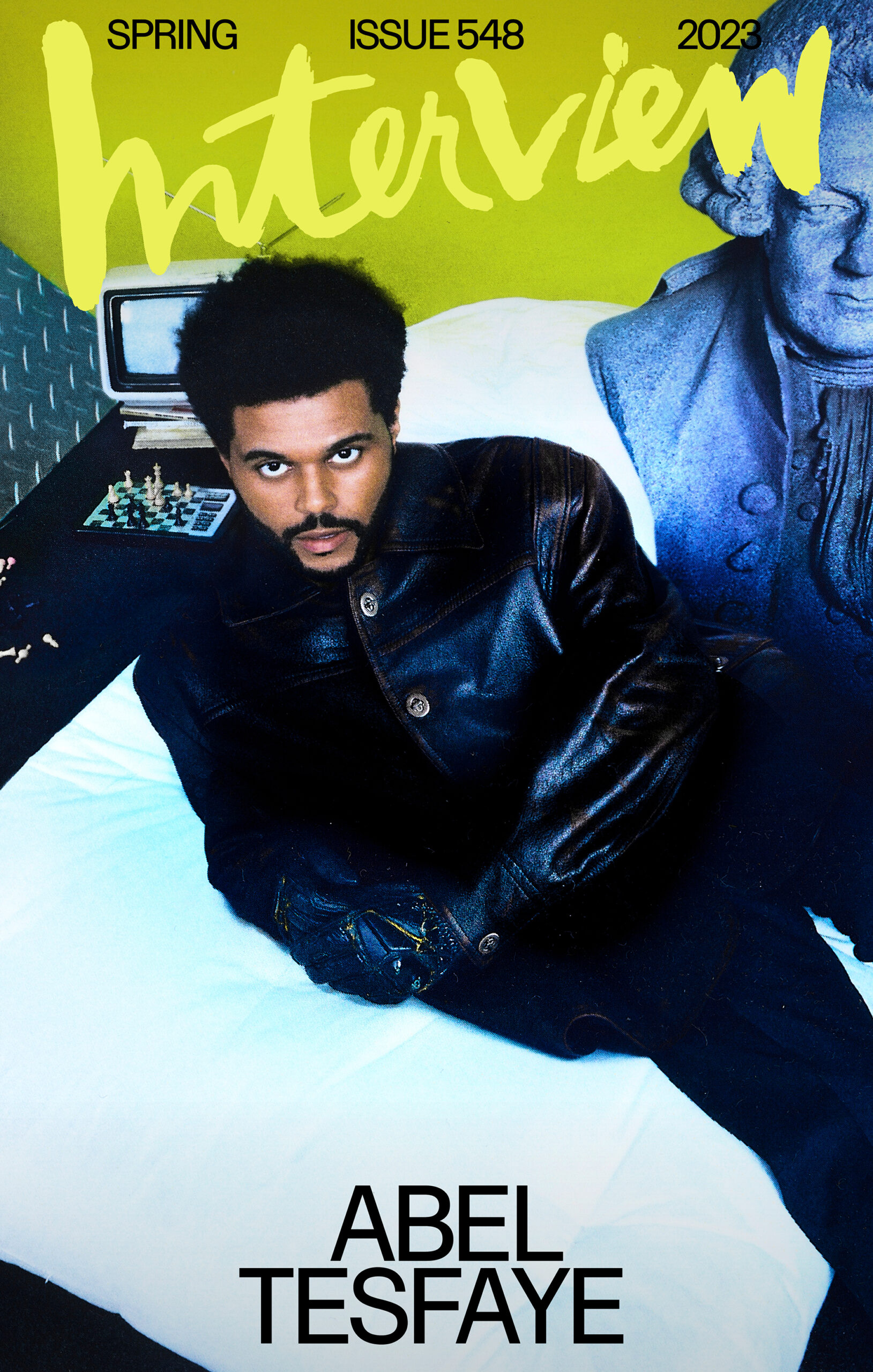
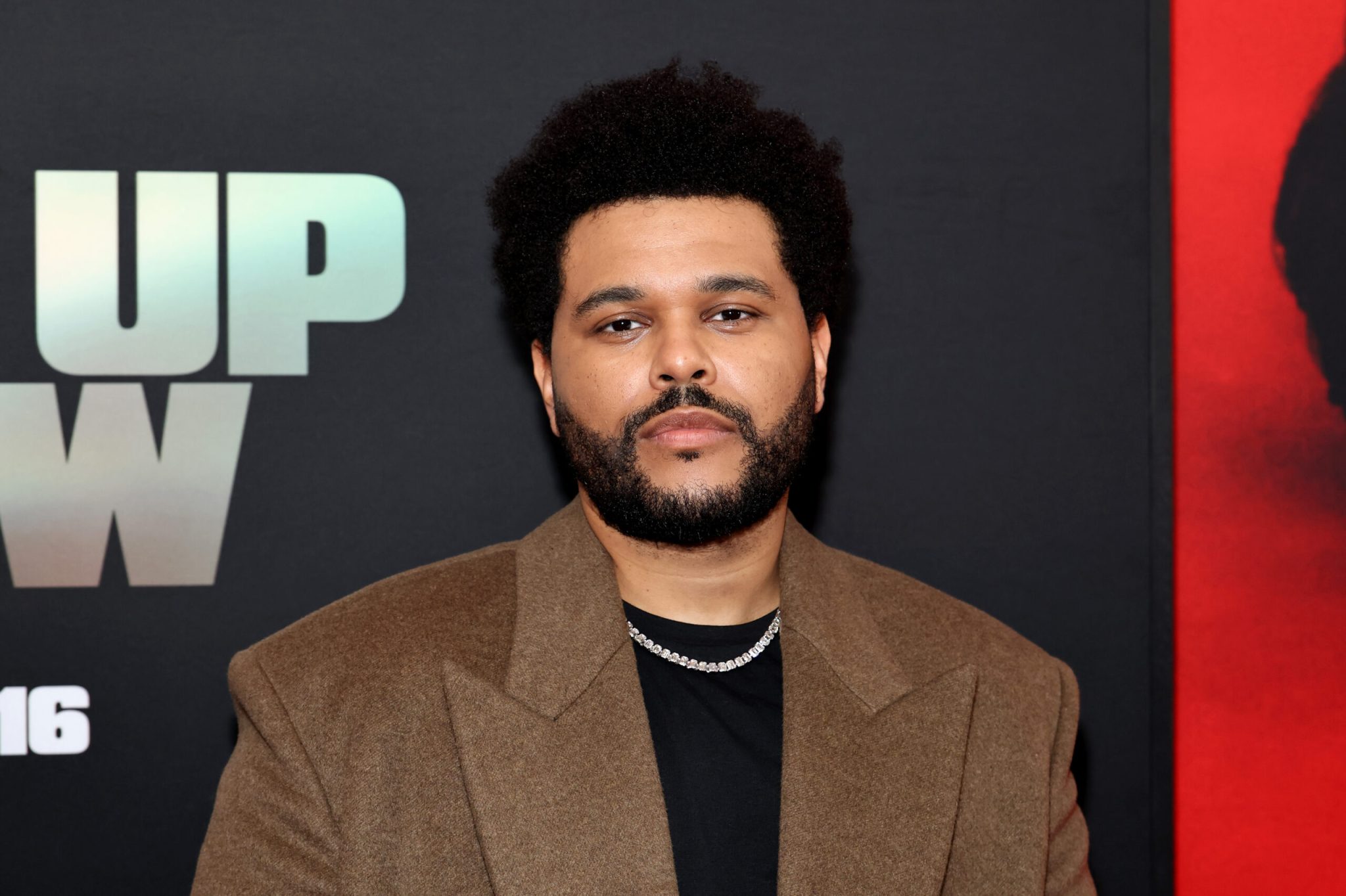
Abel Tesfaye, professionally known as The Weeknd, is a Canadian singer, songwriter, and record producer who redefined modern R&B and pop music. Recognized for his cinematic concept albums, distinctive falsetto, and melancholic sonic landscapes, Tesfaye rose from an anonymous internet sensation to one of the most influential and commercially successful recording artists of his generation.
Early Life and the Anonymous Origins of XO (1990–2011)
Abel Makkonen Tesfaye was born on February 16, 1990, in Toronto, Ontario, and raised in the Scarborough district. The only child of Ethiopian immigrants, Tesfaye grew up speaking Amharic alongside English, absorbing a wide variety of musical influences during his childhood—ranging from Ethiopian legends like Aster Aweke to traditional pop, soul, and hip-hop icons. His early upbringing in Scarborough played a pivotal role in shaping his artistic perspective, exposing him to urban alienation and diverse cultural textures that would later surface in his songwriting.
Tesfaye dropped out of high school in his late teens, choosing to pursue music independently alongside close friends and early collaborators. In late 2010, he began uploading enigmatic tracks to YouTube under the pseudonym "The Weeknd," intentionally omitting the final "e" to avoid trademark conflicts with a Canadian band of the same name. These early releases generated intense online curiosity due to their complete lack of promotional photos, media interviews, or personal biographical information.
In 2011, Tesfaye released three 9-track mixtapes for free download: House of Balloons, Thursday, and Echoes of Silence. Collectively referred to as Trilogy, these self-released projects fused ambient electronic textures, slow-tempo drum patterns, and dark, brooding lyrical themes centered on heartbreak, substance abuse, and nightlife culture. Supported by long-term creative partners including executive producer La Mar Taylor, manager Wassim "SAL" Slaiby, and producer Doc McKinney, Tesfaye founded his independent record label and creative brand, XO. The distinct sound of the mixtapes quickly caught the attention of major critics, mainstream media, and fellow Toronto artist Drake, launching Tesfaye from shadowy underground internet artist to major industry figure.
Musical Evolution: Defining Alternative R&B and Global Pop
Tesfaye's career is defined by intentional stylistic transformations, each accompanied by distinct visual aesthetics, hair, wardrobe changes, and conceptual narratives. His trajectory marks a rare transition from niche alternative innovator to global pop powerhouse without abandoning his core thematic preoccupations.
Underground Mixtapes (2011) ➔ Dark Alternative R&B (Kiss Land) ➔ Pop Breakthrough (Beauty Behind the Madness) ➔ Synthwave & Cinematic Eras (After Hours / Dawn FM)
The Alternative R&B Foundation (2011–2014)
The early sound of Abel Tesfaye disrupted early 2010s mainstream urban radio, which was dominated by uptempo dance-pop and polished R&B ballads. By incorporating elements of post-punk, dream pop, and trip-hop—sampling bands like Cocteau Twins, Siouxsie and the Banshees, and Beach House—Tesfaye pioneered what music journalists termed "alternative R&B" or "dark R&B." His debut studio album, Kiss Land (2013), expanded these dark soundscapes into a claustrophobic, cinematic portrait of tour anxiety and international isolation, heavily inspired by horror soundtracks and Japanese cyberpunk aesthetics.
Transition to Mainstream Pop (2015–2018)
Recognizing the limitations of staying confined to an underground niche, Tesfaye deliberately pivoted toward mainstream pop craft. Collaborating with Swedish super-producer Max Martin, Tesfaye released his second studio album, Beauty Behind the Madness (2015). The record yielded global hits such as "Can't Feel My Face" and "The Hills," proving that his dark lyrical motifs could thrive within polished pop and disco structures. His 2016 follow-up, Starboy, embraced electro-pop, funk, and new wave, featuring notable collaborations with French electronic duo Daft Punk and earning him a Grammy Award for Best Urban Contemporary Album.
The Cinematic Concept Era (2019–Present)
With the release of After Hours (2020) and Dawn FM (2022), Tesfaye elevated his work into immersive visual and conceptual experiences. After Hours utilized 1980s synthwave, synth-pop, and dream-pop aesthetics, framed around a character navigating a surreal night of existential dread and excess in Las Vegas. Dawn FM framed the album listening experience as a journey through a retro-futuristic radio station trapped in purgatory, narrated by actor Jim Carrey. Across these projects, Tesfaye maintained complete narrative continuity, appearing in music videos, award shows, and live performances wearing character-driven prosthetics, tailored suits, and thematic makeup.
Discography Breakdown: Core Eras and Key Achievements
The following table summarizes the key milestones, musical characteristics, and notable commercial successes across Abel Tesfaye's major discography eras:
| Era / Album | Release Year | Primary Musical Genres | Key Themes & Aesthetics | Notable Singles & Achievements |
|---|---|---|---|---|
| Trilogy (House of Balloons, Thursday, Echoes of Silence) | 2011 | Alternative R&B, Ambient, Indie Rock samples | Urban nightlife, emotional detachment, substance abuse, anonymity | "Wicked Games", "High for This"; established alternative R&B genre |
| Kiss Land | 2013 | Dark R&B, Industrial, Cinematic Pop | Tour anxiety, isolation, horror film scores, Japanese urban aesthetic | "Kiss Land", "Twenty Eight"; debuted at No. 2 on US Billboard 200 |
| Beauty Behind the Madness | 2015 | Pop, R&B, Disco, Rock | Fame, toxic romance, celebrity lifestyle | "Can't Feel My Face", "The Hills", "Earned It"; RIAA Diamond certifications |
| Starboy | 2016 | Electro-Pop, R&B, New Wave, Dance-Pop | Rebirth, luxury, pop stardom, space-age themes | "Starboy" (feat. Daft Punk), "I Feel It Coming"; won Grammy for Best Urban Contemporary Album |
| After Hours | 2020 | Synthwave, Synth-Pop, Electro, R&B | Existential dread, self-destruction, Vegas nightscape, 80s nostalgia | "Blinding Lights", "Heartless", "Save Your Tears"; set Billboard record for longest-charting song |
| Dawn FM | 2022 | Synth-Pop, Disco, Funk, EDM | Purgatory, spiritual transition, retro radio host narration | "Take My Breath", "Sacrifice", "Less than Zero"; critically acclaimed concept album |
Retiring the Moniker: The Transition from The Weeknd to Abel Tesfaye
Throughout his career, Tesfaye carefully maintained a distinction between his personal identity and the character of "The Weeknd." The Weeknd persona functioned as a dramatic foil—an exaggerated, antiheroic vehicle through which Tesfaye explored dark human impulses, romantic toxicity, and the psychological decay of celebrity culture.
In public interviews, Tesfaye signaled a long-term goal to close the chapter on "The Weeknd." He expressed a desire to "kill The Weeknd" artistically upon completing his thematic album trilogy spanning After Hours, Dawn FM, and his subsequent studio album project. This deliberate artistic transition reflects a broader shift toward maturity, personal authenticity, and creative expansion outside the boundaries of pop stardom.
Transitioning toward using his birth name—Abel Tesfaye—allows the artist to separate his future musical, cinematic, and directorial output from the specific tropes and expectations tied to his original moniker. While continuing to manage his record label XO, Tesfaye's identity shift marks one of the most calculated character retirements in modern popular music history.
Beyond Music: Film, Television, and Creative Direction
Abel Tesfaye’s creative vision extends far beyond studio recordings. From early in his career, his music videos displayed a deep reverence for auteur cinema, drawing visual inspiration from film directors such as Martin Scorsese, David Lynch, Stanley Kubrick, and Michael Mann.
Visual Storytelling ➔ Acting Roles (Uncut Gems) ➔ Television Creation (The Idol) ➔ Film Production & Soundtracks
Tesfaye made his feature film debut as an actor playing a dramatized version of himself in the Safdie brothers' critically acclaimed thriller Uncut Gems (2019). His performance demonstrated a sharp self-awareness regarding his early career persona and paved the way for more substantive screen projects.
In 2023, Tesfaye co-created, executive produced, and starred in the HBO drama series The Idol, alongside director Sam Levinson. Portraying the character Tedros, a manipulative night-club owner, Tesfaye also curated and produced the show's accompanying soundtrack, showcasing his ability to score complex visual media. Beyond acting, Tesfaye has taken on executive producer roles for upcoming feature films, expanding his imprint as a complete audio-visual auteur and creative director across multiple entertainment platforms.
Cultural Impact, Chart Records, and Philanthropic Endeavors
The commercial footprint of Abel Tesfaye ranks among the largest in music history. His single "Blinding Lights," released in late 2019, became a global cultural phenomenon. According to Billboard, the song broke the all-time record for the most weeks spent on the Hot 100 chart (90 weeks) and was named the No. 1 Greatest Hot 100 Hit of All Time by Billboard.
Beyond chart dominance, Tesfaye's artistic legacy lies in his profound influence on modern vocal stylings and production techniques. The muted, reverb-drenched drums and melancholy synthesizer arrangements he popularized in 2011 became the dominant production template for mainstream hip-hop, R&B, and pop throughout the subsequent decade.
Key Professional Achievements:
- Super Bowl Halftime Show: Performed as the solo headliner for the Super Bowl LV Halftime Show in February 2021 at Raymond James Stadium, investing millions of his own capital to execute his specific cinematic staging vision.
- Grammy Awards & Industry Honors: Winner of multiple Grammy Awards, Juno Awards, and Latin Grammy Awards, alongside numerous Spotify streaming records, including being the first artist to reach 100 million monthly listeners on the platform.
- Humanitarian Work: Appointed a Goodwill Ambassador for the United Nations World Food Programme (WFP) in 2021. Tesfaye established the XO Humanitarian Fund in partnership with World Food Program USA, directing millions of dollars toward emergency hunger relief efforts in Ethiopia, Gaza, and other regions affected by humanitarian crises. He has also made significant direct donations to MusiCares, frontline healthcare workers, and international relief agencies.
Frequently Asked Questions About Abel Tesfaye
What is Abel Tesfaye's real name and background?
Abel Makkonen Tesfaye is his legal birth name. He was born in Toronto, Ontario, Canada, on February 16, 1990, to Ethiopian immigrant parents. He was raised primarily by his mother and grandmother and grew up speaking fluent Amharic.
Why did he remove the "e" from his stage name, The Weeknd?
Tesfaye chose the stage name "The Weeknd" because he left home one weekend as a teenager and never came back. He removed the letter "e" to avoid trademark issues with an existing Canadian rock band named The Weekend.
Is Abel Tesfaye officially retiring his stage name "The Weeknd"?
Yes. Tesfaye has publicly stated his intent to conclude his musical output under "The Weeknd" moniker following his album trilogy (After Hours, Dawn FM, and its successor). Future creative projects in music, film, and visual arts are intended to be released under his real name, Abel Tesfaye.
What record label does Abel Tesfaye belong to?
Abel Tesfaye releases music through his own imprint, XO, founded alongside creative directors La Mar Taylor and Wassim "SAL" Slaiby. The label operates in partnership with Republic Records, a division of Universal Music Group.
How did Abel Tesfaye become famous?
He initially gained widespread critical attention and a dedicated fanbase in 2011 by anonymously releasing three dark alternative R&B mixtapes (House of Balloons, Thursday, and Echoes of Silence) for free online. His identity was gradually revealed as media praise grew and high-profile artists championed his music.
Navigating the Legacy of Abel Tesfaye
Understanding Abel Tesfaye requires recognizing him not merely as a pop star, but as a deliberate narrative architect. Whether examining the atmospheric underground mixtapes of his early twenties or the stadium-filling synthwave of his mature catalog, Tesfaye's work maintains a cohesive dedication to world-building, emotional vulnerability, and high visual standards.
For listeners, producers, and students of popular culture, analyzing Tesfaye's career offer valuable insights into modern music marketing, independent brand building through the XO imprint, and the art of artistic reinvention. As he transitions from "The Weeknd" into his next era as Abel Tesfaye, his foundational influence on modern R&B, pop songwriting, and multi-medium creative direction remains secure as a touchstone of 21st-century entertainment.