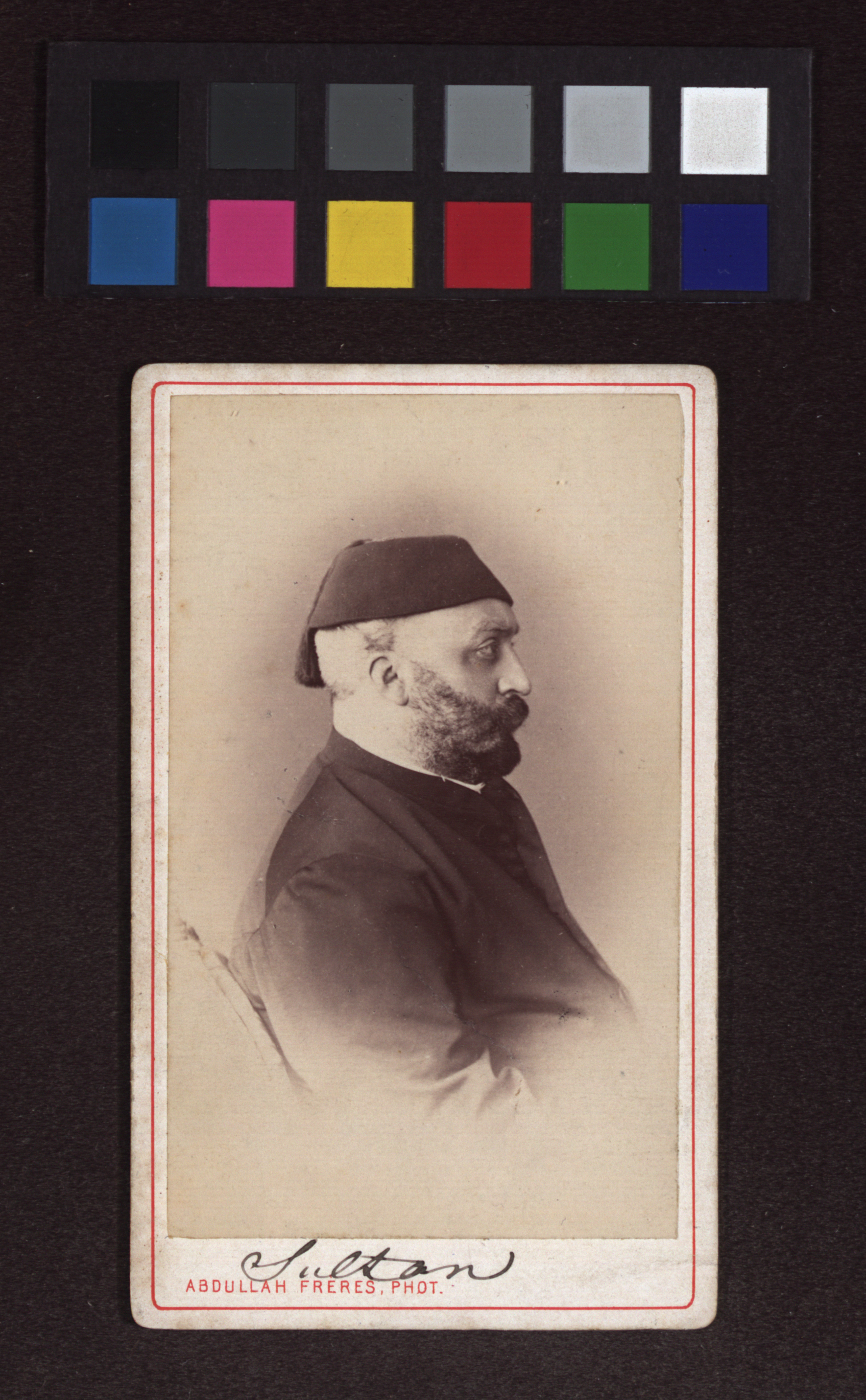
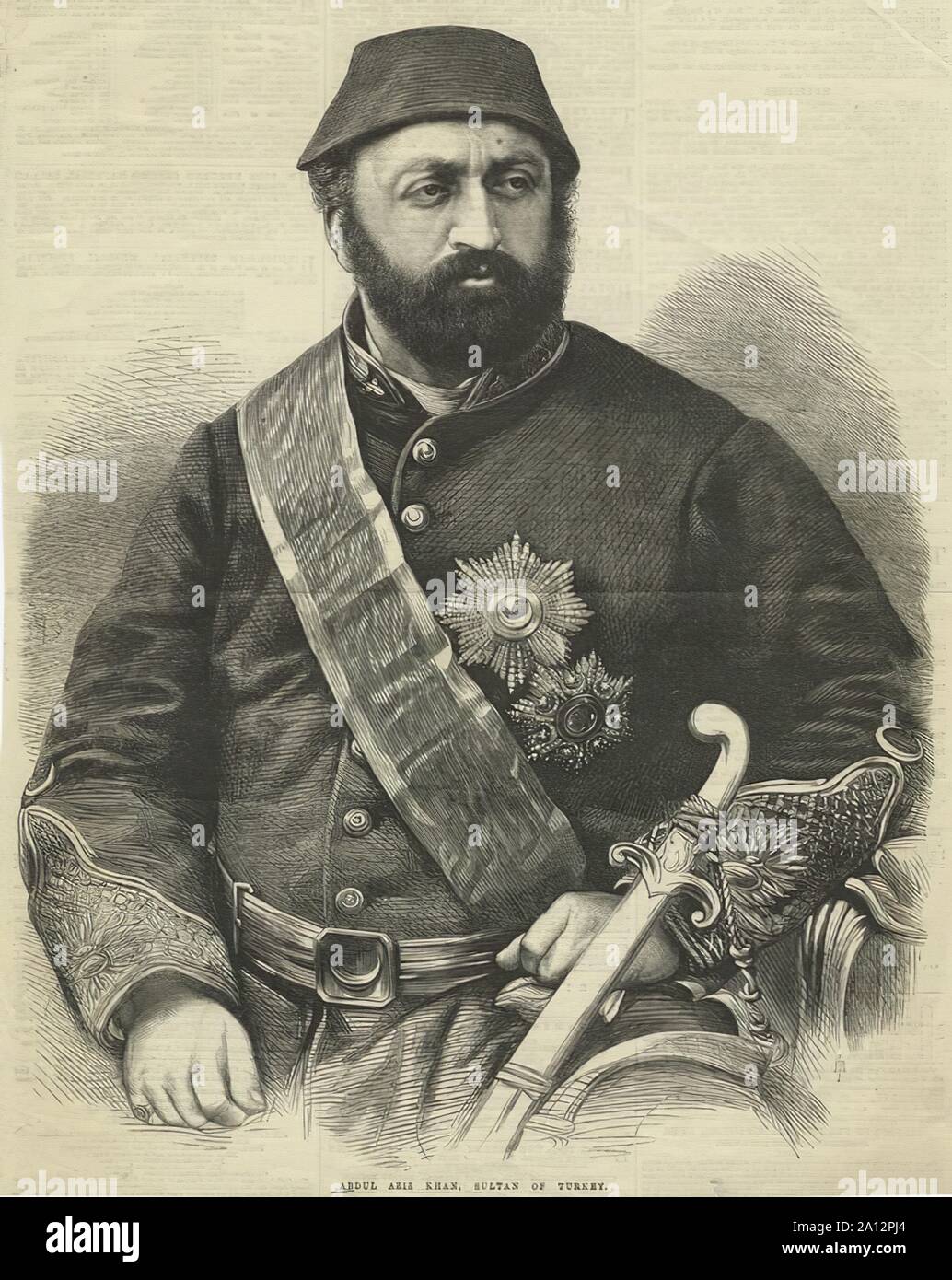
Abdul Aziz Khan primarily refers to Ustad Abdul Aziz Khan (1881–1946), one of South Asia’s most celebrated classical instrumentalists who revolutionized the playing of the Vichitra Veena in Hindustani classical music. Recognized for his masterly slide techniques and patronage under the Patiala State court, his enduring legacy shaped twentieth-century Indian classical music performance and instrumental innovation.
Biographical Background and Early Foundations
Ustad Abdul Aziz Khan was born in 1881 into a distinguished family of musicians in British India. Raised in an environment steeped in traditional musical scholarship, his early education combined rigorous vocal training with comprehensive instruction in stringed instruments. In his formative years, the young artist studied both vocal Hindustani classical music and traditional bowed and plucked lutes, most notably the sarangi. This dual foundation in vocal phrasing (gayaki) and instrumental mechanics (tantrakari) became the hallmark of his eventual musical identity.
During the late nineteenth and early twentieth centuries, musical knowledge across South Asia was predominantly transmitted through family lineages and court patronage systems known as gharanas. Although Khan absorbed the vocal nuances of various northern traditions, he became fascinated by the latent expressive capabilities of slide-based stringed instruments. His persistent experimentation led him away from conventional fretted lutes like the sitar and been (Rudra Veena) toward an instrument that was largely dormant in standard concert settings: the Vichitra Veena.
Beyond the musical domain, historical records from the late nineteenth and early twentieth centuries record other notable figures named Abdul Aziz Khan across regional politics, diplomacy, and military service in South and Central Asia. Most prominently, Sardar Abdul Aziz Khan served as an Afghan diplomat and government official during the reign of King Amanullah Khan and King Nadir Shah. However, within cultural histories, musicology, and public search records, the name overwhelmingly refers to the master instrumentalist Ustad Abdul Aziz Khan. Establishing this distinction is vital for researchers navigating historical archives, government gazettes, and musicological publications.
The Vichitra Veena: Technical Mechanics and Innovation
The Vichitra Veena (literally "peculiar" or "wondrous" veena) is a fretless plucked string instrument that relies on a smooth glass sphere or polished wooden slide to alter pitch. Unlike fretted instruments such as the sitar or sarod, where fixed frets dictate semitones, the Vichitra Veena presents a smooth, unlined fingerboard. Pitch precision depends entirely on the performer's ear, hand placement, and control of pressure against the heavy steel main strings.
- Vichitra Veena Architecture
- Resonator 1: Gourd / Fingerboard / Steel Main Strings / Resonator 2: Gourd
- Glass Slide (Batta) held in Left Hand
- Wire Plectrums (Mizrab) on Right Hand Fingers
- Underlying Sympathetic Resonating Strings (Tarab)
- Resonator 1: Gourd / Fingerboard / Steel Main Strings / Resonator 2: Gourd
Ustad Abdul Aziz Khan did not invent the Vichitra Veena, but he fundamentally re-engineered its physical setup, string tension, and performance technique. Prior to his adaptations, slide instruments in northern India were difficult to sustain and lacked the agility required for rapid classical compositions (drut gat). Khan modified the instrument in several structural and technical ways:
- Implementation of the Glass Slide (Batta): He popularized the use of a smooth, polished glass cylinder or sphere held in the left hand, replacing rougher stone or hardwood slides. This reduced surface friction against the heavy steel strings and enabled sustained, fluid microtonal glissandos (meend).
- Sympathetic String Calibration: Khan added and retuned a dedicated set of sympathetic resonating strings (tarab) beneath the main playing strings. These tuned wire strings resonated sympathetically when the primary strings were struck, creating a rich harmonic halo that compensated for the instrument's natural decay.
- Right-Hand Plectrum Dynamics: By refining the application of wire plectrums (mizrab) worn on the index and middle fingers of the right hand, he introduced crisp articulation that allowed the instrument to execute complex rhythmic patterns (layakari) alongside slow, melodic explorations (alaap).
Through these adjustments, Khan transferred the intricate vocal ornaments of the Khayal style—such as fast embellishments (taans) and delicate oscillations (gamak)—onto a fretless slide instrument. His playing demonstrated that an instrumentalist could mirror the continuous pitch contours of the human voice without sacrificing rhythmic power.
Patiala Court Era and Royal Patronage
During the early decades of the twentieth century, the princely states of India served as primary incubators for classical arts. Among these, the Kingdom of Patiala under Maharaja Bhupinder Singh (who ruled from 1891 to 1938) established one of the most lavish and artistically dynamic courts in the region. Maharaja Bhupinder Singh actively recruited premier vocalists, instrumentalists, and dancers across the subcontinent, establishing Patiala as a dominant musical hub.
Recognizing Ustad Abdul Aziz Khan's unprecedented mastery of the Vichitra Veena, the Maharaja appointed him as a court musician (darbar gayan) in Patiala. This royal appointment provided Khan with continuous financial support, high social status, and a dedicated platform for artistic development without the commercial pressures facing itinerant performers.
During his tenure at Patiala, Khan collaborated and exchanged ideas with other court luminaries, including the legendary vocalists Ustad Ali Bux Khan and Ustad Fateh Ali Khan (founders of the Patiala Gharana), as well as prominent percussionists of the era. This environment encouraged cross-pollination between vocal structures and instrumental execution. Khan adapted famous Patiala vocal compositions into instrumental gats, demonstrating how the Vichitra Veena could deliver the dramatic dynamics and romantic expression associated with the Patiala style.
The advent of sound recording technology and radio broadcasting in the 1930s further expanded Khan's reach. He recorded shellac 78 RPM discs for companies such as the Gramophone Company of India (HMV) and performed frequently for All India Radio (AIR). These broadcasts introduced his Vichitra Veena style to audiences across South Asia, cementing his reputation as the premier slide instrumentalist of his generation.
Comparative Analysis: Notable Historical Entities Named Abdul Aziz Khan
Because the name Abdul Aziz Khan appears across various twentieth-century historical domains, the following reference table contrasts the primary musical maestro with other notable historical figures bearing the same name.
| Name / Entity | Primary Domain | Active Period | Primary Region | Key Historical Significance |
|---|---|---|---|---|
| Ustad Abdul Aziz Khan | Classical Music / Performance | 1881–1946 | Patiala, Punjab / North India | Innovated Vichitra Veena playing; court musician to Patiala State; pioneer of slide instrument technique. |
| Sardar Abdul Aziz Khan | Diplomacy / Statecraft | Early-to-Mid 20th Century | Afghanistan / Central Asia | Served as ambassador and diplomatic envoy during Afghan state modernization efforts. |
| Khan Bahadur Abdul Aziz Khan | Civil Administration | Late 19th–Early 20th Century | British India (Punjab/Bengal) | Colonial civil administrator recognized with British title honors for public service. |
| Abdul Aziz Khan (Contemporary Corporate Leaders) | Business / Finance | 21st Century | Global / South Asia | Various executive officers and directors in modern banking, energy, and corporate sectors. |
This structural distinction highlights that while administrative and political figures contributed to regional history, Ustad Abdul Aziz Khan remains the central historical entity associated with cultural heritage, organology, and music scholarship.
Influence on Hindustani Instrumental Music and Discipleship
The artistic legacy of Ustad Abdul Aziz Khan extends far beyond his own performances; it fundamentally altered the trajectory of modern Hindustani instrumental music. Prior to his work, slide technique was an obscure niche within Indian classical traditions. His successful adaptation of vocal idioms onto a slide instrument directly inspired subsequent generations of musicians to explore slide mechanics on various stringed instruments.
Direct Pedagogy and Disciples
Khan was a dedicated teacher who transmitted his specialized knowledge through the traditional Guru-Shishya Parampara (teacher-disciple lineage). Among his notable students and followers who preserved and propagated the Vichitra Veena were:
- Ustad Ahmed Raza Khan: A prominent court and radio musician who maintained the classical purity of Khan’s Vichitra Veena style, passing the technique on to mid-century broadcast artists.
- Pandit Gopal Krishan: An accomplished musician and All India Radio producer who further refined the instrument's structural design and performance repertoire in the post-independence era.
- Ramesh Prem: A distinguished exponent who helped bring the Vichitra Veena to international audiences and modern academic institutions.
Impact on Modern Indian Slide Guitar
In the mid-to-late twentieth century, musicians seeking to adapt the Western Hawaiian lap steel guitar for Hindustani classical music—most notably Pandit Brij Bhushan Kabra and later Grammy winner Pandit Vishwa Mohan Bhatt (creator of the Mohan Veena)—drew heavy conceptual inspiration from Ustad Abdul Aziz Khan's original Vichitra Veena innovations.
The core mechanics developed by Khan—specifically using a smooth slide held in the left hand combined with high string action and underlying sympathetic strings—served as the direct musical blueprint for the modern Indian slide guitar. Consequently, contemporary performers of the Indian slide guitar utilize microtonal techniques and ornamentations that trace their origin directly to Khan's early twentieth-century breakthroughs.
Frequently Asked Questions About Abdul Aziz Khan
Who was Ustad Abdul Aziz Khan?
Ustad Abdul Aziz Khan (1881–1946) was an eminent Indian classical instrumentalist famous for pioneering and popularizing the Vichitra Veena in Hindustani music. He served as a court musician in the princely State of Patiala and established foundational slide techniques for modern South Asian stringed instruments.
What is the Vichitra Veena and how did Abdul Aziz Khan modify it?
The Vichitra Veena is a fretless plucked string instrument played with a glass slide (batta) held in the left hand. Ustad Abdul Aziz Khan modified the instrument by standardizing the glass sphere slide, optimizing string tension, adding sympathetic resonating strings (tarab), and introducing refined right-hand plectrum techniques to perform rapid classical compositions.
Which royal court did Ustad Abdul Aziz Khan serve?
He served primarily in the court of Maharaja Bhupinder Singh of Patiala during the golden era of royal musical patronage in the early twentieth century. His court appointment allowed him to collaborate with top vocalists and develop the Patiala style of instrumental performance.
Are there archival recordings of Ustad Abdul Aziz Khan available today?
Yes. Archival recordings exist in the catalogs of the Gramophone Company of India (HMV) and the historical archives of All India Radio (AIR). Selections of his 78 RPM shellac recordings have been digitized by music historical societies and educational institutions dedicated to Indian classical music preservation.
How does his legacy affect modern musicians?
Beyond direct Vichitra Veena practitioners, Khan's techniques laid the groundwork for the modern Indian slide guitar (such as the Mohan Veena). His adaptation of vocal continuous pitch movement (gayaki ang) onto a fretless slide instrument remains a standard approach for modern Hindustani instrumentalists.
Researching the Legacy: Recommended Archival Resources
For musicologists, organologists, and historians seeking primary materials, archival audio, or biographical documentation regarding Ustad Abdul Aziz Khan, several established institutions maintain official collections:
- Sangeet Natak Akademi Archives (New Delhi): India's national academy for music, dance, and drama holds extensive biographical records, historical photographs, and field recordings of classical maestros from the early twentieth century. Scholars can access these records through the Sangeet Natak Akademi Official Portal.
- All India Radio (AIR) Sound Archives: The central archives of Prasar Bharati preserve foundational radio broadcasts and remastered transcriptions of Khan's live performances from the 1930s and 1940s. Access details are listed via the Prasar Bharati Central Archives.
- The British Library Sound Archive (London): Holds early shellac pressings and commercial catalogs from the Gramophone Company of India detailing early twentieth-century releases featuring Ustad Abdul Aziz Khan's Vichitra Veena solos. Historical recordings can be explored at The British Library Sound & Moving Image Catalogue.
Researchers consulting these repositories should search using both standard transliterations—"Abdul Aziz Khan", "Ustad Abdul Aziz Khan", and "Abdul Aziz Veena"—to capture all historical catalog entries and cross-referenced court records.