Abducted in Plain Sight is a 2017 true crime documentary that chronicles the harrowing story of Jan Broberg, an Idaho teenager who was kidnapped twice by her neighbor, Robert Berchtold, in the 1970s. The film details the extreme psychological manipulation and grooming Berchtold used to exploit Jan and her parents.
The documentary, directed by Skye Borgman, remains a cornerstone of the true crime genre as of 2026, frequently cited for its surreal narrative twists and its exploration of how predatory behavior can go undetected within close-knit communities. The case is not merely a story of kidnapping but a complex study of grooming, parental vulnerability, and the failures of the legal system during that era. By examining the synopsis and key details, viewers can better understand the mechanics of coercive control that allowed such a tragedy to occur twice within the same family.
The Origins of the Broberg Case and Documentary Context
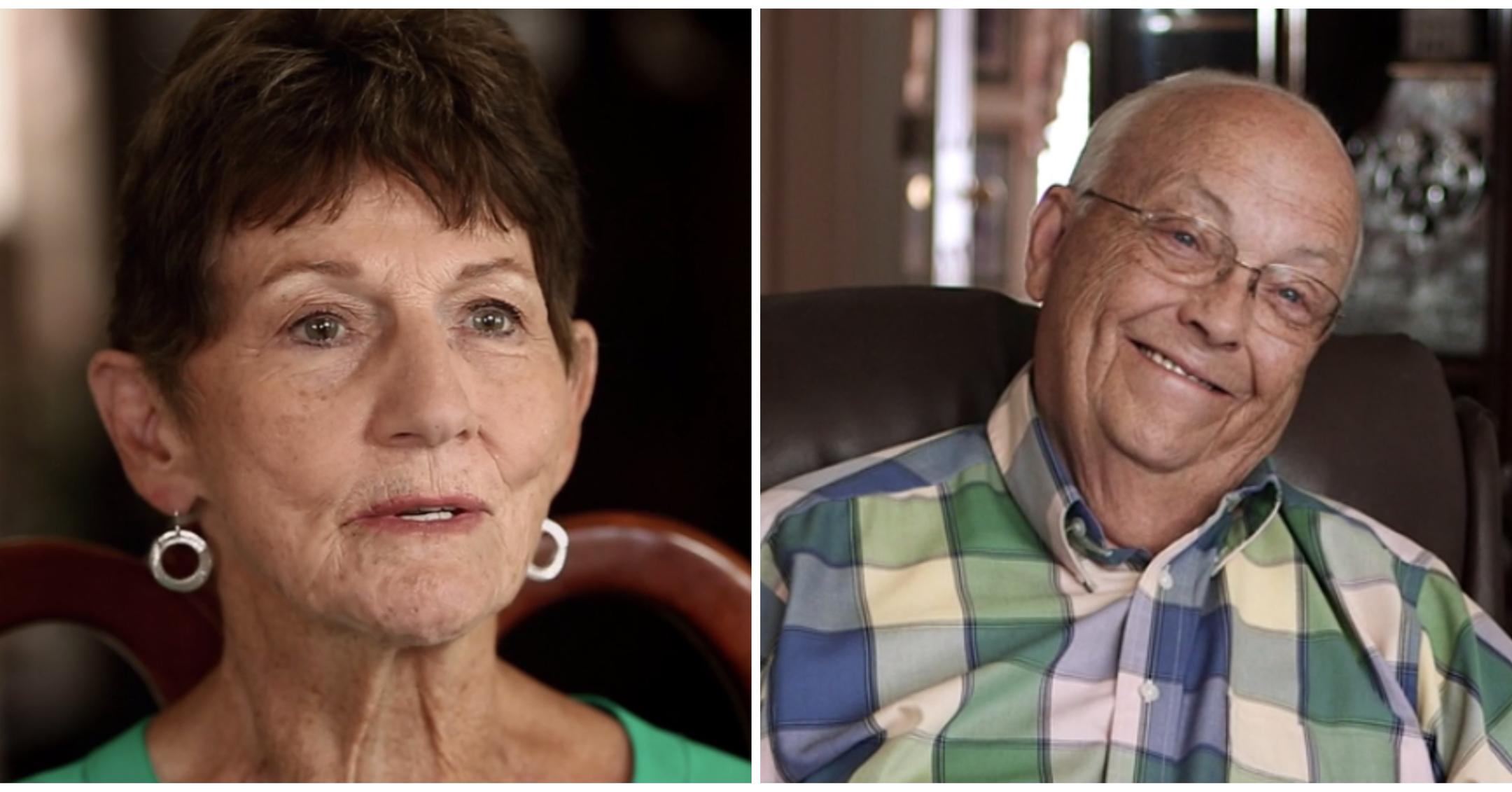
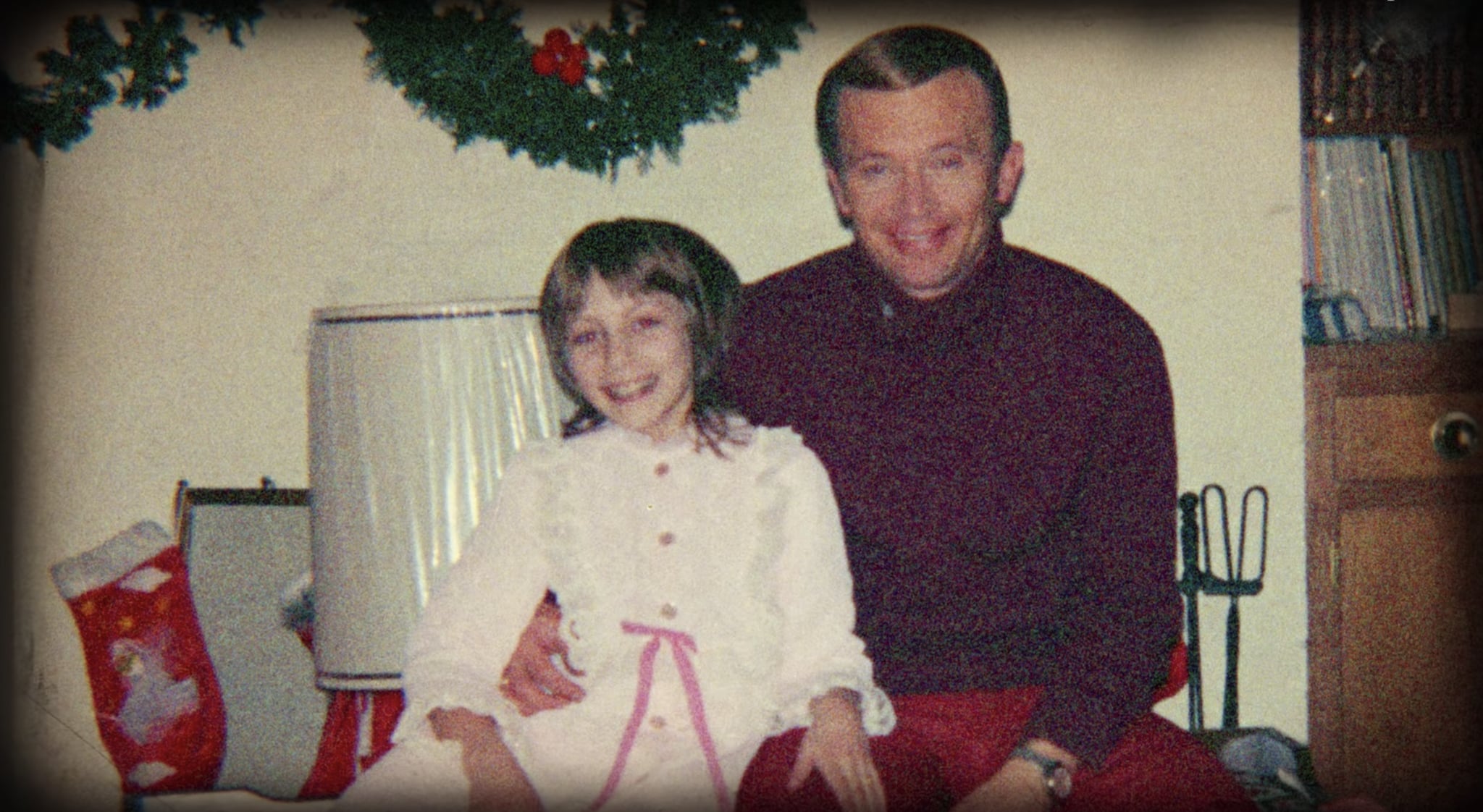
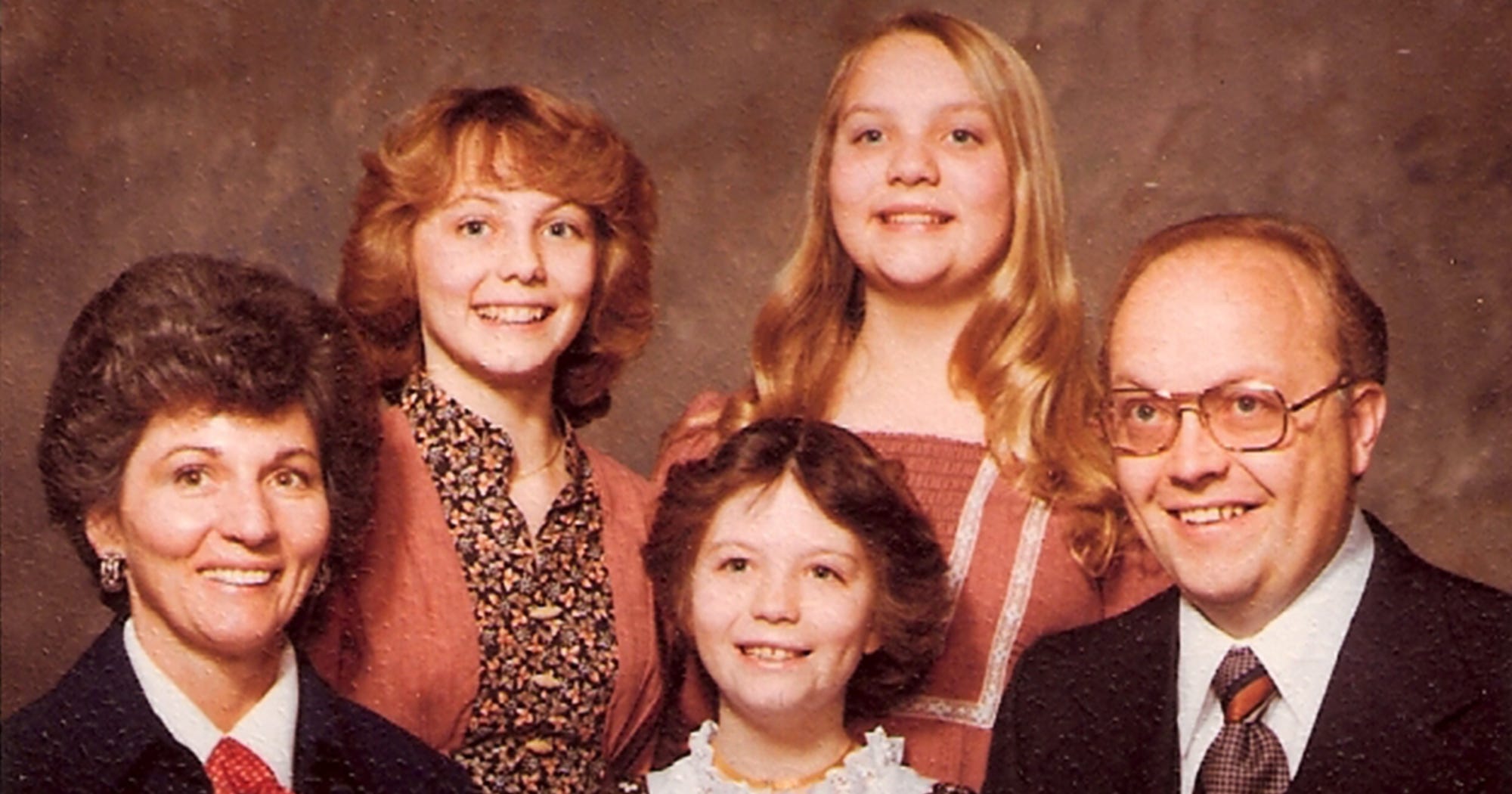
Originally released in 2017 and gaining massive global traction via streaming platforms in the years following, Abducted in Plain Sight focuses on the Broberg family of Pocatello, Idaho. The documentary utilizes archival footage, family photos, and contemporary interviews with Jan Broberg, her parents Bob and Mary Ann, and her sisters.
The narrative begins with the introduction of Robert "B" Berchtold, a charismatic neighbor who moved into the Brobergs' neighborhood. Berchtold quickly became an "honorary" member of the family, gaining the absolute trust of both parents. This proximity allowed him to begin a sophisticated grooming process that targeted not only Jan but also her mother and father individually. The documentary is lauded for its unflinching look at the Brobergs' decisions, which many viewers find baffling, yet it serves to illustrate the profound power of a master manipulator.
Synopsis of the First Abduction: October 1974
The core of the documentary's first act involves the initial disappearance of 12-year-old Jan Broberg. On October 17, 1974, Berchtold convinced Jan’s parents to let her go with him to a local park. Instead, he drove her across the border into Mexico in a motorhome.
During this period, Berchtold employed a bizarre and elaborate psychological tactic. He played recorded "alien" voices for Jan, claiming that she was part of an extraterrestrial mission to save her planet. He told her that he was her "protector" and that she needed to bear a child with him by a certain age to fulfill this mission. This "Zions" narrative was designed to ensure Jan's compliance and silence.
While Jan was missing for five weeks, the Brobergs initially hesitated to involve the authorities, partially due to Berchtold's previous manipulation of their personal lives. When Jan was finally located in Mexico and returned home, Berchtold managed to avoid significant legal consequences. His defense relied on his ability to convince the Brobergs and the court that he was mentally unwell or that the situation was a misunderstanding, a testament to his sociopathic charm.
The Manipulation of Bob and Mary Ann Broberg
One of the most controversial and discussed aspects of Abducted in Plain Sight is the level of access Berchtold gained to Jan’s parents. To isolate Jan and ensure his continued presence in the household, Berchtold engaged in sexual or romantic encounters with both Bob and Mary Ann Broberg.
- Bob Broberg: Berchtold convinced Bob to engage in a sexual encounter, which Berchtold then used as blackmail. Bob, fearing the social and religious repercussions within their community, felt he could not speak out against Berchtold without ruining his own life.
- Mary Ann Broberg: Similarly, Berchtold pursued a romantic relationship with Mary Ann, making her feel special and understood in ways she felt were lacking in her marriage.
By compromising both parents, Berchtold created a "circle of silence." The documentary explains that the parents were not merely negligent; they were victims of a predator who methodically dismantled their defenses. In 2026, psychologists still use this case as a primary example of "grooming the environment," where a predator manipulates the entire support system of a victim to ensure total control.
The Second Abduction and the "Zions" Narrative
Despite the first kidnapping, Berchtold was eventually allowed back into the Brobergs' lives. This leads to the documentary’s most shocking turn: the second abduction in August 1976. By this time, the grooming was so complete that Jan believed she was in love with Berchtold and that their "mission" was real.
Berchtold took Jan to California, where she lived under an assumed name. She attended school and lived a seemingly normal life while still being sexually and psychologically abused by Berchtold. The "Zions" narrative remained the primary tool of control; Jan believed that if she didn't comply, her family would be harmed by the "aliens."
The FBI eventually tracked them down again. Even after being rescued a second time, Jan’s psychological state was so fragile that she continued to defend Berchtold for months. It took intensive therapy and a complete separation from the manipulator for Jan to begin realizing the extent of the abuse.
Key Figures and Case Timeline
To understand the complexity of the case, it is helpful to look at the primary participants and the chronological sequence of events that defined the Broberg tragedy.
| Figure/Event | Role or Significance | Year/Detail |
|---|---|---|
| Jan Broberg | The primary victim and protagonist. | 12 (1st abduction), 14 (2nd) |
| Robert Berchtold | The perpetrator and neighbor. | Died by suicide in 2005. |
| Bob Broberg | Jan's father; manipulated by Berchtold. | Deceased in 2018. |
| Mary Ann Broberg | Jan's mother; wrote the book Stolen Innocence. | Continued advocate. |
| The "Zions" Voices | Psychological tool used to brainwash Jan. | Alleged alien mission. |
| First Kidnapping | Berchtold takes Jan to Mexico. | 1974 (5 weeks) |
| Second Kidnapping | Berchtold takes Jan to California. | 1976 (several months) |
| Documentary Release | Abducted in Plain Sight directed by Skye Borgman. | 2017 |
Legal Failures and the Fate of Robert Berchtold
The documentary highlights significant failures in the American legal system of the 1970s. Despite kidnapping a child and transporting her across international borders, Berchtold served very little jail time. He was able to use his religious background and his perceived status as a "family man" to sway judges and psychiatrists.
The Brobergs also faced criticism for signing an affidavit that helped Berchtold avoid harsher penalties after the first kidnapping. They did this under the duress of his blackmail regarding their personal encounters with him. This legal "pass" allowed him the freedom to abduct Jan a second time.
Berchtold’s life ended in 2005. Facing new allegations of sexual assault in a separate case, he took his own life before he could be brought to justice. For many viewers, the lack of a traditional "justice" ending makes the documentary even more haunting. It emphasizes that the damage done to the Broberg family could never be fully rectified by the courts.
Jan Broberg’s Advocacy and Impact
Since the documentary’s release and through 2026, Jan Broberg has transformed her trauma into a platform for advocacy. She has been incredibly open about the "why" behind her actions as a teenager, helping to demystify the grooming process for the public.
Jan founded the Jan Broberg Foundation, which focuses on preventing child abuse and helping parents recognize the warning signs of grooming. She often speaks about the fact that predators do not always look like "monsters"; they often look like the best friend, the helpful neighbor, or the dedicated coach.
The impact of Abducted in Plain Sight extends beyond entertainment. It has become a mandatory watch for many child advocacy groups and law enforcement training modules to illustrate how "compliant" victims are created through psychological warfare rather than physical force alone.
Frequently Asked Questions
What was the "alien" story used in Abducted in Plain Sight?
Robert Berchtold used a tape recorder to play distorted voices for Jan Broberg, claiming they were aliens from a planet called "Zions." He told her she was a chosen one who had to "identify" with him (a euphemism for sexual acts) and produce a child by age 15 to save her family and the alien race from extinction.
Why didn't the parents go to the police immediately?
Berchtold had meticulously groomed the parents by engaging in sexual encounters with both Bob and Mary Ann. He used these secrets to blackmail them, making them feel that going to the police would result in their own social ruin and the destruction of their marriage and standing in their religious community.
Where can I watch the documentary in 2026?
As of 2026, Abducted in Plain Sight remains available on major streaming platforms like Netflix, which originally popularized the film. It is also available for purchase or rental on digital storefronts such as Amazon Prime Video and Apple TV.
Did Robert Berchtold ever go to prison?
Berchtold served a very short sentence in a psychiatric facility and some jail time, but he never faced the full weight of his crimes regarding the Broberg kidnappings. His ability to manipulate the legal system and the Brobergs' own testimony in his favor allowed him to remain free for much of his life.
Is there a scripted version of this story?
Yes, in 2022, a scripted miniseries titled A Friend of the Family was released on Peacock. It covers the same events but provides more dramatic depth into the day-to-day manipulation the Broberg family endured over several years.
Practical Steps for Understanding Grooming Patterns
If you are watching Abducted in Plain Sight to better understand child safety, the most important takeaway is recognizing the patterns of grooming. Predators like Berchtold work by:
- Targeting the Family: They make themselves indispensable to the parents first.
- Testing Boundaries: They start with small infractions of physical or social boundaries.
- Isolation: They find ways to get the victim alone through "special" trips or activities.
- Secrecy: They create "special secrets" between themselves and the victim or the parents.
For those looking to learn more about protecting children or supporting survivors, visiting the official Jan Broberg Foundation website provides resources and educational materials. Understanding the specific tactics shown in the documentary can help in identifying similar red flags in real-world scenarios.