Abdominal changes refer to any noticeable alterations in the physical appearance, internal sensation, or functional performance of the midsection. These changes can range from benign fluctuations in bloating and weight to significant medical indicators such as masses, muscle separation, or organ enlargement, necessitating a professional clinical evaluation to determine the underlying cause.
The human abdomen is a complex region housing vital digestive, reproductive, and excretory organs, all protected by layers of muscle, fascia, and skin. Because this area is so dynamic, changes are frequent and often expected. However, distinguishing between a temporary physiological shift and a persistent pathological issue is essential for long-term health. In 2026, medical professionals emphasize a "whole-body" approach to abdominal health, recognizing that the gut often serves as an early warning system for systemic wellness.
Understanding the Anatomy of Abdominal Changes
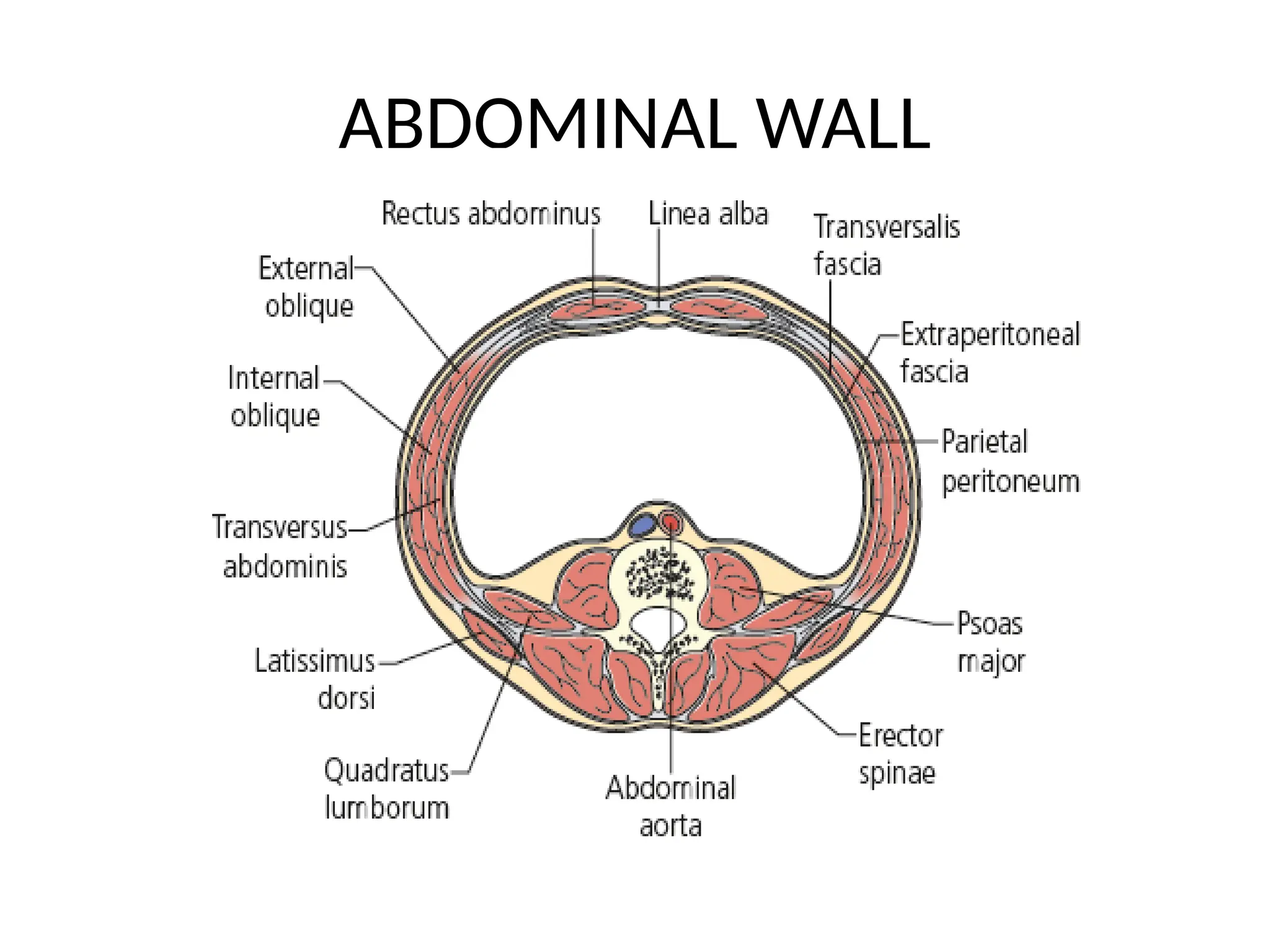
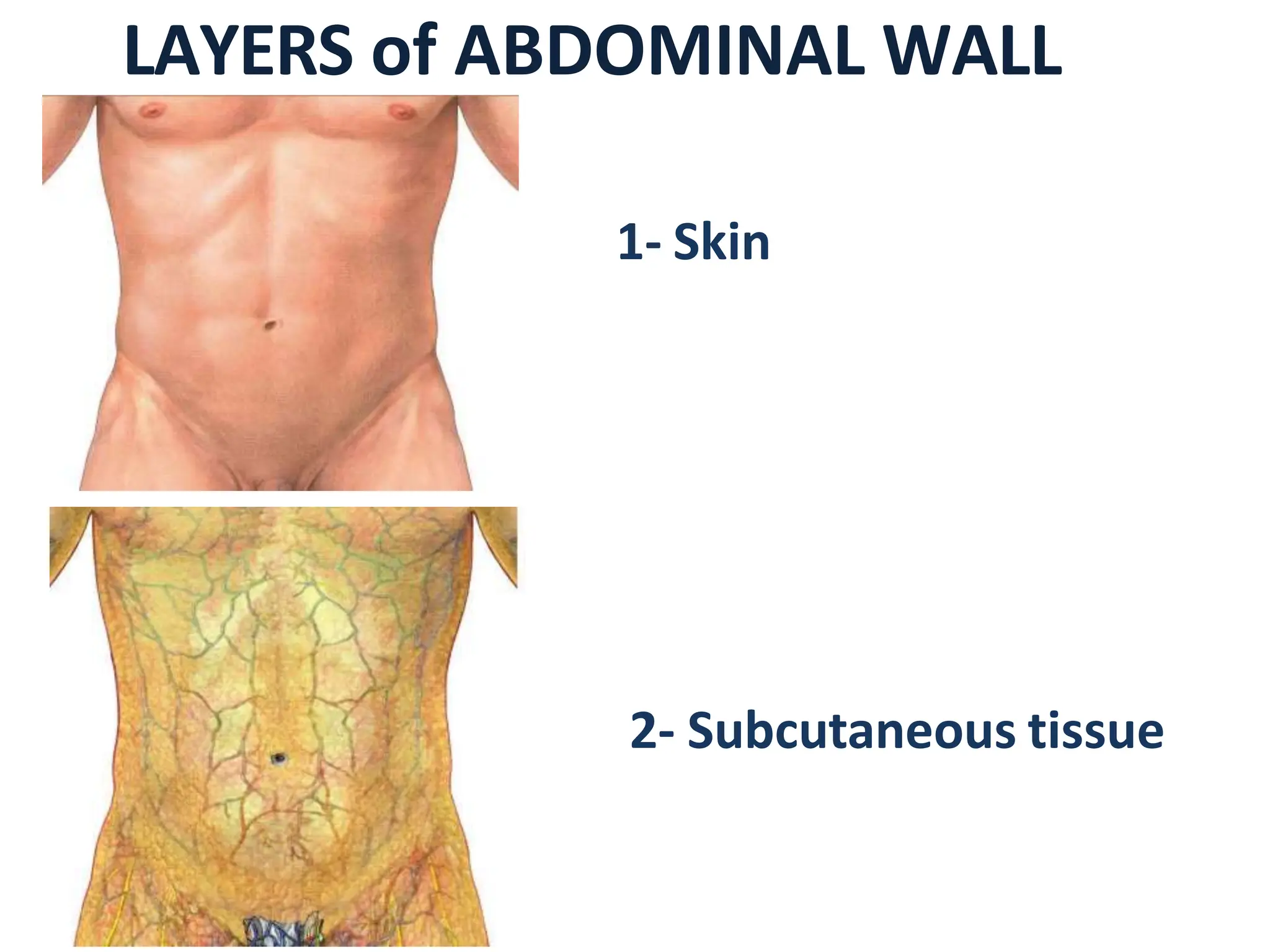
To accurately identify changes, one must first understand the structural components of the abdominal wall and cavity. The abdomen is typically divided into four quadrants or nine specific regions to help clinicians localize symptoms. Changes can occur within the skin (integumentary), the adipose tissue (fat), the musculature (abdominal wall), or the visceral organs themselves.
The Abdominal Wall and Musculature
The "core" consists of the rectus abdominis (the "six-pack" muscles), the internal and external obliques, and the transverse abdominis. Changes here often manifest as diastasis recti, where the connective tissue between the rectus muscles thins and stretches, often seen after pregnancy or significant weight fluctuations. This can create a "pooch" or ridge that becomes visible when straining.
Adipose Tissue Distribution
As of 2026, metabolic research continues to highlight the difference between subcutaneous fat (located just under the skin) and visceral fat (located deep within the abdominal cavity around organs). A sudden change in abdominal girth without significant lifestyle changes can indicate an increase in visceral fat, which is metabolically active and linked to higher risks of cardiovascular disease and type 2 diabetes.
The Visceral Environment
Internal changes involve the stomach, intestines, liver, gallbladder, and spleen. These are often felt rather than seen. For example, hepatomegaly (enlarged liver) or splenomegaly (enlarged spleen) may present as a feeling of fullness or pressure in the upper quadrants long before a visible bulge appears.
Common Causes of Physical Abdominal Alterations
Physical changes in the abdomen are rarely caused by a single factor. They are typically the result of a combination of hormonal shifts, digestive health, and musculoskeletal integrity.
Digestive Distension and Bloating
One of the most frequent abdominal changes is distension. Unlike fat accumulation, distension is often transient, worsening throughout the day and improving overnight. Common drivers include:
- Small Intestinal Bacterial Overgrowth (SIBO): An excess of bacteria in the small intestine leading to gas production.
- Food Intolerances: Modern diagnostic tools in 2026 have made it easier to identify sensitivities to fermentable oligosaccharides, disaccharides, monosaccharides, and polyols (FODMAPs).
- Slowing Motility: Changes in the "migrating motor complex" can lead to stool retention and gas buildup.
Hormonal and Life-Stage Shifts
Pregnancy is the most profound cause of abdominal change, involving skin stretching, muscle separation, and organ displacement. However, even outside of pregnancy, hormonal fluctuations—such as those seen in perimenopause or polycystic ovary syndrome (PCOS)—can lead to "hormonal belly," characterized by increased central adiposity due to insulin resistance or cortisol spikes.
Herniation
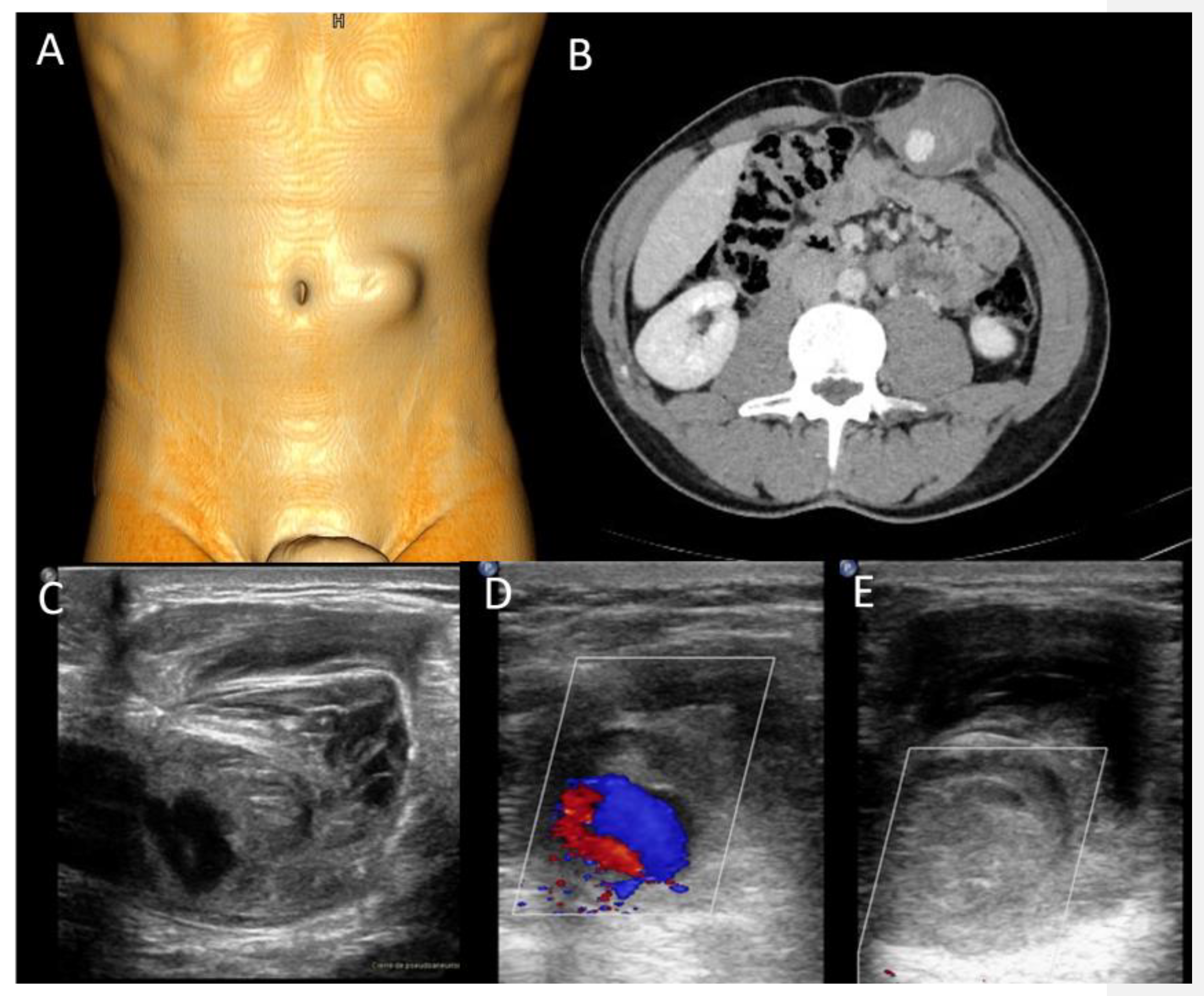
An abdominal hernia occurs when an organ or fatty tissue squeezes through a weak spot in the surrounding muscle or connective tissue. These changes are usually localized and may appear as a lump that disappears when lying down but protrudes when coughing or lifting.
Distinguishing Between Benign and Pathological Changes
While many changes are related to lifestyle or temporary digestive upset, certain "red flag" symptoms indicate that the change requires urgent medical attention.
| Type of Change | Common Characteristics | Potential Concern | Action Required |
|---|---|---|---|
| Transient Bloating | Fluctuates daily; related to meals. | Food intolerance or IBS. | Monitor diet; consult GP if persistent. |
| Firm, Localized Lump | Does not move; may be painful or painless. | Hernia, lipoma, or tumor. | Medical imaging (Ultrasound/CT). |
| Rapid Girth Increase | Tight skin; may include "fluid wave." | Ascites (fluid buildup). | Urgent clinical evaluation. |
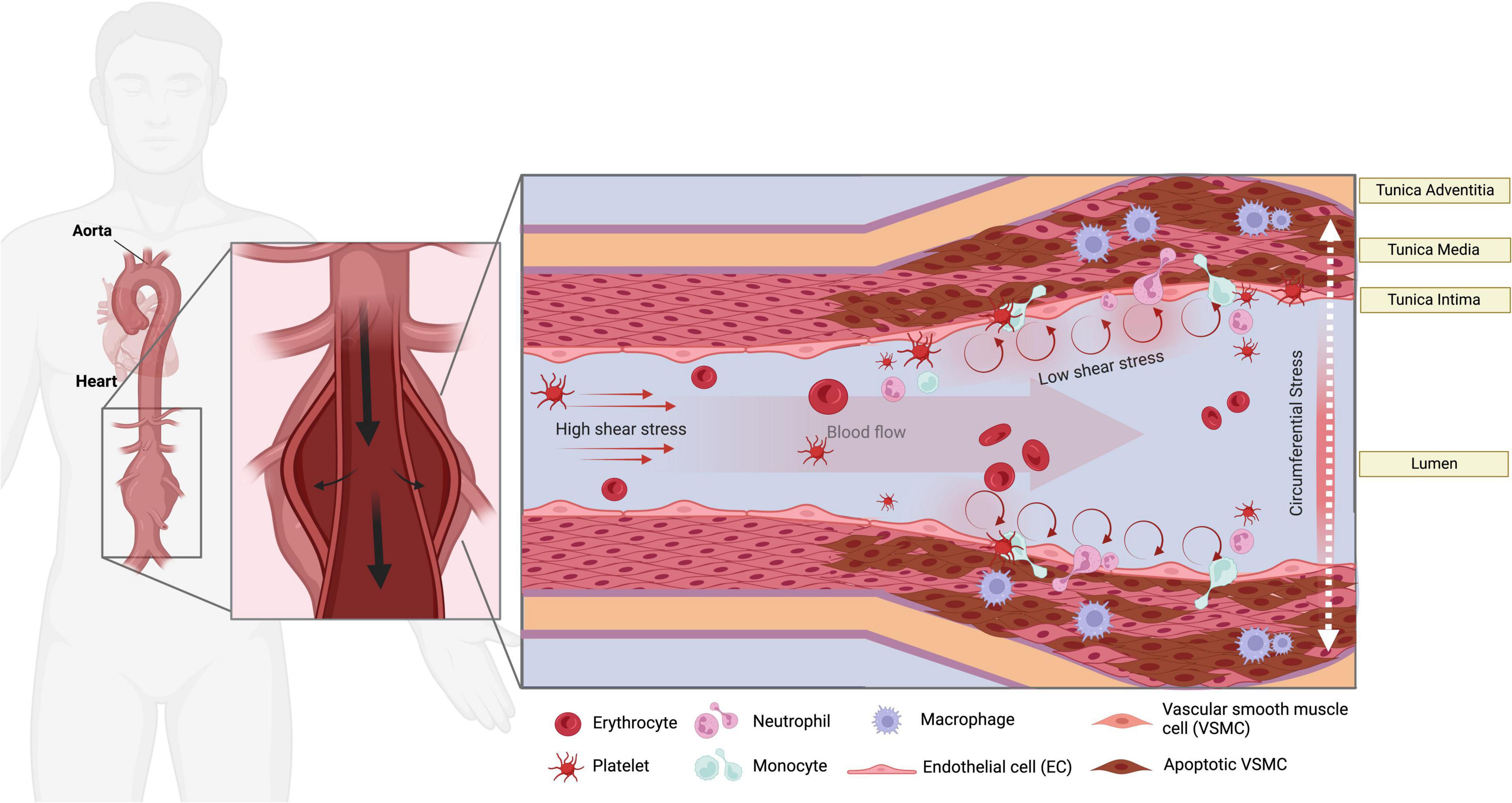
| Visible Pulsation | Rhythmic pulsing near the navel. | Abdominal Aortic Aneurysm (AAA). | Immediate medical screening. |
| Muscle Ridge | Vertical bulge when sitting up. | Diastasis Recti. | Physical therapy or core rehab. |
When to Seek Immediate Care
In 2026, the clinical guidelines for abdominal changes emphasize early screening. You should contact a healthcare provider immediately if abdominal changes are accompanied by:
- Unintended weight loss: Dropping weight without effort alongside abdominal growth.
- Jaundice: Yellowing of the skin or eyes.
- Changes in bowel habits: Persistent constipation, diarrhea, or blood in the stool.
- Severe pain: Sharp or stabbing pain that prevents normal movement.
Functional Changes: The Gut-Brain Axis and Microbiome
Abdominal changes are not always structural; they can also be functional. The "gut-brain axis" describes the bidirectional communication between the central nervous system and the enteric nervous system. Stress and anxiety can manifest as physical changes in the abdomen, such as "tightness" or altered peristalsis (the movement of the digestive tract).
Advancements in microbiome sequencing as of 2026 have revealed that changes in the diversity of gut bacteria can lead to chronic low-grade inflammation. This inflammation can cause the abdominal wall to appear "puffy" or distended, a condition often referred to in clinical settings as metabolic endotoxemia. Addressing these functional changes often requires a multidisciplinary approach involving nutritionists, gastroenterologists, and sometimes behavioral therapists.
Medical Evaluation and Diagnostic Procedures
If you notice persistent abdominal changes, a healthcare professional will follow a standardized diagnostic path to rule out serious conditions.
Physical Examination
The first step is always palpation and auscultation. The doctor will feel for masses, tenderness, or organ enlargement and listen for bowel sounds. They will also check for the "fluid wave" test if ascites is suspected.
Imaging Technology in 2026
Modern diagnostics have become significantly more precise.
- High-Resolution Ultrasound: Often the first line of defense for checking the gallbladder, liver, and kidneys.
- Low-Dose CT Scans: Used to provide a detailed cross-sectional view of the abdominal cavity.
- MRI Enterography: Specifically used to visualize the small intestine in cases of suspected Crohn’s disease or complex obstructions.
Laboratory Testing
Blood panels remain a cornerstone of diagnosis. In 2026, clinicians frequently look at liver function tests (LFTs), inflammatory markers like C-reactive protein (CRP), and pancreatic enzymes. Furthermore, stool elastase and calprotectin tests help differentiate between functional issues like IBS and inflammatory issues like IBD.
Lifestyle Interventions and Management Strategies
Managing abdominal changes often begins with conservative lifestyle adjustments. For structural changes like minor diastasis recti or bloating, non-surgical interventions are often highly effective.
Nutritional Adjustments
Reducing the intake of processed inflammatory foods and focusing on fiber diversity can stabilize abdominal girth. In 2026, "personalized nutrition" based on glucose monitoring and microbiome testing has become a standard tool for managing abdominal distension. Increasing hydration is also critical, as dehydration can lead to water retention in the abdominal tissues.
Targeted Physical Therapy
For changes related to the abdominal wall, such as muscle weakness or separation, specific core-stabilization exercises are preferred over traditional crunches. Physical therapists often use "hypopressive" exercises, which focus on breathwork and the transverse abdominis to "cinch" the waist and support internal organs naturally.
Stress and Sleep Management
Because cortisol (the stress hormone) promotes visceral fat storage in the abdomen, managing sleep hygiene and stress is a clinical necessity for reversing metabolic abdominal changes. Aiming for 7–9 hours of quality sleep helps regulate the hormones that control hunger and fat distribution.
Surgical Options
When changes are pathological—such as large hernias, significant diastasis recti that causes back pain, or tumors—surgery may be necessary. Robotic-assisted laparoscopic surgery is the gold standard in 2026, offering shorter recovery times and minimal scarring for patients requiring abdominal wall reconstruction.
Frequently Asked Questions
Why has my stomach shape changed even though my weight is the same?
This is often due to a shift in body composition or muscle integrity. As we age, muscle mass may decrease while visceral fat increases, even if the number on the scale remains constant. Additionally, postural changes like anterior pelvic tilt can make the abdomen appear more prominent. Structural issues like diastasis recti can also change the "silhouette" of the abdomen without changing body weight.
Can stress cause actual physical changes in the abdomen?
Yes. Chronic stress triggers the release of cortisol, which is directly linked to the accumulation of visceral fat—fat stored deep within the abdominal cavity. Furthermore, stress affects the nervous system’s control over digestion, leading to slowed motility and increased bloating, which can physically distend the abdominal wall.
How can I tell the difference between bloating and fat?
Bloating is usually temporary and fluctuates throughout the day, often feeling "tight" or "hard" to the touch. It may be accompanied by gas or digestive discomfort. Abdominal fat is typically soft, pliable, and consistent regardless of the time of day or what you have eaten. If the "fullness" does not resolve after a night's sleep, it is more likely to be adipose tissue or a structural change.
Is it normal for the abdomen to change after age 40?
It is common, but "normal" depends on the cause. Perimenopause and menopause in women, and a drop in testosterone in men, can lead to a redistribution of fat toward the midsection. While common, these changes should still be monitored to ensure they aren't masking metabolic issues like insulin resistance or fatty liver disease, which become more prevalent in middle age.
What does it mean if my abdomen feels hard to the touch?
A "rigid" or hard abdomen can be a sign of guarding, which is the body's natural response to internal inflammation or infection (like appendicitis). If the hardness is localized and persistent, it could be a hernia or a mass. If it is generalized and accompanied by pain, it is a medical emergency. However, a hard abdomen can also simply be a sign of severe gas distension.
Monitoring Your Progress and Next Actions
The most effective way to manage abdominal changes is through consistent self-monitoring and professional consultation. Start by keeping a "symptom diary" for two weeks, noting what you eat, your stress levels, and when the abdominal changes are most visible. This data is invaluable for your healthcare provider.
If you are concerned about a specific change, schedule a physical exam. In 2026, many clinics offer "abdominal health screenings" that combine physical palpation with quick ultrasound checks to provide peace of mind or an early diagnosis. Prioritize core-strengthening exercises that protect the abdominal wall and focus on a high-fiber, anti-inflammatory diet to support your internal microbiome. Taking proactive steps today ensures that minor abdominal changes do not develop into long-term health challenges.