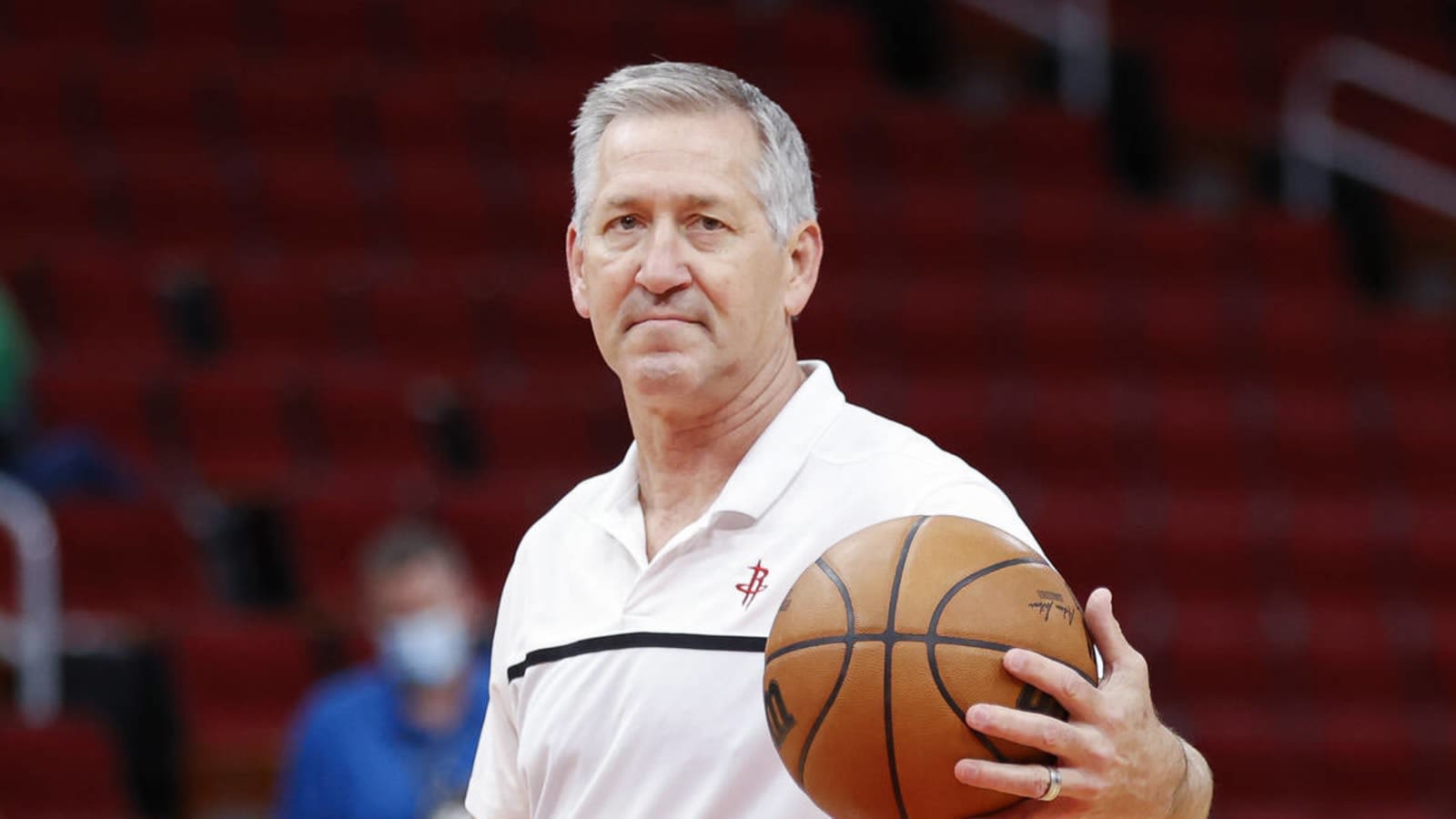
Jeff Hornacek, the father of Fox Nation host Abby Hornacek, is a former NBA All-Star and head coach whose legacy is defined by a 14-season playing career with the Phoenix Suns, Philadelphia 76ers, and Utah Jazz. Beyond his statistical achievements and coaching tenures with the Suns and New York Knicks, his story is one of a "walk-on" mentality that deeply influenced his daughter’s resilient media career.
As of 2026, the name Hornacek remains synonymous with professional integrity and a relentless work ethic. While Abby Hornacek has carved out a significant niche in lifestyle and travel journalism through her work on Fox Nation, the foundation of her success is inextricably linked to the lessons learned from her father’s journey. Jeff Hornacek’s story is not just one of basketball; it is a blueprint for overachieving through precision, preparation, and family-first values.
The Walk-On Origins: Jeff Hornacek’s Early Life and Iowa State Years
The "Hornacek Story" begins far from the bright lights of NBA arenas. Born in Elmhurst, Illinois, Jeff Hornacek was never the most recruited athlete. His path to professional sports was unconventional and serves as the primary inspiration for the "never-give-up" attitude Abby frequently references in her broadcasts.
Jeff attended Iowa State University, where he initially joined the basketball team as a non-scholarship walk-on in 1982. This period of his life was transformative. Lacking the raw athleticism of his peers, Jeff focused on technical perfection, particularly his shooting form. By the time he finished his collegiate career, he had led the Cyclones to the Sweet Sixteen and had his jersey number 14 retired by the university.
This "walk-on" narrative is a cornerstone of the Hornacek family legacy. It established a precedent that success is not a birthright but something earned through repetitive, often unglamorous, hard work. For Abby, watching her father transition from an overlooked recruit to a collegiate legend provided a roadmap for her own entry into the competitive world of sports media and broadcasting.
NBA Excellence: From Phoenix to Philadelphia and Utah
Jeff Hornacek was drafted in the second round of the 1986 NBA Draft by the Phoenix Suns. His professional playing career is often divided into three distinct chapters, each contributing to his reputation as one of the most efficient guards in the history of the league.
The Phoenix Suns Era (1986–1992)
In Phoenix, Jeff blossomed into an All-Star. He was part of a dynamic backcourt that turned the Suns into a perennial Western Conference contender. His 1991–1992 season was a statistical masterpiece, where he averaged over 20 points per game while maintaining elite shooting percentages. However, his time in Phoenix ended in one of the most significant trades in NBA history—the deal that sent him to Philadelphia in exchange for Charles Barkley.
The Philadelphia 76ers Transition (1992–1994)
Jeff’s time with the 76ers was relatively brief but showcased his adaptability. Despite playing for a struggling team, he remained a model of consistency. His professionalism during this transition period—moving his young family across the country—highlighted the "family-first" approach that Abby Hornacek frequently highlights when discussing her upbringing.
The Utah Jazz and the Finals Runs (1994–2000)
Jeff Hornacek’s most iconic years came in Utah. Playing alongside Hall of Famers John Stockton and Karl Malone, Jeff was the "missing piece" for a Jazz team that reached back-to-back NBA Finals in 1997 and 1998. He became famous for his legendary free-throw routine—stroking the side of his face three times before every shot to say "hello" to his three children, Tyler, Ryan, and Abby.
This routine was more than a quirk; it was a public declaration of his priorities. Even in the high-stakes environment of the NBA Finals against Michael Jordan’s Bulls, Jeff’s focus remained on his family. This gesture is often cited by Abby as a symbol of how her father balanced a demanding professional life with his role as a parent.
Statistical Profile of Jeff Hornacek’s NBA Career
To understand the magnitude of the legacy Abby Hornacek represents, one must look at the efficiency with which her father played the game. Jeff was a member of the elite "50-40-90" club considerations, frequently leading the league in free-throw percentage and three-point accuracy.
| Category | Career Average/Total | Notable Achievement |
|---|---|---|
| Points Per Game | 14.5 | Peaked at 20.1 PPG in 1991-92 |
| Free Throw % | 87.7% | Led NBA in 1999-2000 (95.0%) |
| 3-Point % | 40.3% | Two-time NBA 3-Point Contest Champion |
| Games Played | 1,077 | Known for durability and "Iron Man" reputation |
| NBA All-Star | 1992 | Represented the Western Conference |
Transition to the Sidelines: The Coaching Chapters
Following his retirement as a player in 2000, Jeff Hornacek eventually moved into coaching, bringing his analytical mind to the bench. His coaching career provided Abby with a front-row seat to the complexities of leadership and the volatility of professional sports.
He served as the head coach for the Phoenix Suns (2013–2016), where he was the runner-up for the NBA Coach of the Year award in his first season. Later, he took the helm of the New York Knicks (2016–2018). While his coaching tenures were marked by the typical ups and downs of the industry, Jeff was consistently praised for his communication skills and his ability to develop young talent.
For Abby, seeing her father navigate the intense scrutiny of the New York media market was an education in itself. It prepared her for the high-pressure environment of national news and lifestyle broadcasting, teaching her how to maintain composure under the spotlight.
The Intersection of Father and Daughter: Abby’s Story
Abby Hornacek did not simply ride her father’s coattails; she inherited his competitive spirit and applied it to a different arena. Originally a gifted athlete herself, Abby played volleyball at the University of Southern California (USC). However, her path was altered by a serious eye injury that required multiple surgeries and ultimately ended her dreams of playing professionally.
During this period of physical and emotional recovery, Jeff’s influence was paramount. He had faced his own share of injuries and setbacks in the NBA, and he guided Abby through the transition from the court to the camera. Abby pivoted to sports journalism and lifestyle hosting, eventually landing at Fox Nation.
Her flagship shows, such as PARK'D, where she explores America's National Parks, and Ride to Work, where she interviews Fox News personalities, showcase a rugged, adventurous side that mirrors her father’s "tough it out" mentality. Whether she is hiking a difficult trail or conducting a high-profile interview, the technical preparation she puts into her work is a direct reflection of Jeff’s meticulous preparation for NBA games.
Resilience and the Hornacek Family Values
In 2026, the Hornacek legacy is viewed through the lens of resilience. Jeff’s ability to reinvent himself—from a walk-on to an All-Star, and from a player to a coach—provided the blueprint for Abby’s own reinvention after her injury.
The family has remained remarkably tight-knit. They are frequently seen supporting one another’s ventures, whether Jeff is appearing on Abby’s shows or Abby is sharing throwback photos of her father’s playing days. This bond has created a brand that is respected across both sports and media circles for its authenticity.
Jeff Hornacek’s story is a reminder that the most enduring legacies aren't just about trophies or stats; they are about the values passed down to the next generation. By instilling a sense of humility and a relentless drive in Abby, Jeff ensured that the Hornacek name would remain influential long after he stopped coaching on the sidelines.
Frequently Asked Questions
Why did Jeff Hornacek rub his face during free throws?
Jeff Hornacek rubbed the right side of his face three times before every free throw as a secret signal to his three children—Tyler, Ryan, and Abby. It was his way of saying "I love you" to them during televised games, letting them know they were on his mind even in the heat of competition.
What happened to Abby Hornacek’s eye?
Abby Hornacek suffered a severe injury to her right eye while playing volleyball in college. The injury resulted in the loss of peripheral vision and required several intensive surgeries. This event was a turning point in her life, leading her to transition from competitive sports to a career in sports media and broadcasting.
Was Jeff Hornacek ever an NBA champion?
While Jeff Hornacek never won an NBA championship as a player, he came incredibly close, reaching the NBA Finals twice with the Utah Jazz in 1997 and 1998. In both instances, the Jazz were defeated by the Michael Jordan-led Chicago Bulls in six games.
How did Jeff Hornacek influence Abby’s career in media?
Jeff influenced Abby primarily through his work ethic and his ability to handle media pressure. Growing up in the NBA environment, Abby learned how to analyze sports and conduct herself professionally. Jeff also encouraged her to find her own path when her athletic career was cut short, helping her apply her competitive drive to broadcasting.
Where is Jeff Hornacek now in 2026?
By 2026, Jeff Hornacek has largely stepped back from the grind of full-time coaching, often appearing as a guest analyst or participating in NBA alumni events. He remains a significant mentor to his daughter and is frequently involved in charitable endeavors in the Phoenix and Salt Lake City areas.
Practical Takeaways from the Hornacek Legacy
For those looking to apply the "Hornacek Story" to their own lives or professional journeys, several key themes emerge:
- The "Walk-On" Mentality: You don't need to be the most talented person in the room if you are the most prepared. Jeff’s rise from a non-scholarship player to an NBA star proves that technical mastery and persistence can bridge the gap in raw talent.
- Balancing Family and Career: Success is hollow without someone to share it with. Jeff’s free-throw tribute remains one of the most heartwarming examples of maintaining family connections in a high-pressure career.
- Pivoting After Setbacks: Abby’s transition from athlete to broadcaster demonstrates that an ending in one field can be the beginning of something greater in another. Resilience isn't just about bouncing back; it's about moving forward in a new direction.
- Professional Integrity: Throughout their careers, both Jeff and Abby have maintained a reputation for being "true pros." In any industry, reliability and a positive attitude are as valuable as technical skill.