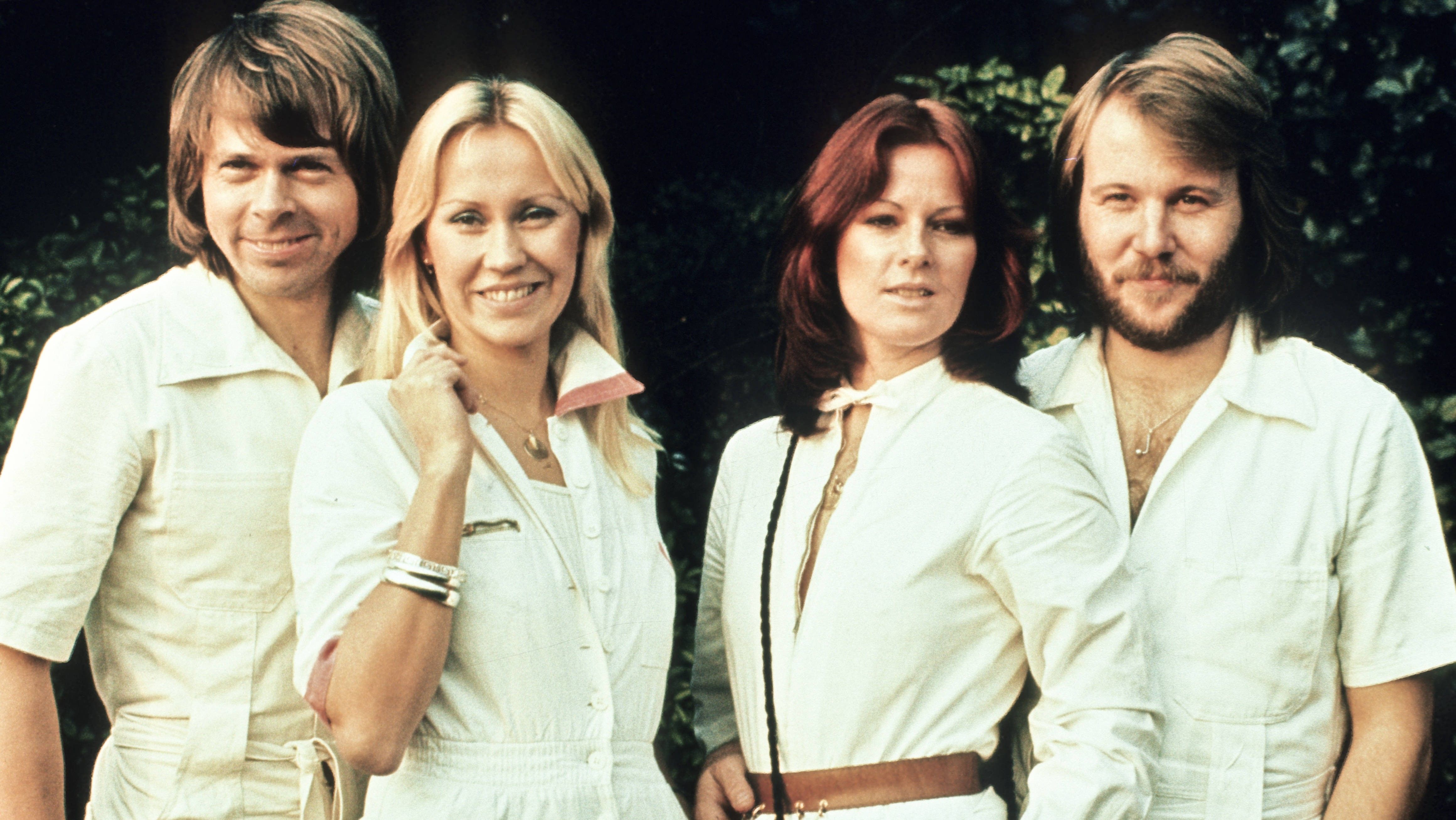
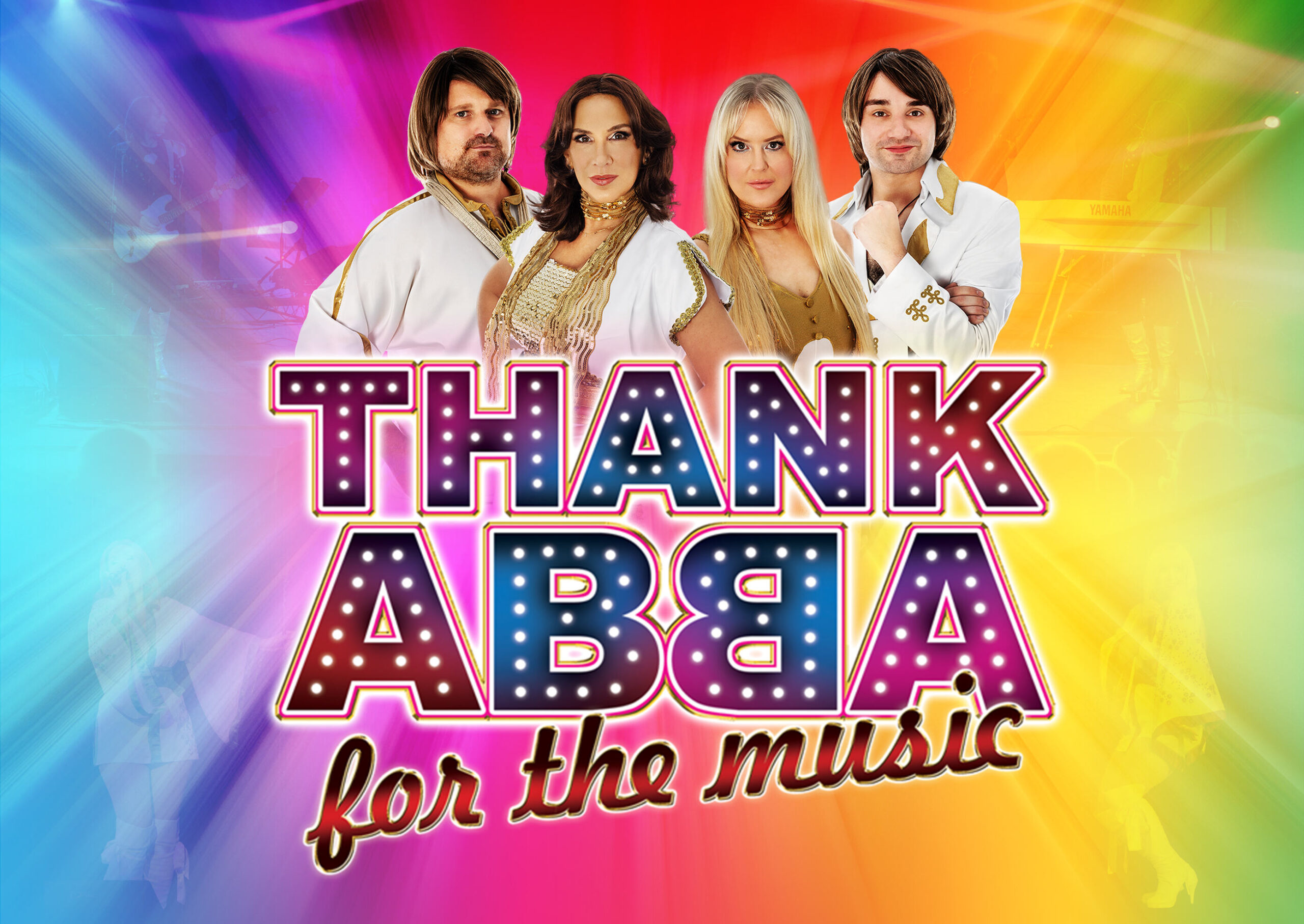
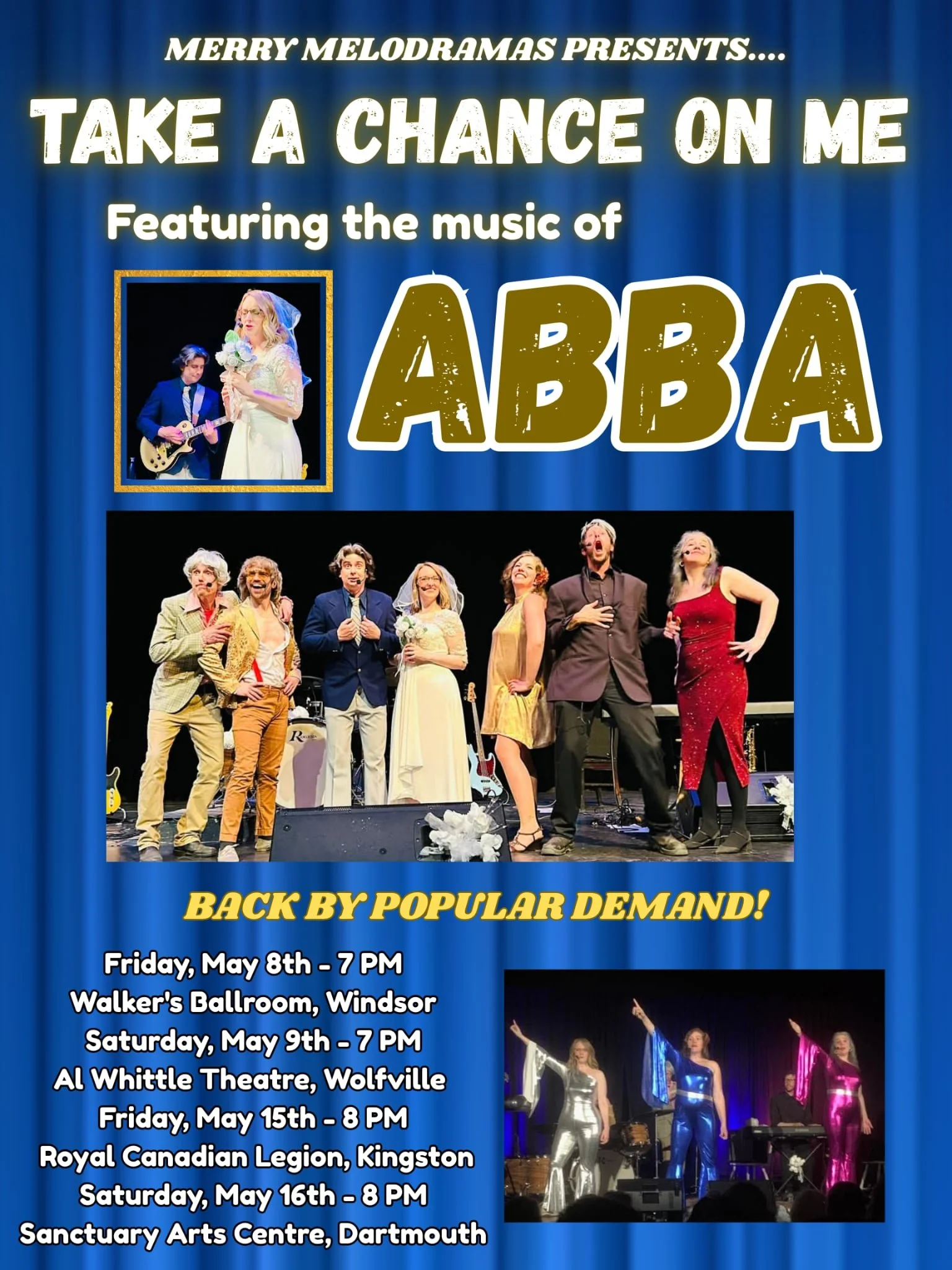
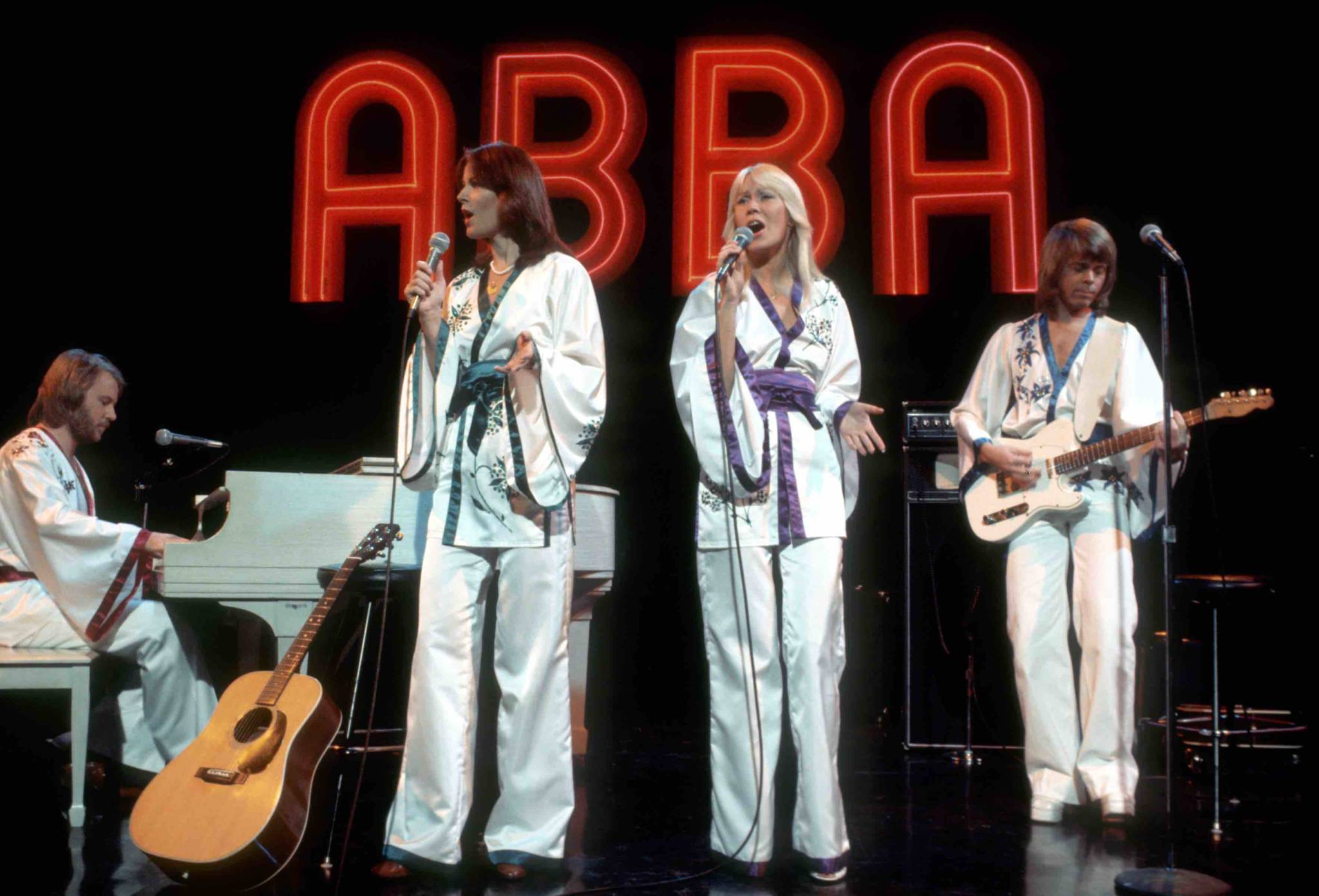
The definitive ABBA musical is Mamma Mia!, a juggernaut of the "jukebox musical" genre that utilizes the iconic discography of ABBA to tell an original story of love, family, and identity. Since its 1999 debut, it has expanded into a global franchise, including two record-breaking films and an immersive dining experience, Mamma Mia! The Party.
The Genesis and Evolution of the ABBA Musical
The story of the ABBA musical begins not with a script, but with a vision by producer Judy Craymer. In the early 1980s, Craymer met Björn Ulvaeus and Benny Andersson while they were working on the musical Chess. She became convinced that the theatrical potential of their pop songs—specifically the storytelling inherent in "The Winner Takes It All"—could sustain a full-scale stage production. It took over a decade of persistence to convince the duo to grant the rights to their music.
Unlike traditional musicals where the music is written for the plot, Mamma Mia! pioneered the modern jukebox format by retrofitting a narrative to existing hits. Playwright Catherine Johnson was tasked with creating a story that didn't mention the band ABBA but captured the emotional resonance of their lyrics. The result premiered at the Prince Edward Theatre in London's West End on April 6, 1999. By 2026, the production remains one of the longest-running musicals in history, having been seen by over 65 million people worldwide in more than 50 productions and 16 different languages.
The success of the stage show paved the way for the 2008 film adaptation, starring Meryl Streep, which became a cultural phenomenon in its own right. This was followed by the 2018 sequel/prequel Mamma Mia! Here We Go Again. These films didn't just replicate the stage show; they expanded the "ABBA-verse," introducing the music to a younger generation and cementing the brand's place in the 21st-century entertainment landscape.
Narrative Structure: Plot, Themes, and Character Arcs
The core of the ABBA musical is a story set on the fictional Greek island of Kalokairi. The plot centers on 20-year-old Sophie Sheridan, who is preparing for her wedding. Having grown up without knowing her father, she discovers her mother Donna’s old diary and learns that there are three possible candidates: Sam Carmichael, Bill Austin, and Harry Bright. Sophie invites all three to the wedding without telling Donna, hoping she will recognize her father instantly.
The Emotional Core: Donna and the Dynamos
While the "whodunnit" fatherhood plot provides the momentum, the emotional weight of the show rests on Donna Sheridan. Donna is a fiercely independent single mother and former lead singer of "Donna and the Dynamos." Her character explores themes of female empowerment, the sacrifices of motherhood, and the lingering "what-ifs" of past romances. When her two best friends and former bandmates, Rosie and Tanya, arrive on the island, the show shifts into an exploration of lifelong female friendship.
Youth vs. Experience
The musical creates a parallel between Sophie’s idealism and Donna’s pragmatism. Sophie seeks a traditional wedding and a father figure to "complete" her identity, while Donna represents the bohemian spirit of the 1970s that eventually had to face the realities of adult responsibility. This generational bridge is one of the primary reasons the show appeals to such a broad demographic; older audiences resonate with Donna’s nostalgia, while younger viewers identify with Sophie’s quest for self-discovery.
The Soundtrack: Strategic Integration of ABBA’s Hits
The brilliance of the ABBA musical lies in how Benny Andersson and Björn Ulvaeus’s songs are woven into the dialogue. The lyrics are rarely changed, yet they take on entirely new meanings within the context of the story.
- "Money, Money, Money": Used to establish Donna’s financial struggles running a crumbling taverna.
- "Chiquitita" and "Dancing Queen": These are used as "cheer-up" anthems for Donna, performed by Rosie and Tanya, transforming pop hits into intimate moments of friendship.
- "The Winner Takes It All": This serves as the show's emotional climax. In the context of the musical, it is a confrontation between Donna and Sam regarding their failed past relationship, elevating the song from a pop ballad to a powerful theatrical soliloquy.
- "Does Your Mother Know": This is cleverly recontextualized as Tanya rebuffing the advances of a much younger man (Pepper), adding a layer of comedic social commentary.
The arrangements for the stage often involve a more robust, "Broadway" sound than the original studio recordings, featuring live pits that include keyboards, guitars, and percussion to mimic the wall-of-sound production style characteristic of ABBA’s original 1970s tracks.
Comparing ABBA-Themed Theatrical Experiences
In 2026, fans looking for an "ABBA musical" have several distinct options. While Mamma Mia! is the primary book musical, other productions offer different ways to engage with the music.
| Feature | Mamma Mia! (Stage Show) | Mamma Mia! The Party | ABBA Voyage |
|---|---|---|---|
| Format | Traditional Book Musical | Immersive Dining Experience | Virtual Concert (Avatar) |
| Storyline | Scripted narrative about Sophie/Donna | Meta-narrative set in a Greek Taverna | No plot; concert simulation |
| Audience Role | Seated observer | Participant / Diner | Concert-goer (Seated or Dance Floor) |
| Music Delivery | Live cast & orchestra | Live cast & backing tracks | Live band with digital vocals |
| Duration | Approx. 2.5 hours | Approx. 4 hours | Approx. 90 minutes |
| Venue Type | Proscenium Theatre | Custom-built Taverna Arena | Purpose-built ABBA Arena |
Mamma Mia! The Party
Created by Björn Ulvaeus, this experience debuted in Stockholm before moving to London’s O2. It is not a traditional musical but a "theatrical dining experience." Guests are served a Mediterranean meal while a separate story—concerning the owner of a taverna and his family—unfolds around them. It concludes with an ABBA disco, blurring the lines between theater and nightlife.
ABBA Voyage
While technically a concert, ABBA Voyage is often grouped with musicals due to its residency format and theatrical lighting/staging. Using "ABBAtars" (digital versions of the band members as they appeared in 1979), it utilizes motion-capture technology to create a live performance environment. It represents the "technical" evolution of the ABBA musical legacy, moving from live actors to digital icons.
Logistics for 2026: Booking, Venues, and Attendance
As of 2026, Mamma Mia! continues to hold major residencies in London (Novello Theatre) and various touring companies across North America and Europe.
Ticket Procurement
Tickets for the West End and Broadway-style tours are typically released 6–12 months in advance. Due to the show’s enduring popularity, weekend performances often sell out weeks ahead. It is recommended to use official box offices or recognized agents like TKTS for genuine pricing. Prices in 2026 generally range from £25 for restricted view seats to £150+ for premium stalls.
Age Suitability and Experience
The musical is generally considered family-friendly, though it contains suggestive humor and themes of out-of-wedlock pregnancy that might require parental guidance for very young children. Most theaters enforce a minimum age of 5. The "Finale" of the show is a famous three-song encore ("Mamma Mia," "Dancing Queen," and "Waterloo") where the audience is encouraged to stand, dance, and wear spandex or glitter, creating a concert-like atmosphere that differs from traditional musical theater etiquette.
Technical Specifications
The stage design, originally by Mark Thompson, is noted for its "less is more" approach. The set consists primarily of two mobile white-walled structures that rotate to represent the exterior and interior of the taverna. This minimalist approach allows the show to be staged in a variety of venues, from massive arenas to smaller regional theaters, without losing its Mediterranean aesthetic.
Common Questions About the ABBA Musical
Which ABBA songs are included in the musical?
The musical features 22 of ABBA's greatest hits. These include "Mamma Mia," "Dancing Queen," "Knowing Me, Knowing You," "Take a Chance on Me," "Thank You for the Music," "Money, Money, Money," "The Winner Takes It All," "Voulez-Vous," and "SOS." The selection focuses on the band's most upbeat and emotionally resonant tracks from the mid-to-late 1970s.
Is the stage musical different from the movie?
Yes, there are several key differences. The stage musical features a more streamlined plot and certain songs (like "The Name of the Game" or "Under Attack") that were either cut from or moved to different positions in the film. Additionally, the stage version relies more on the "Greek Chorus" of ensemble dancers to provide energy and transitions between scenes, whereas the film uses cinematic locations across real Greek islands.
How long does a performance of Mamma Mia! last?
A standard performance lasts approximately 2 hours and 35 minutes, including a 20-minute intermission. The show is paced quickly, with the first act lasting about 70 minutes and the second act lasting about 65 minutes (including the high-energy finale).
Who wrote the ABBA musical?
The music and lyrics were composed by Benny Andersson and Björn Ulvaeus, with some tracks co-written by Stig Anderson. The "book" (the script and story) was written by Catherine Johnson. The original production was directed by Phyllida Lloyd and produced by Judy Craymer.
Selecting Your ABBA Experience
If you are looking for a classic theatrical experience with a clear story and live vocal performances, the Mamma Mia! stage show is the gold standard. It remains the most accessible and emotionally complete version of the ABBA musical concept. For those seeking a more social, celebratory night out involving food and direct interaction, Mamma Mia! The Party is the superior choice.
Regardless of the format chosen in 2026, the enduring appeal of the ABBA musical lies in its "feel-good" factor. It successfully transitioned ABBA from a 1970s pop group into a permanent fixture of global musical theater. To ensure the best experience, always verify the specific production type before booking, as the brand now encompasses everything from traditional theater to cutting-edge digital concerts.