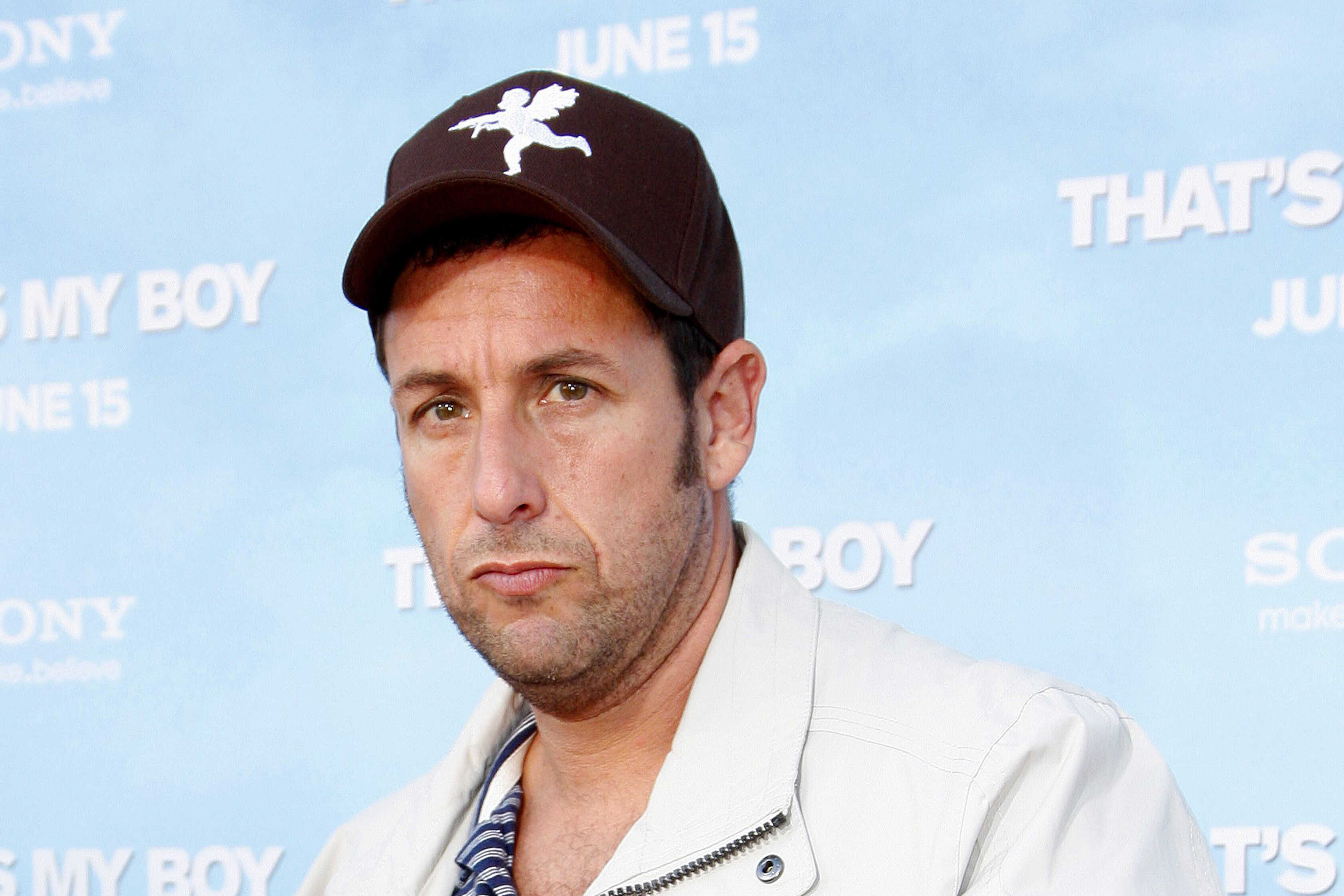
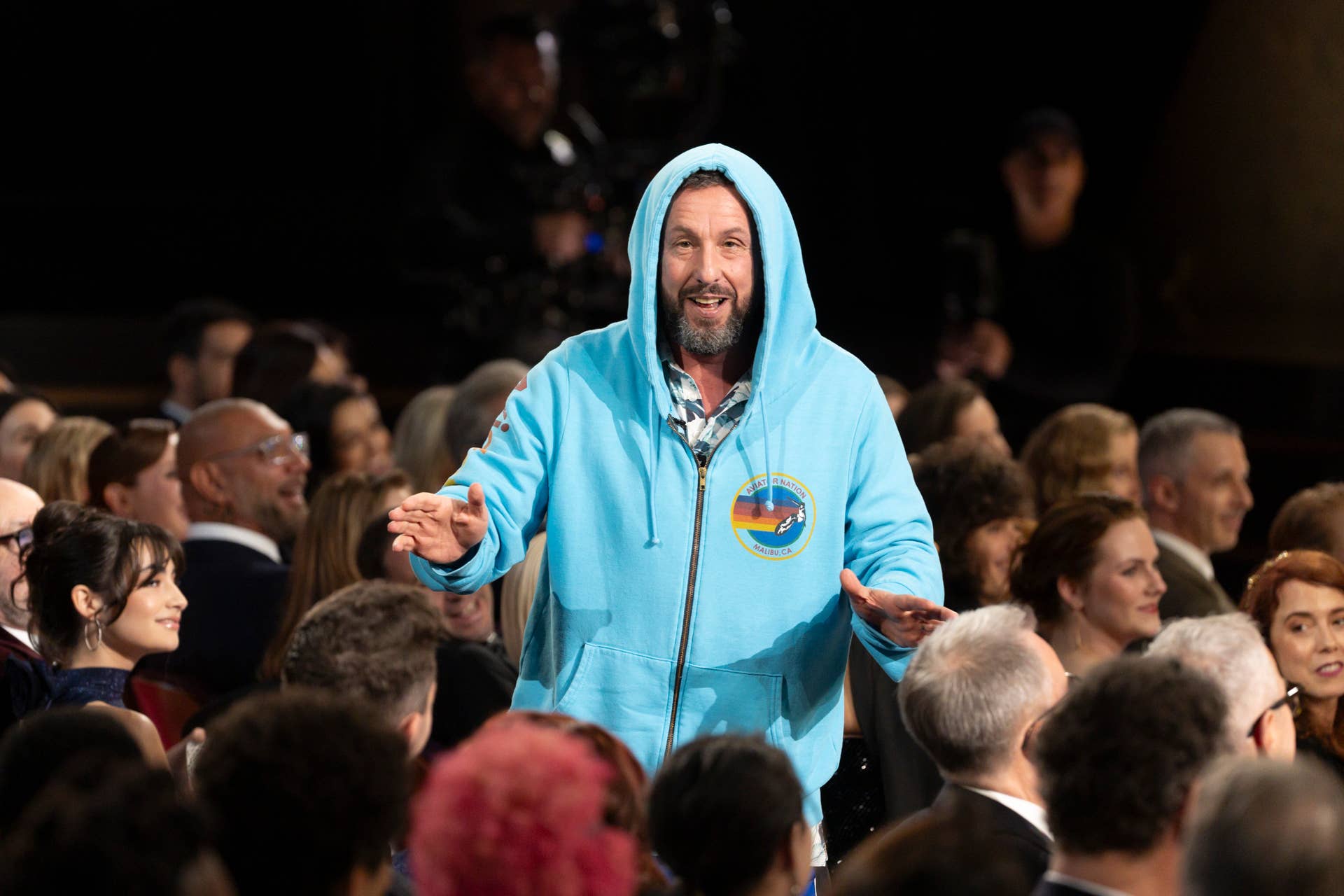
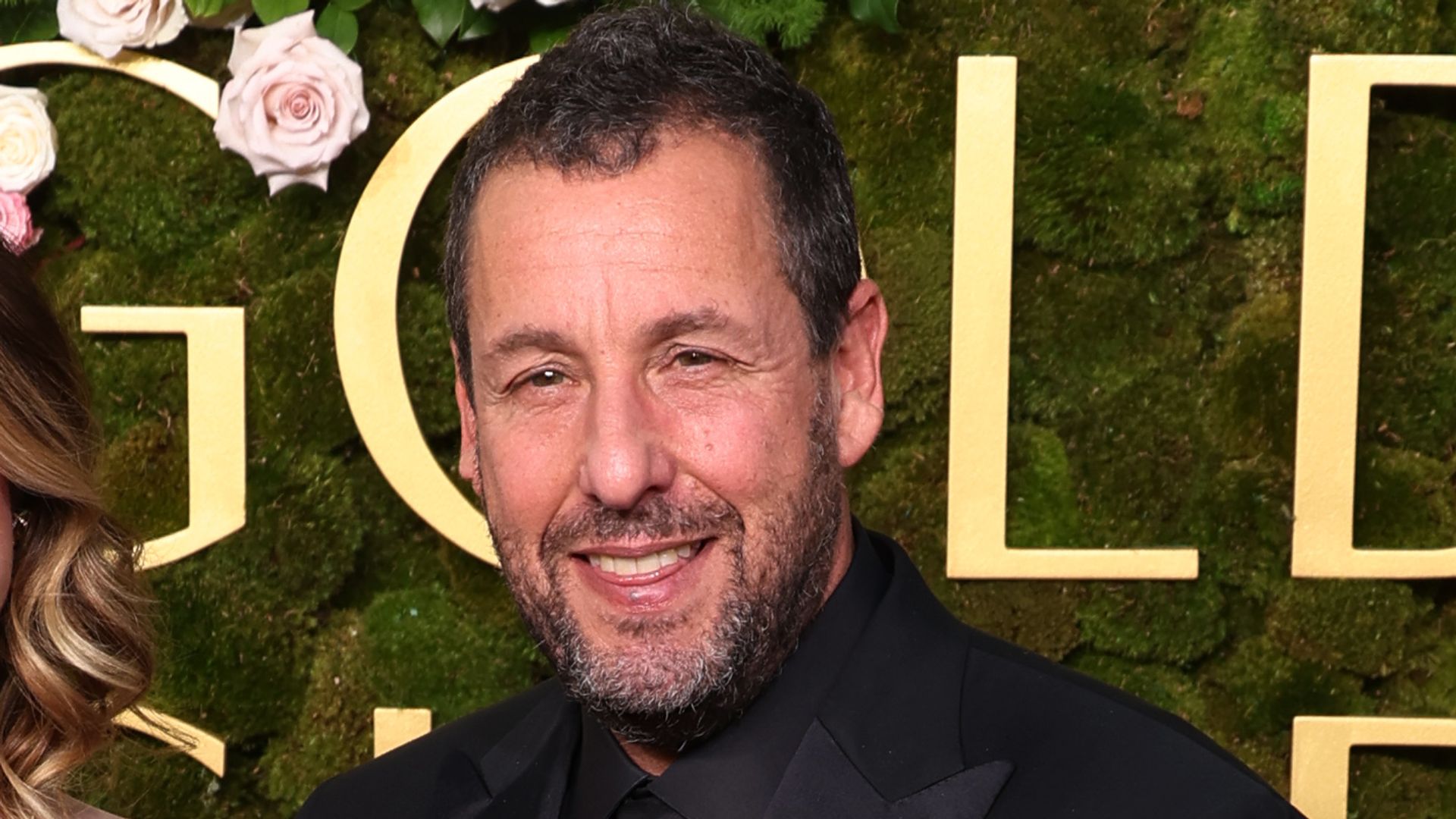
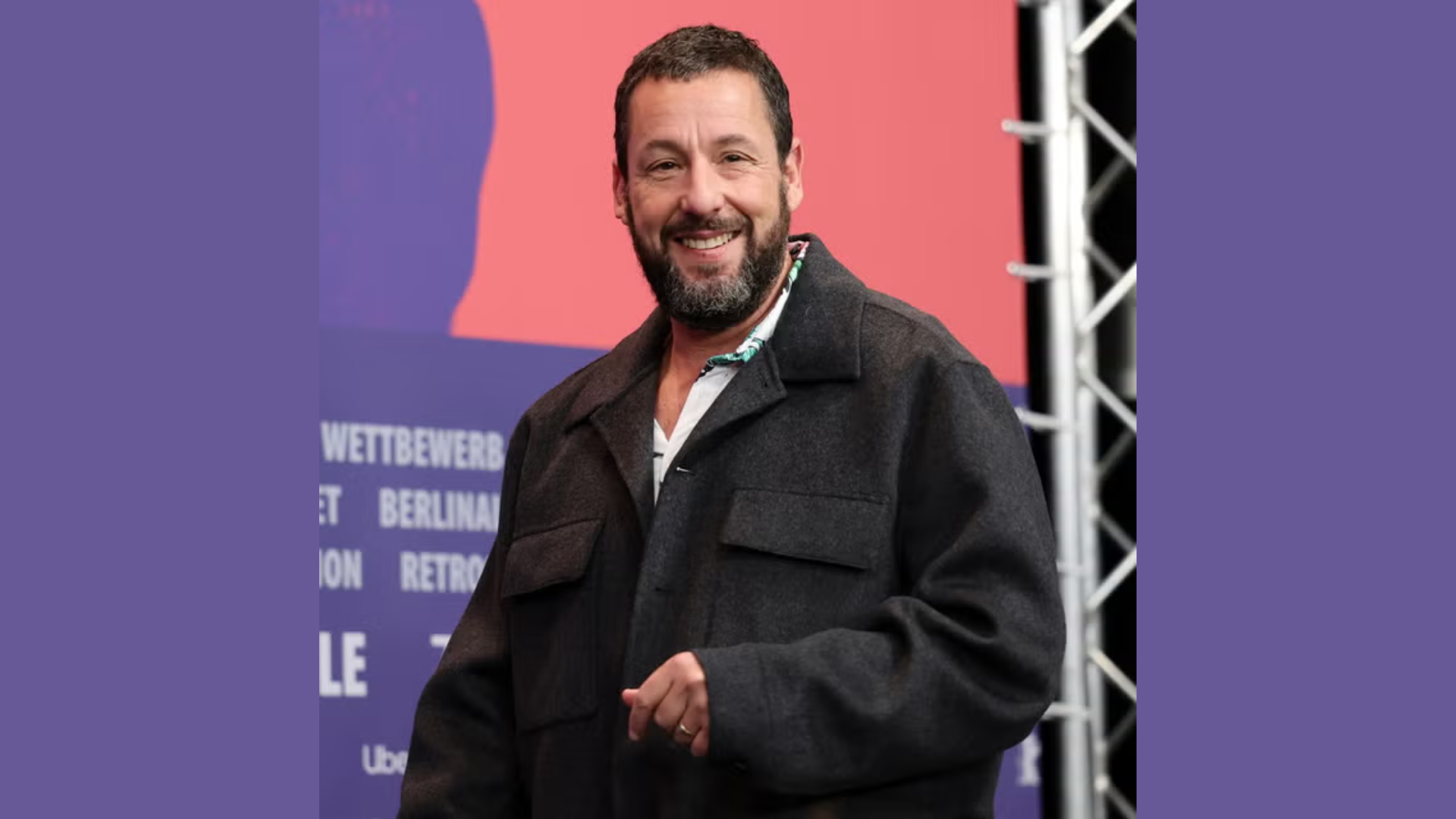
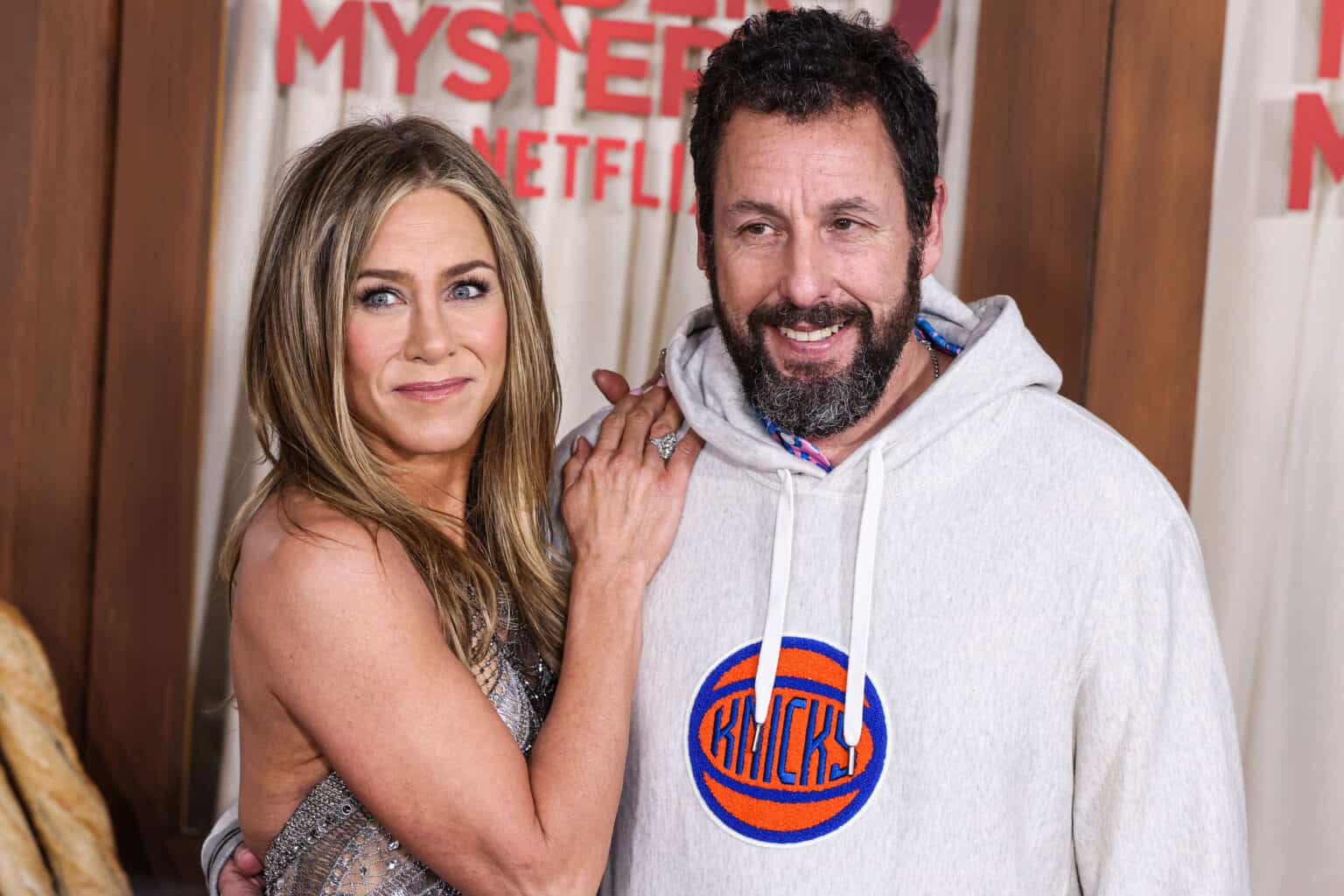
As of 2026, actor, comedian, producer, and entrepreneur Adam Sandler has an estimated net worth between $450 million and $500 million. His vast fortune stems from four decades of dominance in mainstream comedy, unprecedented multi-hundred-million-dollar streaming deals with Netflix, lucrative back-end participation profits from box-office blockbusters, and ownership of his prolific production company, Happy Madison Productions.
Defining Adam Sandler's Financial Empire
Adam Sandler stands as one of the most commercially successful figures in the history of film and television. While many comedic actors experience brief periods of box-office bankability, Sandler converted early-1990s television popularity into an enduring financial engine. Unlike stars who rely solely on upfront acting fees, Sandler recognized the long-term potential of equity, executive production, and distribution rights early in his career.
His primary wealth drivers break down into four major areas:
- High Upfront Acting Salaries: Early box-office successes earned Sandler standardized $20 million upfront paychecks per film by the late 1990s, supplemented by gross profit participation deals.
- Happy Madison Productions Ownership: Founded in 1999, his production company generates consistent revenue by producing Sandler's own star vehicles alongside projects for his recurring ensemble of comedic actors.
- The Netflix Streaming Partnership: Initialized in 2014 and expanded repeatedly across subsequent renewals, Sandler's overall output deals with Netflix stand among the richest individual talent arrangements in Hollywood history.
- Luxury Real Estate and Physical Assets: Sandler holds an extensive residential real estate portfolio concentrated in Southern California and Florida, valued at tens of millions of dollars.
From Saturday Night Live to $20 Million Paydays
Adam Sandler's career trajectory showcases a calculated transition from ensemble performer to high-earning leading man. After honing his stand-up routine and writing for The Cosby Show, Sandler joined NBC's Saturday Night Live (SNL) in 1990 as a writer, quickly transitioning to a featured cast member. While SNL provided nationwide exposure, television cast salaries during that era were modest compared to film compensation.
Following his departure from SNL in 1995, Sandler transitioned to feature films with Billy Madison (1995) and Happy Gilmore (1996). Both films delivered extraordinary returns relative to their production budgets, establishing Sandler as a reliable pull for moviegoers aged 18 to 34.
Box Office Salary Progression (Selected Eras) ----------------------------------------------------------------- Mid-1990s: $1.7M - $2.5M (Billy Madison, Happy Gilmore) Late-1990s: $5M - $8M (The Wedding Singer, The Waterboy) 1999 - 2010s: $20M + 20% First-Dollar Gross (Big Daddy, Anger Management) 2014 - Present: Multi-Film Streaming Package Allocations ($20M+ per film equivalent)
By the time The Waterboy (1998) grossed over $185 million worldwide on a $23 million budget, Sandler achieved elite "A-list" status. For 1999's Big Daddy, he secured a baseline salary of $20 million alongside a 20% share of gross backend profits. The film's gross of over $234 million meant Sandler earned an estimated $40 million total from that single project—a deal structure he repeated on hits like Anger Management (2003) and Click (2006).
Happy Madison Productions: The Ultimate Wealth Engine
In 1999, Sandler established Happy Madison Productions, named by combining the titles of two of his earliest hits (Happy Gilmore and Billy Madison). Owning a production company changed Sandler's financial profile from a hired actor to a studio executive who owned the underlying intellectual property and distribution participation rights of his work.
Happy Madison created a vertically integrated business model for Sandler’s comedic brand. Rather than taking a simple paycheck from traditional studios like Sony (Columbia Pictures) or Universal, Happy Madison produced or co-produced the projects. This arrangement yielded multiple revenue streams:
- Executive Producer Fees: Sandler earns substantial fees for overseeing development, script writing, and production management.
- Backend Profit Points: By producing the films, Happy Madison commands a higher percentage of theatrical, home video, syndication, and international licensing revenues.
- Overhead and Slate Funding: Partner studios provided Happy Madison with developmental budgets and overhead capital, reducing Sandler's personal financial risk while preserving his backend upside.
- Talent Incubator and Distribution: The banner allowed Sandler to greenlight vehicles for friends and collaborators—such as David Spade, Rob Schneider, and Kevin James—generating corporate profits for Happy Madison even on projects where Sandler did not star.
Hits produced under the banner include 50 First Dates (2004), The Longest Yard (2005), Grown Ups (2010), and Grown Ups 2 (2013). The Grown Ups franchise alone generated over $510 million in global box-office receipts, delivering tens of millions in gross backend bonuses to Sandler.
The Game-Changing Netflix Partnership
While many traditional comedic stars saw their box-office draw diminish with the rise of digital entertainment and streaming platforms, Sandler executed one of the most lucrative pivots in modern Hollywood history. In 2014, Happy Madison signed an initial four-movie licensing and production agreement with Netflix valued at an estimated $250 million.
Industry observers initially questioned the deal, as streaming platforms were largely untested for premiere, high-budget comedy features. However, global viewership metrics quickly validated the model. Subscribers logged hundreds of millions of hours watching titles like The Ridiculous 6 (2015) and The Do-Over (2016).
Timeline of Netflix - Happy Madison Output Deals =================================================================== 2014: Initial 4-Film Deal (~$250 Million Total Value) 2017: Extension for 4 Additional Feature Films 2020: Extension for 4 Additional Feature Films (~$275 Million Value) 2023–2026: Extended Portfolio (Includes Animation, Drama & Stand-up Specials)
In 2017, Netflix renewed the deal for four additional films. In 2020, Netflix extended the partnership once again, committing an estimated $275 million for another four-film package. These agreements cover production costs, cast salaries, and licensing fees, while guaranteeing Sandler an estimated $20 million to $25 million per picture as lead actor and producer.
According to figures published by Forbes, Sandler was named the highest-paid actor in Hollywood for 2023, generating an estimated $73 million in net earnings for that year alone. This income was driven by the release of Murder Mystery 2, his animated hit Leo, and a lucrative 44-city stand-up comedy tour.
Real Estate Portfolio and Asset Allocations
Sandler has consistently directed his liquid earnings into high-value real estate assets, primary equity holdings, and high-end capital investments. His property portfolio concentrated across California and Florida is conservatively estimated to be worth over $60 million to $80 million.
Primary and Secondary Residences
- Pacific Palisades Estate (Los Angeles, CA): Sandler’s primary residence was purchased in 2004 for $12 million from actors Goldie Hawn and Kurt Russell. The sprawling property features an updated main mansion, sport courts, and guest quarters. Surrounding property acquisitions over the years have expanded the compound's footprint and total market valuation to over $25 million.
- Malibu Oceanfront Property (Malibu, CA): In 2001, Sandler acquired a beachfront home along Malibu's exclusive coast for roughly $3.1 million. Oceanfront real estate growth in the area has pushed the estimated value of this home beyond $10 million.
- Additional Pacific Palisades Properties: Sandler has acquired adjacent and nearby residential lots in Pacific Palisades for family members and investment purposes, totaling tens of millions in localized holding equity.
- Boca Raton Real Estate (Florida): Sandler owns residential property in Boca Raton, Florida, close to where his mother and extended family reside.
- West Hollywood Condo: Sandler maintains high-end condominium space in West Hollywood, often utilized for production staff, visiting guests, or corporate operations.
Comparative Financial Profile
To understand how Sandler's net worth compares to his earnings milestones and operational metrics, consider the historical overview below:
| Financial Category / Milestone | Estimated Value / Amount | Context & Key Revenue Driver |
|---|---|---|
| Estimated Net Worth (2026) | $450M – $500M | Combined career earnings, Happy Madison equity, real estate holdings |
| Peak Single-Year Earnings (2023) | $73 Million | Ranked #1 on Forbes Highest-Paid Actors list (Netflix payout + Stand-up tour) |
| Standard Upfront Acting Fee | $20 Million per film | Established post-Big Daddy (1999) for mainstream studio projects |
| Initial Netflix Contract (2014) | ~$250 Million | 4-movie output deal for Happy Madison Productions |
| Extended Netflix Contract (2020) | ~$275 Million | 4-movie deal extension encompassing starring & producing roles |
| Global Theatrical Box Office | >$5 Billion | Cumulative box-office receipts across all career feature films |
| Real Estate Portfolio Value | $60M – $80M+ | Pacific Palisades compound, Malibu beach home, Florida residences |
Frequently Asked Questions
What is Adam Sandler's official net worth in 2026?
Adam Sandler's estimated net worth in 2026 is between $450 million and $500 million. This figure accounts for decades of $20 million-plus film paychecks, high backend gross profit-sharing deals, full ownership of Happy Madison Productions, multi-hundred-million-dollar Netflix contracts, and extensive real estate holdings.
How much does Adam Sandler make per movie?
Historically, Sandler commanded a baseline salary of $20 million upfront per theatrical film, plus 15% to 20% of first-dollar gross profits on hit studio releases. Under his current Netflix arrangement, Sandler earns an equivalent package of roughly $20 million to $25 million per film as actor and producer, embedded within larger production deals.
Is Adam Sandler the highest-paid actor in Hollywood?
Sandler frequently ranks near the top of Hollywood earnings lists. In 2023, Forbes officially named him the highest-paid actor in the world, citing annual earnings of $73 million pretax. His rank fluctuates annually based on the timing of film releases and streaming distribution milestones.
How much money has Adam Sandler made from Netflix?
Since signing his first agreement with Netflix in 2014, Sandler and Happy Madison Productions have signed deals valued in aggregate at well over $500 million. These deals cover script acquisition, talent casting, production budgets, licensing fees, and personal compensation across more than a dozen streaming feature films and stand-up specials.
Does Adam Sandler still perform stand-up comedy?
Yes. Despite his active film schedule, Sandler regularly embarks on high-grossing live stand-up comedy tours. Playing arenas and large theaters across North America, his tours contribute millions of dollars directly to his annual earnings, supplemented by recorded specials released on streaming platforms.
The Financial Takeaway Behind Sandler's Longevity
Adam Sandler’s financial standing is not merely the result of sustained box-office popularity; it reflects a disciplined business model built on ownership and adaptable distribution. By establishing Happy Madison Productions at the height of his theatrical popularity, Sandler transitioned from an employee receiving salaries to an entrepreneur acquiring equity and backend rights.
His early recognition of streaming platforms via his landmark 2014 Netflix deal secured guaranteed high-margin revenues while insulating his production model from declining theatrical comedy markets. For investors, creators, and entertainment analysts, Sandler serves as a textbook study in brand equity, target audience retention, and long-term asset diversification.