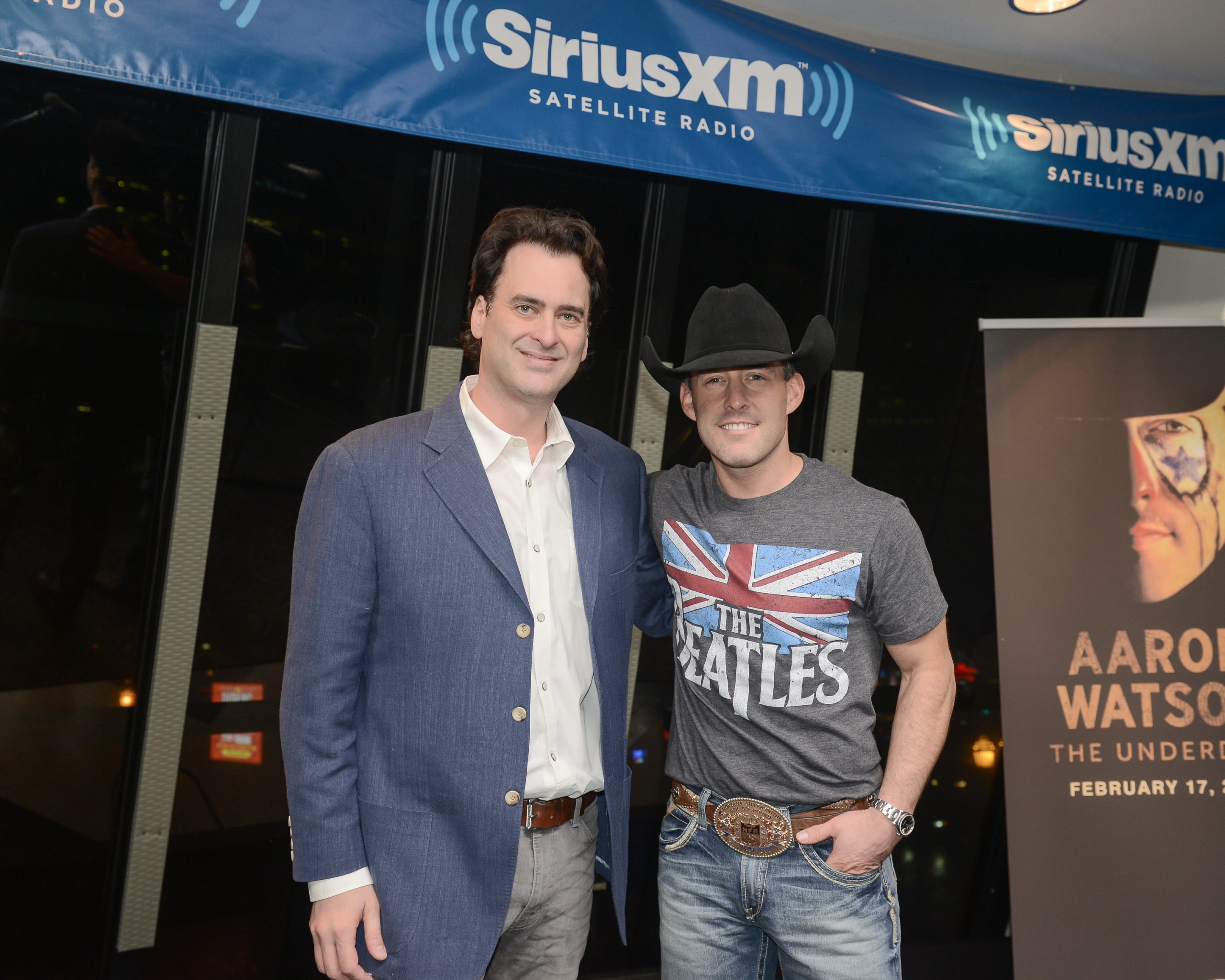
Independent country music star Aaron Watson attributes his steadfast work ethic, musical style, and fiercely independent career path to the influence of his father, Mike Watson. A disabled Vietnam War veteran and visual artist, Mike Watson instilled in Aaron a deep reverence for traditional country storytelling, unwavering faith, respect for military service, and a self-reliant approach to the music industry.
Who Is Mike Watson? Background and Early Life Lessons
To understand the music and personal ethos of Aaron Watson, one must first look at the life of his father, Mike Watson. Raised in Texas, Mike served in the United States Army during the Vietnam War. His military service left a lasting physical impact; Mike suffered severe injuries during combat, leaving him disabled. Despite his physical challenges and the enduring burden of war-related injuries, he returned home to raise a family in Amarillo, Texas, working for years as a custodian at a local church.
Growing up in the Watson household, Aaron witnessed a model of perseverance that shaped his worldview. Mike never allowed his disability to serve as an excuse for lack of effort. He worked demanding physical hours to support his family while maintaining a quiet, humble dignity. This blue-collar reality grounded Aaron’s childhood, teaching him that honest labor and personal responsibility were far more valuable than short-term recognition or superficial status.
In addition to his service and work ethic, Mike Watson possessed a rich artistic sensitivity. He was an accomplished visual illustrator and an avid music enthusiast. Far from being a rigid disciplinarian, Mike used art and music as primary tools for bonding with his children, creating an environment where creative expression was nurtured alongside practical discipline.
Musical Foundations: Cassette Tapes and Classic Storytelling
The musical education of Aaron Watson did not begin in a formal conservatory or a Nashville writing room; it took place in the cab of his father’s pickup truck. During long drives across West Texas, Mike introduced his son to the canon of classic American country music and timeless rock songwriting.
Mike’s tape deck was a constant source of inspiration, playing cassette tapes of legendary artists including:
- Willie Nelson and Waylon Jennings: Teaching Aaron the raw, unpolished sound of Texas outlaw country and the courage to challenge mainstream commercial formulas.
- Merle Haggard and George Jones: Exposing Aaron to deep emotional honesty, vocal conviction, and classic song structure.
- Chris LeDoux: Demonstrating how rodeo culture, Western heritage, and an independent touring spirit could build a passionate, devoted fanbase.
- The Beatles: Showing Aaron the power of melody, arrangement, and timeless pop-rock songcraft.
Mike did not merely play these tapes in the background; he engaged Aaron in discussions about the lyrics, explaining the stories behind the songs and the craft required to write meaningful music. This early immersion established Aaron's commitment to narrative-driven songwriting. While mainstream country radio evolved toward polished production and pop-leaning hooks in the 2000s and 2010s, Aaron remained anchored to the traditional lyricism and acoustic instrumentations passed down by his father.
| KEY LESSON FROM THE PICKUP TRUCK |
|---|
| "A great country song must tell the truth, honor the listener, and survive the test of time long after trends fade." |
The Independent Work Ethic: Building a Career Outside Nashville
One of the most distinct aspects of Aaron Watson’s career is his long-standing independence from major Nashville record labels. Over a career spanning more than two decades, Watson built a thriving business as a self-released, independent artist—a decision heavily influenced by his father's philosophy of self-reliance.
When Aaron launched his music career in the late 1990s and early 2000s, executives often urged him to alter his sound, update his wardrobe, or sign traditional contracts that surrendered creative control. Recalling his father’s lessons about integrity and ownership, Watson rejected the traditional major-label pipeline. Mike had taught him that if you want something done right, you build it yourself through hard work and relentless dedication.
Instead of waiting for radio play or corporate backing, Aaron adopted a grueling touring schedule, performing over 200 shows a year across Texas and the Southwest. He sold CDs directly out of the trunk of his car, managed his own merchandise, and treated his musical career like a small family business.
This DIY blueprint paid off historically in 2015 when Aaron Watson’s independent album, The Underdog, debuted at No. 1 on the Billboard Top Country Albums chart. It was the first time in country music history that an independent male artist debuted at the top of the chart with a self-released album. This milestone was a direct validation of the operational philosophy Mike Watson had instilled in his son decades earlier.
Artistic Collaborations: Album Cover Art and Visual Heritage
The relationship between Aaron Watson and his father extends beyond emotional and moral support into active artistic collaboration. Mike Watson’s talents as an illustrator contributed directly to the visual identity of several of Aaron’s musical projects.
During the early and middle phases of Aaron’s recording career, Mike created custom artwork, sketches, and liner illustrations for his son’s albums. Most notably, Mike designed and illustrated album art for projects such as San Angelo (2005) and provided detailed visual elements for physical CD packaging in an era when digital streaming had not yet replaced tangible album art.
- Mike Watson's Graphic Work
- Album Art & Package Design
- Authentic Western Identity
This artistic collaboration provided Aaron’s records with an authentic, handcrafted feel that set him apart from corporate releases. Fans who purchased physical copies of Aaron’s albums received not only his music but also a piece of his father’s visual art. This shared output reinforced the idea that Aaron Watson's music is a genuine family enterprise built on shared heritage.
Patriotic Advocacy and Songs Inspired by Military Service
Mike Watson’s status as a disabled Vietnam veteran deeply influenced Aaron’s personal values and songwriting catalog. Witnessing his father’s physical sacrifices and the complex, often difficult return that many Vietnam veterans experienced gave Aaron a profound appreciation for military personnel and their families.
Aaron has frequently translated this appreciation into song, writing tracks that directly honor his father and the broader veteran community:
- "Raise Your Glass": Written as a direct tribute to Mike Watson and his fellow service members, this track honors the sacrifices of American veterans while calling for respect and support for military families.
- "Bluebonnets" and Legacy Themes: Across albums like The Underdog (2015) and Vaquero (2017), Aaron routinely addresses themes of mortality, fatherhood, faith, and passing wisdom down through generations—narratives shaped by long conversations with his father.
In addition to songwriting, Aaron regularly uses his platform to support veteran advocacy organizations, host benefit concerts, and meet with military families on tour. He views this work not as a promotional strategy, but as a moral duty inherited directly from his father’s military legacy.
Key Pillars of Influence: Father-Son Dynamics at a Glance
The dynamic between Mike Watson and Aaron Watson spans multiple dimensions of life, art, and business operations. The table below outlines how specific attributes modeled by Mike shaped Aaron's professional identity and public persona.
| Dimension of Influence | Mike Watson’s Blueprint & Actions | Direct Impact on Aaron Watson’s Career |
|---|---|---|
| Musical Foundation | Played classic country (Willie, Waylon, Merle) and classic rock cassettes on long drives. | Developed a commitment to narrative lyrics, fiddle, steel guitar, and traditional song structures. |
| Work Ethic & Grit | Worked as a church custodian despite severe war-related physical disabilities. | Built a self-sustained career via 200+ annual tour dates and independent hustle. |
| Career Autonomy | Emphasized self-reliance, personal ownership, and staying true to one's roots. | Rejected major-label deals; achieved historical No. 1 status on Billboard independently. |
| Visual Aesthetics | Applied visual illustration and sketch artistry to family projects. | Created custom, hand-drawn album art for early releases like San Angelo. |
| Veterans Advocacy | Served in the Vietnam War, earning a Purple Heart and coping with long-term disability. | Wrote tribute tracks like "Raise Your Glass" and actively supports military charities. |
| Faith & Family Values | Centered daily life around Christian faith, modesty, and commitment to family. | Maintained a clean, family-focused brand and prioritized home life alongside touring. |
Lessons in Faith, Family, and Generational Legacy
Beyond music and business, the most enduring aspect of Mike Watson’s influence on Aaron is the framework of faith and family dynamics. Mike modeled a form of quiet, practical faith that focused on service, humility, and steadfastness during hardship.
When Aaron and his wife, Kimberly, faced personal tragedies—including the loss of their infant daughter, Julia Grace, in 2011—Aaron drew heavily on the spiritual foundation his parents had established. The resilience Mike demonstrated while living with daily physical pain served as an anchor for Aaron during moments of personal grief and professional uncertainty.
Today, as Aaron raises his own three children (Jake, Jack, and Jolee), he deliberately replicates his father’s parenting style. He frequently brings his family on tour, involves them in his creative processes, and teaches them the same principles of hard work and humility he learned in Amarillo. The artistic and moral lineage established by Mike Watson continues to flow through a new generation of the Watson family.
How to Explore Aaron Watson’s Father-Inspired Catalog
For fans, music historians, and independent artists seeking to understand the practical outcome of this father-son dynamic, exploring Aaron Watson's work through this lens provides valuable insight into authentic music-making.
Recommended Steps for Listeners and Musicians:
- Listen to Key Heritage Tracks: Start with songs like "Raise Your Glass" and the title track of The Underdog to hear how military sacrifice and independent grit directly inform his lyrics.
- Examine Physical Album Packaging: Look at physical copies of earlier releases like San Angelo to view the artwork and design elements contributed by Mike Watson.
- Study the Independent Business Model: For aspiring musicians, examine how Watson maintained 100% ownership of his master recordings and publishing rights—a strategy rooted in his father’s advice to maintain self-reliance.
- Follow His Veteran Support Initiatives: Observe how Watson integrates military appreciation into his touring schedule, offering inspiration on how public figures can give back to veteran communities.
Frequently Asked Questions
Who is Aaron Watson's father, and what is his background?
Aaron Watson's father is Mike Watson, a disabled Vietnam War veteran and visual artist from Texas. After receiving injuries in combat during his military service, Mike returned to Texas, where he worked for many years as a church custodian while raising his family and pursuing visual art.
How did Mike Watson influence Aaron Watson's music style?
Mike introduced Aaron to traditional country legends like Willie Nelson, Waylon Jennings, Merle Haggard, and George Jones by playing cassette tapes in his pickup truck. This early exposure instilled in Aaron a permanent appreciation for traditional instrumentation, storytelling lyrics, and Texas country heritage.
Did Aaron Watson's father design his album covers?
Yes, Mike Watson is an accomplished illustrator who contributed original artwork, sketches, and design concepts for several of Aaron's album packages, including the cover art for his 2005 release, San Angelo.
Which Aaron Watson songs are written about his father?
Aaron's song "Raise Your Glass" was written specifically as a tribute to his father's service in Vietnam and to honor all American military veterans. Other songs across his discography reflect themes of fatherhood, faith, and work ethic inspired by Mike's example.
How did Aaron Watson's father impact his decision to stay an independent artist?
Mike Watson taught Aaron the values of self-reliance, ownership, and hard work. Remembering his father's blue-collar work ethic, Aaron chose to bypass major Nashville record labels, retain full creative control of his music, and build his own successful independent record label and touring business.