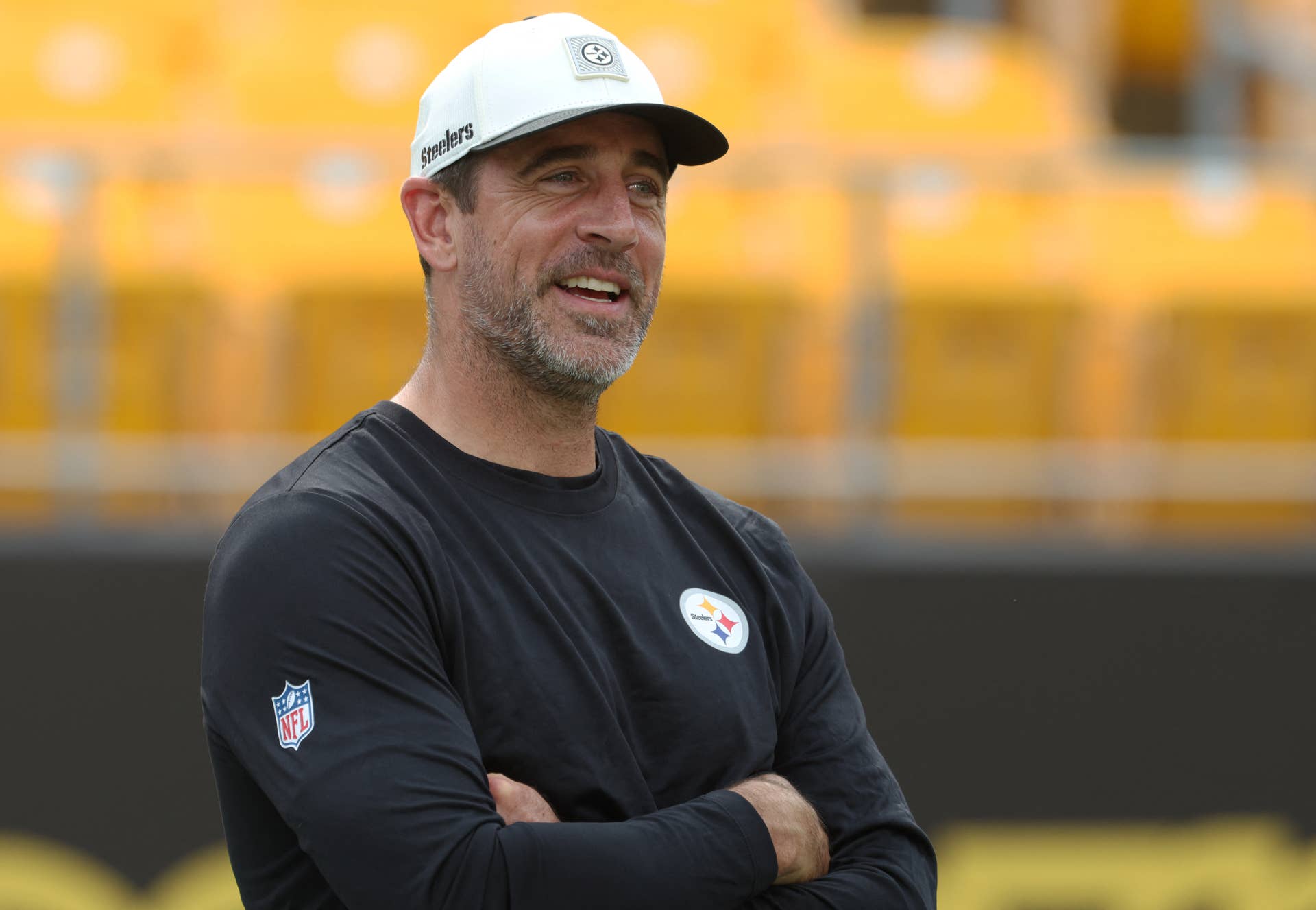
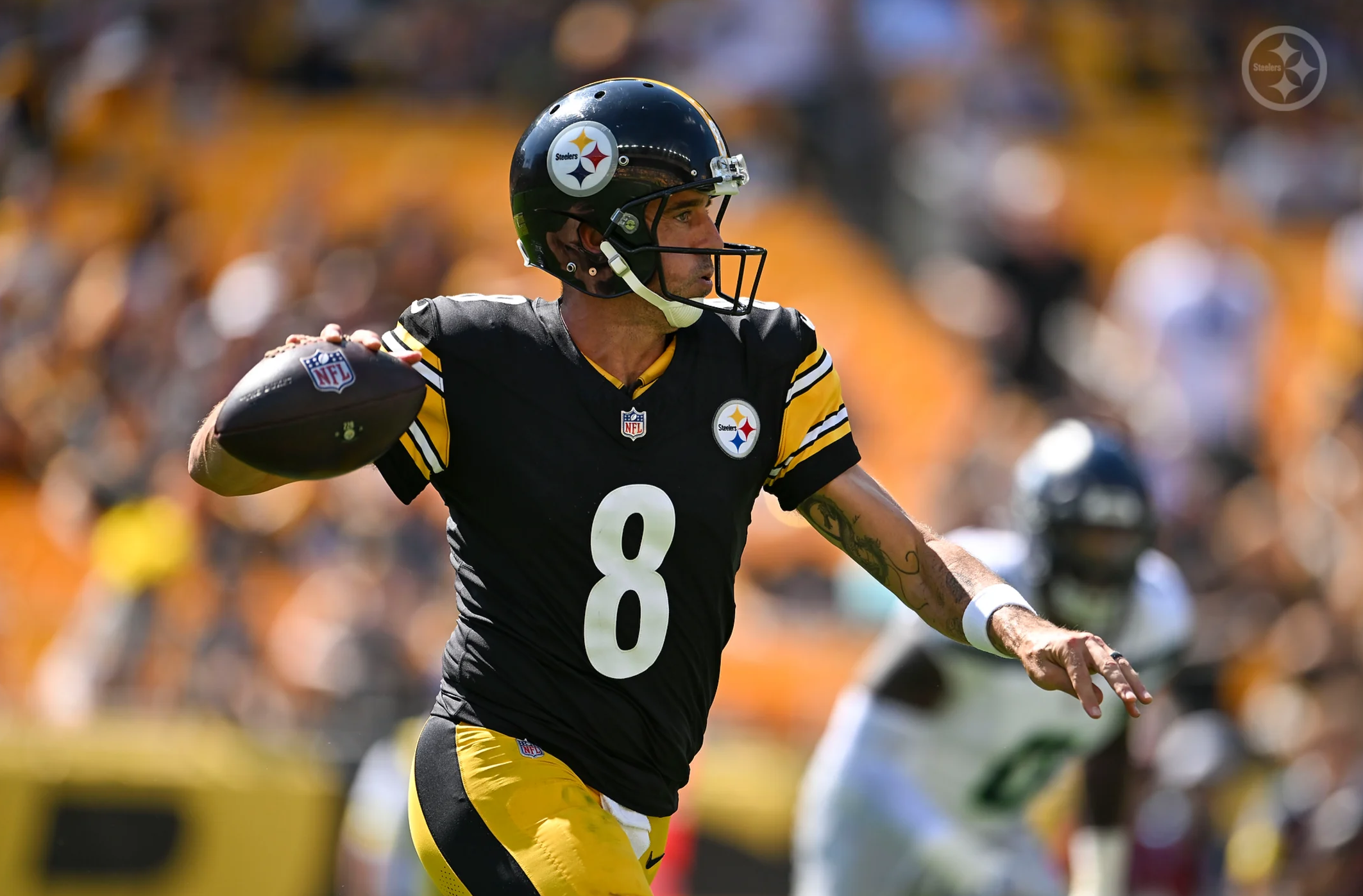
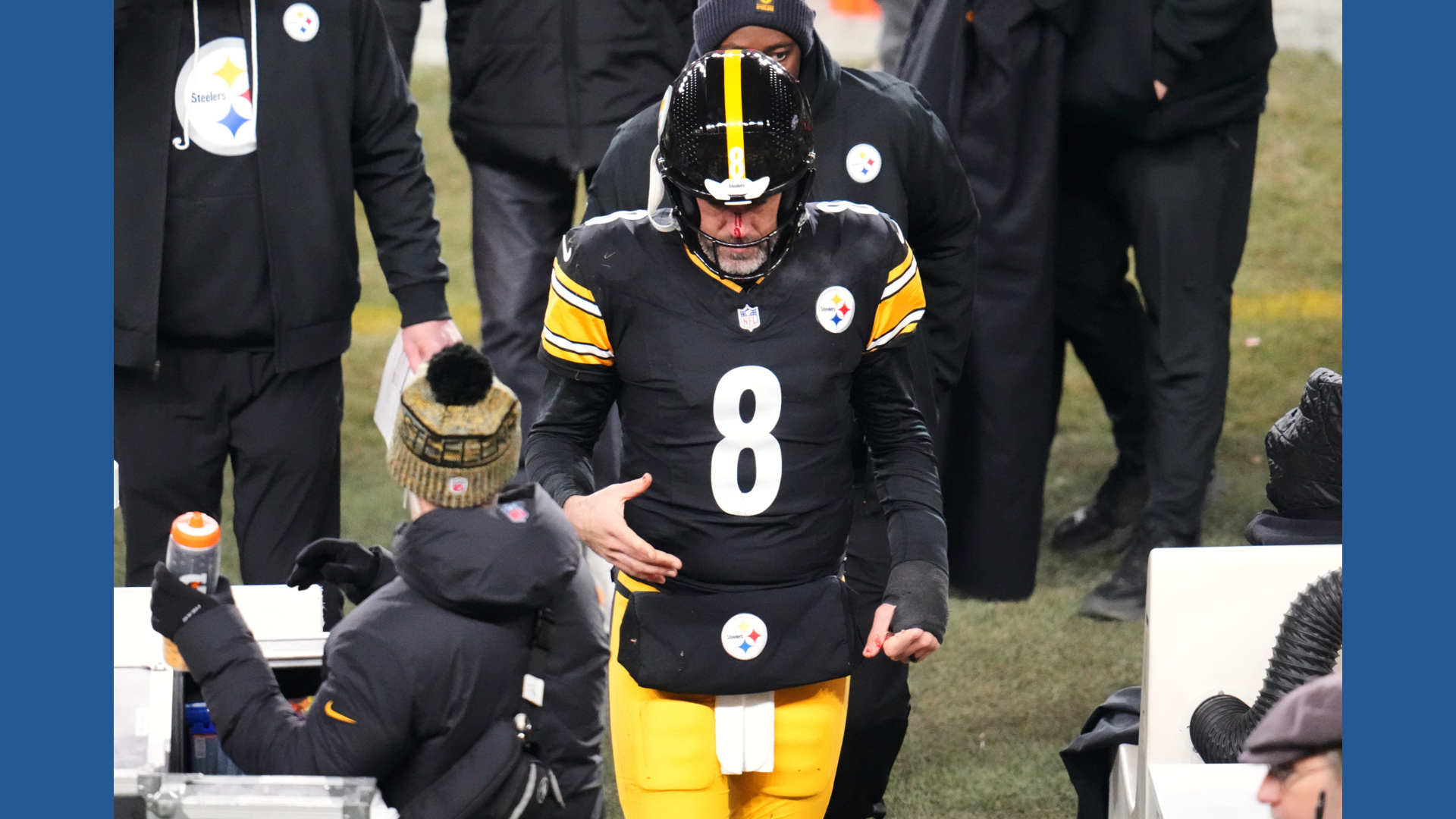
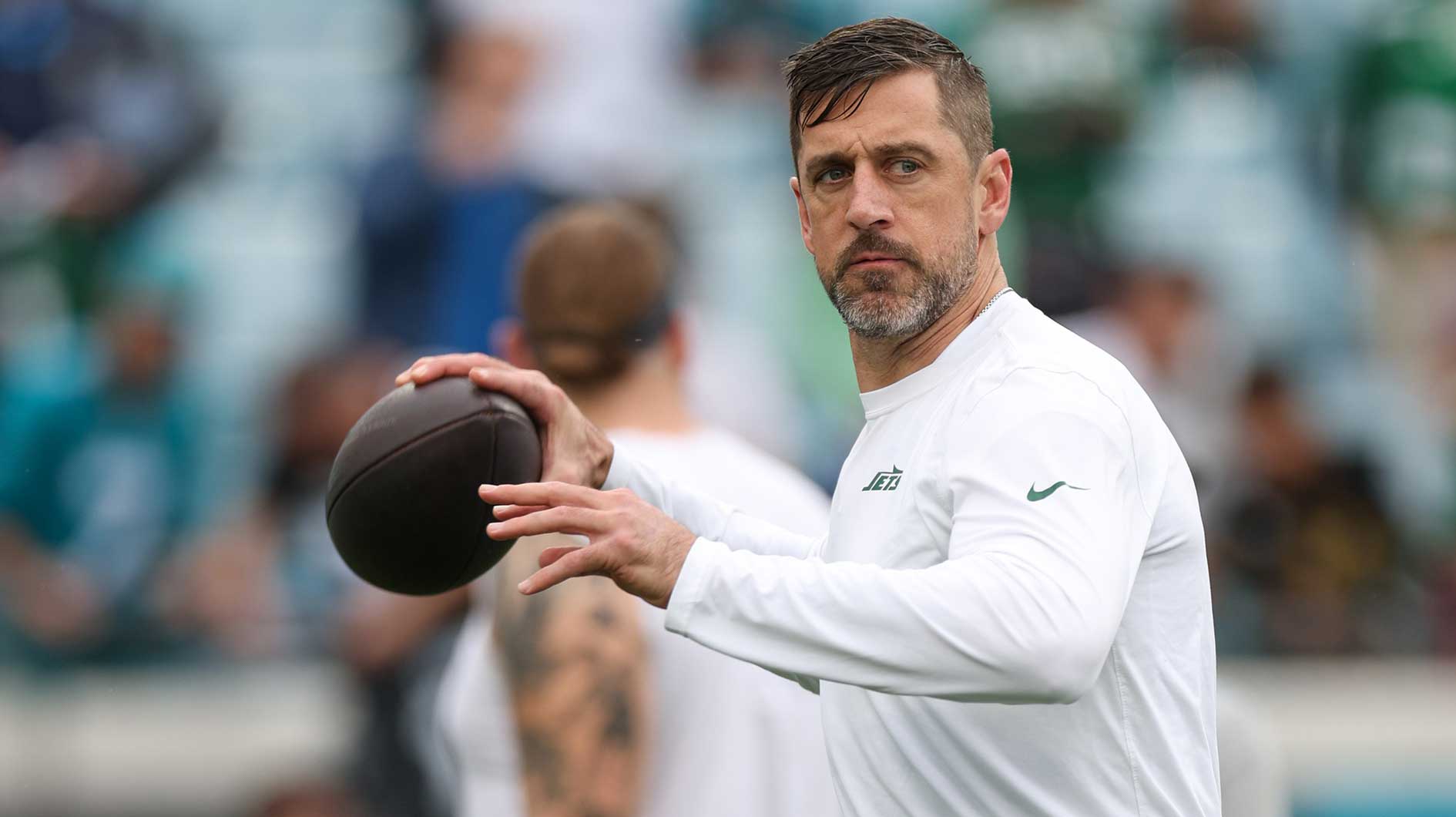
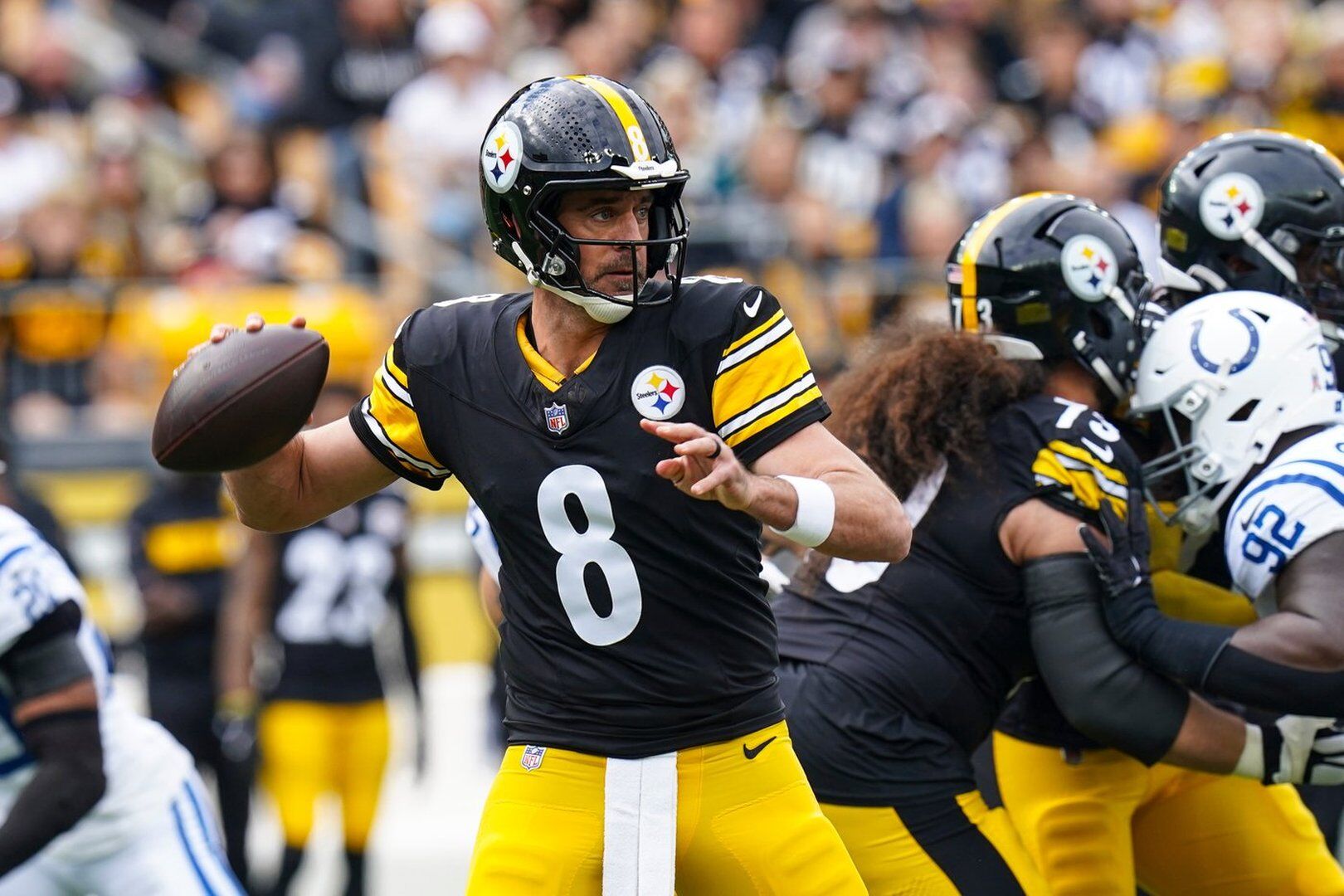
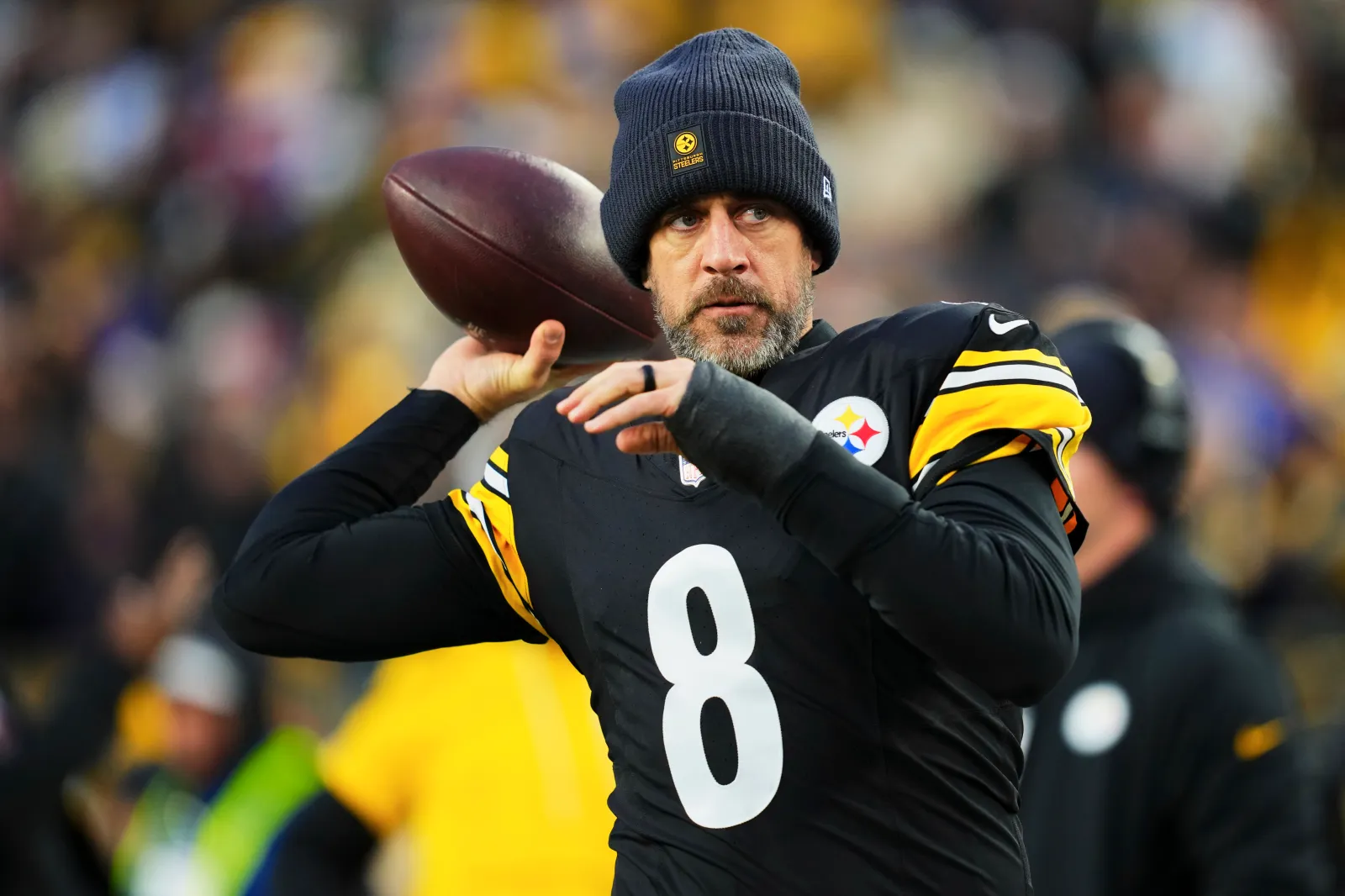
Aaron Rodgers’ latest analysis of the Pittsburgh Steelers focuses on their defensive adaptability and the enduring leadership of Mike Tomlin. Rodgers emphasizes how the Steelers' "organizational DNA" prioritizes physical line play and disciplined zone schemes, making them a unique challenge for modern high-tempo offenses regardless of their current roster fluctuations.
The intersection of Aaron Rodgers and the Pittsburgh Steelers has been a point of fascination for NFL fans since the legendary quarterback’s public display of mutual respect for Mike Tomlin during a 2021 matchup. As we navigate the 2026 NFL season, Rodgers continues to provide some of the most sophisticated "game day" breakdowns in sports media, often using his platform to highlight the nuances of the Steelers' defensive architecture. His perspective is not merely that of a spectator but of a peer who has spent two decades deciphering the very schemes the Steelers employ.
The "Tomlin Factor" in Rodgers’ Strategic Analysis
When Aaron Rodgers discusses the Steelers, the conversation invariably begins with Mike Tomlin. In his 2026 commentary, Rodgers frequently points to the "stability factor" that Tomlin provides. For a quarterback who has seen various coaching philosophies come and go, Rodgers identifies Tomlin’s ability to maintain a top-tier defensive floor as the most impressive feat in the AFC.
Rodgers argues that the Steelers’ success is rooted in a psychological advantage. He notes that the team rarely "beats itself," a trait he attributes directly to Tomlin’s messaging. In recent game day analyses, Rodgers has broken down how the Steelers manage the "middle of the game"—the crucial periods in the second and third quarters where many teams lose focus. He highlights that the Steelers' defensive rotations are designed to keep pass rushers fresh for the fourth quarter, a tactical decision that Rodgers admits is a nightmare for veteran quarterbacks trying to close out games.
Furthermore, Rodgers often references the "chess match" aspect of facing a Tomlin-led team. He describes the Steelers' defensive calls as being deceptively simple but executed with a level of precision that punishes slight hesitations in a quarterback’s progression. This respect for the "Steelers Way" provides fans with a deeper understanding of why Pittsburgh remains competitive even during transitional periods for their offense.
Dissecting the Steelers' 2026 Defensive Identity
One of the most valuable aspects of Rodgers’ latest news and analysis is his technical breakdown of the Pittsburgh defense. In 2026, the Steelers have continued to evolve their defensive front, moving away from a traditional 3-4 base toward more hybrid "sub-packages" that account for the league's increased use of 11-personnel (three wide receivers).
The Edge Presence: Watt and the "Contain" Philosophy
Rodgers frequently isolates film on T.J. Watt and the Steelers' edge rushers. His analysis focuses on "hand usage" and "get-off." Rodgers explains that what makes the Steelers' rush so difficult to handle is not just the speed, but the technical efficiency of their edge players. He points out that while many rushers aim for the sack, the Steelers' rushers are coached to "compress the pocket," forcing the quarterback to step up into the waiting arms of the interior defensive linemen.
Disguised Coverages and the "Safety Shell"
Another recurring theme in Rodgers’ analysis is the Steelers' use of pre-snap disguises. In his latest game day sessions, he has demonstrated how Pittsburgh often shows a "Single-High" safety look (Cover 1 or Cover 3) before rotating into a "Two-High" shell (Cover 2 or Quarters) just as the ball is snapped. For a quarterback, this requires an elite level of post-snap processing. Rodgers credits the Steelers' veteran secondary for their communication, noting that they rarely have "busts" or missed assignments in these complex rotations.
Rodgers on the Steelers' Offensive Evolution
While Rodgers is primarily known for his defensive insights, his analysis of the 2026 Steelers offense offers a unique look at how a master technician views their scoring unit. Historically, the Steelers were a "run-first" organization, but Rodgers has noted a shift toward a more "RPO-heavy" (Run-Pass Option) system designed to capitalize on the athleticism of their young playmakers.
Rodgers emphasizes that for the Steelers to succeed in the current AFC North landscape, they must achieve "offensive balance." He defines this not as a 50/50 split between runs and passes, but as the ability to win in whichever way the defense dictates. If a defense plays "light boxes" (six or fewer defenders in the area near the line of scrimmage), the Steelers must be willing to run the ball 40 times. Conversely, if the defense crowds the line, the quarterback must have the autonomy to check into vertical passing routes.
His latest news updates often touch on the development of the Steelers' offensive line. Rodgers, a staunch advocate for veteran line play, argues that the Steelers' investment in the trenches is the primary reason their "play-action" game has become so effective in 2026. By establishing a credible threat on the ground, they force opposing linebackers to play closer to the line, opening up the "intermediate window" (10-15 yards downfield) where Rodgers believes games are won or lost.
Comparative Analysis: Steelers vs. Other AFC Contenders
To provide a broader context, Rodgers often compares the Steelers' structure to other elite teams like the Chiefs or Ravens. He notes that while the Chiefs rely on "explosive variance," the Steelers rely on "controlled attrition."
| Feature | Steelers' Approach (Rodgers' View) | Typical Modern NFL Approach |
|---|---|---|
| Defensive Philosophy | Pressure-driven, zone-heavy, turnover-focused | Scheme-driven, man-heavy, "bend-don't-break" |
| Roster Building | Homegrown talent, heavy emphasis on OL/DL | Free agency aggressive, skill position focus |
| In-Game Management | Risk-averse, field position priority | Aggressive, high-variance, analytics-heavy |
| Quarterback Role | Game manager/Point guard hybrid | Primary offensive engine/Creator |
In this table, we see the distinction Rodgers draws between the Steelers and the rest of the league. He views Pittsburgh as one of the few remaining organizations that prioritize "traditional football values" while successfully integrating modern schematic elements. This blend is what he believes keeps them in the "latest news" cycle as a perennial threat.
Tactical "Check with Me" (CWM) Scenarios
A specific area where Rodgers provides immense value is his discussion of "Check with Me" plays against the Steelers. In his 2026 analysis, he explains that when he (or any veteran QB) faces Pittsburgh, the game is won at the line of scrimmage.
The Steelers are famous for their "fire zone" blitzes—a concept pioneered by former defensive coordinator Dick LeBeau and refined by the current staff. These blitzes involve bringing five rushers while dropping a defensive lineman into pass coverage. Rodgers explains that identifying the "dropper" is the key. If the quarterback can identify which big man is dropping into the hook-curl zone, they can exploit the space behind him. However, as Rodgers notes in his latest breakdowns, the Steelers have become much better at varying who the dropper is, making the CWM process significantly more dangerous for the offense.
The Importance of Field Position and Special Teams
Rodgers often laments that modern analysis ignores special teams, but he makes a point to include it when discussing the Steelers. He points to the "hidden yardage" that Pittsburgh consistently gains. Whether it is a punter pinning an opponent inside the five-yard line or a returner making the first man miss, these small wins accumulate.
In his game day analysis, Rodgers suggests that the Steelers "play the long game." They are comfortable playing a scoreless first quarter if it means they have won the field position battle. This discipline is something Rodgers deeply respects, as it forces the opposing quarterback to drive 80 or 90 yards to score, increasing the statistical likelihood of a mistake or a turnover.
FAQ: Aaron Rodgers on the Steelers
What does Aaron Rodgers think of Mike Tomlin's coaching style?
Aaron Rodgers has consistently praised Mike Tomlin for his consistency and leadership. He views Tomlin as a "player's coach" who maintains high standards of discipline without losing the locker room. Rodgers often highlights Tomlin's ability to keep his team competitive regardless of injuries or roster turnover, calling him one of the premier "defensive minds" in the history of the league.
How does Rodgers analyze the Steelers' pass rush?
Rodgers focuses on the "synchronicity" of the Steelers' front four. He notes that they don't just rush as individuals; they rush as a cohesive unit to eliminate escape lanes for the quarterback. He specifically points to the "stunts" and "twists" they use on third downs, which are designed to create confusion for offensive linemen and generate free runs at the quarterback.
Does Rodgers believe the Steelers' defensive scheme is outdated in 2026?
No, Rodgers argues the opposite. He believes the Steelers have successfully modernized their 3-4 base by incorporating "star" and "nickel" packages that allow them to match up with smaller, faster receiving corps. He points to their "versatility at the linebacker level" as the primary reason their scheme remains effective against modern spread offenses.
What is Rodgers' take on the "Steelers Culture"?
Rodgers views the "Steelers Culture" as an asset that provides a tangible advantage on game day. He describes it as an environment where players understand their roles and prioritize the team's success over individual statistics. In his analysis, he often notes that "culture" shows up in the fourth quarter when games are tight and players need to rely on their training and each other.
Why does Rodgers frequently appear to analyze the Steelers specifically?
Rodgers has a long-standing professional respect for the organization and has often been linked to them in various rumors throughout his career. Additionally, as an elite quarterback, he finds the Steelers' defensive complexities more interesting to analyze than simpler, "standard" schemes used by other teams in the league.
Practical Recommendation for Fans and Analysts
For those looking to follow Aaron Rodgers’ analysis of the Steelers throughout the 2026 season, the best approach is to focus on the "pre-snap" phase of the game. Rodgers consistently emphasizes that the battle is won before the ball is even hiked.
When watching a Steelers game, pay close attention to the safeties’ movements in the final three seconds of the play clock. Like Rodgers, try to identify the "middle-field-closed" or "middle-field-open" looks. Understanding these defensive nuances will not only help you appreciate Rodgers’ high-level commentary but will also give you a much deeper understanding of why the Pittsburgh Steelers continue to be a dominant force in the NFL landscape. Monitoring his weekly appearances on major sports platforms will provide the most current and technically dense "latest news" regarding their performance and strategic shifts.