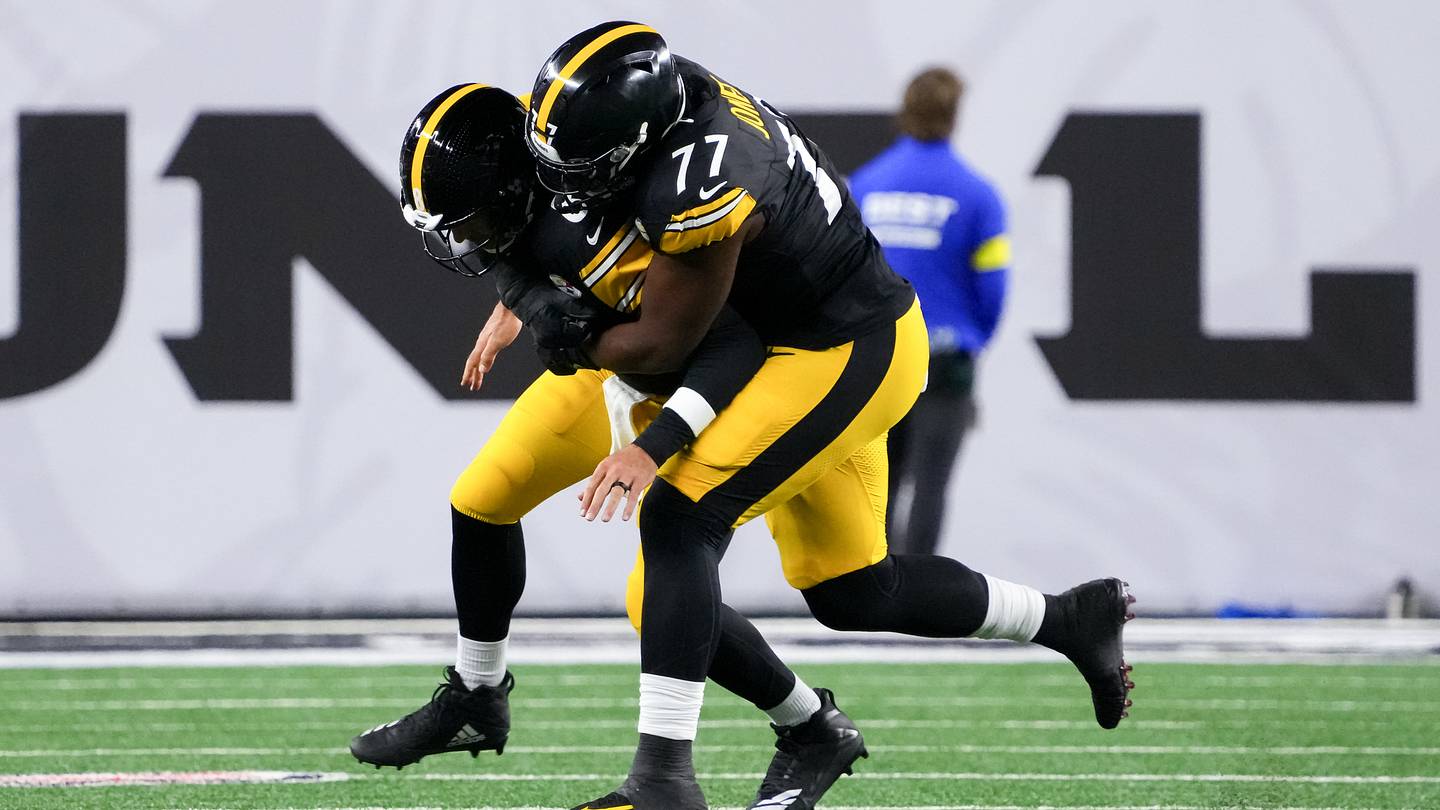
The viral highlight of Aaron Rodgers using smelling salts on the sideline during high-profile NFL broadcasts—including intense inter-conference matchups against physical defenses like the Pittsburgh Steelers—captures a long-standing professional football ritual. Broadcast cameras regularly capture veteran quarterbacks snapping ammonia capsules to trigger an immediate physiological spike in alertness right before taking the field for crucial offensive drives.
The Origin and Impact of the Viral Sideline Highlight
Broadcast coverage of National Football League games has reached a level of camera density where almost every player reaction on the bench is captured in high definition. During nationally televised broadcasts, such as Sunday Night Football broadcasts featuring veteran quarterback Aaron Rodgers, close-up camera angles frequently catch players engaged in their pre-drive preparation routines. One recurring camera shot that consistently goes viral across social media platforms involves Rodgers breaking an ammonia capsule beneath his nose, followed by a dramatic visceral reaction—widely characterized by facial contortions, rapid blinking, and an immediate head snap back.
The viral spread of these clips across TikTok, X (formerly Twitter), and Instagram highlights a fascinating intersection between fan entertainment and real-time athletic preparation. When Rodgers faced physical, high-pressure defenses like the Pittsburgh Steelers, the broadcast focus on his sideline demeanor amplified these moments. Commentators and fans alike react to the visual contrast between a calm, calculating veteran quarterback in the huddle and the sudden, explosive physical jolt caused by inhaling concentrated ammonia vapor moments earlier.
These viral highlights serve as a window into the grueling physical and mental demands of professional football. Rather than being an isolated incident, Rodgers snapping smelling salts reflects an established practice employed across decades of professional sports. However, because modern camera technology captures high-frame-rate close-ups of player benches, routine sideline actions are transformed into viral internet memes and highlighted sports clips that generate millions of views worldwide.
- Ammonia Capsule Snapped
- Nasal Mucosa Membrane Irritation
- Trigeminal Nerve Stimulation
- Involuntary Respiratory Reflex & Increased Heart Rate
- Temporary Surge in Acute Alertness
The Physiology of Ammonia Inhalants in Elite Athletics
To understand why players utilize smelling salts on the sideline, it is necessary to examine the underlying chemical and biological mechanisms. Modern athletic smelling salts consist of small glass ampoules encased in a protective cotton cover containing a solution of diluted ammonium hydroxide, ethanol, and water. When crushed between the fingers, the capsule ruptures, releasing a sharp burst of ammonia gas ($NH_3$).
When inhaled, ammonia gas acts as a potent respiratory irritant. It rapidly irritates the membranes of the nasal cavity and the upper respiratory tract. This chemical irritation triggers an immediate, involuntary inhalation reflex by stimulating the trigeminal nerve endings in the nasal passages. The physiological sequence unfolds in milliseconds:
- Involuntary Inhalation: The body responds to the noxious fumes by taking a sudden, deep breath, increasing pulmonary ventilation and expanding lung capacity.
- Sympathetic Nervous System Activation: The unpleasant sensory shock stimulates the sympathetic nervous system, causing a rapid release of adrenaline (epinephrine).
- Cardiovascular Response: The surge in adrenaline causes a brief increase in heart rate and blood pressure, circulating oxygenated blood more rapidly throughout the body.
- Neurological Arousal: The sudden combination of increased oxygen intake, elevated heart rate, and acute sensory irritation produces a momentary sensation of enhanced clarity, heightened focus, and physical wakefulness.
For a quarterback managing complex pre-snap reads, adjusting protection schemes, and processing defensive coverages under extreme pressure, this temporary surge in arousal helps clear sensory fatigue accumulated over hours of physical strain.
NFL Regulations and League Protocol Regarding Smelling Salts
Despite their intense physical impact, smelling salts are neither prohibited substances nor restricted performance-enhancing drugs under the World Anti-Doping Agency (WADA) code or the National Football League Policy on Performance-Enhancing Substances. Ammonia inhalants contain no anabolic agents, hormonal regulators, or banned central nervous system stimulants like amphetamines.
The regulatory framework surrounding ammonia inhalants in professional football can be categorized through three main oversight bodies:
- WADA and USADA Guidelines: Ammonia is classified as an ambient inhalant and respiratory irritant rather than a systemically absorbed pharmaceutical stimulant. Consequently, it does not appear on WADA's Prohibited List.
- NFL Athletic Training Protocols: NFL medical staff and certified athletic trainers routinely stock standard ammonia capsules on the sideline. Players are free to self-administer these capsules at their own discretion during timeouts, quarter breaks, or prior to offensive series.
- U.S. Food and Drug Administration (FDA) Status: Over-the-counter ammonia inhalants are regulated as non-prescription respiratory stimulants. While the FDA monitors manufacturing quality, it does not evaluate them as prescription medications, provided they are labeled for temporary relief of lightheadedness or fatigue.
Because these capsules are entirely legal and readily available on every NFL bench, their use is ubiquitous across the league, spanning offensive linemen seeking physical intensity to quarterbacks seeking sharp focus against aggressive defensive schemes.
Sideline Strategy: Preparing for Physical Defenses Like the Steelers
Facing a defense renowned for physical intimidation and continuous pass pressure—such as the Pittsburgh Steelers' historic defensive units—requires extreme cognitive sharpness from opposing quarterbacks. Veteran quarterbacks must process defensive disguises, blitz patterns, and coverage rolls within seconds of approaching the line of scrimmage.
Sensory shock mechanisms like smelling salts are frequently integrated into a larger suite of sideline adjustments designed to combat physical and mental fatigue late in games:
- Cognitive Resetting: Long games feature momentum shifts, physical hits, and mental weariness. Snapping an ammonia capsule provides a distinct sensory boundary, signaling to the athlete's brain that it is time to transition from sideline analysis to active execution.
- Countering Physical Wear: Taking hard hits from pass rushers leads to transient physical grogginess. While smelling salts cannot repair physical tissue or treat underlying trauma, the involuntary inhalation reflex offers a temporary feeling of refreshed energy.
- Environmental Adaptations: In cold-weather environments—frequently encountered during late-season games in Pittsburgh or Green Bay—the sharp scent of ammonia serves to cut through cold-air lethargy, helping players remain sharp while sitting on cold metal benches.
Comparative Overview of Sideline Preparation Tools
The table below outlines the operational parameters, legal status, and physiological mechanisms of common tools used on NFL sidelines to maintain player performance and focus.
| Preparation Tool | Primary Chemical / Active Agent | Mechanism of Action | Duration of Primary Effect | NFL / WADA Regulatory Status | Primary Sideline Purpose |
|---|---|---|---|---|---|
| Ammonia Inhalants (Smelling Salts) | Ammonium Hydroxide / Alcohol | Irritates nasal mucosa, triggering involuntary inhalation reflex and adrenaline surge | 15 to 60 seconds | Fully Unrestricted | Immediate cognitive reset and acute alertness surge |
| Caffeine Gels & Chews | Anhydrous Caffeine | Blocks adenosine receptors in the brain to reduce perceived exertion | 2 to 5 hours | Permitted (Monitored above extreme thresholds) | Sustained mental endurance and energy maintenance |
| Electrolyte Replenishment Solutions | Sodium, Potassium, Carbohydrates | Restores intravascular fluid balance and cellular neuromuscular function | Ongoing throughout game | Fully Unrestricted | Prevention of muscle cramping and systemic dehydration |
| Supplemental Sideline Oxygen | Concentrated Medical Oxygen ($O_2$) | Accelerates arterial oxygen saturation post-exertion | 1 to 3 minutes | Fully Unrestricted | Rapid recovery of respiratory rate after long drives |
| Thermal Sideline Jackets & Warmers | Radiative Heat / Electrical Resistance | Prevents muscle temperature drop during bench rest | Continuous while worn | Fully Unrestricted | Preservation of muscle elasticity and explosive power |
Medical Consensus and Health Considerations
While smelling salts are widely used in modern sports, medical professionals and athletic trainers emphasize clear boundaries regarding their appropriate application and limitations.
Concussion Masking Risks
The primary clinical concern associated with smelling salts in contact sports involves head trauma management. Ammonia inhalants create an immediate feeling of alertness that can temporarily mask the mild symptoms of a concussion, such as dizziness, spatial confusion, or delayed processing speed. Medical guidelines strictly prohibit the use of smelling salts to treat or evaluate a player who has sustained a blow to the head. Current NFL concussion protocols mandate that any player showing signs of head trauma undergo formal sideline neurological evaluation rather than receiving sensory stimulants.
Physical Limitations and Absence of Healing Properties
Ammonia gas provides no structural or physiological recovery benefits. It does not rebuild depleted muscle glycogen, remove metabolic byproducts like lactic acid, or restore cellular energy reserves. The surge in alertness is strictly an involuntary neurological and respiratory reflex. Relying on repeated ammonia inhalation throughout a game can result in nasal passage irritation, mild headaches, or diminishing psychological returns as the nervous system becomes accustomed to the stimulus.
Potential Cervical Spine Hazards
A historical concern in sports medicine involves the involuntary head-jerk reflex associated with strong ammonia inhalation. If a player has sustained an unidentified neck or cervical spine injury during a play, the sudden, violent head snap back caused by sniffing concentrated ammonia can potentially exacerbate underlying spinal trauma. Consequently, athletic trainers are instructed never to place smelling salts directly under the nose of an unconscious or neck-injured athlete.
Frequently Asked Questions
Why do NFL players like Aaron Rodgers use smelling salts during games?
NFL players use smelling salts to trigger an immediate involuntary inhalation reflex that causes a brief spike in heart rate, breathing, and adrenaline. This sensory shock helps players clear mental fatigue and enter a state of heightened focus immediately before going onto the field for crucial plays.
Are smelling salts legal under NFL and WADA anti-doping rules?
Yes, smelling salts are fully legal and unrestricted under both NFL policies and World Anti-Doping Agency (WADA) regulations. Because ammonia inhalants act as localized mucosal irritants rather than systemically absorbed pharmaceutical stimulants, they are not classified as banned performance-enhancing substances.
Can smelling salts help a player recover from a concussion?
No. Smelling salts do not heal concussion damage, restore cognitive function, or treat brain trauma. In fact, medical professionals warn against using smelling salts after a head hit, as the temporary surge in alertness can dangerous mask concussion symptoms and delay critical medical evaluation.
What causes the dramatic facial expressions seen in viral smelling salt highlights?
The intense facial contortions and rapid eye blinking seen in viral clips occur because ammonia gas vapor violently irritates the sensitive nerve endings (trigeminal nerve) inside the nasal passages. This sudden chemical shock triggers an involuntary physical withdrawal reflex, causing the brain to instantaneously react to the pungent odor.
How long do the physiological effects of smelling salts last?
The intense physiological boost provided by an ammonia capsule is extremely short-lived, typically lasting between 15 seconds and one minute. The primary benefit is an immediate sensory reset rather than long-term physical energy or sustained stamina.
Do smelling salts improve actual physical performance or strength?
Scientific research indicates that smelling salts do not directly increase maximum muscle strength, sprint speed, or physical power output. Their primary function is psychological and neurological arousal, helping athletes achieve peak subjective alertness and focus rather than modifying muscular force production.
Understanding Sideline Preparation and NFL Media Highlights
The viral clips of Aaron Rodgers utilizing smelling salts against teams like the Pittsburgh Steelers offer insight into the extreme preparation routines of elite NFL athletes. Modern sports broadcasting excels at isolating brief, candid sideline behaviors and elevating them into widespread cultural moments. However, beneath the viral gifs and social media memes lies a calculated physiological routine: leveraging an immediate, involuntary respiratory reflex to achieve peak cognitive readiness on the gridiron.
For sports fans analyzing these viral moments, it is important to recognize smelling salts for what they are—a legal, temporary sensory shock tool that delivers short-lived alertness. While ammonia inhalants remain a staple of NFL bench culture, their role is strictly limited to rapid psychological refocusing rather than structural athletic enhancement or physical recovery.