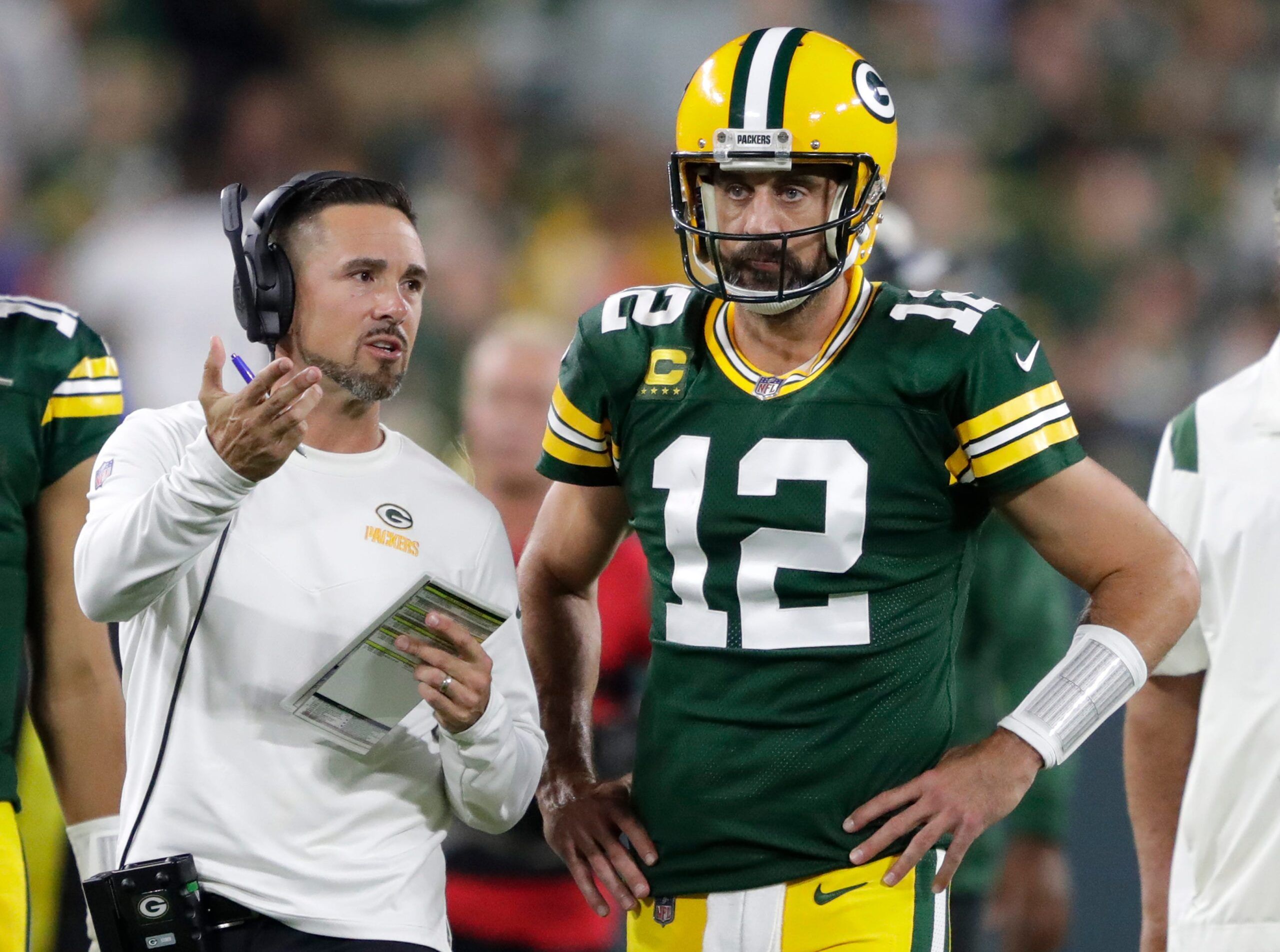
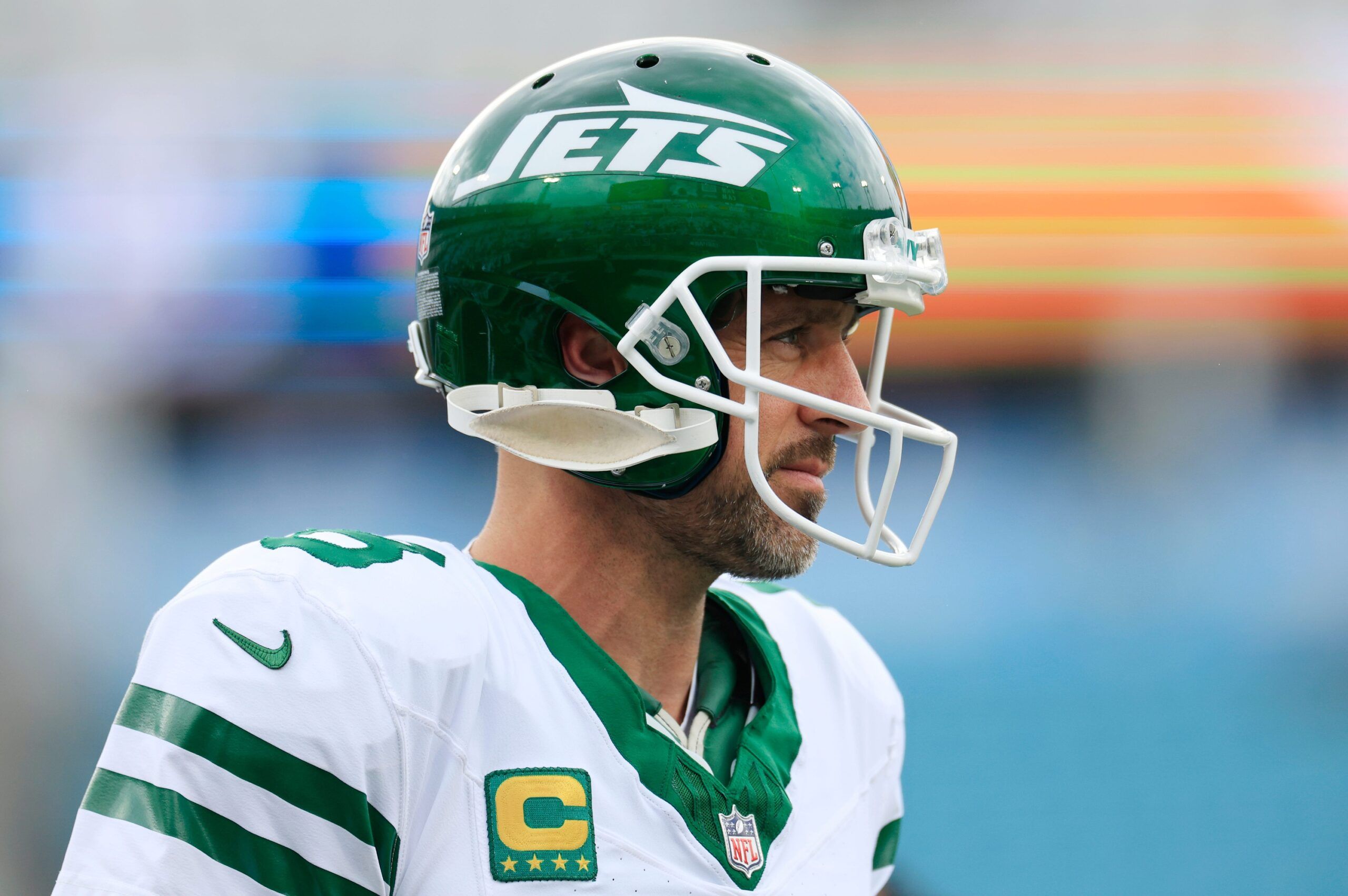
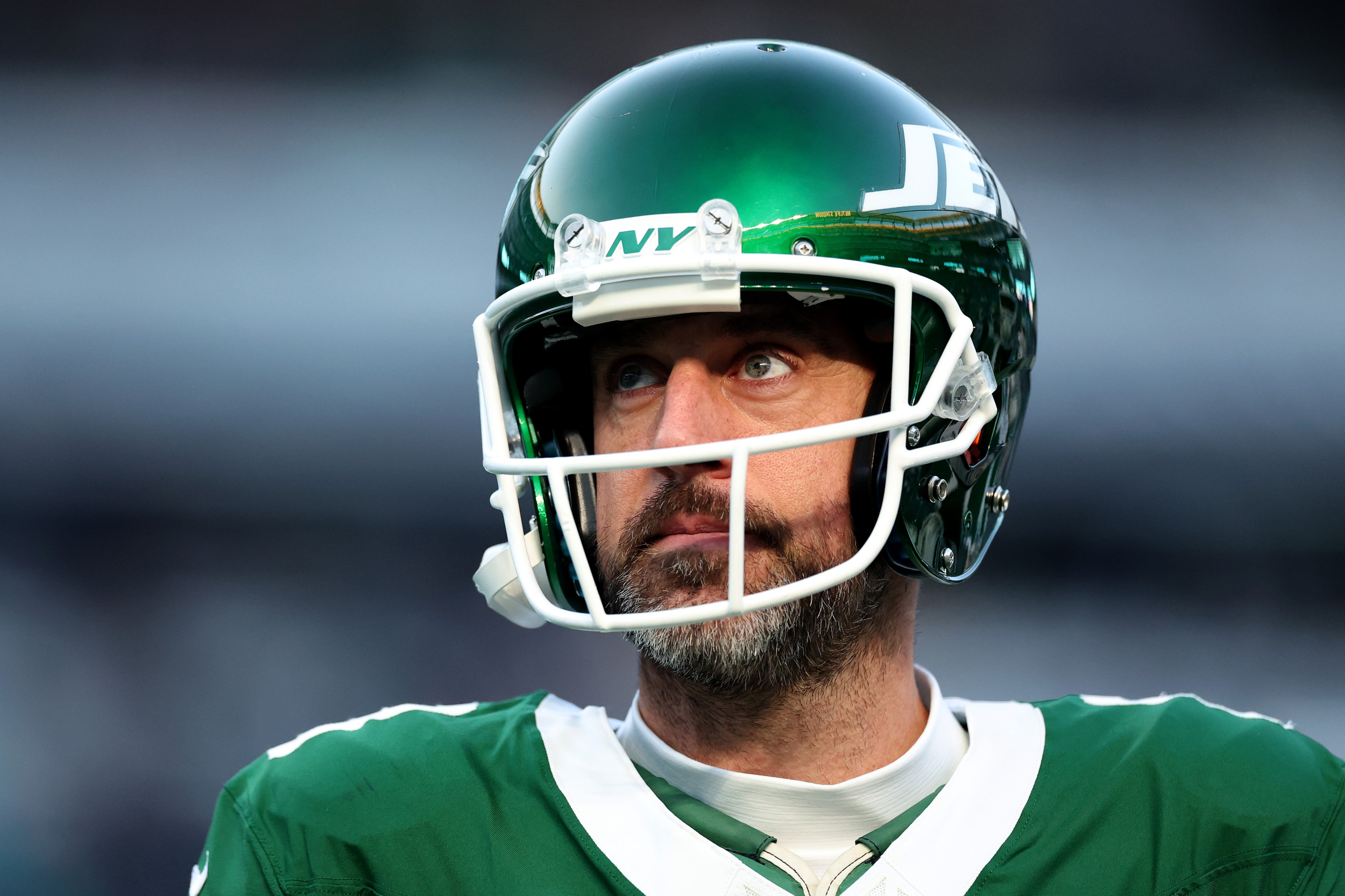
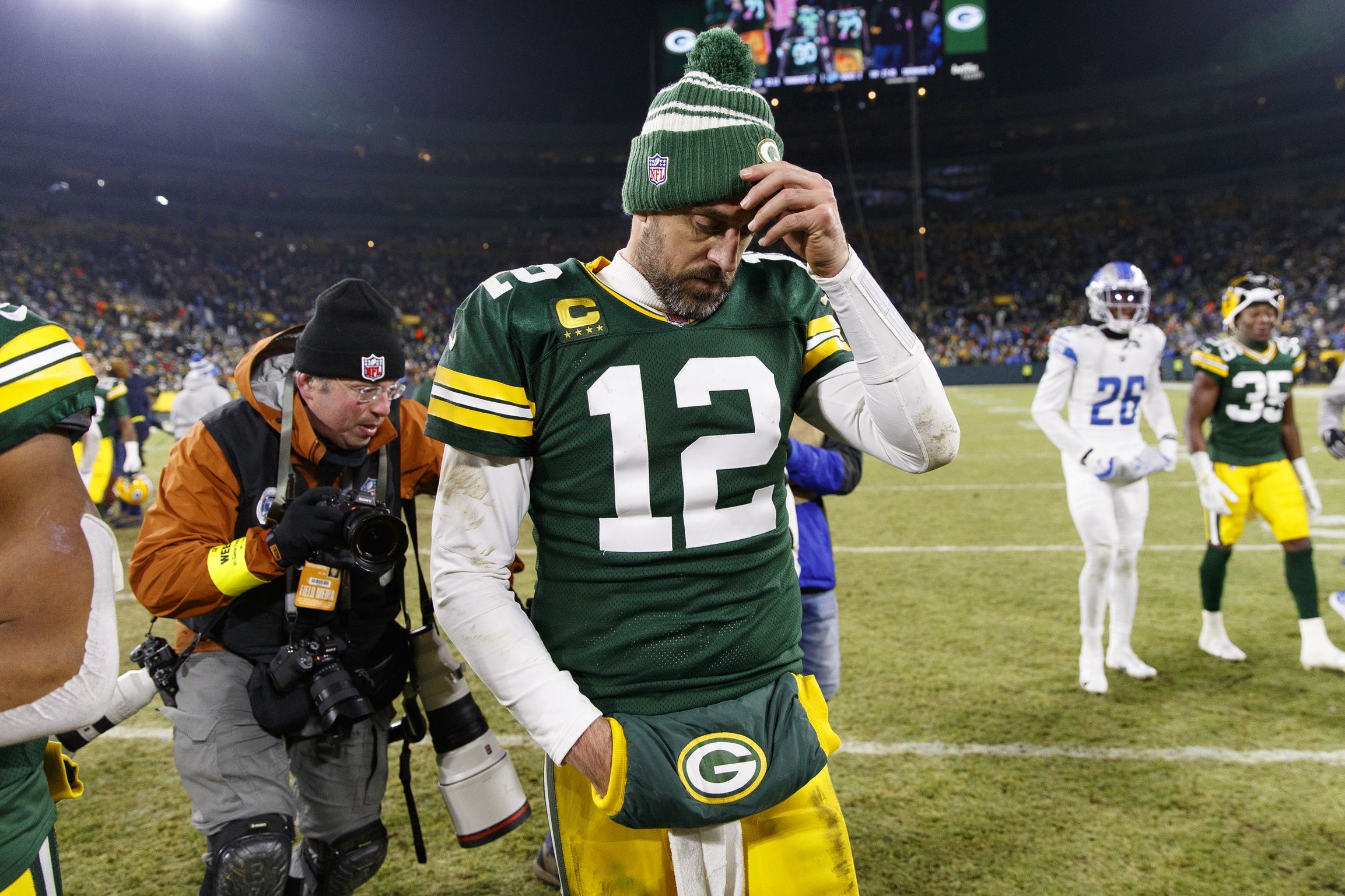
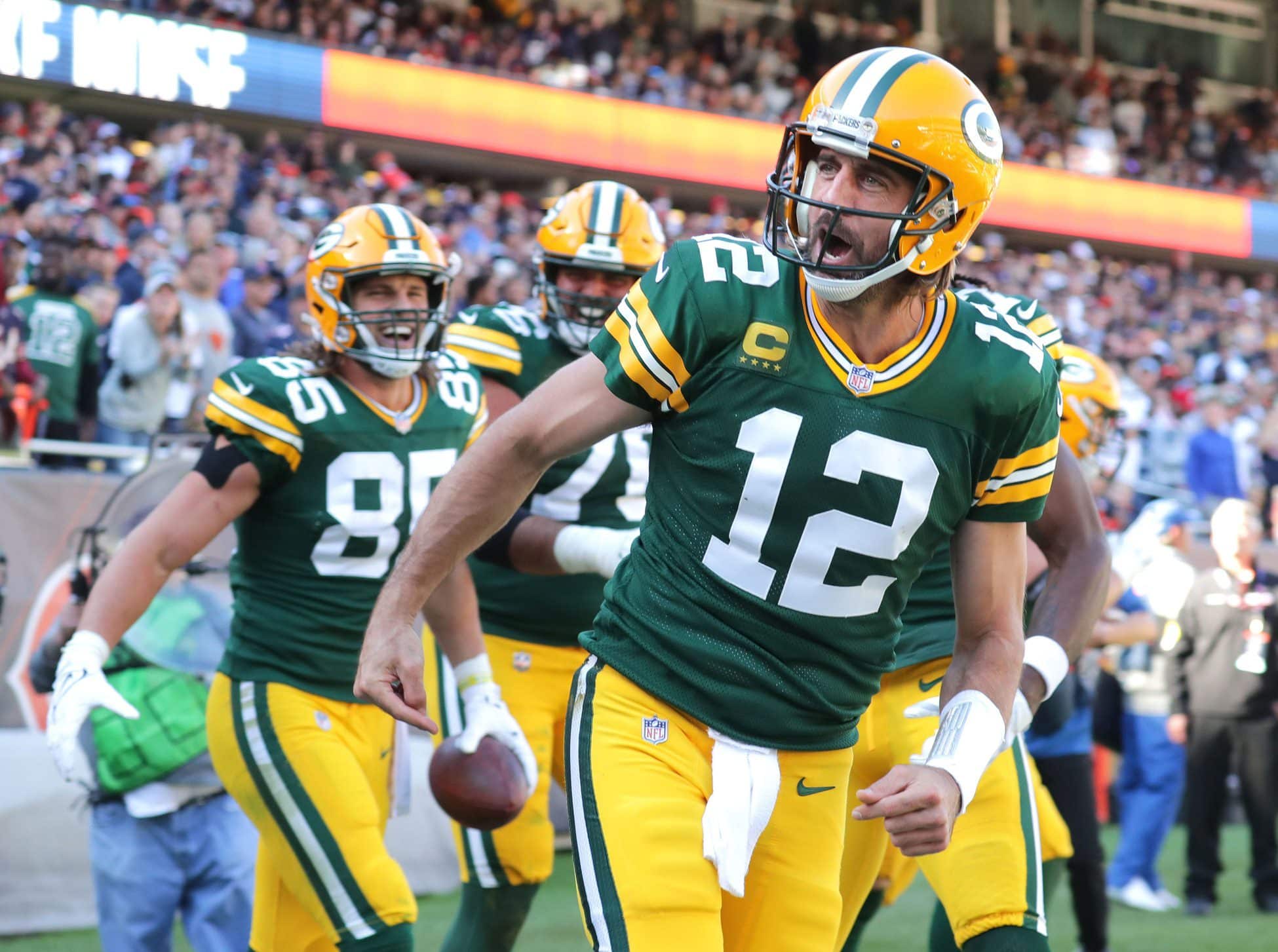
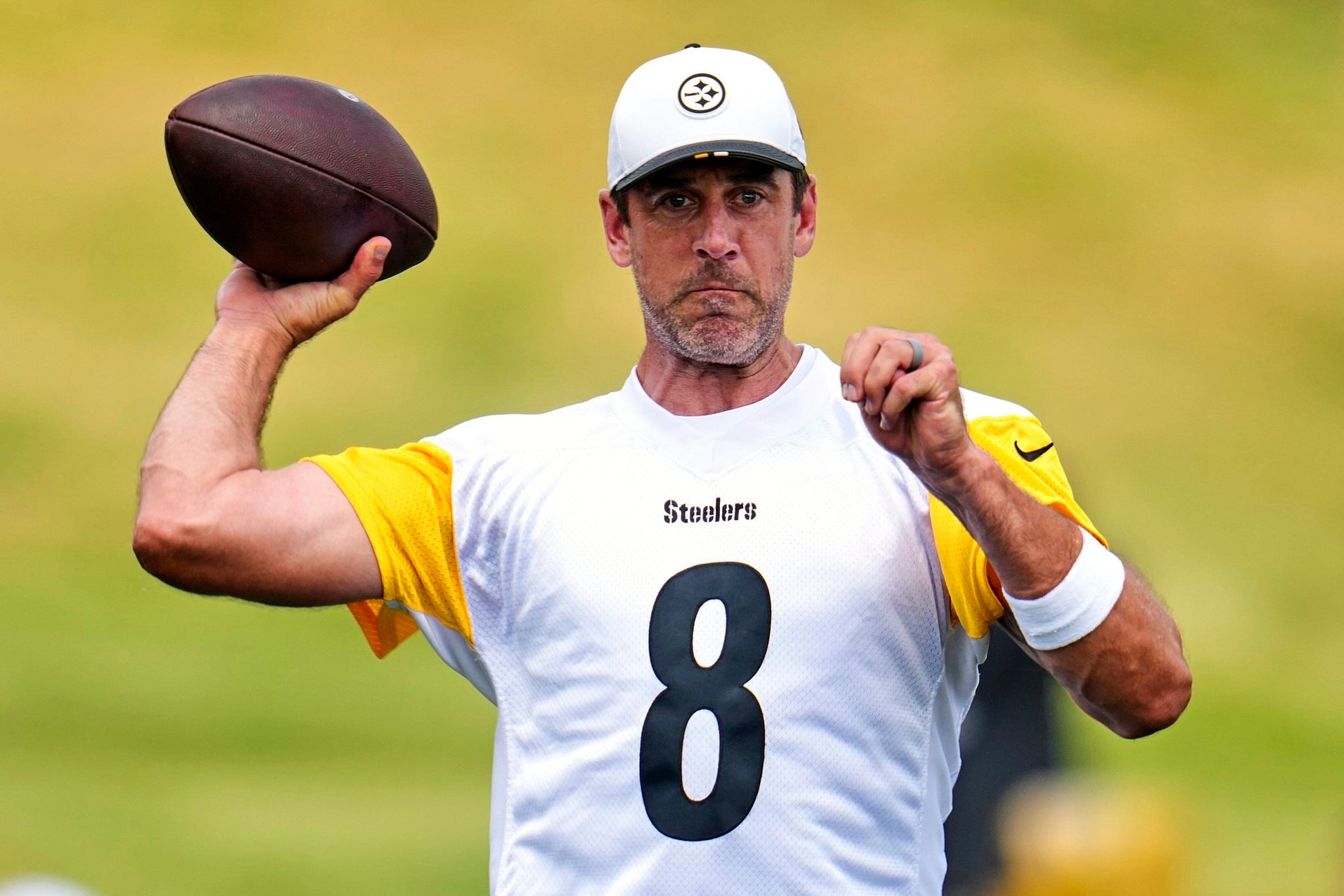
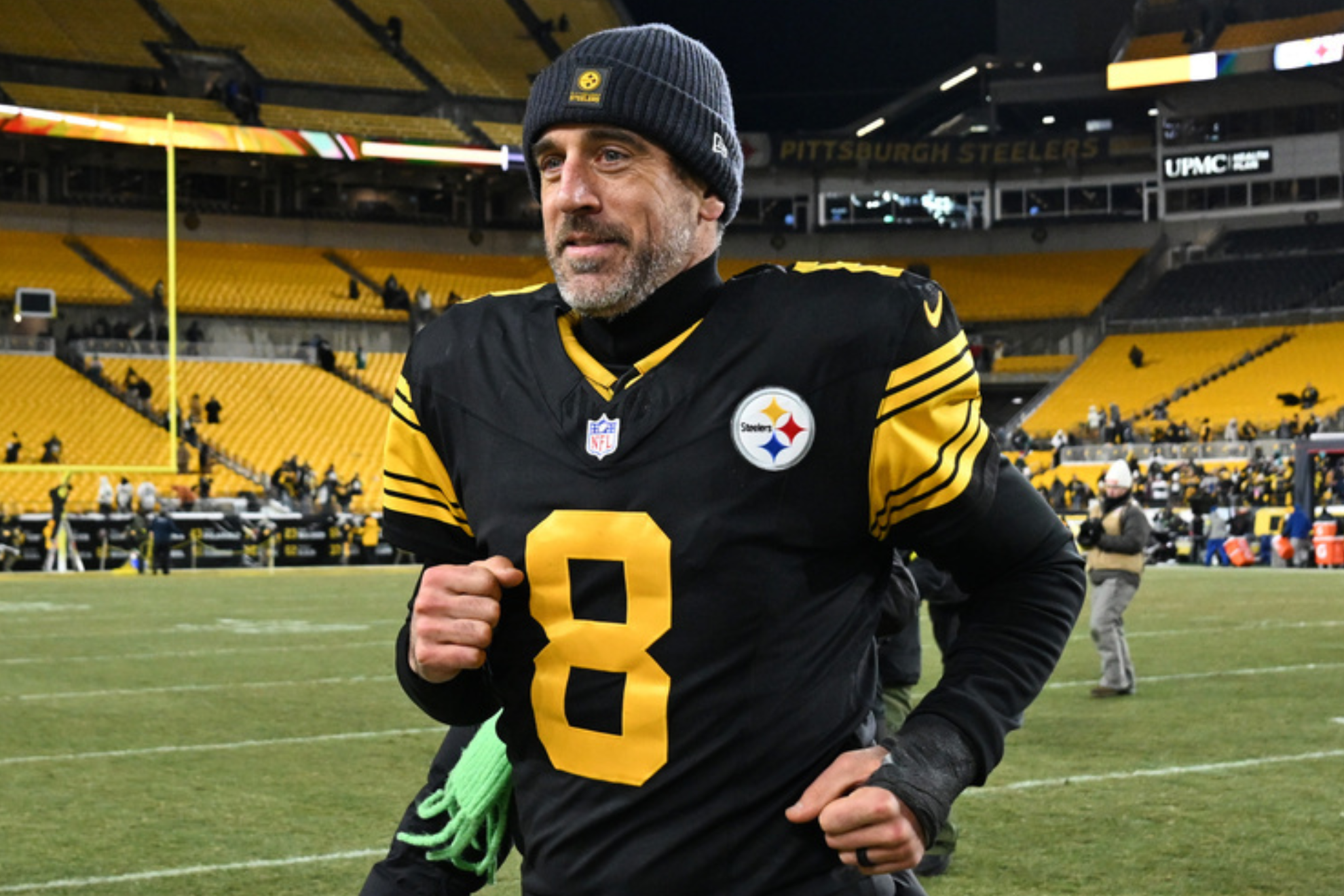
Aaron Rodgers stands at the definitive twilight of one of the most remarkable careers in National Football League history. While retirement speculation has shadowed the four-time Most Valuable Player in recent seasons, the latest news surrounding his status focuses on contract structure, physical recovery, legacy considerations, and post-career plans. Whether his final snap occurs immediately or after one last push, the end of Rodgers' playing era represents a major operational and cultural shift for the NFL.
Current Status: Where Aaron Rodgers Stands on Retirement and His NFL Future
The conversation surrounding Aaron Rodgers' retirement has evolved from seasonal speculation into an active transition plan. Following a legendary 18-season run with the Green Bay Packers and a high-profile move to the New York Jets, Rodgers' career trajectory has been dictated by a combination of major injury recovery, franchise restructuring, and personal timeline evaluations.
At this stage of a Hall of Fame career, decision-making shifts from long-term team building to year-to-year physical and mental assessment. Rodgers has consistently emphasized that his decision to continue playing depends on three primary variables: physical capability, competitive drive, and structural alignment with team ownership and coaching staff.
Unlike early-career contract extensions designed for long-term roster stability, recent contractual arrangements for veteran quarterbacks in Rodgers' age bracket feature flexible structures, void years, and cap-neutral exit options. These provisions allow both the player and the franchise to execute a clean break when the time comes, minimizing dead-money penalties while giving the player full autonomy over his retirement announcement.
Career Transition Timeline:
- Drafted (2005)
- Packers Starter (2008)
- Super Bowl XLV (2011)
- 4x MVP Era
- Jets Trade (2023)
- Final Chapter / Retirement
Decisive Factors Influencing Rodgers' Retirement Timeline
Determining the exact moment to walk away from professional football involves complex athletic, financial, and organizational calculations. For a veteran quarterback of Rodgers' stature, several key elements influence the ultimate announcement:
- Physical Durability and Health Maintenance: Recovering from serious lower-extremity injuries becomes exponentially harder past age 40. Managing joint strain, soft-tissue health, and week-to-week recovery demands unprecedented medical and training discipline.
- Roster Competitiveness: Rodgers has repeatedly noted that he has no interest in participating in a ground-up rebuild. A roster capable of competing deep into the postseason remains a strict prerequisite for continuing to play.
- Organizational Alignment: Surrounding a veteran signal-caller with preferred offensive schemes, compatible coaching leadership, and familiar personnel is critical to maintaining high-level performance.
- Post-Career Readiness: Establishing commercial partnerships, media commitments, and personal venture investments provides a clear off-ramp from the daily grind of professional sports.
Evaluating these variables requires balancing short-term competitive desires against long-term physical wellbeing. When the operational burden of offseason preparation outweighs the incentive of Sunday competition, retirement becomes the rational outcome.
A Legacy Defined: Career Milestones, Statistical Dominance, and Game Impact
Evaluating Aaron Rodgers' legacy requires looking beyond total passing yardage to examine efficiency, ball security, and technical execution. Rodgers fundamentally redefined quarterback play through unprecedented touchdown-to-interception ratios, elite pocket mobility, and extraordinary pre-snap manipulation.
During his tenure in Green Bay, Rodgers led the Packers to a victory in Super Bowl XLV, earned SB XLV MVP honors, and secured four NFL MVP awards (2011, 2014, 2020, 2021)—a total second only to Peyton Manning in league history. His 2011 season featured a 122.5 passer rating, which remains the highest single-season mark in NFL history.
| Career Milestone / Metric | Historic Record / Statistic | NFL Context & Distinction |
|---|---|---|
| NFL MVP Awards | 4 (2011, 2014, 2020, 2021) | Second most all-time (behind Peyton Manning's 5) |
| Super Bowl Titles | Super Bowl XLV Champion & MVP | Defeated Pittsburgh Steelers (2010 Season) |
| Single-Season Passer Rating | 122.5 (2011 Season) | All-time highest single-season NFL record |
| Career TD-to-INT Ratio | ~4.5 to 1 (475+ TDs to <115 INTs) | Highest efficiency ratio among quarterbacks with 1,000+ attempts |
| Passer Rating Thresholds | 100.0+ Career Rating | One of the most efficient passers in modern league history |
| Pro Bowl Selections | 10 Selections | Standard-bearer for NFC quarterback play across two decades |
Beyond raw statistics, Rodgers altered how defenses approach the pre-snap phase. His mastery of the hard count yielded dozens of free plays throughout his career, creating a distinct mathematical advantage. Furthermore, his ability to execute off-platform throws with velocity and pinpoint accuracy set the template for the modern generation of mobile, arm-talented quarterbacks.
Transitioning Beyond the Field: Financial, Media, and Post-NFL Opportunities
The modern NFL star rarely steps away into total obscurity. For Aaron Rodgers, the transition out of professional football opens substantial avenues across sports broadcasting, media production, and private enterprise.
Post-NFL Career Avenues:
- Executive/Ownership Stake
- Regional Sports / Venture Capital
- Media & Broadcasting
- Weekly Commentary / Podcast Platforms
- Philanthropy & Health
- Foundation Work / Integrative Wellness
Broadcasting and Media Ventures
Rodgers has already established a major presence in modern sports media. Through regular appearances on high-profile digital shows and independent podcasts, he demonstrated an ability to drive national sports narratives outside traditional network studio shows. Broadcast networks and streaming platforms routinely pursue high-IQ former quarterbacks for color commentary and analyst roles, offering multi-million-dollar deals with significantly reduced physical demands.
Venture Capital and Corporate Partnerships
Throughout his playing career, Rodgers expanded his business footprint beyond standard endorsement deals. His investments span sports technology, alternative healthcare, consumer lifestyle brands, and minority equity in sports franchises (such as his stake in the NBA's Milwaukee Bucks). Transitioning to full-time entrepreneurship allows him to manage portfolio growth and take active board roles within high-growth startups.
Pro Football Hall of Fame Eligibility
The moment a player officially submits retirement paperwork to the NFL Management Council, a mandatory five-year waiting period begins before Pro Football Hall of Fame eligibility kicks in. Given his credentials, Rodgers is guaranteed first-ballot election to Canton, Ohio. This five-year window serves as a structured timeline for celebratory retrospective coverage, documentary productions, and formal franchise honor rolls.
Impact on Franchises: How the Jets and Packers Plan for Life After Rodgers
A legendary quarterback's retirement creates ripple effects across multiple franchises, reshaping salary cap structures, draft strategies, and leadership dynamics.
Green Bay Packers Roster Continuity
The Packers executed a deliberate succession plan by selecting Jordan Love in the first round of the 2020 NFL Draft. Love sat behind Rodgers for three seasons before taking over as the full-time starter in 2023. This approach mirrored Rodgers' own developmental path behind Brett Favre from 2005 to 2007, stabilizing the franchise's long-term competitive window without enduring a multi-year teardown.
New York Jets Salary Cap and Quarterback Strategy
For the New York Jets, Rodgers' eventual departure requires careful financial management. The franchise structured his contract with flexible options and voidable years to manage short-term cap hits while competing. Once retirement occurs, the front office must navigate remaining dead-money charges across subsequent salary cap cycles while aggressively scouting young talent through the NFL Draft or identifying veteran bridging options.
Frequently Asked Questions About Aaron Rodgers' Retirement
Has Aaron Rodgers officially filed his retirement paperwork with the NFL?
No official retirement paperwork has been filed with the league office until a formal announcement is made by the player and his representatives. Players often announce their intentions publicly before finalizing legal paperwork with the NFL Management Council and the NFL Players Association (NFLPA).
How does retirement affect a player's contract and team salary cap?
When an NFL player retires with years remaining on his contract, the team places him on the Reserve/Retired list. The player forfeits remaining unearned base salary, while remaining unamortized signing bonus money accelerates onto the team's salary cap as dead money, depending on whether the designation occurs pre- or post-June 1.
When will Aaron Rodgers be eligible for the Pro Football Hall of Fame?
Under Pro Football Hall of Fame selection rules, a player must be fully retired for five consecutive seasons before becoming eligible for nomination. If Rodgers officially retires following his current playing tenure, he will be eligible for first-ballot selection five years from his retirement date.
How many MVP awards did Aaron Rodgers win during his career?
Aaron Rodgers won four NFL Most Valuable Player awards (2011, 2014, 2020, and 2021). All four MVP honors were earned during his tenure with the Green Bay Packers, placing him second all-time behind Peyton Manning, who won five.
What is Aaron Rodgers' career record in Super Bowls?
Aaron Rodgers reached one Super Bowl during his career: Super Bowl XLV at the conclusion of the 2010 regular season. The Green Bay Packers defeated the Pittsburgh Steelers 31-25 on February 6, 2011, with Rodgers completing 24 of 39 passes for 304 yards, three touchdowns, and zero interceptions to earn Super Bowl MVP honors.
How does Rodgers' touchdown-to-interception ratio compare to other NFL quarterbacks?
Aaron Rodgers holds the most efficient touchdown-to-interception ratio in NFL history among qualified passers. Maintaining a ratio of roughly 4.5 touchdowns for every single interception, he consistently outperformed hall-of-fame peers like Tom Brady, Peyton Manning, and Drew Brees in minimizing turnover frequency while maintaining high passing volume.
Key Indicators to Watch as the Decision Nears
As Aaron Rodgers approaches the formal conclusion of his legendary NFL career, fans, analysts, and front offices should watch several key operational indicators:
- Contractual Re-structures: Look for post-season contract adjustments, such as converting base salary to option bonuses or adding void years, which frequently signal an impending transition.
- Roster Movements: Pay close attention to how the franchise handles personnel contracts for veteran receivers and offensive linemen historically aligned with Rodgers.
- Key Offseason Deadlines: Track the NFL league year start date in March, as roster bonuses and contract guarantees usually mandate a final decision prior to free agency.
- Official Statements: Rely on direct statements from Rodgers, his agency, or official franchise press releases rather than unverified social media speculation.
Watching these metrics provides clear insight into whether the four-time MVP will put on the pads for one final campaign or officially step away to begin his Hall of Fame countdown.