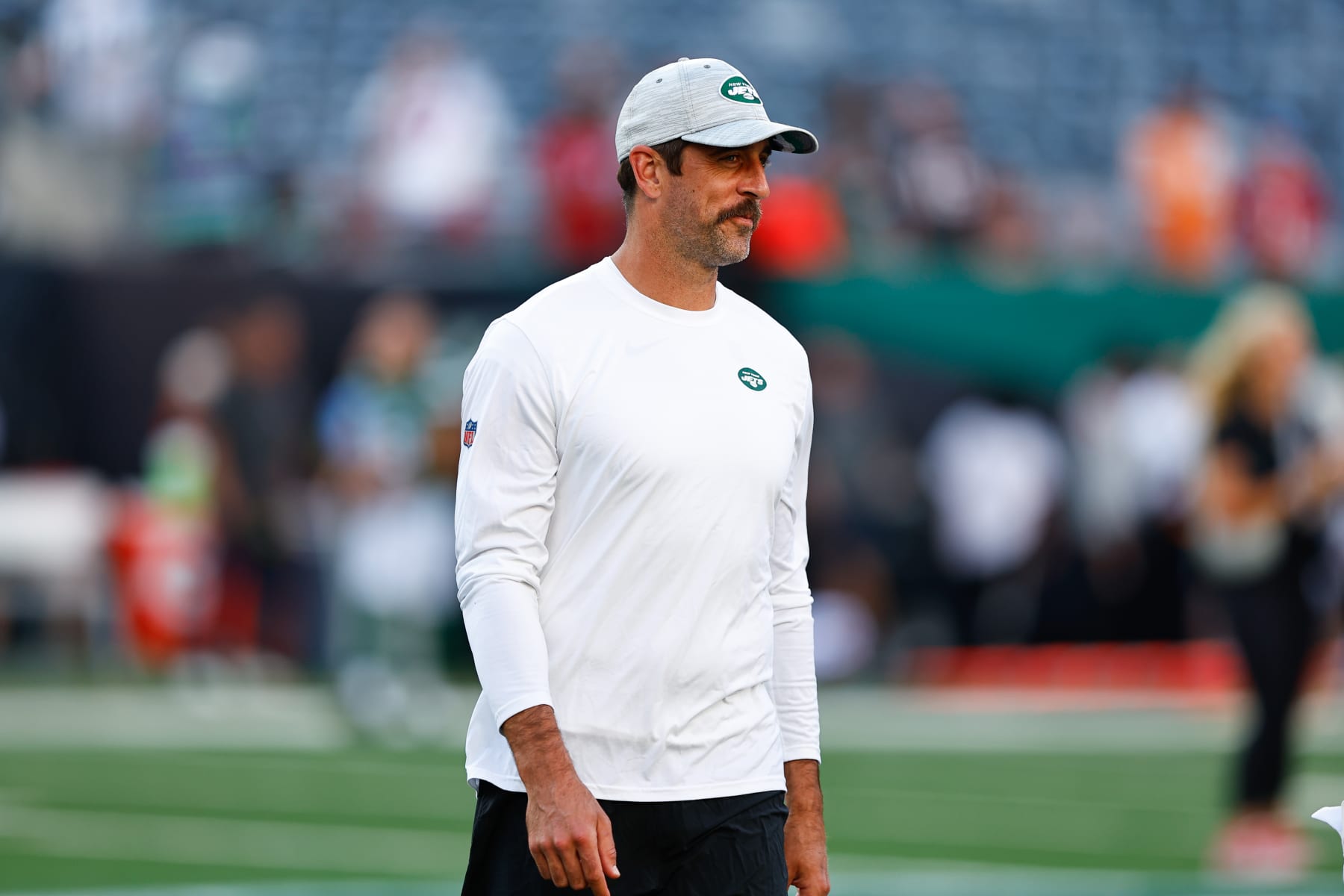
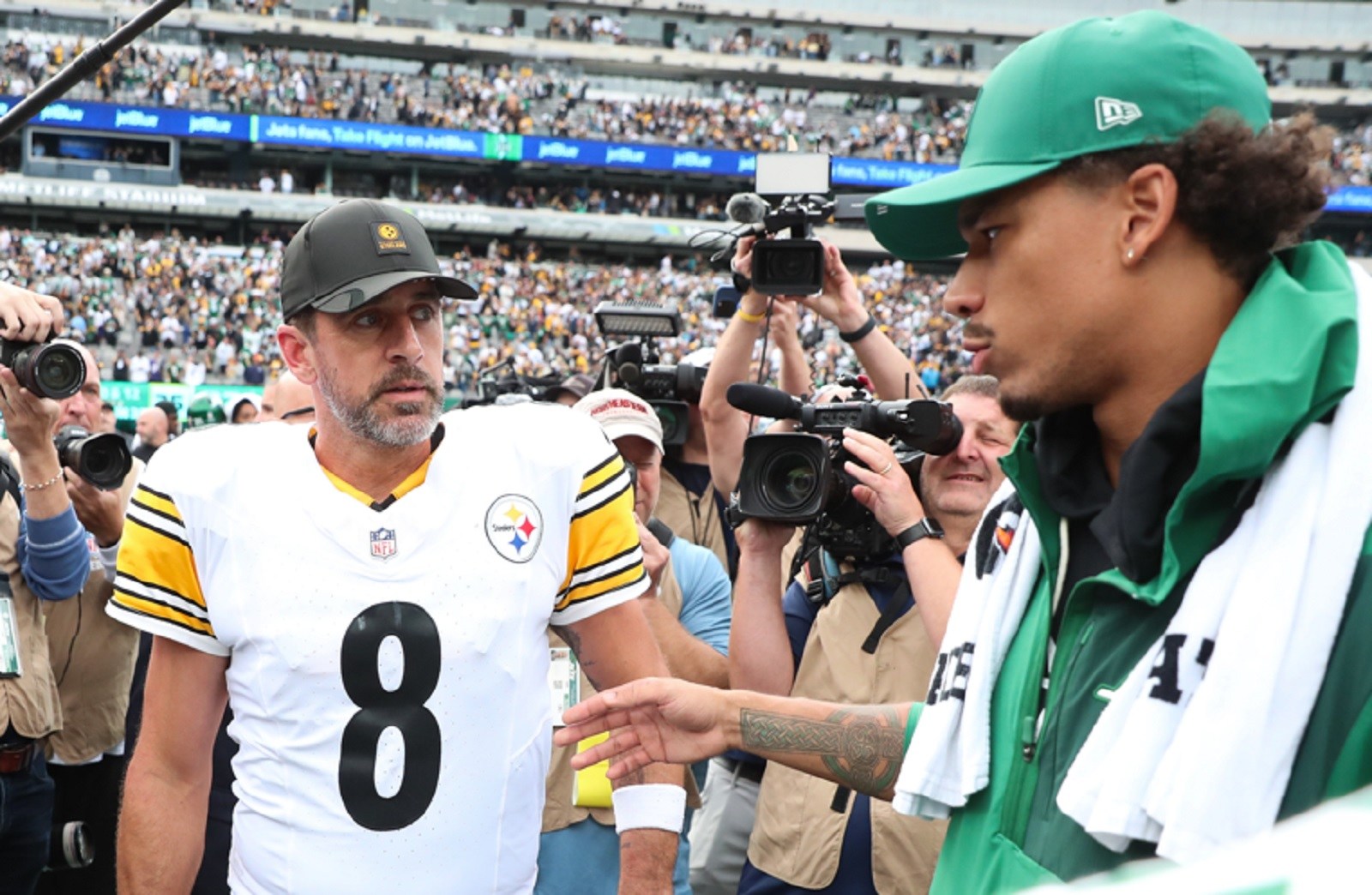
Aaron Rodgers' debut with the New York Jets remains one of the most dramatic spectacles in NFL history. Initially framed as an "epic arrival" to save a struggling franchise, the journey was immediately marred by a season-ending injury, leading to years of "growing pains" as the team reconciled veteran leadership with the harsh realities of roster depth and aging elite talent.
When Aaron Rodgers was traded from the Green Bay Packers to the New York Jets in April 2023, it wasn't just a personnel move; it was a cultural earthquake. For a franchise that had wandered the quarterback desert since the days of Joe Namath, Rodgers represented the ultimate oasis. However, the line between a legendary debut and a catastrophic setback proved to be razor-thin. As we evaluate this era from the perspective of 2026, it is clear that the Rodgers experiment was a complex tapestry of high-octane marketing, unfortunate medical outcomes, and the difficult transition of a storied veteran into a new, pressurized environment.
The Epic Arrival: Hype, Hard Knocks, and Hope
The "epic" nature of Aaron Rodgers' arrival in New York cannot be overstated. After 18 seasons in Green Bay, the four-time MVP brought a level of gravitas to Florham Park that the Jets had arguably never experienced. The summer of 2023 was defined by the "Rodgers Effect," which saw ticket sales skyrocket, jersey numbers dominate the streets of Manhattan, and the team becoming the focal point of the NFL’s "Hard Knocks" documentary series.
Rodgers embraced the spotlight with a level of charisma that suggested a seamless transition. He was seen at Knicks games, Taylor Swift concerts, and Broadway shows, signaling to the New York faithful that he was fully invested in the city's culture. On the practice field, the arrival was equally epic. Young stars like Garrett Wilson and Sauce Gardner spoke openly about the "masterclass" Rodgers provided daily. The technical depth he brought—adjusting protections at the line, the no-look passes, and the demanding "free play" mentality—transformed the Jets from a defensive-heavy squad into a perceived Super Bowl contender overnight.
However, the "epic" arrival also created a dangerous vacuum. The organization leaned so heavily into Rodgers’ preferences—hiring offensive coordinator Nathaniel Hackett and signing former Packers teammates like Allen Lazard and Randall Cobb—that the team’s identity became entirely dependent on one man. This set the stage for the dramatic tension between the "arrival" and the "growing pains" that would follow.
The Four-Snap Disaster: A Debut Cut Short
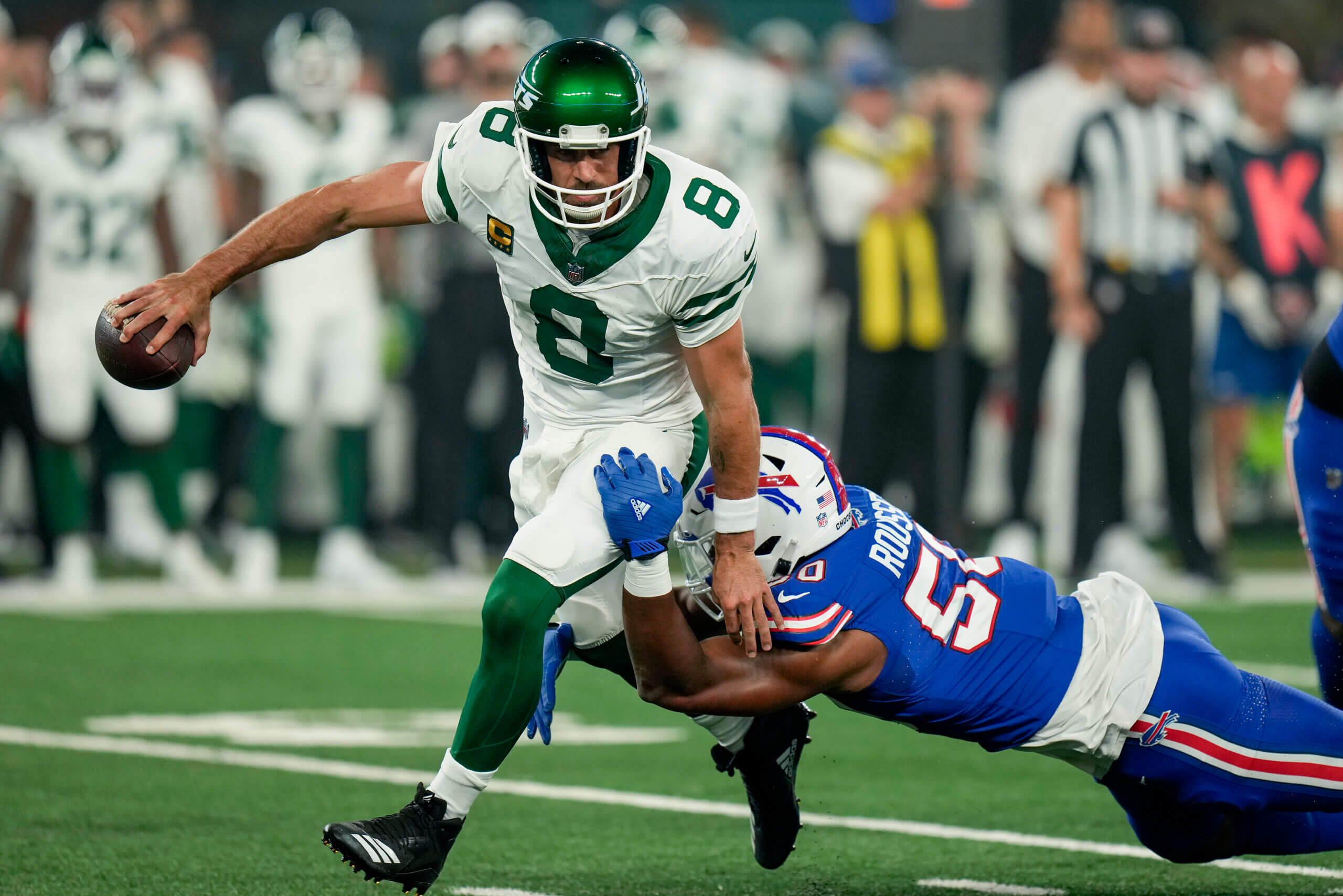
The official debut occurred on September 11, 2023, a Monday Night Football matchup against the Buffalo Bills. The atmosphere at MetLife Stadium was electric, featuring a pre-game introduction where Rodgers ran onto the field carrying the American flag to a thunderous ovation. It was, for approximately ten minutes, the most successful branding exercise in the history of the New York Jets.
Then, reality intervened. On just the fourth play from scrimmage, Rodgers was sacked by Leonard Floyd. What appeared to be a standard tackle resulted in a torn left Achilles tendon. In an instant, the "epic arrival" was halted. The Jets would go on to win that game in a miraculous defensive and special teams effort, but the season’s trajectory was permanently altered.
This moment forced the Jets into a premature "growing pains" phase. Without Rodgers, the team had to revert to Zach Wilson and a rotating cast of backup quarterbacks. The technical infrastructure built for a Hall of Fame processor was suddenly being operated by inexperienced players, leading to a breakdown in offensive efficiency. The 2023 season became a bridge to 2024, but it exposed the fragility of a "win-now" roster built around a 39-year-old centerpiece.
The 2024 Comeback: Navigating On-Field Growing Pains
While 2023 was defined by the injury, 2024 was the year of actual football "growing pains." Rodgers returned to the field for a second "debut" against the San Francisco 49ers, but the version of the offense that emerged was not the high-flying juggernaut many expected. The transition back to full-speed NFL action for a quarterback in his early 40s coming off a major tendon rupture was fraught with mechanical and tactical hurdles.
Defensive Adjustments and Pocket Mobility
The primary growing pain in 2024 was Rodgers' reduced mobility. While he remained one of the most accurate passers in the league from a clean pocket, the "off-schedule" plays that defined his MVP years in Green Bay were less frequent. Defenses adapted by using "simulated pressures" to collapse the pocket, forcing Rodgers to get rid of the ball faster than he might have liked. This led to a higher volume of short, rhythmic passes but fewer of the deep-shot explosive plays that the Jets' offense needed to compete with elite AFC rivals.
Chemistry with the "New Guard"
Another significant hurdle was the synchronization between Rodgers and his young receiving corps. While Garrett Wilson eventually developed into a premier target, the early weeks of the 2024 season were marked by visible frustration on the sidelines. Rodgers’ offense requires receivers to read the same coverage shells as the quarterback in real-time. The "growing pains" here were literal: young players had to unlearn standard route trees and learn the "Rodgers way" of adjusting routes based on safety rotation and leverage.
Statistical Comparison: Expectation vs. Reality
To understand the scope of the Rodgers era, it is helpful to look at the numbers. The following table compares his peak Green Bay efficiency with the reality of his tenure in New York (based on 2024-2025 performance data).
| Metric | Green Bay Peak (2020-2021) | NY Jets Era (2024-2025) | Impact Analysis |
|---|---|---|---|
| Passer Rating | 116.7 | 94.2 | Decline due to reduced explosive play rate. |
| TD/INT Ratio | 9.2:1 | 3.5:1 | Increased risk-taking to compensate for deficit. |
| Sack % | 3.8% | 6.4% | Result of diminished pocket mobility post-injury. |
| Third Down Conv. | 49.5% | 41.2% | Struggles with pass protection consistency. |
| Average YPA | 8.2 | 7.1 | Shift toward a more conservative, short-passing game. |
The data suggests that while Rodgers remained a top-tier starter, the "epic arrival" did not translate into a statistically dominant era. The "growing pains" were reflected in a more grounded, veteran-managed offense that relied heavily on a top-five defense to remain competitive.
The Cultural and Institutional Shift
Beyond the box score, the Aaron Rodgers era forced the New York Jets into an institutional evolution. For decades, the Jets were a team that struggled with "sameness"—a cycle of high draft picks followed by regime changes. Rodgers broke that cycle by forcing the organization to operate like a heavyweight.
The "growing pains" at the corporate level were significant. The front office had to navigate the cap implications of a massive veteran contract while also trying to retain young talent like Breece Hall and Sauce Gardner. The pressure of being a "Rodgers-led team" meant that every loss was magnified by the New York media. The "epic arrival" brought the eyes of the world, but the "growing pains" brought the scrutiny of the world.
From a technical coaching standpoint, the Jets had to adapt. Robert Saleh’s defensive philosophy remained elite, but the offensive coaching staff faced constant questions regarding their autonomy. The perception that Rodgers was "the real offensive coordinator" created a unique power dynamic that required delicate management to ensure locker room cohesion.
2026 Hindsight: Was the Experiment Successful?
Looking back from 2026, the verdict on Aaron Rodgers' debut and subsequent tenure is nuanced. If the goal was an immediate Super Bowl trophy, the "epic arrival" fell short of its loftiest promises. The 2023 injury was a "black swan" event that no amount of planning could have mitigated.
However, if the goal was to change the trajectory of the franchise, there is a strong argument for success. Rodgers provided the Jets with a blueprint for professional excellence. He raised the standard for what is expected from a quarterback in New York and proved that the Jets could be a destination for elite talent. The "growing pains" of 2024 and 2025—the offensive line struggles, the coaching adjustments, and the aging curve—were the price of admission for a seat at the adult table of the NFL.
Frequently Asked Questions
What was the exact date of Aaron Rodgers' official Jets debut?
Aaron Rodgers made his official debut for the New York Jets on September 11, 2023, during a Monday Night Football game against the Buffalo Bills at MetLife Stadium. Despite the massive buildup, his night ended after just four offensive snaps due to a torn Achilles.
How did the Jets' offensive strategy change after Rodgers' injury?
Immediately following the injury in 2023, the Jets had to simplify their playbook significantly. The complex, choice-based route system Rodgers favored was too difficult to execute with backup quarterbacks. In 2024, upon his return, the team implemented a "quick-game" strategy designed to protect Rodgers' lower body by getting the ball out of his hands in under 2.5 seconds.
Who were the key players brought in specifically to support Rodgers?
The Jets signed several former Packers to ease Rodgers' transition, most notably wide receivers Allen Lazard and Randall Cobb, and offensive coordinator Nathaniel Hackett. Later, the team continued to build around his needs by investing heavily in the offensive line, including veteran tackles and high-draft-pick guards to ensure his pocket remained clean.
Did Aaron Rodgers ever reach his Green Bay MVP form in New York?
While Rodgers showed flashes of brilliance and elite accuracy, he did not consistently replicate his 2020-2021 MVP statistics. The combination of age, the 2023 injury, and the high-caliber defenses of the AFC East resulted in a more efficient, "game-manager plus" style of play rather than the dominant statistical outlier he was in Green Bay.
What is the lasting legacy of the Rodgers trade for the Jets?
The legacy is twofold: it provided a much-needed jolt of professional standards and national relevance to a dormant franchise, but it also serve as a reminder of the risks involved in "all-in" veteran acquisitions. The Jets became more attractive to free agents, but the team's depth was tested by the financial and draft-pick costs associated with the trade.
Analysis of the Long-Term Path Forward
For teams looking to replicate the "epic arrival" model, the Aaron Rodgers-Jets saga provides several critical takeaways. First, veteran acquisitions must be paired with an elite offensive line; no amount of quarterback talent can overcome a porous front when that quarterback is over the age of 38. Second, the "growing pains" of a scheme change are often more significant than fans or media anticipate, especially when the scheme is tied to a specific player’s historical preferences rather than the current roster's strengths.
Moving forward, the New York Jets must leverage the lessons of the Rodgers era to build a more sustainable, balanced team. The "epic arrival" provided the spark, but the "growing pains" provided the wisdom. Success in the post-Rodgers years will depend on whether the organization can maintain the high standards he introduced while returning to a more diversified approach to roster building and offensive philosophy.