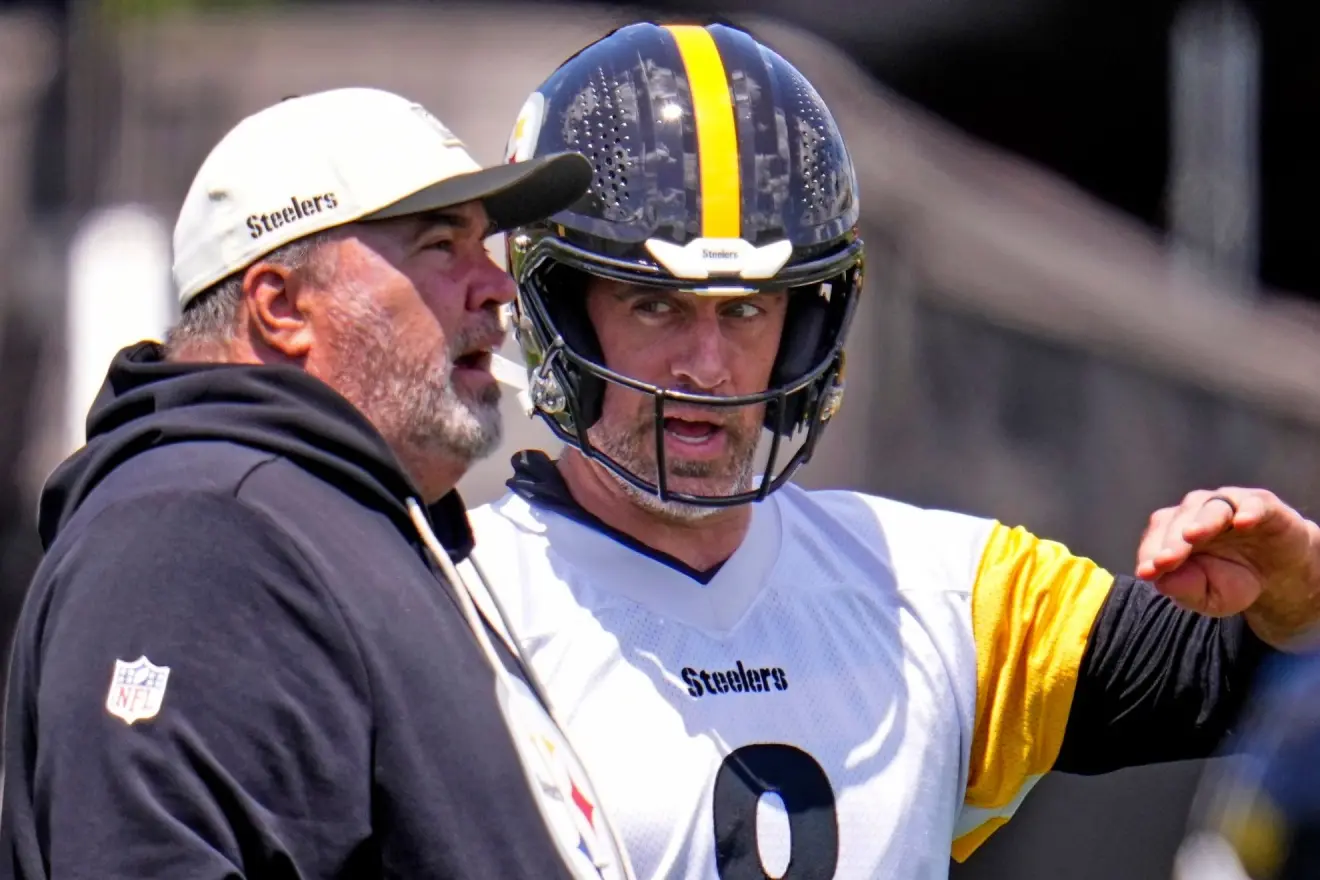
The controversy surrounding Aaron Rodgers and the Jeffrey Epstein flight logs stems from a January 2024 exchange on The Pat McAfee Show, where Rodgers suggested comedian Jimmy Kimmel’s name might appear in unsealed documents. While the "unseen story" refers to Rodgers’ skepticism of mainstream narratives, no evidence ever linked Kimmel to Epstein’s activities.
The Genesis of the Controversy: That Pat McAfee Show Appearance
To understand the intersection of Aaron Rodgers and the Jeffrey Epstein saga, one must look back at the volatile media climate of early 2024. During his weekly appearance on ESPN’s The Pat McAfee Show, Rodgers made a cryptic and inflammatory comment regarding the impending release of court documents related to a 2015 lawsuit involving Virginia Giuffre and Ghislaine Maxwell. Rodgers stated, "There’s a lot of people, including Jimmy Kimmel, who are really hoping that [the list] doesn’t come out."
This comment did not exist in a vacuum. It was the culmination of a multi-year public feud between the NFL quarterback and the late-night host. Kimmel had previously mocked Rodgers for his stances on the COVID-19 vaccine and his interest in "fringe" topics like UFOs and alternative medicine. Rodgers’ mention of the "Epstein list" was viewed by many as a retaliatory strike, using one of the most toxic associations in modern history to damage a critic's reputation.
However, the "unseen story" here is not just about a celebrity spat. It represents a fundamental shift in how high-profile athletes interact with traditional media. Rodgers, a four-time NFL MVP, leveraged his platform to bypass traditional journalism, speaking directly to a massive audience on a show known for its loose, conversational style. This allowed a specific "truth" to be broadcast to millions before any factual verification could occur.
Analyzing the Flight Logs: Fact vs. Fiction in the Epstein Files
The term "Epstein List" is often used colloquially to describe several different sets of documents. To navigate the truth and lies of this story, it is essential to distinguish between the various records that have been made public.
- The Flight Logs: These are the pilot logs from Epstein’s private planes, including the "Lolita Express." These logs have been circulating in various forms for years and include names of politicians, celebrities, and academics who traveled on the aircraft.
- The Black Book: This is Epstein’s personal address book, which contains names and contact information for thousands of individuals, many of whom were never accused of wrongdoing.
- The Unsealed Court Documents: These are the files released in early 2024 from the civil case involving Virginia Giuffre. These documents contained names of individuals mentioned in depositions, ranging from alleged victims to world leaders and casual acquaintances.
Despite Rodgers’ suggestion, Jimmy Kimmel’s name was never found in the flight logs or the 2024 document dumps. The "unseen story" in the public's mind was a narrative of hidden elites protecting one another, but the technical reality was a lack of any evidentiary connection. For Rodgers, the focus was on the anticipation of the release—a "truth" that he felt the mainstream media was hesitant to explore, even if his specific target was factually misplaced.
The Legal and Ethical Fallout: Rodgers vs. Kimmel
The repercussions of Rodgers’ comments were immediate and severe. Jimmy Kimmel responded via social media and during his late-night monologue, threatening legal action for defamation. Kimmel argued that Rodgers’ "reckless words" put his family in danger by associating him with a known pedophile ring.
From a legal standpoint, defamation cases involving public figures are notoriously difficult to win in the United States due to the "actual malice" standard established in New York Times Co. v. Sullivan. Kimmel would have had to prove that Rodgers knew the statement was false or acted with reckless disregard for the truth. While the lawsuit never moved forward into a courtroom, the threat highlighted the thin line between "alternative opinions" and potentially libelous accusations.
The incident forced ESPN and its parent company, Disney, into a difficult position. They were paying McAfee millions of dollars for his show while also employing Kimmel on ABC. The fallout showcased the internal tension between sports entertainment, which thrives on raw and unfiltered commentary, and corporate standards of journalistic integrity and legal risk.
The "Unseen Story": Why Rodgers Engages in Narrative Skepticism
To Rodgers, the "unseen story" is a recurring theme in his public persona. He often portrays himself as a seeker of hidden truths, or a "critical thinker" who questions the official versions of events. This philosophy extends beyond the Epstein case to topics like:
- Institutional Trust: A deep-seated skepticism of the pharmaceutical industry, government agencies (like the CDC and FDA), and traditional news outlets.
- Narrative Control: The belief that "the powers that be" use media figures to distract from significant legal or social revelations.
- The "Shadow" Agenda: Rodgers often hints at deeper layers of corruption that the public is not privy to, positioning himself as a whistleblower for his fan base.
In 2026, we can see this behavior as part of a larger cultural trend where influencers and celebrities curate their own versions of reality. For his supporters, Rodgers wasn't lying; he was "asking questions" that others were too afraid to ask. For his detractors, he was spreading dangerous misinformation to deflect from his own controversies. The "unseen story" is essentially the subjective lens through which one views power and accountability in the 21st century.
Comparative Data: Claims vs. Documented Reality
The following table summarizes the key distinctions between the public claims made during the 2024 controversy and the actual verified status of the Epstein documents as of 2026.
| Entity/Subject | Public Claim/Suggestion | Verified Status (2026) | Primary Source/Evidence |
|---|---|---|---|
| Jimmy Kimmel | Suggested presence on "The List" | Not Present | Unsealed 2024 Court Documents |
| Flight Logs | Exclusive list of co-conspirators | Log of Passengers | Pilot records from 2000-2015 |
| Aaron Rodgers | Possession of "unseen" info | Speculative | Self-reported on Pat McAfee Show |
| The "Epstein List" | Single document of criminals | Multiple Documents | Giuffre v. Maxwell Court Records |
| Media Accountability | Intentional suppression of names | Mixed/Inconclusive | Journalist reporting vs. Court timing |
Impact on Sports Media and Athlete Autonomy
The Rodgers-Epstein-Kimmel saga changed the landscape of sports media permanently. By 2026, the "Rodgers Rule" is an informal term used by networks to describe the vetting process for live, unscripted segments with high-profile athletes.
Athletes have moved from being subjects of the news to being the primary broadcasters of it. This autonomy allows them to bypass the traditional "gatekeepers" of truth, which can be both empowering and dangerous. In Rodgers' case, his platform allowed him to challenge a mainstream figure like Kimmel, but it also demonstrated how easily a "lie" or an "unseen story" can be weaponized without the friction of editorial oversight.
This shift has led to a more fragmented audience. Fans of Rodgers often reside in an information silo where his claims are taken as gospel, while critics reside in a silo where he is viewed as a conspiracy theorist. The "unseen story" is rarely about the facts of the Epstein case anymore; it is about which side of the cultural divide a person occupies.
Verifying the Facts: How to Access Real Documents
For those seeking the actual "truth" behind the Epstein files, rather than the "lies" or "unseen stories" circulated by media personalities, the information is publicly accessible.
- PACER (Public Access to Court Electronic Records): The most reliable way to view the unsealed documents from the Giuffre v. Maxwell case. Users can search for case number 1:15-cv-07433.
- Reputable Investigative Repositories: Organizations like The Miami Herald, which was instrumental in uncovering the Epstein story, maintain archived and searchable databases of the flight logs and court transcripts.
- The DOJ Official Releases: Periodic updates from the Department of Justice regarding the ongoing investigations into Epstein’s associates provide the most accurate legal context.
By relying on these primary sources, one can separate the sensationalist claims made on talk shows from the documented evidence presented in a court of law.
FAQ: Clarifying the Aaron Rodgers and Epstein Controversy
Did Aaron Rodgers actually name Jimmy Kimmel as an associate of Jeffrey Epstein?
No, Rodgers did not explicitly state that Kimmel was an associate or involved in any criminal activity. He suggested that Kimmel would be "hoping" the list didn't come out, which implied a connection without providing evidence. This distinction was a central point of debate regarding whether the statement was a direct accusation or a rhetorical jab.
Was Jimmy Kimmel’s name on the Epstein flight logs?
No. Exhaustive searches of the flight logs released to the public and the court documents unsealed in 2024 show no mention of Jimmy Kimmel. The comedian has consistently denied any involvement or connection to Jeffrey Epstein.
Why did Aaron Rodgers bring up Epstein during a sports interview?
Rodgers often uses his media appearances to discuss topics outside of football, including philosophy, politics, and social issues. In this instance, the comment appeared to be a response to Kimmel’s long-standing criticism of Rodgers’ personal choices and public statements.
What were the "Epstein Files" released in early 2024?
The 2024 release consisted of approximately 4,500 pages of documents from a 2015 civil lawsuit. These included depositions, motions, and emails that mentioned roughly 150 people. While some names were well-known, many were individuals who were simply mentioned during testimony and were not accused of crimes.
Did Pat McAfee apologize for the incident?
Yes, Pat McAfee issued an apology shortly after the segment aired, stating that Rodgers was "just trying to talk s***" and that the show did not intend to spread serious allegations against Kimmel. McAfee emphasized that the show is meant to be an "escape" and not a source of defamatory news.
Has Aaron Rodgers retracted his statements?
Rodgers did not issue a formal apology but later clarified his comments, stating that he was not calling Kimmel a pedophile and that he was glad Kimmel was not on the list. He shifted the focus to his broader critique of the media and the importance of government transparency.
Navigating Information in the Post-Truth Era
The primary takeaway from the "Aaron Rodgers Epstein truth lies and the unseen story" saga is the necessity of radical media literacy. When a high-profile figure makes a claim that aligns with a specific narrative, it is vital to cross-reference that claim with primary documents rather than secondary commentary. In 2026, the barrier to entry for spreading a narrative is lower than ever, making the "unseen story" often a reflection of the speaker's bias rather than a hidden reality.
To verify such claims in the future, always prioritize court-certified records over live-broadcast speculation. If a claim involves a specific individual and a specific document, verify the document's existence through official legal channels like PACER or reputable journalistic archives. This approach ensures that you are following the evidence rather than the personality.