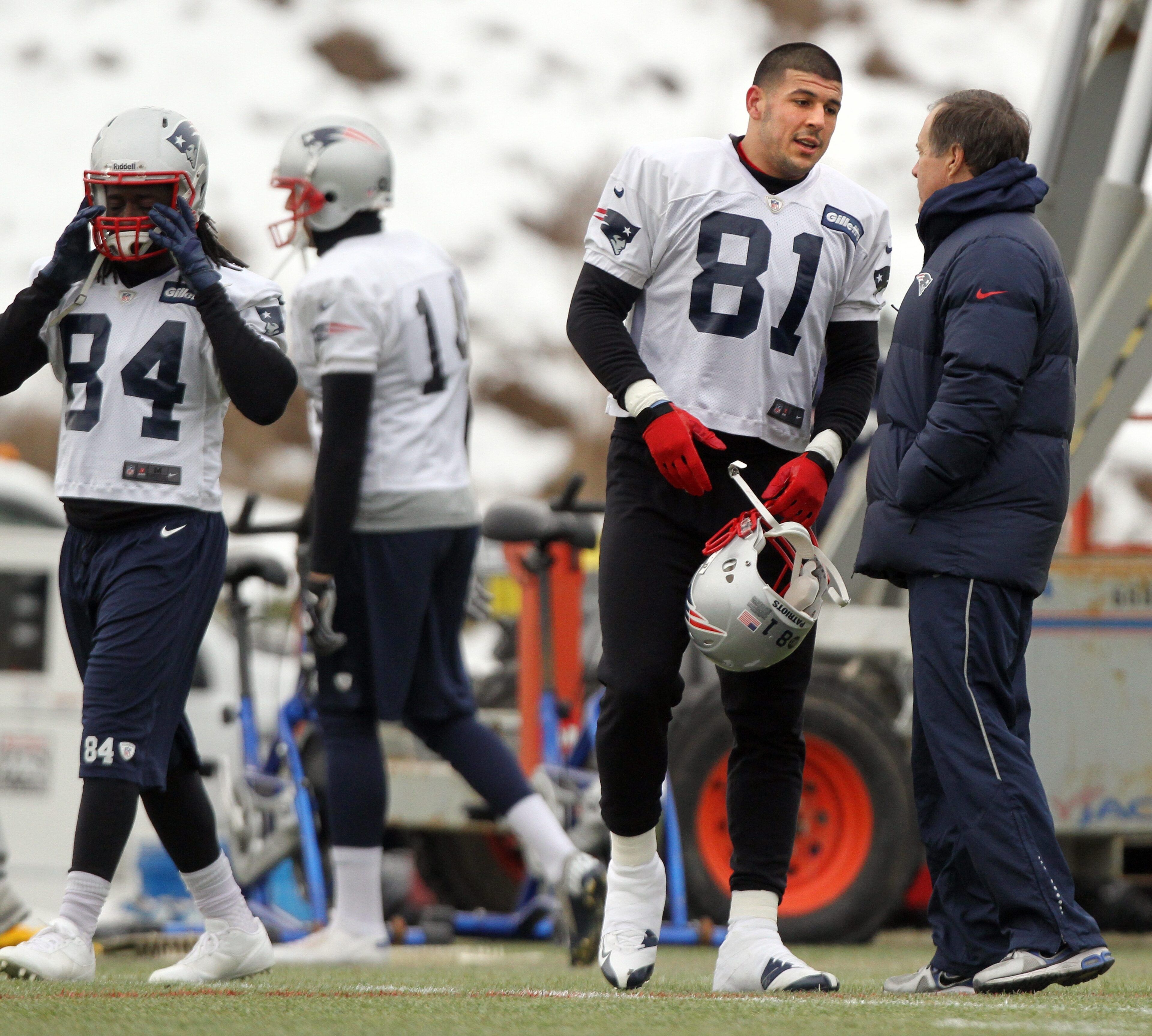
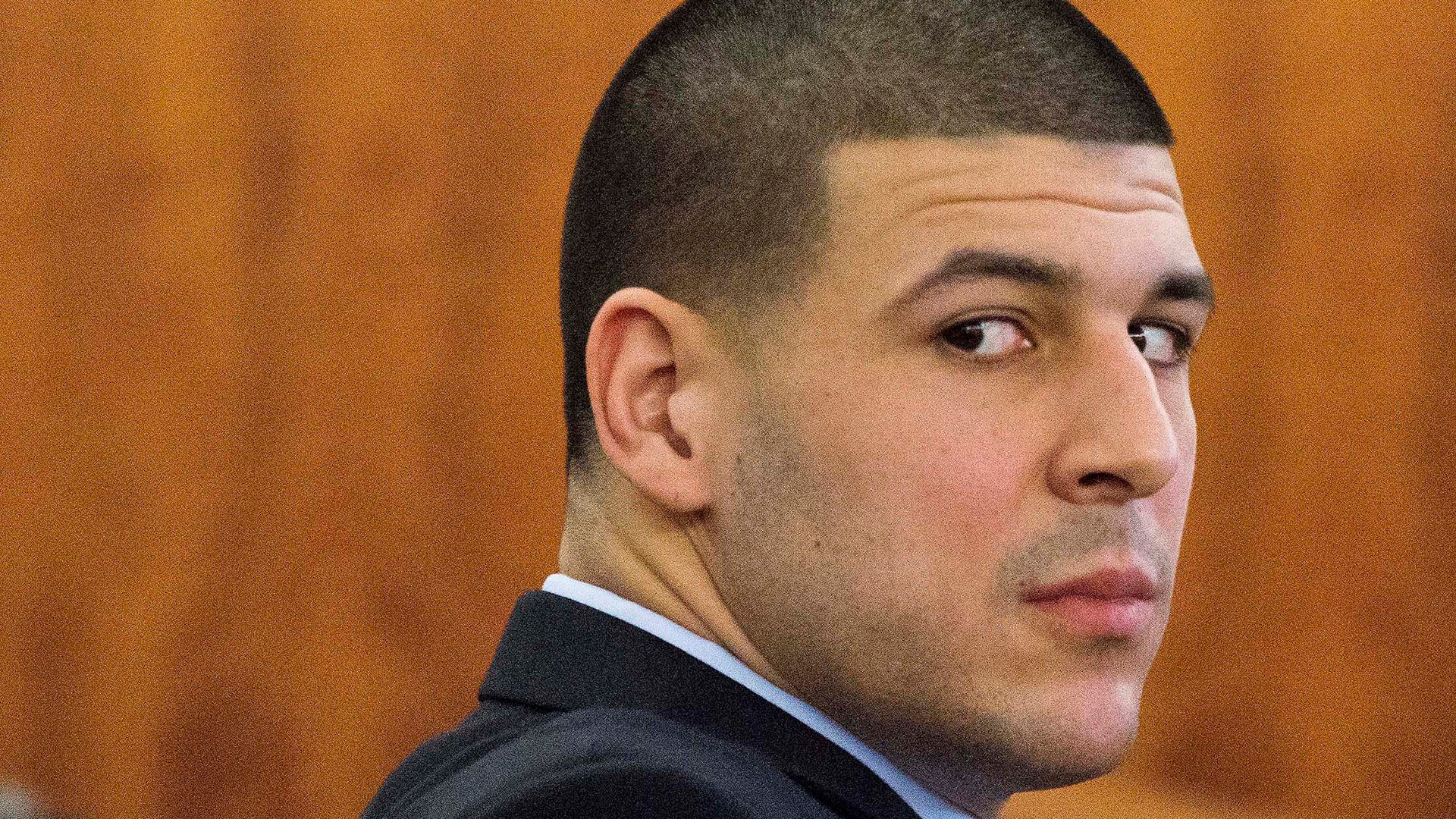
Aaron Hernandez earned approximately $10.9 million in total salary and bonuses throughout his abbreviated professional football career with the New England Patriots. His financial profile was defined by a significant multi-year contract extension signed in 2012, though the vast majority of the "guaranteed" portions of that deal were never realized due to his arrest and subsequent termination from the NFL in 2013.
The Trajectory of an NFL Career and Contractual Value
Aaron Hernandez entered the National Football League in 2010 after being selected by the New England Patriots in the fourth round of the NFL Draft. As a rookie, his initial compensation structure was modest, typical of a non-first-round draft pick. His career earnings were largely back-loaded, intended to reward his performance as a tight end, a position he played with high efficacy during his three seasons on the field.
The financial narrative of his career shifted dramatically in August 2012 when he signed a five-year contract extension. This deal was valued at $40 million, a substantial figure that included a $12.5 million signing bonus. This contract was structured to keep Hernandez with the Patriots through the 2018 season. However, the nature of NFL contracts is such that "total value" often differs significantly from "realized cash." Because professional sports contracts are rarely fully guaranteed, the collapse of his career following his 2013 arrest meant that the projected $40 million remained largely theoretical.
Breakdown of NFL Earnings vs. Projections
To understand how much Hernandez actually made versus what was reported as his contract value, it is necessary to separate his rookie contract from his extension. His rookie deal was a four-year contract worth approximately $2.37 million. He played the first three years of this contract before the extension superseded it.
The following table summarizes the primary components of his professional income:
| Contract Component | Estimated Value | Status |
|---|---|---|
| Rookie Contract (2010–2012) | ~$2.37 Million | Fully Realized |
| 2012 Contract Extension | $40 Million | Partially Realized |
| Signing Bonus (2012) | $12.5 Million | Split/Recovered |
| Realized Career Earnings | ~$10.9 Million | Total Cash Collected |
The discrepancy between the $40 million extension and the actual $10.9 million collected arises from the legal and contractual mechanisms of the NFL. When Hernandez was arrested and charged with first-degree murder in June 2013, the New England Patriots promptly terminated his contract. The organization cited clauses related to conduct detrimental to the team and the breach of contract resulting from his arrest.
The Role of Signing Bonuses and Salary Guarantees
In the context of professional sports, a signing bonus is usually paid out shortly after a contract is executed. Hernandez received a portion of his 2012 signing bonus; however, the legal fallout led to significant litigation regarding the remainder. The Patriots withheld subsequent payments and sought to recover money that had already been paid out.
Under the collective bargaining agreement (CBA) between the NFL and the Players Association, teams hold specific rights to pursue "forfeiture" or "repayment" of signing bonuses if a player is unable to fulfill their contractual obligations due to criminal conduct. This legal process resulted in a prolonged dispute between the Hernandez estate and the Patriots organization, effectively capping his total career earnings at the amount he had already received prior to his release.
Legal Impacts on Financial Assets and Liabilities
Following his release from the Patriots, the financial status of Aaron Hernandez shifted from wealth accumulation to intensive legal expenditure. The defense against high-profile criminal charges required extensive capital. The liquidation of assets, including real estate and personal property, became a central point of interest in legal proceedings brought by the victims' families.
In 2015, a Massachusetts court oversaw a "wrongful death" lawsuit, which resulted in a multi-million dollar judgment against Hernandez's estate. Because his professional career had ended years earlier, the available funds were limited. This created a complex scenario where existing assets were heavily encumbered by legal claims, leaving little for his heirs. The financial aftermath of his career illustrates the instability of professional athletic wealth when a career is abruptly terminated by criminal proceedings.
Why Reported Contract Values Often Mislead
It is a common error in sports finance to conflate the "total contract value" reported by the media with "take-home pay." When a player signs a "$40 million deal," it is almost never a guaranteed $40 million check. These contracts are contingent on:
- Active Roster Bonuses: Payments contingent on remaining with the team at specific dates.
- Workout Bonuses: Payments for attending off-season training sessions.
- Performance Incentives: Bonuses triggered by reaching statistical milestones (e.g., specific yardage or touchdown counts).
- Duration: The requirement that the player remains on the team for the entire length of the contract.
Because Hernandez was released mid-contract, he never met the requirements for the later years of his deal, nor did he collect the majority of the non-guaranteed salary components. Analysts and fans often overlook these nuances, leading to inflated perceptions of a player’s actual wealth compared to the headlines published at the time of a contract signing.
Frequently Asked Questions
Did Aaron Hernandez keep his $12.5 million signing bonus?
No. While he received an initial portion of the signing bonus, the New England Patriots withheld the remaining installments following his 2013 arrest. The organization engaged in legal action to recover paid funds, and the eventual payout was significantly reduced as part of the legal settlement regarding his remaining salary and bonus structures.
Was the $40 million contract guaranteed?
No. The $40 million figure represented the potential maximum value of the contract over five years, provided Hernandez met all statistical and roster requirements. In the NFL, "guaranteed money" is a specific subset of a contract, and only a fraction of his total extension was fully guaranteed against injury or termination.
How did his arrest affect his NFL pension?
Pension benefits for NFL players are governed by the NFL Player Retirement Plan. Because Hernandez had played for three full seasons and part of a fourth, he had accumulated some credited seasons. However, the legal and financial complications of his estate, combined with the specific rules regarding conduct, made the status of these benefits a matter of intense legal and administrative scrutiny.
What happened to his remaining assets?
The majority of his remaining assets were liquidated to satisfy legal judgments and wrongful death lawsuits filed against his estate. By the time the legal processes concluded, the net value of his estate was effectively drained by the costs of his defense and the subsequent civil liabilities imposed by the court.
How much did the Patriots pay in total?
The New England Patriots paid approximately $10.9 million to Aaron Hernandez during his tenure with the team. This total accounts for his salary, portions of his signing bonus, and standard player benefits received before his termination in June 2013.
Professional Advice and Liability Limitations
This article provides information based on historical records and public reporting regarding the career of Aaron Hernandez. It is intended for informational purposes and does not constitute financial, legal, or tax advice. For specific inquiries regarding contractual law, estate management, or the financial regulations governing professional sports, please consult a qualified legal professional or a certified financial planner.
Next Steps for Evaluating Athlete Contracts
For those interested in understanding the financial structure of professional athletes, it is recommended to review the following resources:
- Spotrac or Over The Cap: These platforms provide detailed breakdowns of NFL salary caps, contract guarantees, and the specific language behind player compensation.
- The NFL Collective Bargaining Agreement (CBA): This document outlines the rules for signing bonuses, roster guarantees, and forfeiture clauses that define how players are paid and what happens in the event of a contract termination.
- Court Dockets: For high-profile cases involving professional athletes, public legal records often provide the most accurate account of how funds were recovered or settled during civil litigation.