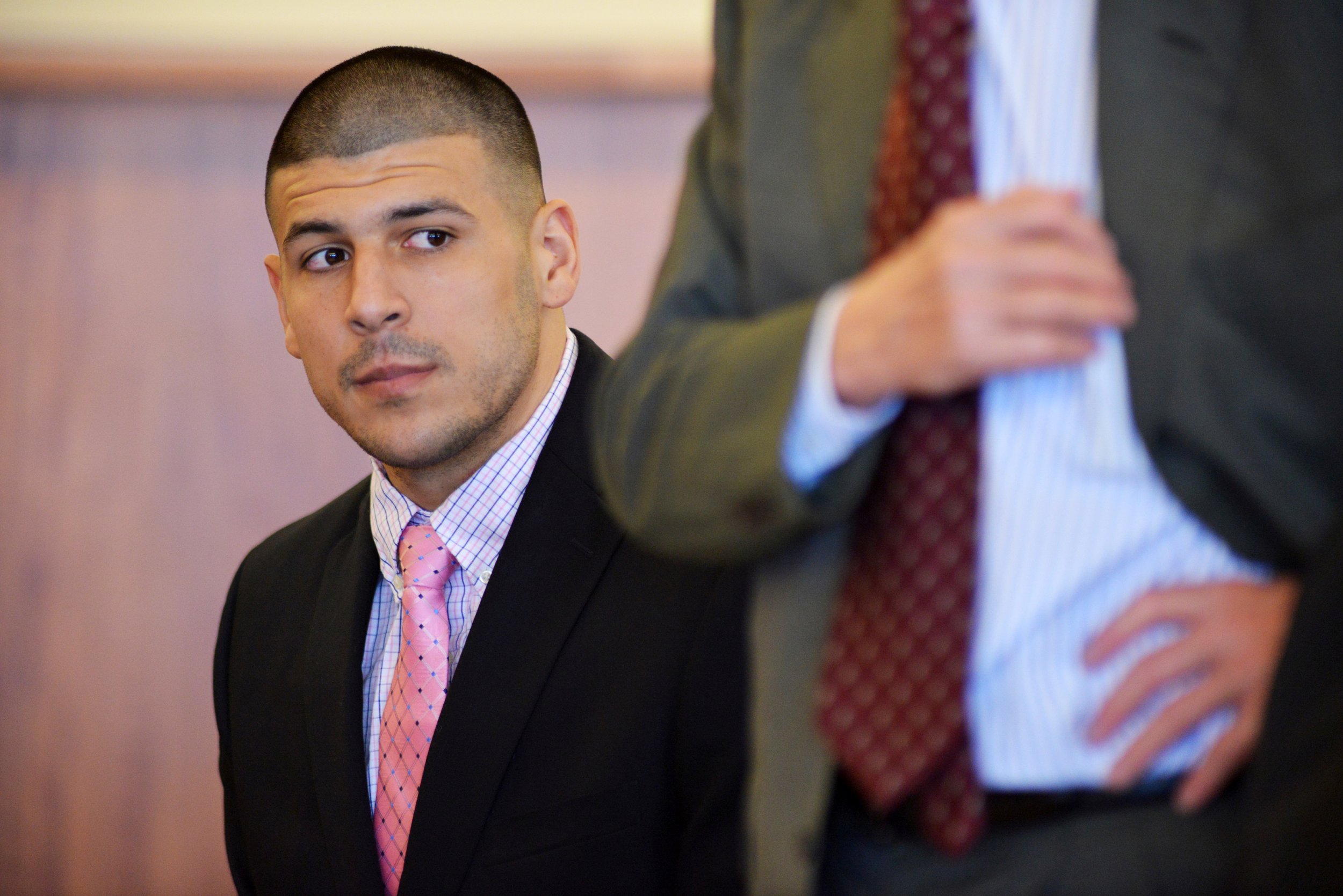
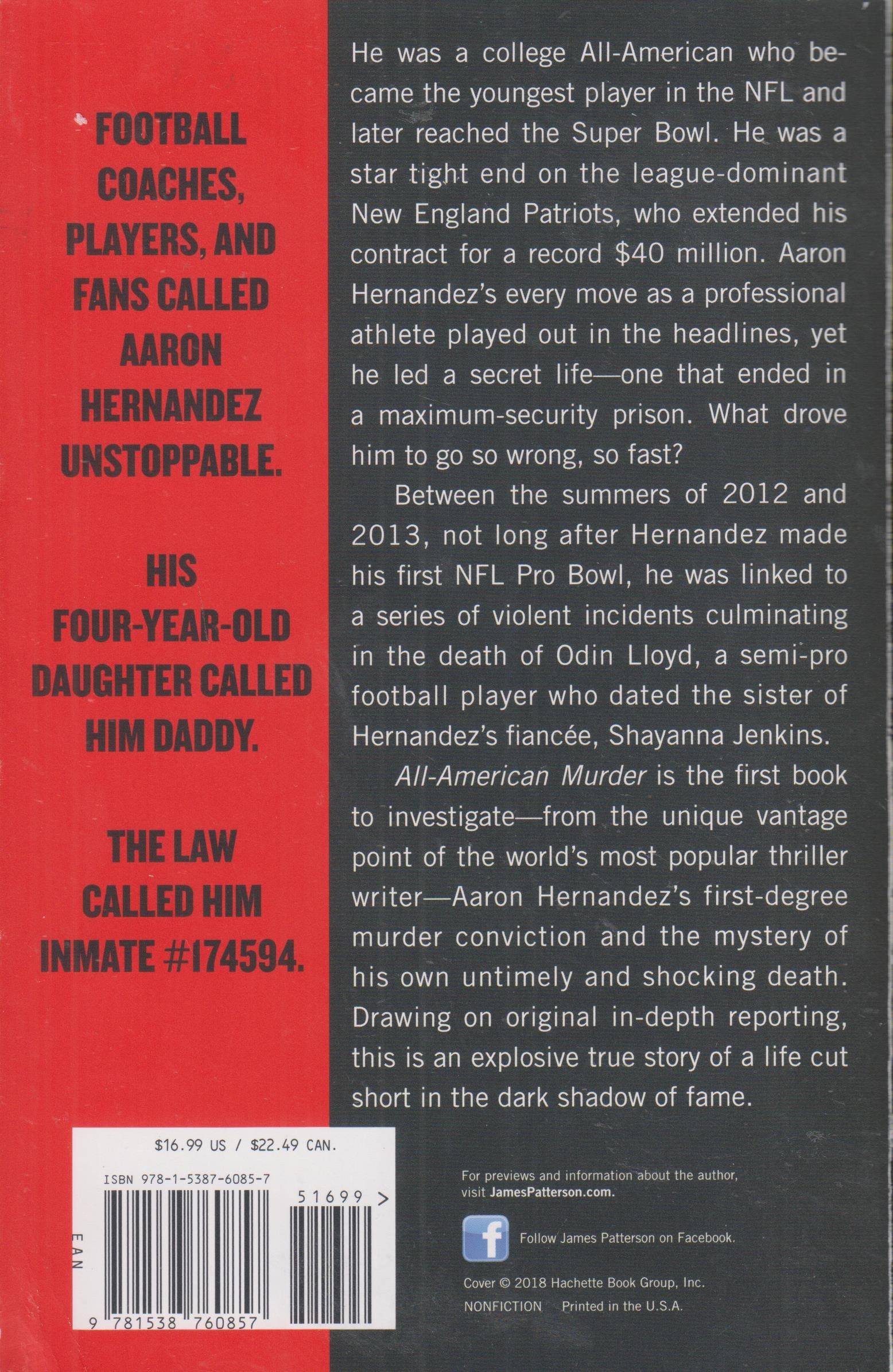
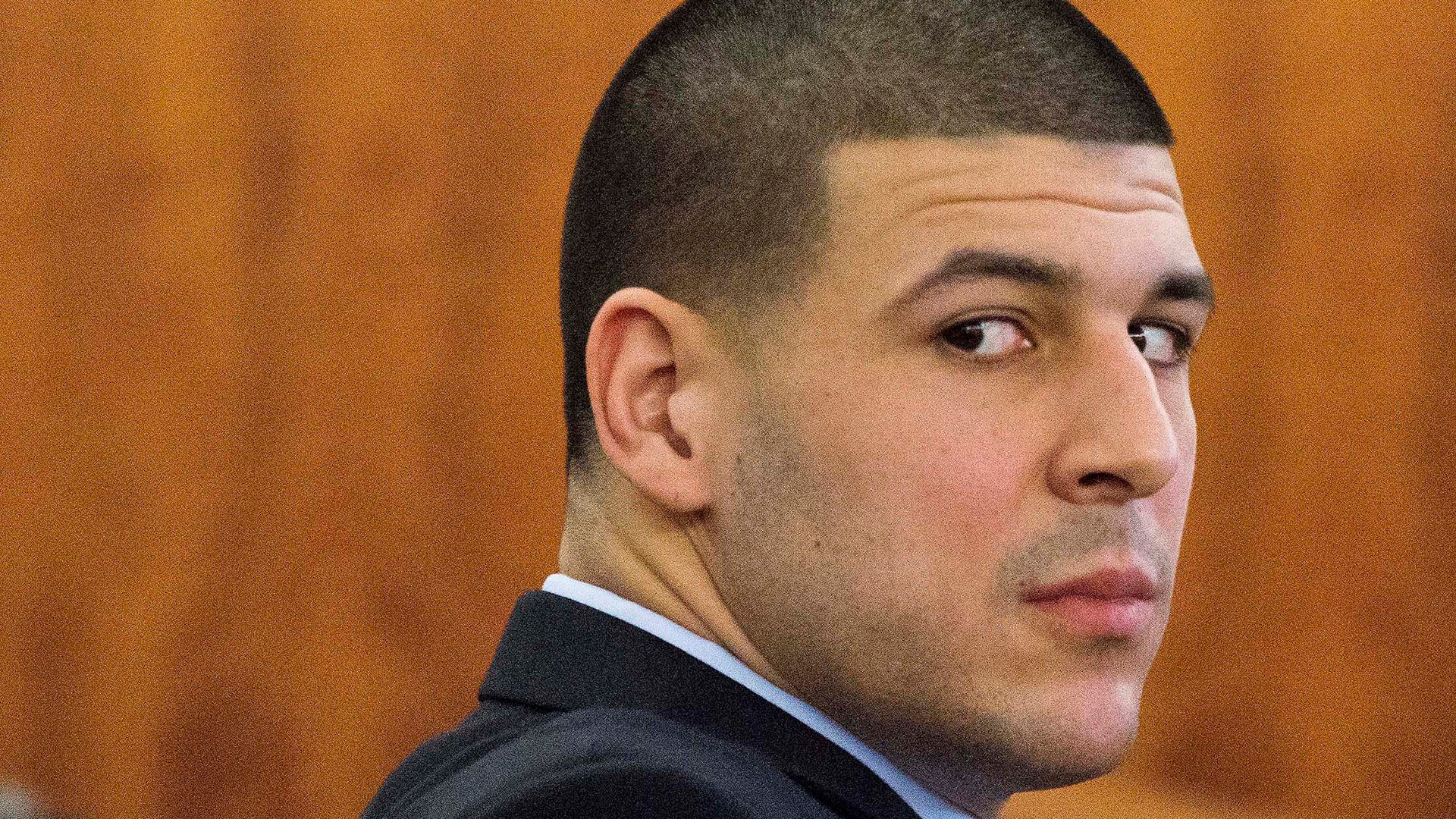
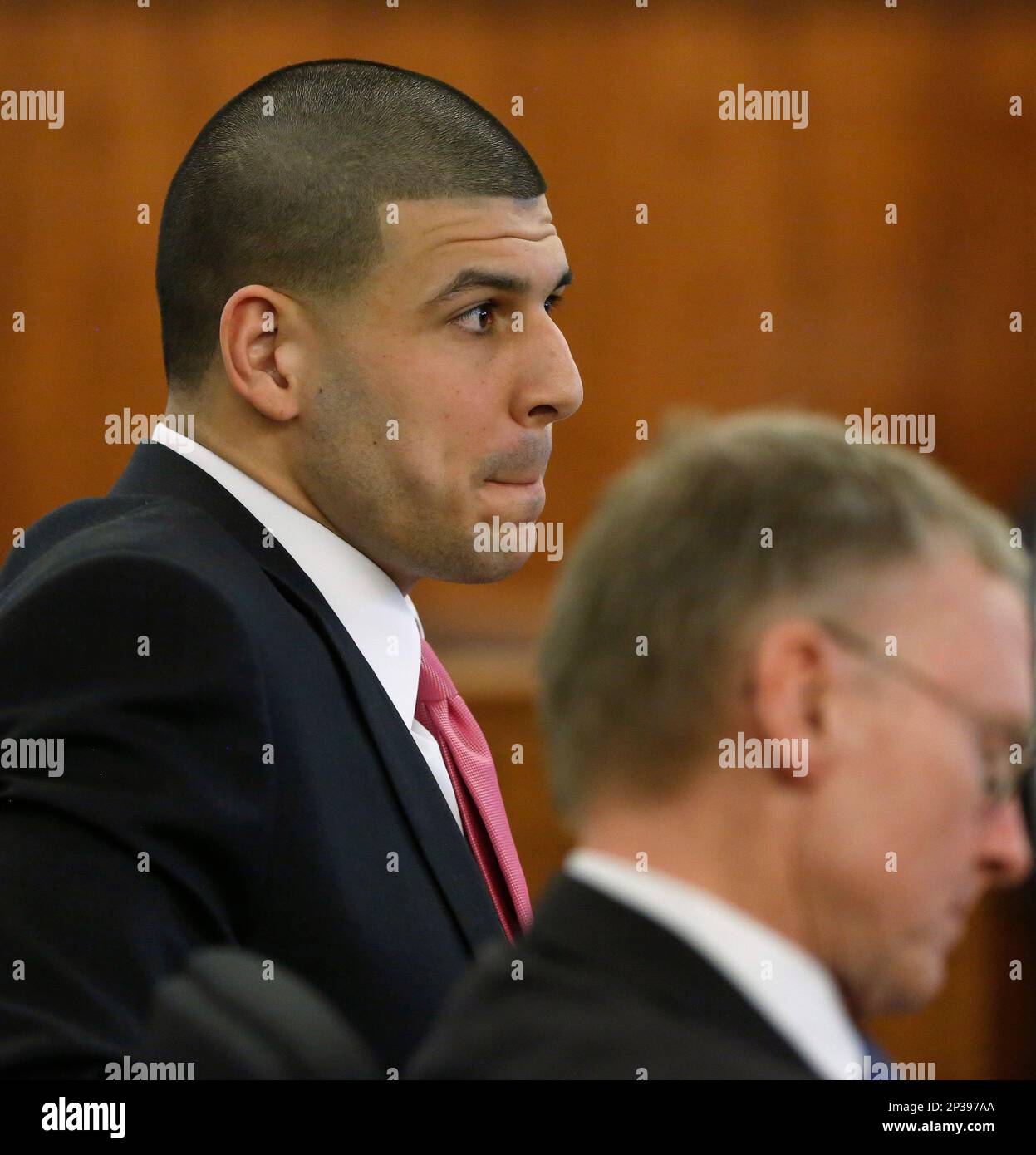
The trajectory of Aaron Hernandez represents one of the most jarring collapses in modern sports history, moving from the pinnacle of the National Football League (NFL) to a conviction for murder. His story serves as a complex intersection of elite athletic performance, chronic traumatic encephalopathy (CTE), and systemic personal struggles that ultimately led to his downfall and suicide in 2017.
The Ascent: A Prototype for the Modern Tight End
Aaron Hernandez entered the NFL with immense promise. A standout at the University of Florida, where he won a BCS National Championship under coach Urban Meyer, Hernandez was drafted by the New England Patriots in the fourth round of the 2010 NFL Draft. His slide in the draft—often attributed to character concerns and failed drug tests during his collegiate tenure—did not prevent him from becoming a cornerstone of the Patriots’ offensive scheme.
Alongside teammate Rob Gronkowski, Hernandez redefined the tight end position. While traditional tight ends were primarily viewed as auxiliary blockers, Hernandez possessed the agility of a wide receiver and the physicality of a running back. His ability to line up in multiple positions across the formation allowed the Patriots to exploit mismatches against slower linebackers and undersized defensive backs. By the 2011 season, Hernandez had become a Pro Bowl selection and signed a significant contract extension with the Patriots, solidifying his status as a foundational element of the organization’s high-powered passing attack.
The Turning Point: The Death of Odin Lloyd
The transition from professional stardom to criminal notoriety occurred in June 2013, following the death of Odin Lloyd. Lloyd, a semi-professional football player who was dating the sister of Hernandez’s fiancée, was found shot to death in an industrial park less than a mile from Hernandez’s home in North Attleborough, Massachusetts.
The investigation moved rapidly. Within days, authorities centered their inquiry on Hernandez due to his association with the victim and evidence collected from his residence, including surveillance footage and damaged mobile phones. On June 26, 2013, just hours after his arrest, the New England Patriots released Hernandez from his contract. This moment marked the official end of his career and the beginning of a prolonged legal ordeal that captivated the national media and highlighted the stark disparity between his public persona and private conduct.
Legal Proceedings and Institutional Impact
The legal path of Aaron Hernandez was marked by two primary trials. In 2015, a jury found him guilty of first-degree murder in the death of Odin Lloyd. He was sentenced to life imprisonment without the possibility of parole. During this period, prosecutors also charged him in connection with the 2012 double homicide of Daniel de Abreu and Safiro Furtado in Boston’s South End.
In 2017, Hernandez was acquitted of the 2012 double homicide charges, a verdict that provided a momentary reprieve amidst his life sentence. However, the psychological toll of his confinement and the ongoing scrutiny surrounding his actions culminated in his death by suicide in his prison cell at the Souza-Baranowski Correctional Center on April 19, 2017.
The institutional impact on the NFL was profound. The league faced renewed criticism regarding its vetting processes and its ability to monitor players' associations outside of team facilities. For the Patriots organization, the situation forced a rapid dismantling of their offensive personnel and created a permanent stain on a highly successful championship era.
The Role of Chronic Traumatic Encephalopathy (CTE)
A significant development following Hernandez's death was the disclosure of his medical condition. Researchers at Boston University’s CTE Center examined his brain and discovered that he suffered from severe Chronic Traumatic Encephalopathy (CTE), a progressive degenerative brain disease associated with repeated head trauma.
The findings indicated that Hernandez, at age 27, had the most advanced stage of CTE ever observed in a person his age. The report suggested that the damage, characterized by the accumulation of tau protein in the frontal lobes, likely contributed to his erratic behavior, impaired judgment, and inability to control impulses. While medical experts caution that CTE cannot explain away criminal behavior or moral agency, it provided a biological context for the cognitive decline that had been noted by those in his inner circle during his final years.
Comparing High-Profile NFL Career Disruptions
| Player/Individual | Context of Downfall | Legal Outcome | Primary Factors |
|---|---|---|---|
| Aaron Hernandez | Murder conviction | Life imprisonment / Suicide | Behavioral issues, CTE, lifestyle |
| O.J. Simpson | Double murder trial | Acquittal (Criminal) / Liability (Civil) | Violent crime, media circus |
| Michael Vick | Dogfighting operation | Federal incarceration | Illegal gambling, animal cruelty |
| Ray Rice | Domestic violence | Indefinite suspension | Physical assault, workplace policy |
Frequently Asked Questions
Did the New England Patriots know about Hernandez’s behavior before the 2013 arrest?
While the Patriots were aware of "red flags" regarding his background, including collegiate-level behavioral concerns, there is no evidence that the organization had prior knowledge of his involvement in violent crimes. The team’s decision to move on from Hernandez was immediate upon the discovery of evidence linking him to the Odin Lloyd case.
What is the current status of the civil litigation involving the Hernandez family?
Following his death, legal disputes arose regarding his estate, the distribution of his NFL pension, and lawsuits filed by the families of his victims. Many of these cases have since been settled or resolved through court proceedings regarding the liquidation of his remaining assets.
How did the CTE diagnosis affect his legal legacy?
The CTE diagnosis became a focal point in the public discourse surrounding the intersection of football and violence. While it did not change his legal status—as he died before his appeal could be fully exhausted—it remains a pivotal case study for neurologists studying the impact of contact sports on long-term cognitive health.
Is Aaron Hernandez’s career officially recognized by the NFL?
While his statistics remain in the official record books due to the nature of league archiving, Hernandez is effectively erased from the franchise’s promotional history. He holds no place in the Patriots' Hall of Fame, and the organization has distanced itself from his legacy.
Moving Forward: Lessons in Accountability
The case of Aaron Hernandez remains a somber reminder of the complexities inherent in high-stakes professional athletics. Organizations, players, and stakeholders are now tasked with maintaining a balance between competitive performance and the psychological, neurological, and behavioral welfare of participants. The primary takeaway for those monitoring sports management is the necessity of comprehensive off-field support systems and the continued focus on long-term health, as the failure to address underlying issues can have irreversible consequences for both individuals and the organizations they represent.