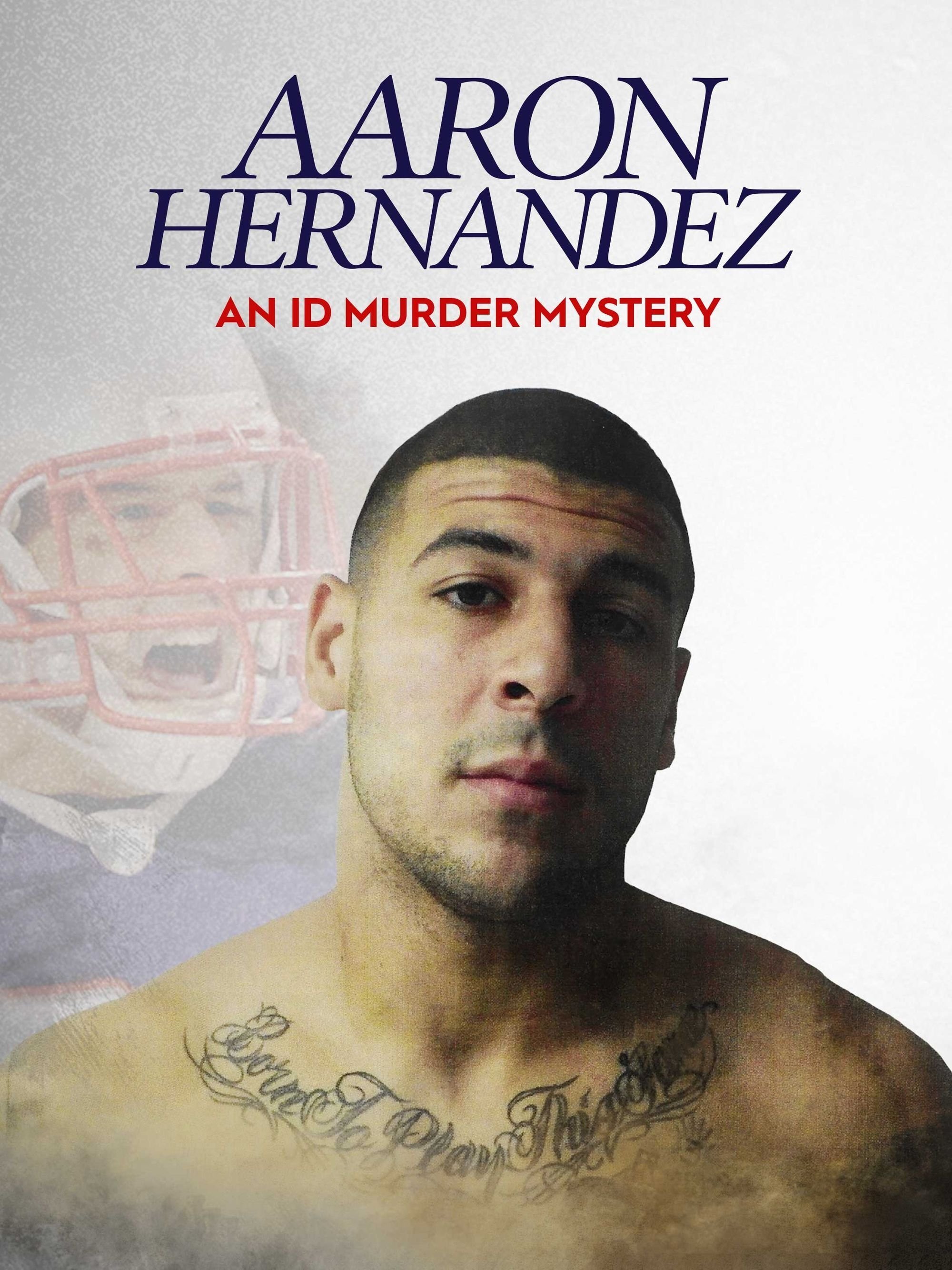
Aaron Hernandez went from holding a $40 million NFL contract extension to leaving behind an insolvent estate at the time of his death in 2017. Prior to his arrest in 2013, Hernandez earned over $11 million in career payouts, but legal costs, canceled contracts, civil claims, and unpaid debts erased his total fortune.
NFL Career and Contract Structure
Aaron Hernandez entered the National Football League in 2010 when the New England Patriots selected him in the fourth round (113th overall) out of the University of Florida. Despite concerns over off-field behavior during his college years, his athleticism made him an immediate star on the field. In his rookie contract, Hernandez signed a four-year deal valued at approximately $2.37 million, which included a modest $200,000 signing bonus.
Over his first two seasons, Hernandez established himself alongside Rob Gronkowski as part of a revolutionary dual-tight-end offense. This production prompted the New England Patriots to offer him a massive financial commitment ahead of the 2012 season.
Aaron Hernandez NFL Contract Breakdown (2012 Extension)
- Contract Value: $39.5 Million (5-Year Extension)
- Signing Bonus: $12.5 Million
- Guaranteed Cash: $16 Million total structure
- Execution Date: August 2012
In August 2012, Hernandez signed a five-year contract extension worth $39.5 million. The deal featured a $12.5 million signing bonus, the largest ever given to an NFL tight end at that time, along with $16 million in total guaranteed money. Under the terms of the structure, $6 million of the signing bonus was paid up front, with the remaining balance scheduled in deferred installments.
By the end of the 2012 season, Hernandez had collected roughly $11 million to $11.5 million in total cash earnings from salary, roster bonuses, and initial signing payments. However, his financial peak was brief.
Arrest, Contract Termination, and Revenue Collapse
On June 26, 2013, police arrested Aaron Hernandez at his North Attleborough home in connection with the murder of Odin Lloyd, a 27-year-old semi-professional football player. Less than two hours after his arrest, the New England Patriots released Hernandez, immediately terminating his contract.
The legal and contractual consequences were swift and catastrophic for Hernandez’s financial standing:
- Patriots Contract Voidance: The Patriots refused to pay the remaining deferred signing bonus installments (totaling approximately $3.25 million) and withheld his 2013 guaranteed base salary, citing contract breach under the NFL Personal Conduct Policy and standard contract representations.
- Loss of Corporate Endorsements: Major corporate sponsors severed ties immediately. CytoSport (makers of Muscle Milk) and Puma terminated their endorsement contracts within 48 hours of his arrest, eliminating non-football revenue streams.
- NFL Players Association (NFLPA) Grievances: The NFLPA filed grievances on behalf of Hernandez to recover unpaid bonus money and guaranteed salary. However, these financial claims remained stalled during his criminal proceedings and were ultimately offset by civil claims and legal costs.
The sudden termination transformed Hernandez from a high-earning athlete with a projected long-term income exceeding $40 million into an individual with zero active income and escalating liabilities.
Criminal Defense Expenses and Civil Liabilities
Defending high-profile criminal cases requires millions of dollars in legal fees, investigator costs, expert witness compensation, and evidentiary analysis. Hernandez hired prominent defense teams across multiple complex trials, which absorbed virtually all of his remaining liquid assets.
High-Profile Legal Representation Costs
Hernandez was tried twice in major criminal proceedings:
- The 2015 Odin Lloyd Murder Trial: Represented by defense attorneys including Michael Fee and James Sultan, the months-long trial resulted in a first-degree murder conviction in April 2015, carrying a sentence of life imprisonment without parole.
- The 2017 Boston Double Murder Trial: Facing charges for the 2012 drive-by shooting deaths of Daniel de Abreu and Safiro Furtado, Hernandez retained celebrity defense attorney Jose Baez along with legal scholar Ronald Sullivan and lawyer Alex Spiro. Hernandez was acquitted of the murder charges in April 2017, just days before his death.
Legal experts estimate that these defense campaigns cost between $3 million and $5 million. Bank accounts and liquid assets that Hernandez accumulated between 2010 and 2012 were drained to pay retainer fees, expert consultants, and forensic analysis services.
Civil Lawsuits and Damages Claims
In addition to criminal proceedings, Hernandez faced severe civil litigation from victims' families:
- Odin Lloyd Wrongful Death Lawsuit: Ursula Ward, the mother of Odin Lloyd, filed a wrongful death lawsuit against Hernandez. The court placed an attachment lien on Hernandez’s primary real estate asset to ensure potential proceeds from a judgment would be preserved for the victim's family.
- Alexander Bradley Civil Suit: Alexander Bradley, a former associate who was a key prosecution witness in the 2017 double-murder trial, filed a civil lawsuit against Hernandez over a 2013 shooting incident in Florida. This case was settled confidentially out of court in 2016, placing further strain on Hernandez's cash reserves.
The Abatement Ruling and Contract Arbitration
When Aaron Hernandez died by suicide in his prison cell on April 19, 2017, his financial legal situation entered a complex legal stage centered on Massachusetts common law and labor agreements.
Abatement Ab Initio Legal Battle
At the time of his death, Hernandez’s conviction for the murder of Odin Lloyd was under automatic appeal. Under the long-standing Massachusetts legal doctrine of abatement ab initio, if a criminal defendant dies before their direct appeal is heard, the case is dismissed, and the conviction is vacated, restoring the defendant’s legal status to unconvicted at death.
In May 2017, Superior Court Judge Susan Garsh applied the doctrine and vacated Hernandez’s murder conviction. This ruling created immediate financial implications:
- Contract Claims: Defense attorneys and estate representatives argued that because Hernandez died without a technical legal conviction, the Patriots could no longer void his contract based on a felony conviction, potentially freeing up $3.5 million to $6 million in unpaid salary and bonuses.
- Prosecution Appeal: Prosecutors and the family of Odin Lloyd appealed the abatement ruling, arguing that the doctrine was outdated and rewarded defendants who died by suicide to clear their financial record for heirs.
In March 2019, the Massachusetts Supreme Judicial Court issued a decision in Commonwealth v. Hernandez, officially abolishing the legal doctrine of abatement ab initio in Massachusetts. The court reinstated Hernandez’s first-degree murder conviction, ending any legal argument that his estate was entitled to contractual compensation from the NFL or the New England Patriots based on an overturned conviction.
Estate Valuation and Final Financial Settlement
By the time the probate court began settling Aaron Hernandez’s estate, his financial holdings bore no resemblance to his former NFL wealth.
Aaron Hernandez Estate Asset & Liability Breakdown
| Assets / Gross Value | Claims & Liabilities |
|---|---|
| Primary Home (Sold): ~$1,000,000 | Mortgage Balance & Taxes: $600k+ |
| Bank Accounts: Minimal cash balance | Legal Defense Retainers: Millions |
| Pension/NFL Trust: Protected/Limited | Civil Lawsuit Liens: Ursula Ward |
| Net Liquid Estate: ~$0 (Insolvent) | Final Estate Value: Negative/Zero |
The centerpiece of Hernandez's remaining fortune was his 5,600-square-foot home located at 22 Ronald C. Meyer Drive in North Attleborough, Massachusetts. Purchased in 2012 for $1.3 million, the house sat vacant for years during his trial and probate proceedings, accumulating tax liens and maintenance costs.
In late 2017, the estate sold the home for $1.0 million. However, net proceeds were minimal after accounting for outstanding mortgage obligations, unpaid property taxes, real estate fees, and legal administrative costs. The court directed remaining proceeds to a trust for the benefit of his daughter, Avielle Hernandez, while satisfying civil litigation obligations arranged with the victim's estate.
| Financial Milestone | Year | Estimated Amount | Impact on Fortune |
|---|---|---|---|
| NFL Rookie Contract | 2010 | $2.37 Million | Initial earnings base |
| Patriots Extension | 2012 | $39.5 Million | Peak contractual potential ($12.5M bonus) |
| Actual Career Cash Recovers | 2010–2013 | ~$11.0 Million | Gross total received prior to tax/agent fees |
| Contract Voidance | 2013 | -$28.5+ Million | Immediate loss of unearned contract value |
| Legal Defense Costs | 2013–2017 | -$3.0 to -$5.0 Million | Complete depletion of liquid cash |
| Home Sale Proceeds | 2017 | $1.0 Million Gross | Covered existing mortgage, fees, and liens |
| Final Estate Net Worth | 2017–Present | $0 / Insolvent | No net liquid wealth remaining |
Claims that Hernandez maintained millions in hidden offshore funds or trusts remain unverified. Court filings in the Bristol County Probate and Family Court showed that the estate was functionally insolvent, with outstanding claims far exceeding liquid assets.
Frequently Asked Questions
What was Aaron Hernandez's net worth at his peak?
At his financial peak in late 2012, Aaron Hernandez had a net worth estimated between $4 million and $8 million based on his $12.5 million signing bonus payout, salary earnings, and property assets. His projected future contract value was $39.5 million.
How much money did Aaron Hernandez actually make in the NFL?
Hernandez earned approximately $11 million to $11.5 million in gross cash payouts during his three seasons with the New England Patriots before taxes, agent fees, and contract termination in June 2013.
Did the Patriots have to pay Aaron Hernandez's remaining contract?
No. The New England Patriots withheld deferred signing bonuses and future guaranteed salaries immediately upon his release in 2013. After the Massachusetts Supreme Judicial Court reinstated his murder conviction in 2019, all union grievances seeking unpaid money were rendered unrecoverable.
Did Aaron Hernandez's family receive his NFL pension?
Under the NFL collective bargaining agreement, pension benefits and certain player safety funds are protected from civil judgments. While these accounts provided modest financial support for his daughter, they did not alter the insolvent status of his public estate.
What happened to Aaron Hernandez's house?
His North Attleborough mansion was sold in 2017 for $1 million. The proceeds were used to pay off existing mortgage debt, municipal property taxes, legal administration expenses, and settlement claims associated with civil litigation.
Why was his murder conviction reinstated after his death?
His conviction was initially vacated under the common law rule of abatement ab initio because he died while his appeal was pending. In 2019, the Supreme Judicial Court of Massachusetts abolished this doctrine in Commonwealth v. Hernandez, ruling it outdated and reinstating his conviction.
Financial and Legal Summary
The financial trajectory of Aaron Hernandez serves as a clear case study in how legal liabilities, contract voidance, and court proceedings can dismantle a multimillion-dollar sports fortune. Despite signing one of the lucrative tight-end extensions in NFL history, his immediate release by the New England Patriots, combined with multi-million dollar defense fees and civil wrongful death claims, left his estate legally insolvent at the time of settlement.