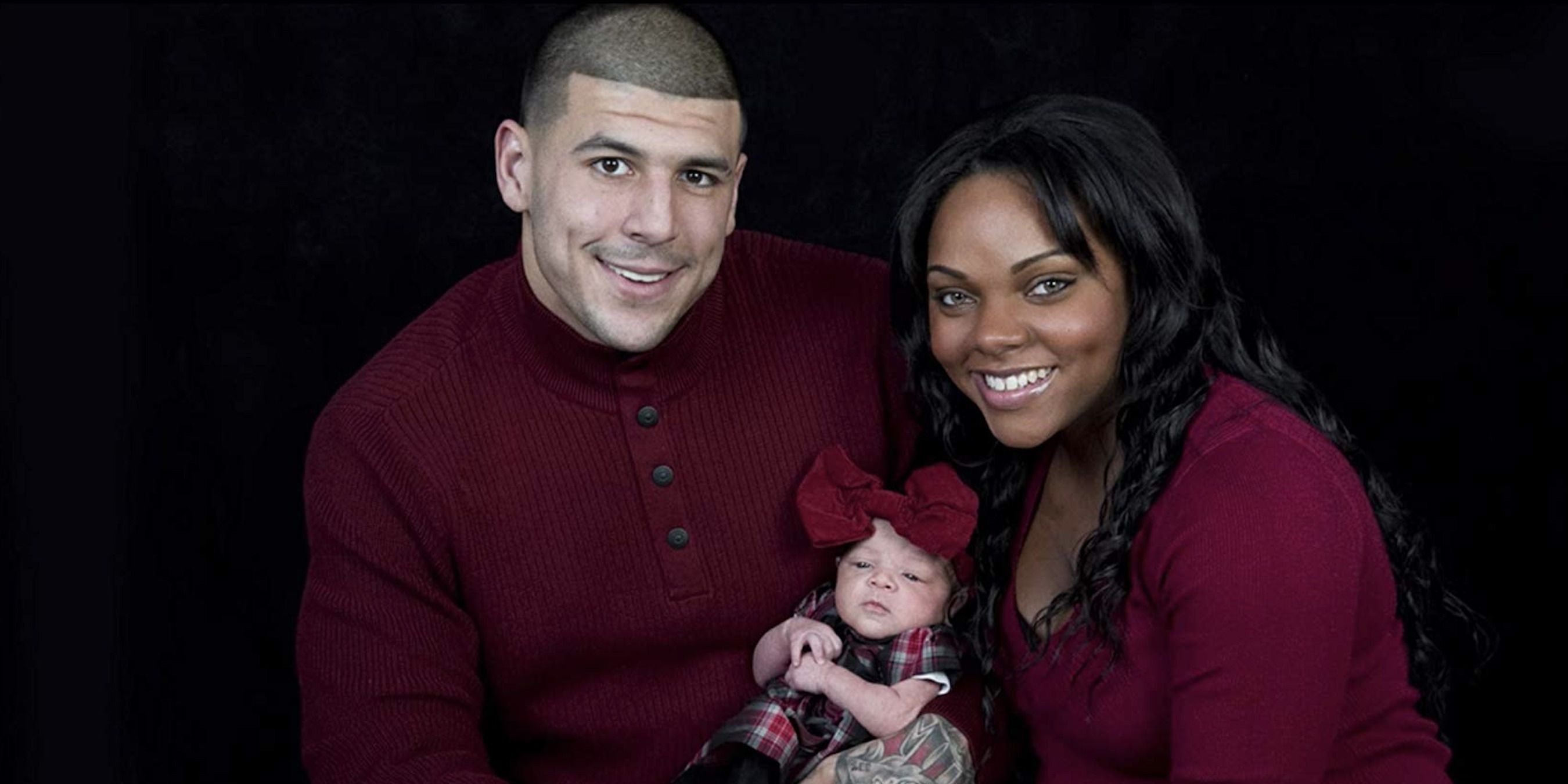
At the peak of his career, Aaron Hernandez had a projected net worth of approximately $8 million, bolstered by a $40 million contract extension with the New England Patriots. However, by the time of his death in 2017, his estate was effectively insolvent, with a net worth of zero. His primary asset, a $1.3 million North Attleboro mansion, was eventually sold to cover legal fees and settle mounting civil liabilities.
The story of Aaron Hernandez is a haunting intersection of elite athletic performance, violent crime, and a catastrophic financial collapse. Once a celebrated tight end for the New England Patriots, Hernandez’s life spiraled from the heights of a multi-million dollar NFL career to a prison cell and an eventual suicide. Central to this narrative is his "fortune"—a mixture of high-end real estate, luxury vehicles, and a massive contract that vanished almost as quickly as it was signed. As we look back from the perspective of 2026, the financial autopsy of his estate serves as a definitive cautionary tale regarding the fragility of professional sports wealth in the face of criminal litigation.
The Rise and Fall of the $40 Million Fortune
In August 2012, Aaron Hernandez signed a five-year, $40 million contract extension with the New England Patriots, which included a $12.5 million signing bonus. This was, at the time, the second-largest extension ever given to a tight end. For a 22-year-old rising star, this represented generational wealth. However, the structure of NFL contracts is heavily dependent on "guaranteed" money, which often includes "conduct detrimental" clauses that allow teams to claw back or withhold payments in the event of criminal activity.
When Hernandez was arrested in June 2013 for the murder of Odin Lloyd, the Patriots immediately moved to distance themselves from the star. They terminated his contract within hours of his arrest, leading to a complex legal battle over the remaining $3.25 million of his signing bonus and other guaranteed incentives. Because the NFL Collective Bargaining Agreement allows teams to withhold certain payments under specific disciplinary circumstances, Hernandez’s liquid wealth began to evaporate the moment he was led away in handcuffs.
By 2015, while fighting both the Odin Lloyd murder charge and a separate double-homicide case in Boston, Hernandez’s financial resources were being channeled almost exclusively into his legal defense. High-profile attorneys like Jose Baez do not come cheap, with estimates suggesting his legal fees ran into the millions of dollars. By the time of his death in April 2017, his bank accounts were reportedly drained, leaving his estate with no liquid assets and only the North Attleboro house as a remaining piece of equity.
The North Attleboro Mansion: Inside the Fallen Star’s Home
The most tangible remnant of Hernandez's brief period of wealth was his home located at 22 Ronald C. Meyer Drive in North Attleboro, Massachusetts. Purchased in late 2012 for $1.3 million—shortly after his massive contract extension—the property was a 7,100-square-foot colonial-style mansion that embodied the "nouveau riche" lifestyle of a top-tier athlete.
Architectural Features and Luxury Amenities
The house featured five bedrooms, five and a half bathrooms, and sat on over half an acre of land. Inside, the home was customized to Hernandez’s tastes, featuring:
- A Chef’s Kitchen: Outfitted with high-end stainless steel appliances and custom cabinetry.
- The Finished Basement: Designed for entertainment, it included a home theater, a full bar, and a fitness center.
- Outdoor Living: A massive saltwater swimming pool with a waterfall and a built-in outdoor grill area.
- Master Suite: A sprawling retreat with a private balcony, a gas fireplace, and a spa-like bathroom featuring a jetted tub.
Despite the luxury, the house became a focal point for investigators. Surveillance footage from inside and around the home was used extensively during the Odin Lloyd trial. The "man cave" in the basement, where Hernandez was often seen on camera, became a synonymous image with the darker side of his double life. After his arrest, the home sat largely vacant for years, falling into a state of minor disrepair as the estate struggled to pay for upkeep and property taxes.
The Liquidation of Assets and the Sale of the Home
Following Hernandez’s death in 2017, the responsibility for his estate fell to his fiancée, Shayanna Jenkins-Hernandez, acting on behalf of their daughter, Avielle. The court ordered the sale of the North Attleboro house to satisfy creditors and provide potential funds for the civil suits brought by the families of Odin Lloyd, Daniel de Abreu, and Safiro Furtado.
The sale process was fraught with difficulty. The "stigma" of the home—being the residence of a convicted murderer who took his own life—significantly impacted its market value. Originally listed for $1.5 million in 2016, the price was slashed multiple times. In 2017, it finally sold for approximately $1 million to a real estate investor, who subsequently renovated and flipped the property.
The proceeds from the sale did not go to his family. Instead, the money was held in escrow to settle the ongoing civil litigation. This highlights a critical aspect of "fallen star" fortunes: even if physical assets remain, they are often encumbered by legal liens that prevent the heirs from ever seeing a penny of the value.
Financial Comparison: Peak Earnings vs. Final Estate Status
To understand the scale of the financial collapse, it is necessary to compare the projected earnings of Aaron Hernandez against the reality of his estate at the time of its closing.
| Financial Metric | Peak Projection (2012) | Final Estate Reality (2017-2026) |
|---|---|---|
| Total Contract Value | $40,000,000 | ~$10,000,000 (Paid out prior to arrest) |
| Primary Residence Value | $1,300,000 | $1,000,000 (Sold to pay debts) |
| Liquid Cash/Investments | $5,000,000+ | $0 (Exhausted by legal fees) |
| NFL Pension/Benefits | Guaranteed for Life | Subject to legal seizure/Trust battles |
| Net Worth | ~$8,000,000 | $0 (Insolvent) |
This table illustrates that while Hernandez earned nearly $10 million in actual cash during his three years in the NFL, the entirety of that sum was consumed by his lifestyle, legal defense, and the eventual seizure of assets by the court. The "fortune" was a mirage that existed only as long as he was on the field.
The Legal Battle Over the NFL Pension
One of the most complex aspects of the Aaron Hernandez fortune involves his NFL pension and the "Abatement Ab Initio" legal doctrine. Under Massachusetts law at the time of his death, if a defendant dies while an appeal is pending, their conviction is technically vacated, and they are restored to the status of "innocent" in the eyes of the law.
Initially, this allowed Hernandez's lawyers to argue that he died an innocent man, which would have potentially triggered the payment of his full NFL pension and death benefits to his daughter. However, the families of his victims fought this vigorously. In 2019, the Massachusetts Supreme Judicial Court eventually moved to abolish the doctrine of abatement in such cases, ensuring that Hernandez’s conviction for the murder of Odin Lloyd stood.
By 2026, the legal precedent established in the Hernandez case has become a standard for how professional sports leagues handle the estates of players involved in violent crimes. The pension funds, which were once thought to be a safe haven for his daughter’s future, were largely tied up in legal maneuvers to ensure they were not used to bypass civil judgments owed to the victims' families.
The Legacy for Shayanna Jenkins and Avielle Hernandez
The financial fallout left Shayanna Jenkins-Hernandez and their daughter, Avielle, in a precarious position. While Shayanna has occasionally shared glimpses of her life on social media, the massive "fortune" many expected her to inherit never materialized. Reports over the years have indicated that she has had to rely on a trust set up for Avielle, which is strictly monitored by a court-appointed trustee to ensure the funds (mostly from social security or smaller remaining NFL stipends) are used only for the child's direct needs.
The "Inside the House" tours that fascinated the public in the years following the trials have long since ceased. The home has been occupied by new owners who have stripped away the custom elements that once identified it as "Hernandez's Mansion." For the family, the fortune became a burden of legal filings and public scrutiny rather than a source of security.
Frequently Asked Questions
What was Aaron Hernandez's highest net worth?
At his peak in late 2012, Aaron Hernandez had a net worth of approximately $8 million. This included his $12.5 million signing bonus (pre-tax), his property equity, and several luxury vehicles. However, much of his $40 million contract was never paid out due to his arrest and subsequent contract termination.
Who owns Aaron Hernandez's house now?
As of 2026, the house at 22 Ronald C. Meyer Drive is owned by private individuals who have no connection to the Hernandez family. It was sold in 2017 to a real estate developer who renovated the property to remove the custom features associated with Hernandez before selling it to a family.
Did his daughter inherit any of his money?
Avielle Hernandez did not inherit a multi-million dollar fortune. While there was a trust established for her, the bulk of Aaron Hernandez's assets were seized to pay legal fees and settle civil lawsuits. Any remaining funds were modest and are managed under strict court supervision to cover her education and living expenses.
Why was the house sold for less than its purchase price?
The house sold for roughly $1 million, which was $300,000 less than Hernandez paid for it. This "stigma discount" is common in properties where high-profile crimes or tragedies have occurred. Additionally, the property had fallen into slight disrepair during the years Hernandez was incarcerated, requiring investment from the buyer.
What happened to Aaron Hernandez's cars and jewelry?
Most of Hernandez’s movable assets, including his Hummer and other luxury vehicles, were sold off early in the legal process to help fund his defense team. His personal effects and jewelry were either liquidated or became part of the settlement process for the civil suits filed by the victims' estates.
Viewing the Hernandez Estate as a Financial Warning
The financial trajectory of Aaron Hernandez serves as a grim reminder that no amount of professional success can withstand the weight of criminal conduct. For athletes and high-net-worth individuals, the "Hernandez precedent" emphasizes that contracts are not just about performance, but about character and conduct.
If you are researching the financial structures of professional athletes, the key takeaway from the Hernandez fortune is the importance of irrevocable trusts and asset protection that are established before legal issues arise. However, even the best financial planning cannot protect an estate from the "conduct detrimental" clauses found in modern NFL contracts. The "fallen star" did not just lose his freedom; he systematically dismantled a fortune that could have provided for his family for generations, leaving behind an estate that was eventually defined more by its debts than its assets.